Imperial Chinese Restaurant
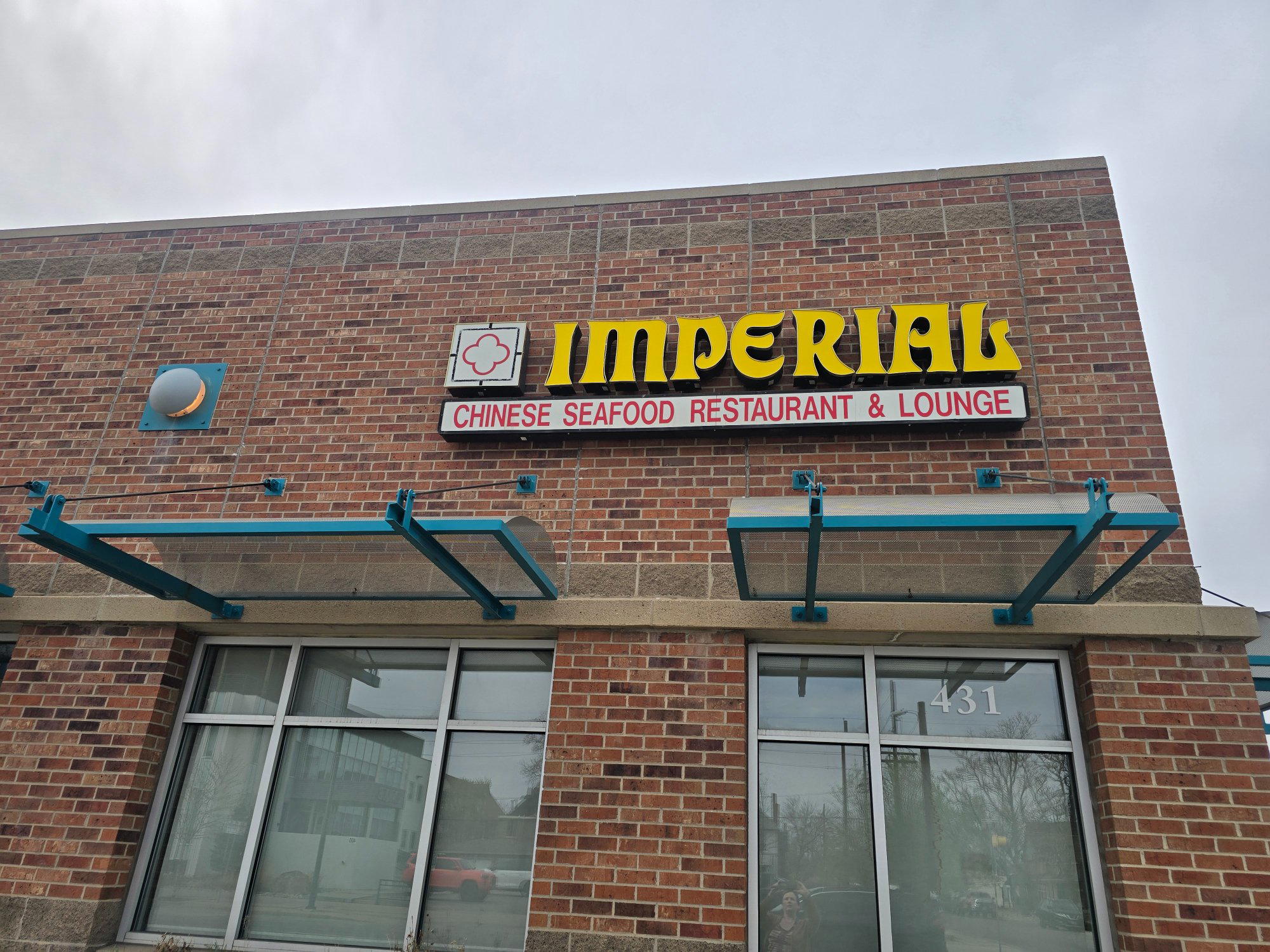
Imperial Chinese Restaurant on South Broadway sits within Denver's quietly expanding Chinese dining scene, where a handful of neighborhood-anchored spots have built steady local followings outside the city's more visible fine-dining corridor. The address at 431 S Broadway places it in a stretch of the city known more for its independent character than its restaurant density, which tends to favor regulars over passersby.
- Address
- 431 S Broadway, Denver, CO 80209
- Phone
- +13036982800
- Website
- imperialchinesego.com
- Directions
- Get directions
South Broadway and the Shape of Denver's Chinese Dining Scene
Denver's Chinese restaurant community has never clustered the way it does in cities with established Chinatown corridors. Instead, it spreads across neighborhoods in a pattern that rewards the locally informed over the tourist-guided. South Broadway, where Imperial Chinese Restaurant operates at 431 S Broadway, sits within a strip defined by independent businesses, vintage shops, and the kind of foot traffic that comes from residents rather than destination seekers. That context matters when reading what a Chinese restaurant in this location is actually doing: it is, almost by definition, serving a regular clientele, building its identity through return visits rather than first impressions designed to capture passing attention.
That neighborhood dynamic has produced a particular kind of Chinese dining in cities like Denver, one that differs from the high-volume, banquet-format model that dominated earlier decades and from the modernist Chinese cooking now appearing in coastal cities. It tends toward accessible pricing, longer-standing menus, and a service style calibrated to familiarity. Imperial Chinese Restaurant fits within Denver's neighborhood-driven Chinese dining landscape, with value and familiarity at the center of the experience.
How Team Coordination Shapes the Chinese Dining Experience
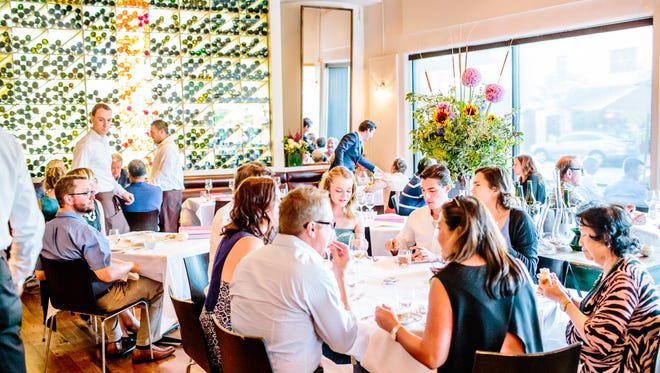
In Chinese restaurant formats, the relationship between kitchen, floor staff, and the person managing the dining room's rhythm is often more visible than in Western tasting-menu environments. Dishes arrive in sequences or simultaneously; the server's role includes explaining the logic of ordering across multiple people; the kitchen's pacing responds to a table's particular composition rather than a fixed progression. That coordination is a functional skill, and restaurants that execute it well tend to hold their clientele even when the menu itself is not dramatically different from competitors.
This team-driven dynamic is where a neighborhood Chinese restaurant can differentiate itself. The floor reads the table, the kitchen responds, and the overall experience benefits from accumulated knowledge of what works for the regulars and what needs to be explained to newcomers. It is a lower-visibility form of hospitality craft than the kind celebrated in the press coverage that surrounds places like Beckon or Brutø.
Denver's Broader Fine-Dining Context
Denver's restaurant scene has matured considerably in the past decade, with several addresses now competing against coastal peers in terms of format and ambition. The Wolf's Tailor and Alma Fonda Fina represent the city's more conceptually driven end, each with a defined point of view and critical recognition to match. Annette operates with a similar degree of intention in its own register. These are restaurants that have absorbed the editorial attention and booking demand that follows awards cycles.
Chinese dining in Denver occupies a different position in that ecosystem, with reputation traveling through community networks and repeat visitors. Particularly durable restaurants in American cities operate entirely outside the awards economy. For comparison, nationally recognized formats like Le Bernardin in New York City or Alinea in Chicago represent the apex of critical attention, but the restaurants that feed a city's actual daily life are rarely in that tier.
Imperial Chinese Restaurant's position in Denver is better understood through that neighborhood-anchored frame than through comparison to the city's fine-dining flagships or to destination Chinese restaurants in cities like San Francisco or New York. The competition is on consistency, familiarity, and value rather than on tasting-menu format or rare ingredient sourcing.
What the South Broadway Location Signals
The specificity of 431 S Broadway is worth noting. South Broadway in Denver carries its own identity: a strip that has absorbed several waves of neighborhood change while retaining a primarily independent commercial character. Restaurants here tend to develop loyal neighborhood followings because the area's residents are accustomed to returning to the same addresses rather than rotating through new openings. That behavioral pattern is favorable for a Chinese restaurant, where the menu depth only becomes legible after multiple visits and where regulars are more likely to order off the beaten path of a laminated menu's first page.
For visitors approaching from elsewhere in Denver, South Broadway is accessible but not a destination corridor in the way that RiNo or the Central Business District tends to be framed for out-of-town guests. It rewards those who are specifically seeking it out. That self-selection tends to produce a more settled dining room, which in turn allows the kind of floor-level hospitality that defines the team dynamic discussed above.
Planning a Visit
The restaurant is a recommended stop for diners seeking authentic Cantonese and Szechuan cooking at about $25 per person. Call ahead before visiting, especially on weekends. Walk-in availability varies considerably by format and time of day.
For Denver visitors building a broader itinerary, the city's range is wide. The Wolf's Tailor and Brutø anchor the contemporary fine-dining end, while Alma Fonda Fina and Annette offer different registers of the same serious-but-approachable cooking that has defined Denver's recent decade. Beckon rounds out the contemporary tasting-menu tier.
Beyond Denver, the broader mountain West and national context includes addresses like Lazy Bear in San Francisco, Single Thread Farm in Healdsburg, Providence in Los Angeles, Addison in San Diego, The French Laundry in Napa, Blue Hill at Stone Barns in Tarrytown, The Inn at Little Washington, Atomix in New York City, Emeril's in New Orleans, and 8 1/2 Otto e Mezzo Bombana in Hong Kong, each representing a different coordinate on the spectrum of what serious restaurant hospitality looks like at scale.
At-a-Glance Comparison
Comparable venues nearby, for context on price, style, and recognition.
| Venue | Cuisine | Price | Notes |
|---|---|---|---|
| Imperial Chinese RestaurantThis venue — the venue you are viewing | Authentic Cantonese & Szechuan Chinese | $$ | Not listed |
| Bao Brewhouse | Creative Chinese Bao and Dumplings | $$ | LoDo |
| Fortune Nong Jia Le | Authentic Shanghainese | $$ | Speer |
| Xiquita | Modern Ancestral Mexican Masa | $$ | North Capitol Hill |
| Cart-Driver LoHi | Italian Pizzeria & Oyster Bar | $$ | Highland |
| Acova | Contemporary American with International Influences | $$ | Highland |
Continue exploring
More in Denver
Restaurants in Denver
Browse all →
Bars in Denver
Browse all →
Hotels in Denver
Browse all →

At a Glance
- Retro
- Elegant
- Classic
- Cozy
- Family
- Group Dining
- Special Occasion
- Private Dining
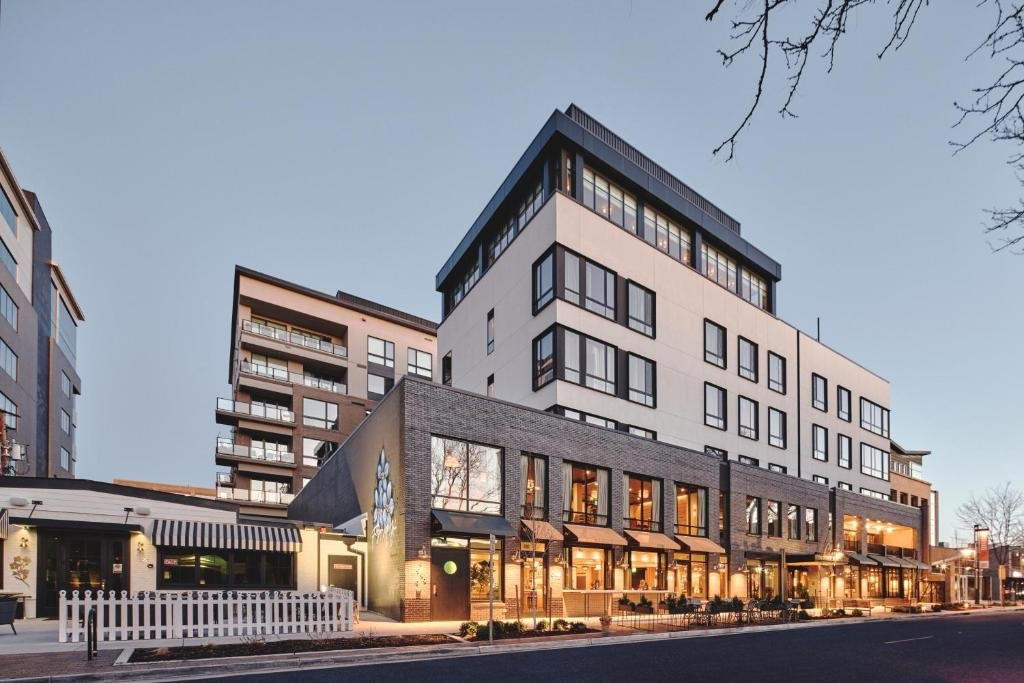
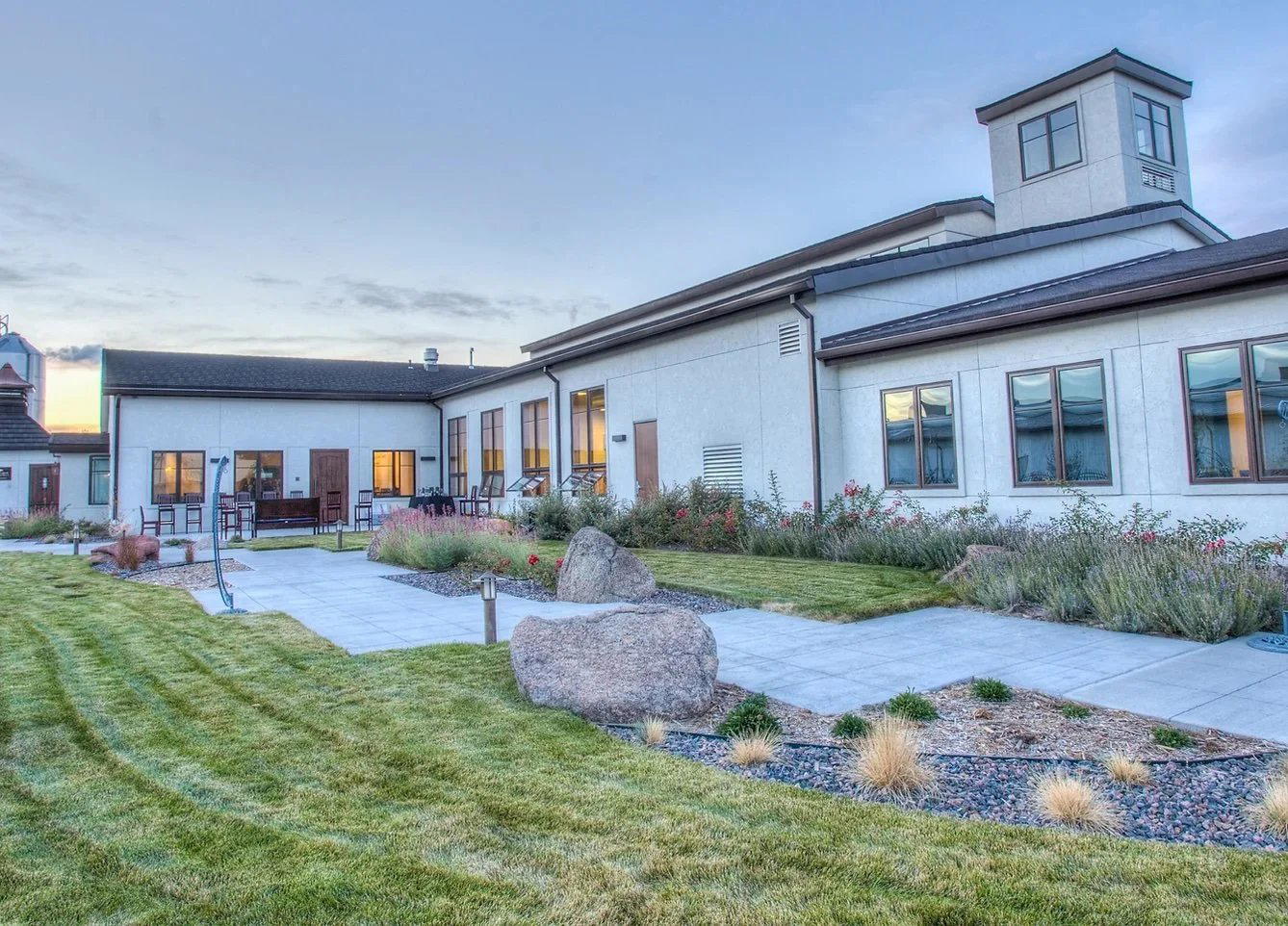
Understated elegance with retro charm and moderate noise, creating an inviting atmosphere for special occasions or intimate evenings.