Impala

National Restaurant Awards Top 100 #15
Our verdict
On Dean Street in Soho, Impala occupies a corner of London's most historically layered dining quarter. The address places it within a few minutes of the capital's flagship fine-dining rooms, yet Soho's character has always rewarded those who look beyond the obvious. What Impala brings to that conversation is worth understanding in the context of the neighbourhood it calls home.

Pearl is the En Primeur Club membership app, where members save venues, book tables and use the concierge.
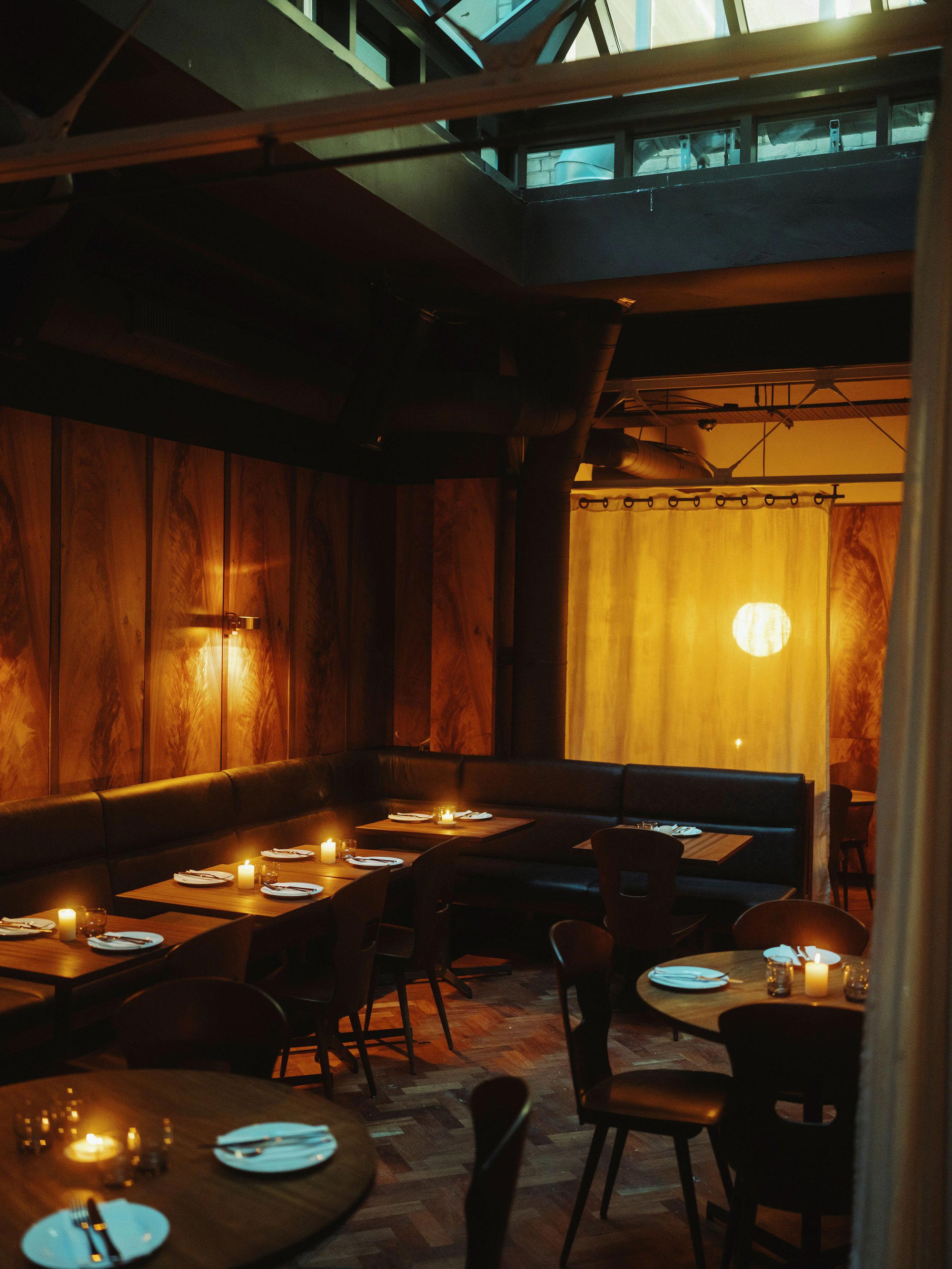
Dean Street and the Soho Dining Tradition
Soho has been London's most contested dining territory for at least a century. Dean Street alone has housed members' clubs, Italian trattorias that fed post-war émigrés, and the kind of late-night rooms where the media industry used to conduct its real business over wine. The street's address history reads like a compressed archive of how the capital's appetite has shifted: from Bohemian canteen to gastropub to the sharper, more deliberate restaurant formats that now dominate the W1D postcode. Impala, at numbers 13 and 14 Dean Street, enters that conversation at a particular moment in Soho's evolution, when the neighbourhood has largely shed its purely transient, tourist-facing layer and started retaining a more considered food audience.
That shift matters for understanding where a venue like Impala sits. Soho's premium dining tier now competes for the same guest who might otherwise head west to CORE by Clare Smyth in Notting Hill or Sketch, The Lecture Room and Library a few streets north on Conduit Street. The argument for staying in Soho is partly neighbourhood energy and partly a specific kind of informality that the more established fine-dining corridors in Mayfair and Chelsea cannot easily replicate.
Sourcing as Premise, Not Decoration
The broader shift in London's serious restaurant sector over the past fifteen years has been away from classical French sourcing hierarchies and toward a more geographically specific British supply chain. What was once a marketing footnote on a menu, a farm name, a county of origin, has in many rooms become the organisational logic of the entire kitchen. Venues across the spectrum, from The Ledbury in Notting Hill to L'Enclume in Cartmel in Cumbria, have built their identity around relationships with producers rather than around classical technique alone. At Moor Hall in Aughton and Midsummer House in Cambridge, the kitchen garden is not a garnish to the dining proposition but its actual centre of gravity.
This context is relevant to reading any contemporary London room that takes its sourcing seriously. The question is no longer whether a restaurant names its suppliers but how deeply those relationships shape what arrives on the plate and when. Seasonality in this model is not a vague gesture toward spring menus in April; it is the constraint that determines what the kitchen can and cannot do on a given week. For a Soho address, that kind of discipline requires a supply chain that can reach a dense urban postcode reliably, which is itself a logistical achievement worth noting when assessing any room operating in the area.
Britain's ingredient geography has expanded considerably as kitchen culture has matured. Heritage breed pork from the southwest, day-boat fish from Cornwall and Scotland, aged beef from small British herds, foraged produce from networks that barely existed two decades ago: these now form a credible alternative to the French and Mediterranean imports that once defined ambition in a London kitchen. Restaurants that have built around this supply model, from Dinner by Heston Blumenthal in its archival British mode to the more pastoral approach at Hand and Flowers in Marlow, have demonstrated that British sourcing at its most considered is a kitchen position with genuine intellectual content, not a compromise.
Dean Street's position within Soho puts Impala in a neighbourhood where the ambient competition is both broad and varied. The street sits close enough to Chinatown to benefit from that quarter's late-night density and close enough to the theatre district to catch a pre- and post-show crowd that has higher expectations than it once did. The peer restaurants that share this micro-geography tend to operate across a range of formats and price points, which gives any room that has a clear identity an advantage: in a street where the offer is genuinely diverse, clarity of concept cuts through.
For comparison at the higher end of London's dining spectrum, rooms like Restaurant Gordon Ramsay in Chelsea and Dinner by Heston Blumenthal in Knightsbridge operate in neighbourhoods where the ambient wealth density supports a different kind of commitment from diners. Soho attracts a more varied crowd, which places different demands on the room: the experience has to work for a wide range of occasions without losing its edge. That is a harder design problem than it looks from the outside, and the rooms on Dean Street that have solved it tend to be the ones with genuine cooking conviction at their centre.
Beyond London, the sourcing-led model has found particularly strong expression at Gidleigh Park in Chagford, Le Manoir aux Quat'Saisons in Oxford, and hide and fox in Saltwood, all of which benefit from direct proximity to their primary ingredient sources. A London room necessarily works at one remove from that immediacy, making the supply chain relationships all the more deliberate when they do exist. Internationally, the model has parallels at Le Bernardin in New York City and Atomix in New York City, where sourcing precision underpins menus built around a specific culinary argument rather than broad palatability. For those interested in the wider British fine-dining map, Restaurant Andrew Fairlie in Auchterarder and Opheem in Birmingham represent the regional depth of a national scene that extends well beyond the capital. The full picture is covered in our full London restaurants guide.
What Dean Street Means for Timing
Soho operates on a different clock to the rest of London's fine-dining geography. Mayfair and Chelsea run on a lunch-and-dinner double shift that leans heavily on the corporate and tourist calendar. Soho, by contrast, picks up speed mid-evening and holds it later. Dean Street specifically benefits from the Soho House proximity effect: a density of creative-industry professionals who eat late and return often. Any room on this stretch that earns a regular following tends to do so through consistency rather than spectacle, because the audience is experienced enough to detect the difference.
Know Before You Go
Address: 13-14 Dean Street, London W1D 3RS
Neighbourhood: Soho, Central London
Nearest Tube: Tottenham Court Road (Central, Northern lines) or Leicester Square (Northern, Piccadilly lines), both within a short walk of Dean Street
Price range:; Dean Street's mid-to-premium Soho tier provides the most useful benchmark
Booking: Contact directly; see FAQ below for advance booking guidance
Hours:; verify before travelling
Frequently asked questions
What do regulars order at Impala?
What the Soho context and Dean Street address do suggest is that rooms in this neighbourhood that build a regular following tend to anchor it around a consistent kitchen identity rather than a rotating headline dish. For the most current picture of what the kitchen is leading with, checking current reviews or contacting the venue directly will give a more accurate read than any static source. For verified signature dish data in London's broader fine-dining tier, [CORE by Clare Smyth](https://www.enprimeurclub.com/restaurants/core-by-clare-smyth-london-restaurant) and [The Ledbury](https://www.enprimeurclub.com/restaurants/the-ledbury-london-restaurant) both have well-documented menus available through the EP Club venue records.
Should I book Impala in advance?
Dean Street operates at high footfall density for most of the week, and Soho specifically peaks on Thursday through Saturday evenings when theatre, media, and hospitality crowds converge on the same postcodes. If the room has earned recognition in that environment, walk-in availability on prime evenings is unlikely. For highly decorated London rooms where advance planning is explicitly necessary, [Sketch, The Lecture Room and Library](https://www.enprimeurclub.com/restaurants/sketch-the-lecture-room-and-library-london-restaurant) and [Restaurant Gordon Ramsay](https://www.enprimeurclub.com/restaurants/restaurant-gordon-ramsay-london-restaurant) both require bookings well in advance, providing a useful calibration point for the wider market.
What kind of dining experience does Impala offer compared to other Soho restaurants?
The Dean Street address places Impala within Soho's most historically layered dining corridor, a stretch that has housed everything from Italian family restaurants to members' clubs since the mid-twentieth century. Within that context, a room operating at 13-14 Dean Street competes in a neighbourhood where format clarity and ingredient conviction tend to define the rooms that persist. For diners building a London itinerary that spans neighbourhood character and culinary tradition, Soho offers a different register to the Mayfair or Chelsea fine-dining axis, and Dean Street sits at that neighbourhood's most concentrated point. [Our full London restaurants guide](https://www.enprimeurclub.com/cities/london) maps the wider scene across all central London quarters.
Accolades, Compared
Comparable venues nearby, for context on price, style, and recognition.
| Venue | Cuisine | Price | Awards | Notes |
|---|---|---|---|---|
| ImpalaThis venue (the venue you are viewing) | Modern North African Grilling | $100–150 | National Restaurant Awards Top 100 #15 | Not listed |
| Coal Office | Modern Middle Eastern | $50–100 | Not listed | King's Cross |
| Em Sherif | Refined Lebanese Fine Dining | $150–200 | Not listed | Knightsbridge |
| Claridge's Restaurant | Contemporary British Fine Dining | $100–150 | AA Rosettes 3 Rosettes | Mayfair |
| Ottolenghi Chelsea | Modern Middle Eastern Deli | $20–30 | Not listed | Sloane Square |
| The Georgian at Harrods | Classic British Fine Dining | $100–150 | Not listed | Brompton |
Recognition history
Dated appearances from independent guides and award organizations, with the underlying list record or original source where available.
National Restaurant Awards Top 100 #15 · No. 15
National Restaurant Awards · 2026 National Restaurant Awards Top 100
Continue exploring
More in London
Restaurants in London
All restaurants in London →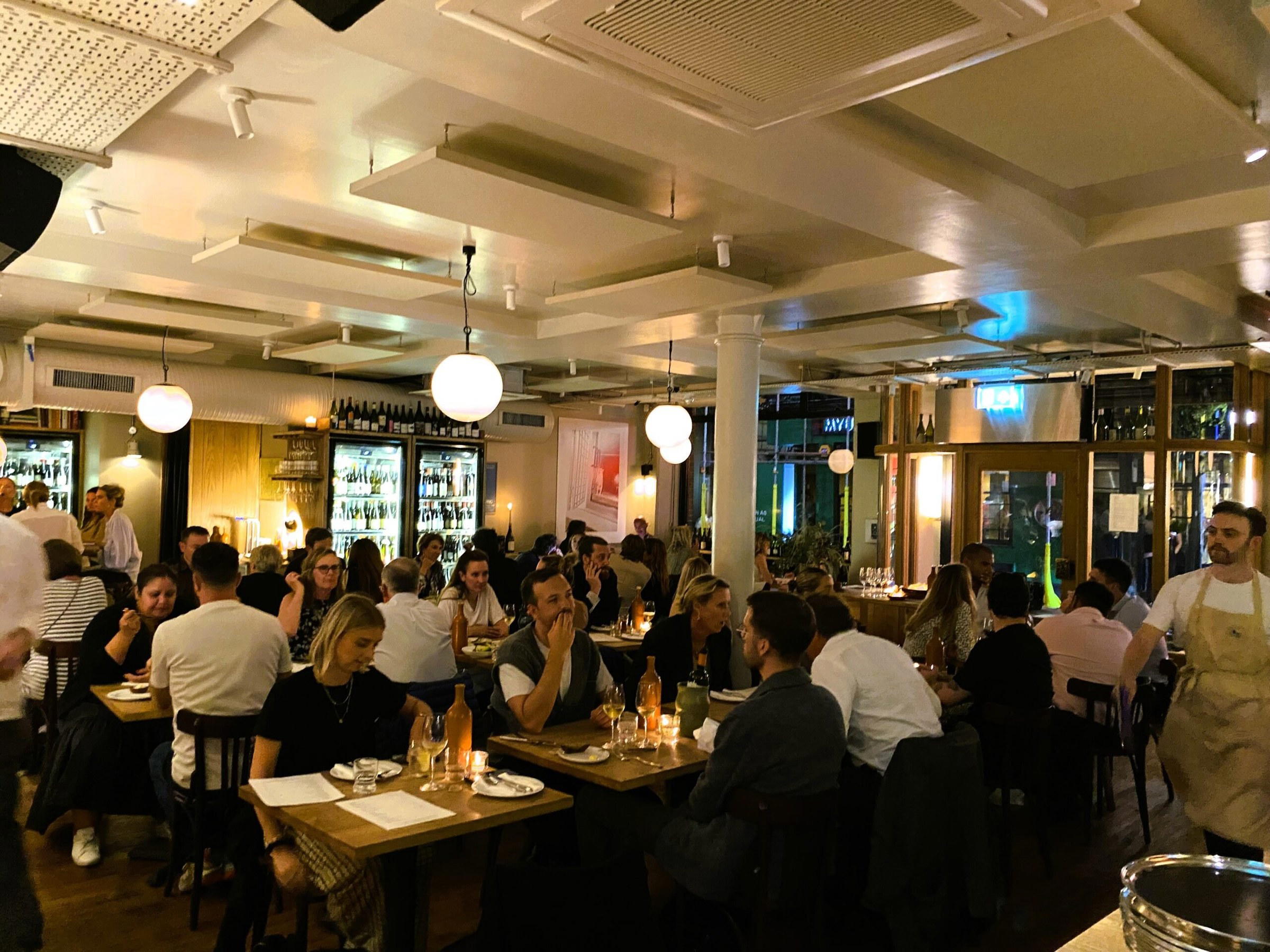
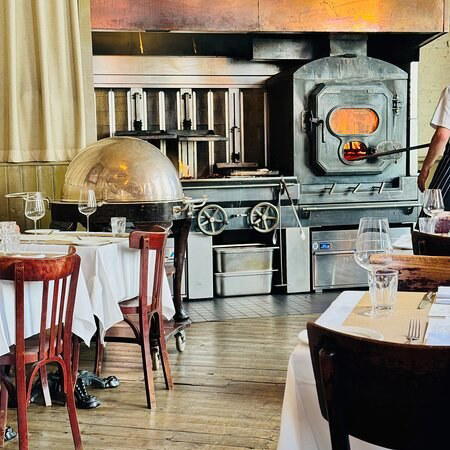
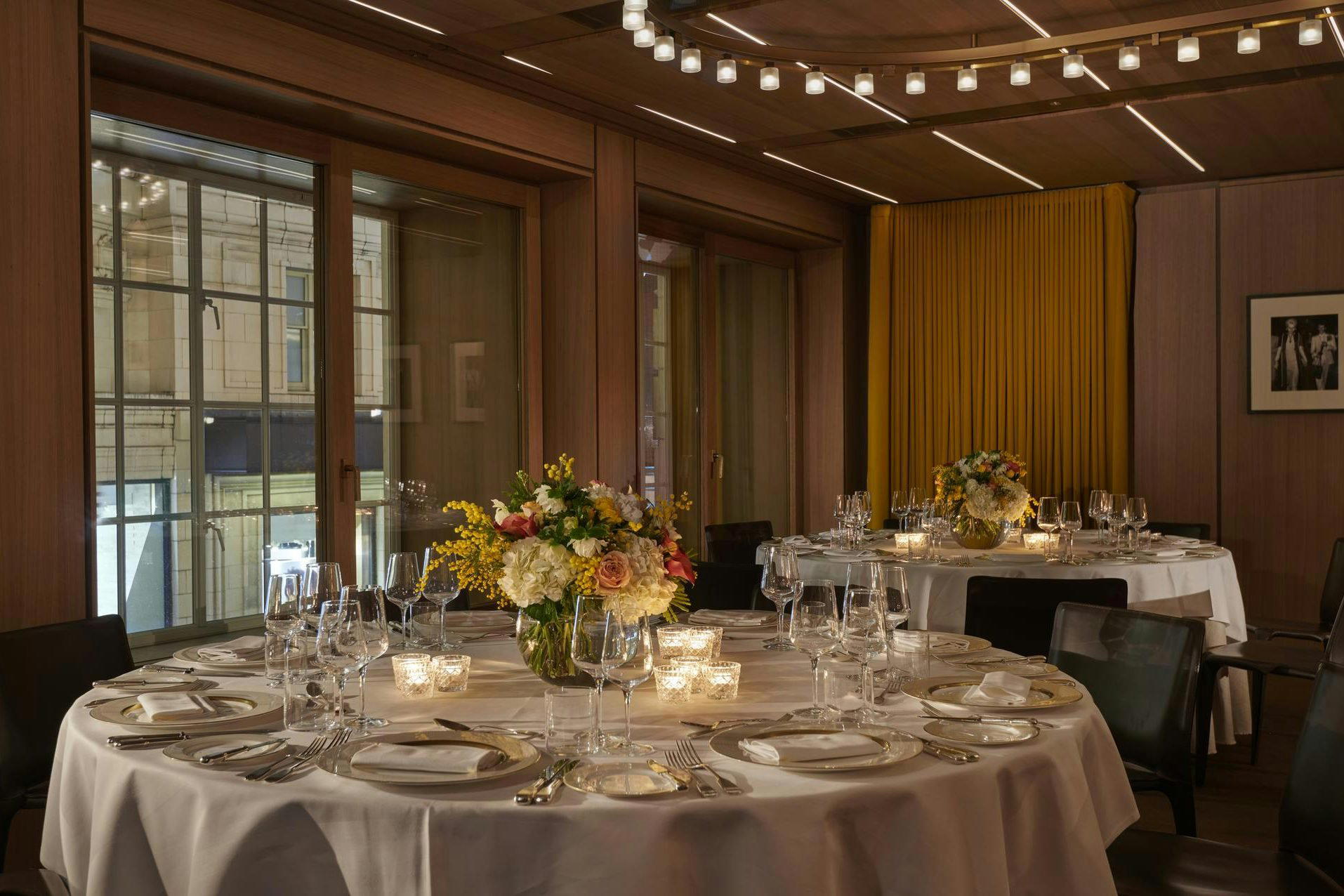
Bars in London
All bars in London →


Details
- Lively
- Trendy
- Energetic
- Date Night
- Special Occasion
- Open Kitchen
- Natural Wine
- A La Carte
- Small Plates
Current opening hours
- Monday
- 12–3 PM, 5–10:30 PM
- Tuesday
- 12–3 PM, 5–10:30 PM
- Wednesday
- 12–3 PM, 5–10:30 PM
- Thursday
- 12–3 PM, 5–10:30 PM
- Friday
- 12–3 PM, 5–10:30 PM
- Saturday
- 12–3 PM, 5–10:30 PM
- Sunday
- Closed
Hours can change for holidays and private events. Last verified .
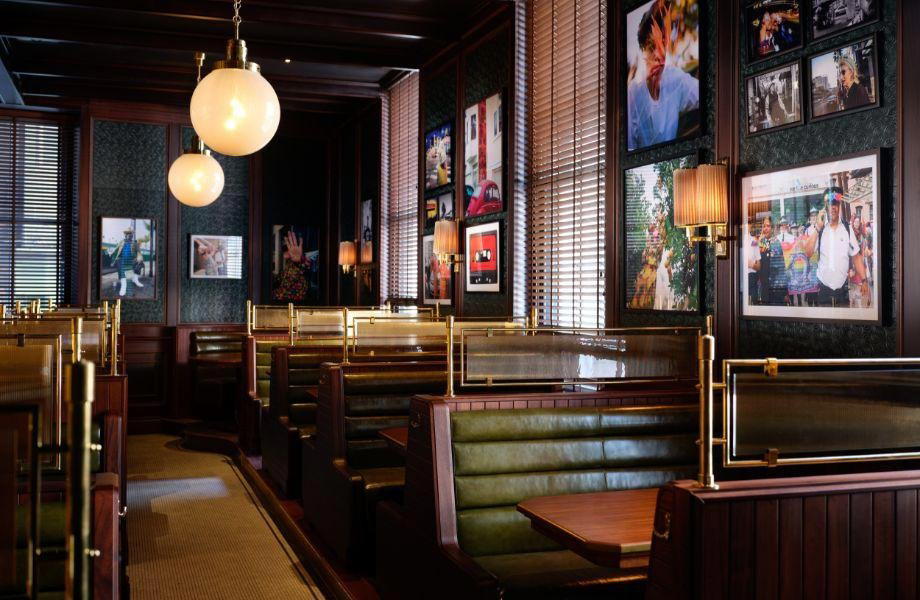
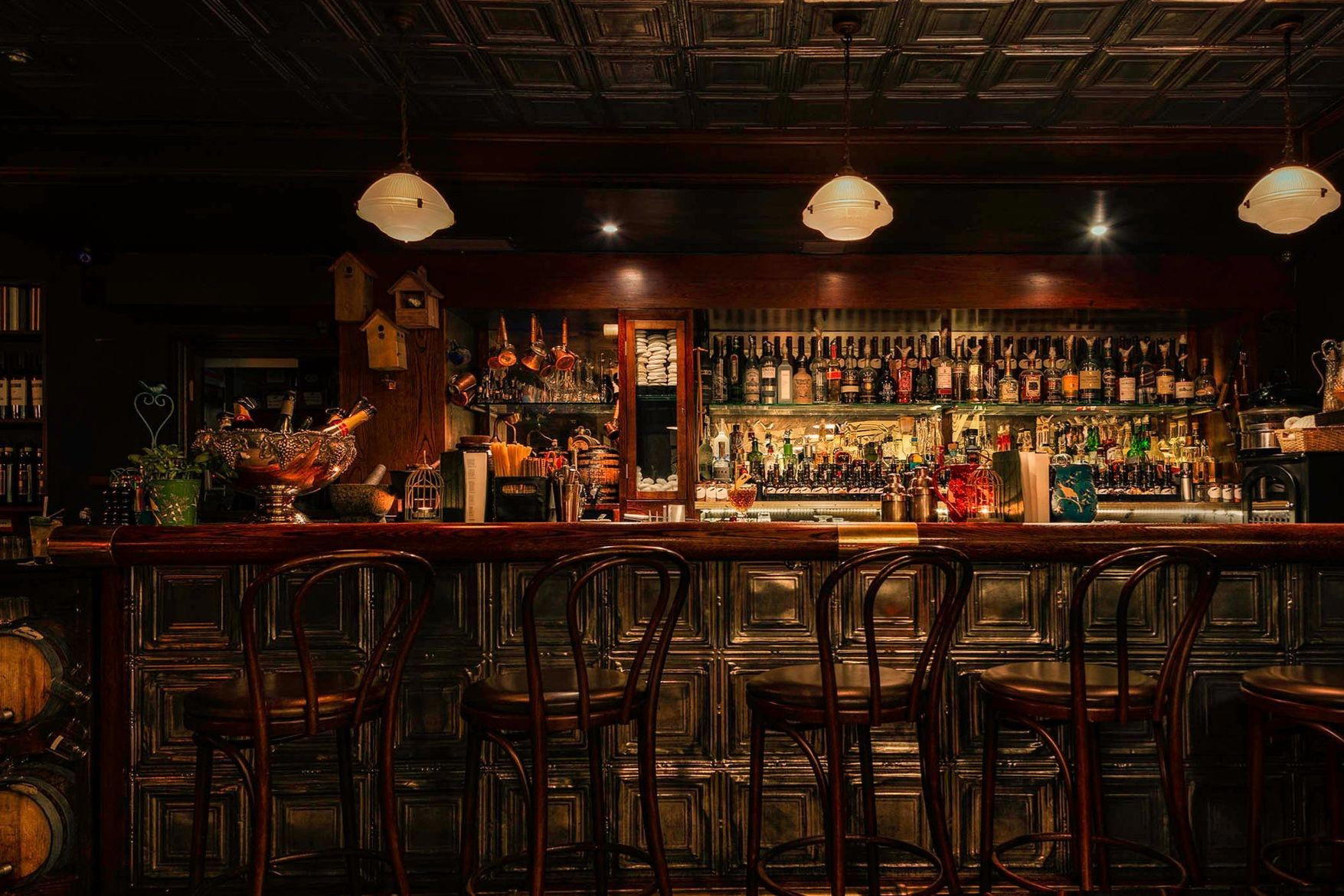
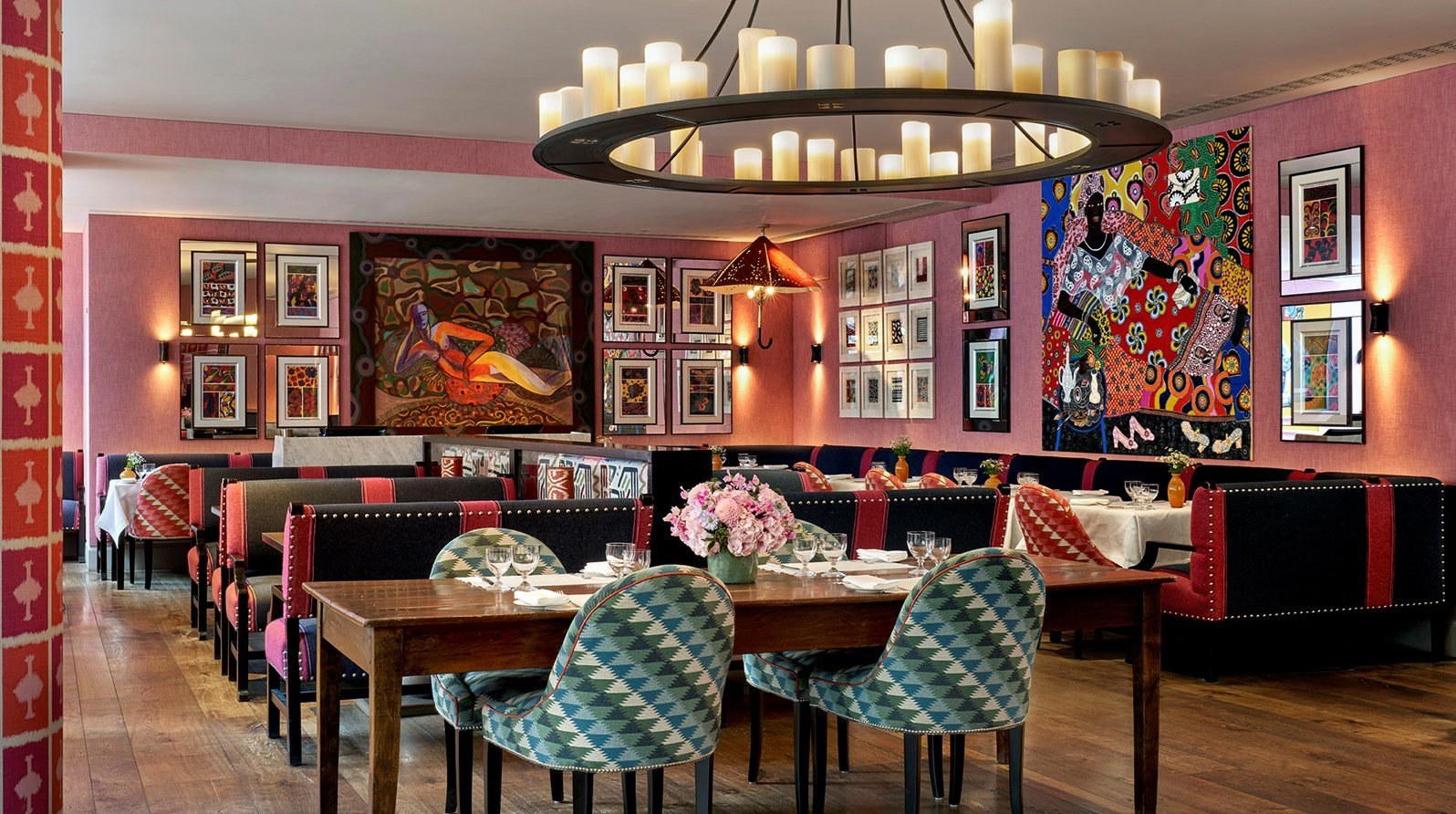
Energetic atmosphere recalling Cairo Friday markets colliding with a Soho bar, featuring an open wood oven and grill.