Claridge's Restaurant

AA Rosettes 3 Rosettes
Our verdict
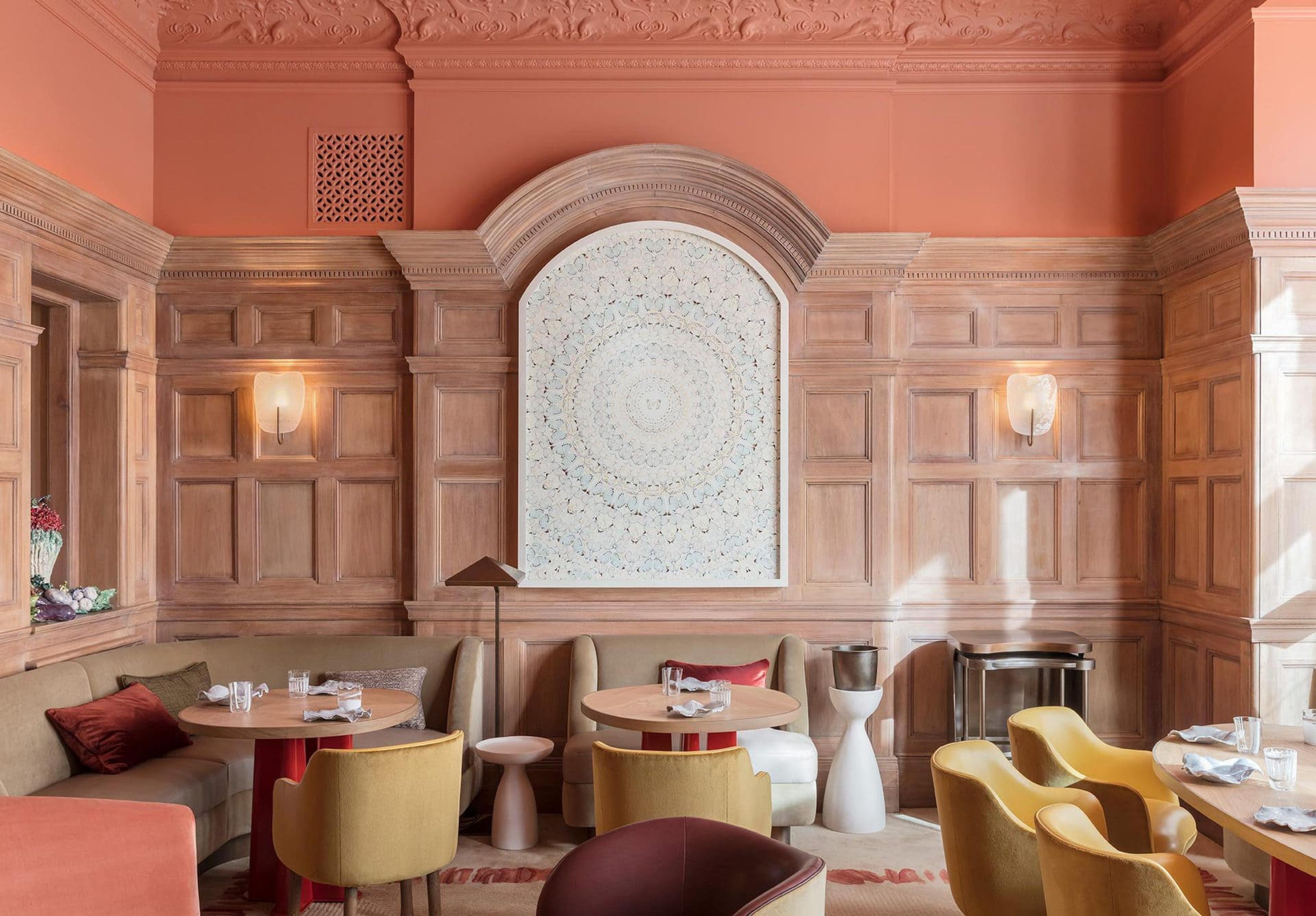
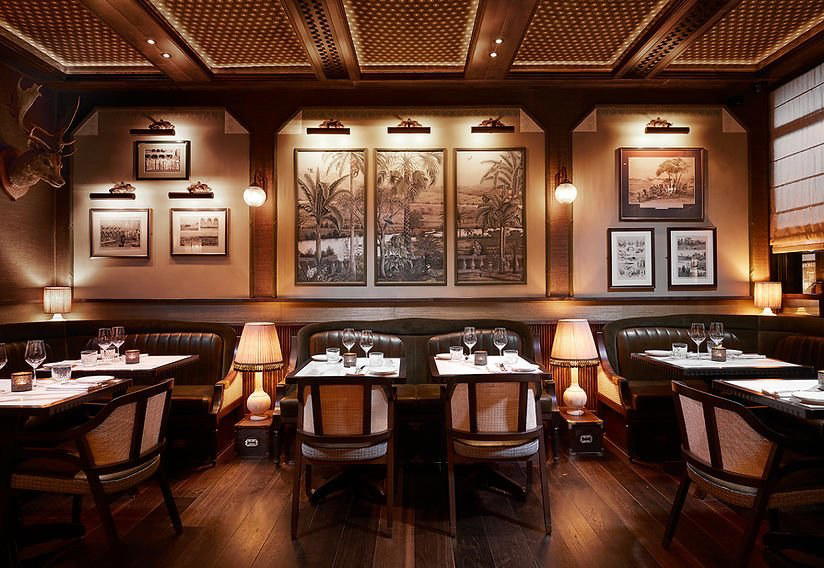
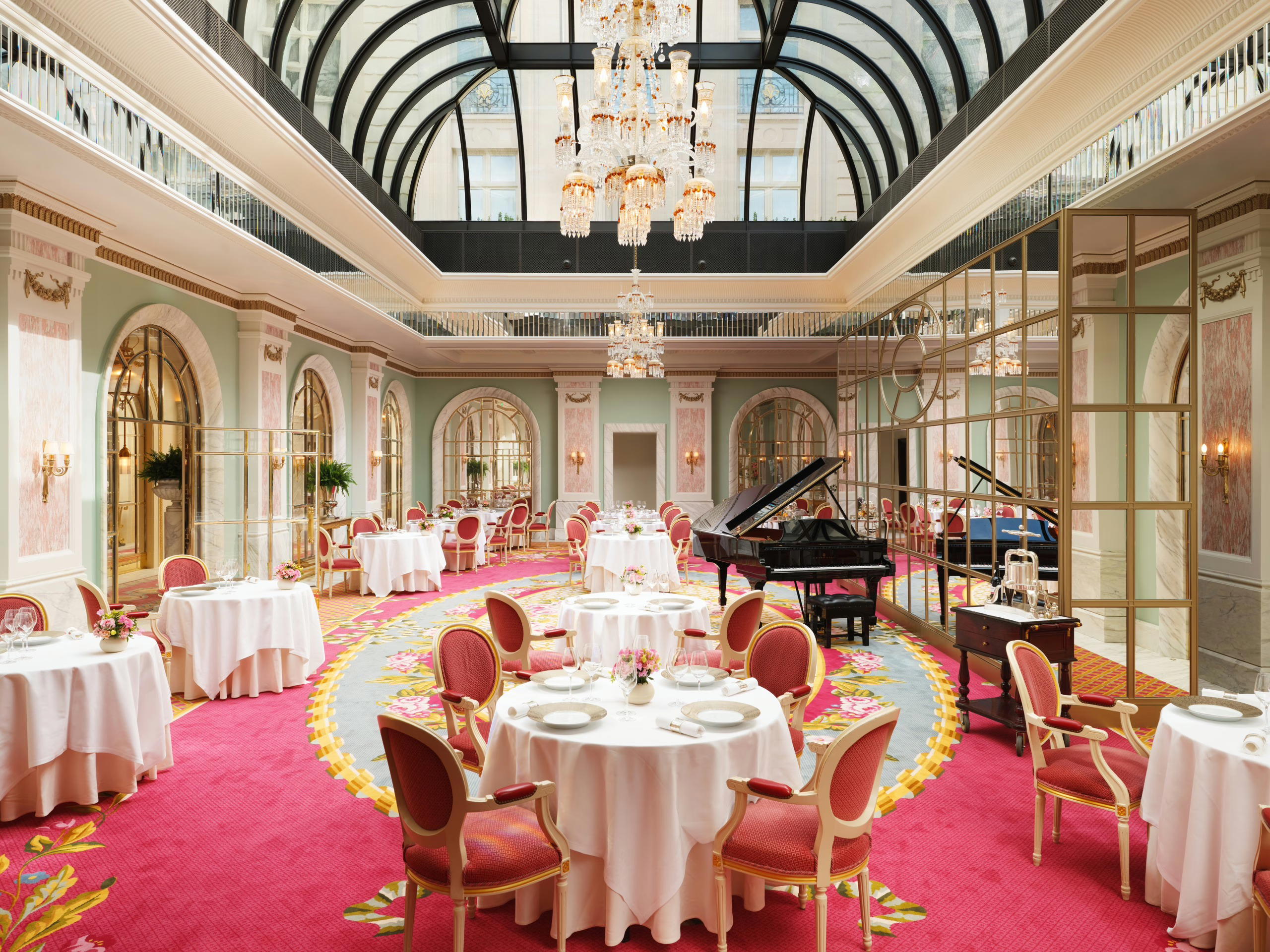
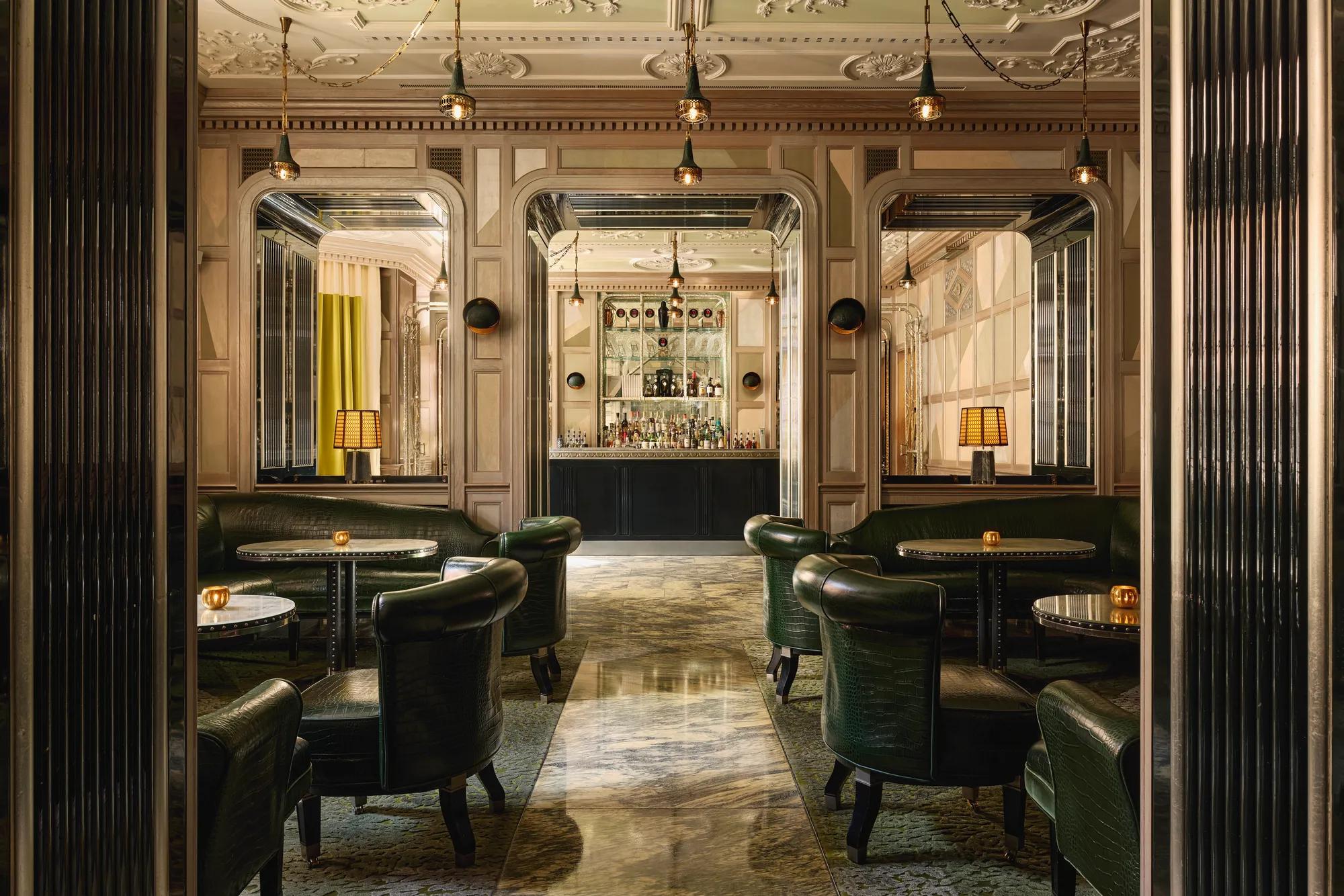
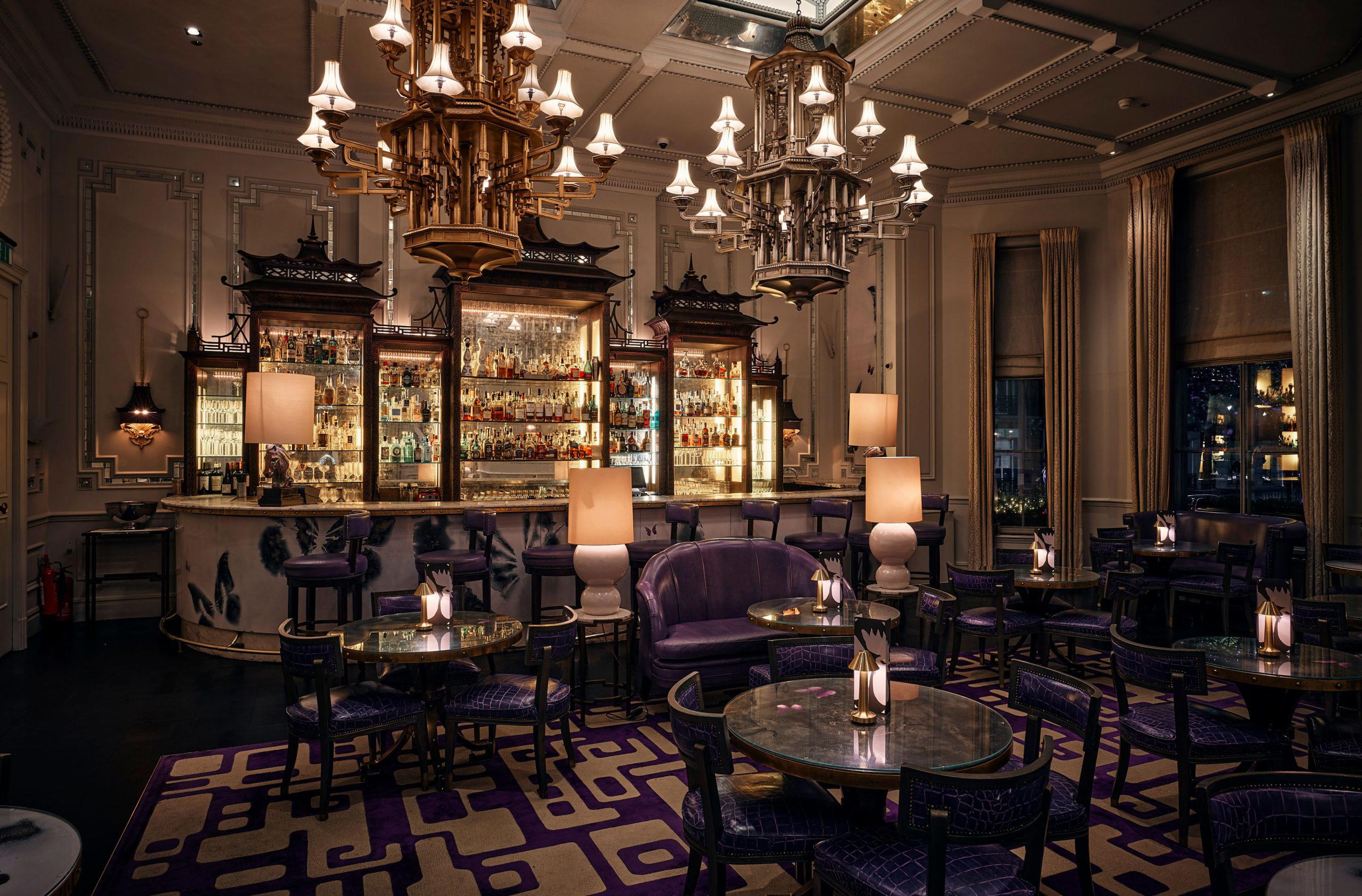
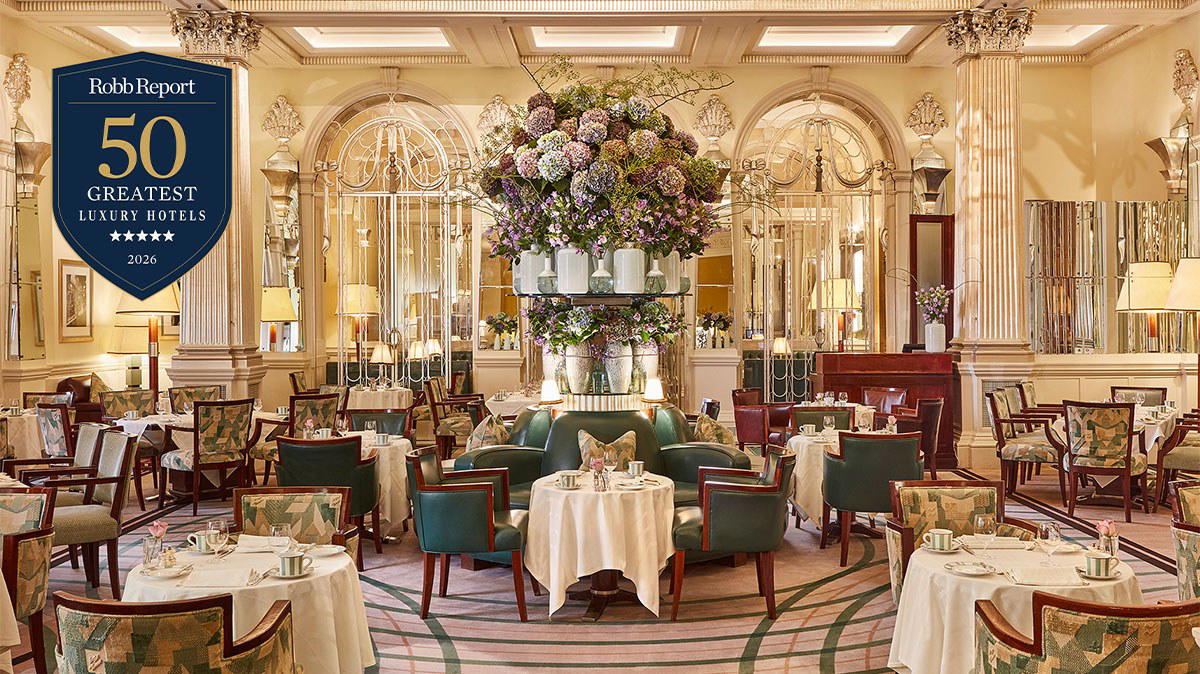
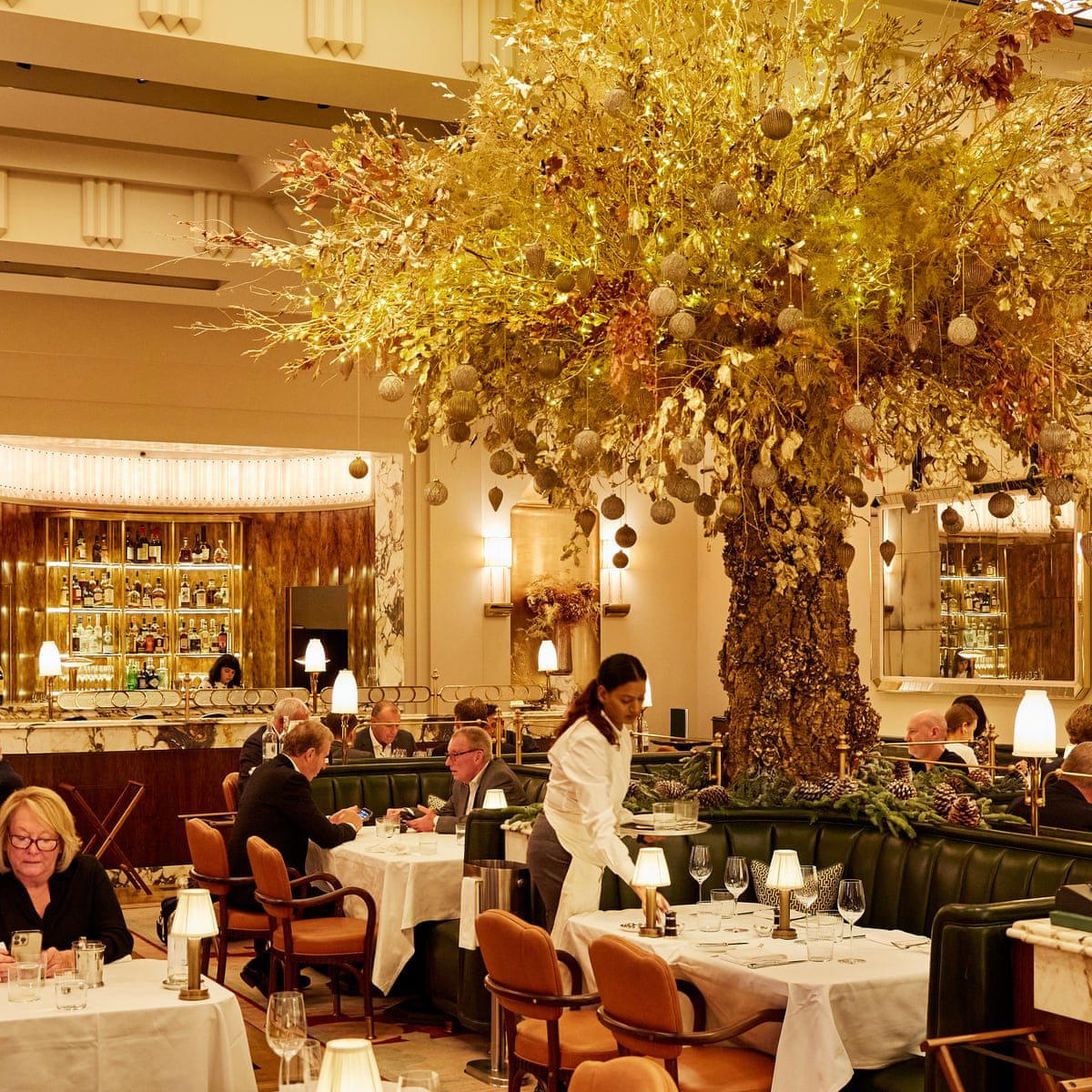
Few hotel restaurants in London carry the institutional weight of Claridge's Restaurant, where Art Deco surroundings and a century of notable guests set expectations that the kitchen has had to repeatedly rise to meet. Positioned at the top of Mayfair's dining tier, it sits alongside three-Michelin-star neighbours in the city's most competitive postcode for formal dining, making it a reliable benchmark for London's grand hotel restaurant tradition.

Pearl is the En Primeur Club membership app, where members save venues, book tables and use the concierge.
The menu
What to order
- Black Truffle Crumpets
- Claridge's Fish Pie with Scottish Langoustine
- Dover Sole Meunière
- Tomahawk Herefordshire Steak
- Lobster Wellington
- Chocolate Soufflé Tart
The Grand Hotel Restaurant and What It Has Become
London's grand hotel dining rooms occupy a particular position in the city's food culture: they are simultaneously the most scrutinised and the most resilient category. They absorb chef changes, ownership shifts, and generational taste cycles without disappearing, because the room itself, the architecture, the address, the inherited clientele, carries weight that a standalone restaurant rarely accumulates in under a decade. Claridge's Restaurant, sitting inside one of Mayfair's most recognised addresses on Brook Street, is perhaps the clearest example of this dynamic in the city.
The tension at the heart of grand hotel dining is between preservation and reinvention. Too much of the former and the room becomes a museum; too much of the latter and it alienates the guests who chose it precisely for its continuity. The restaurants that resolve this tension most effectively are the ones worth tracking over time, and Claridge's has cycled through both extremes, periods of conservative stasis followed by sharp pivots toward contemporary kitchen talent, in a pattern that mirrors the broader evolution of London's fine dining tier.
Mayfair at the top of the Price Bracket
The neighbourhood context matters here. Mayfair's restaurant concentration at the ££££ price tier is among the densest in Europe. Within a short radius of Brook Street, diners can choose from three-Michelin-star counters including Sketch, The Lecture Room and Library and Restaurant Gordon Ramsay, alongside younger establishments that have moved quickly up the recognition ladder.
That competitive reality is what has driven the most significant shifts in how Claridge's has approached its dining programme over the past two decades. The era of hotel restaurants coasting on room rates and captive hotel guests is largely over in this postcode. The Mayfair diner who walks in from the street, rather than from the elevator, has options that include CORE by Clare Smyth and The Ledbury, both of which have built their reputations entirely on food rather than heritage. A hotel dining room competing in that company has to commit to the same level of seriousness.
The Reinvention Pattern in London Hotel Dining
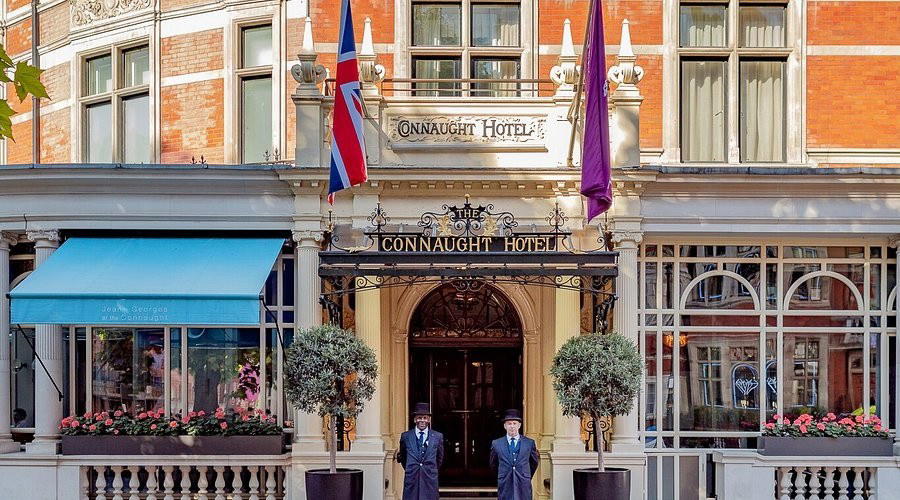
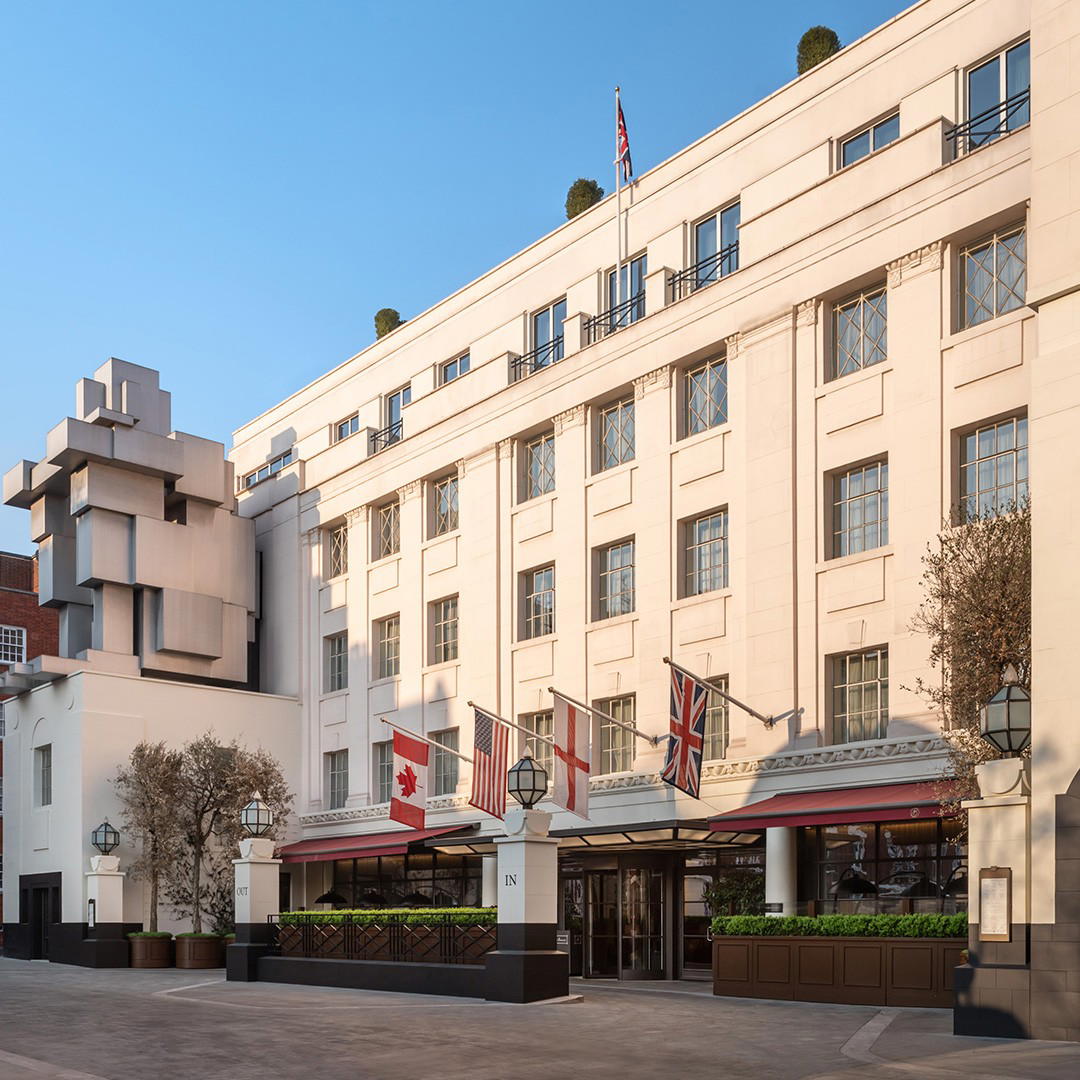
The evolution of Claridge's Restaurant reflects a wider pattern in London hotel dining that accelerated after 2010. The Connaught, Claridge's sister property under the same Maybourne ownership, repositioned its dining programme around a single ambitious kitchen identity with sustained Michelin recognition. The Berkeley did similar work. These moves created pressure on Claridge's to define a clear culinary direction rather than offering the broad, serviceable menu that had historically served both hotel guests and business lunchers without strongly committing to either.
The approach that has followed, cyclically bringing in high-profile kitchen talent, then recalibrating around the room's own requirements, is not unique to this address. Dinner by Heston Blumenthal at the Mandarin Oriental demonstrated that a hotel restaurant could carry a genuine conceptual identity without sacrificing commercial breadth, and that model has influenced how several London hotel kitchens think about positioning. The question for any grand hotel dining room is whether the concept serves the room or the room serves the concept. At Claridge's, the Art Deco interior has historically driven the answer.
Outside London, the reinvention challenge looks different in scale but similar in structure. Gidleigh Park in Chagford has navigated comparable transitions within a country house format, as has the wider cohort of destination restaurant hotels that includes L'Enclume in Cartmel and Moor Hall in Aughton. The difference is that those properties built their identities around a single kitchen voice from early on, rather than inheriting a century of accumulated expectation.
Seasonal Weight and When to Visit
The search data for Claridge's Restaurant peaks in January, February, November, and December, a pattern consistent with the room's dual role as a formal celebration destination and a winter refuge of a specific Mayfair type. The period from mid-November through early January is when the Art Deco dining room carries its most deliberate character: seasonal menus tend toward richer preparations, and the room operates at the kind of atmospheric density that the space was designed to sustain. Booking pressure in this window is higher than at any other point in the year, and the hotel's position as a preferred address for visiting international guests during the London winter adds to that concentration.
February is the second peak, driven partly by Valentine's Day volumes but also by the post-January period when London's dining audience returns from winter breaks and moves back into formal dining mode. For diners who want the full expression of what the room offers without the December intensity, this window often delivers without as much advance planning pressure.
Placing Claridge's in the Broader Dining Reference Set
For readers building a picture of where Claridge's Restaurant sits relative to London's wider restaurant tier, the reference points worth holding in mind are the three-Michelin-star properties that represent the city's critical ceiling. CORE by Clare Smyth and Sketch, The Lecture Room and Library define what dedication to a single culinary identity looks like at the top of the market. Claridge's competes partly on that basis and partly on something those restaurants cannot replicate: the accumulated social history of the room itself.
Internationally, the closest analogues are grand hotel restaurants that have had to reinvent themselves inside historically significant spaces while competing against a new generation of purpose-built fine dining. Le Bernardin in New York City occupies a comparable tier in terms of longevity and expectation management, though its format has always been more focused. Atomix in New York City represents the opposite end: a counter-format restaurant with no inherited atmosphere, building recognition entirely through kitchen output. Both are instructive as comparisons precisely because they illustrate the range of approaches available to a serious restaurant, and how different the pressures are when you inherit a room versus build one.
For readers planning around the broader British dining scene, the full landscape from London into the regions is worth consulting: The Fat Duck in Bray, Hand and Flowers in Marlow, and hide and fox in Saltwood each offer a counterpoint to the London hotel dining room model. See our full London restaurants guide, full London hotels guide, full London bars guide, full London wineries guide, and full London experiences guide for the wider picture.
Planning Your Visit
Claridge's Restaurant is located at Claridge's, Brook Street, London W1K 4HR. The hotel sits in the core of Mayfair, within walking distance of Bond Street station. Booking demand is highest from November through February; reservations made well in advance are advisable during these months. The room operates within the Maybourne Hotel Group's property and maintains the dress standards and service register associated with a formal Mayfair dining room.
Frequently asked questions
What's the address for Claridge's Restaurant?
Claridge's Restaurant is located at Claridge's, Brook St, London W1K 4HR, United Kingdom, London.
Is Claridge's Restaurant suitable for a special occasion dinner in London?
The Brook Street address in Mayfair places Claridge's Restaurant among the handful of London dining rooms where the hotel setting is itself the occasion framework. Search interest peaks in December and January, reflecting strong demand from both visitors and locals around celebratory periods. The room's longevity within London's hotel dining tier gives it a contextual weight that newer openings in the neighbourhood have not yet accumulated.
What do people recommend at Claridge's Restaurant?
Claridge's Restaurant sits on Brook Street in the core of Mayfair, where the dining room draws as much attention for the room itself as for the food. Visitors consistently flag the formal lunch and dinner sittings as the occasions worth reserving ahead. The winter period from November through February sees the heaviest demand, aligning with the room's dual function as a destination for hotel guests and London residents marking significant occasions.
What's the best way to book Claridge's Restaurant?
Booking directly through Claridge's hotel is the standard route, given the restaurant operates within the property at Brook Street, London W1K 4HR. Demand peaks sharply in November, December, January, and February, so reservations made several weeks in advance are advisable during those months. Outside peak season, lead times shorten, but the room's profile in Mayfair means availability is rarely open on short notice for preferred sittings.
What's Claridge's Restaurant best at?
The room holds a specific position in London hotel dining: it functions as a formal occasion anchor in a neighbourhood where Mayfair's ££££ restaurant concentration is among the densest in Europe. What it does consistently is deliver the full grand hotel register, space, service cadence, and setting, rather than competing on the chef-driven tasting menu terms that define nearby competitors. For readers benchmarking against the broader London reference set, it sits alongside The Connaught's dining room as a hotel-rooted alternative to the city's standalone fine dining tier.
The Quick Read
Comparable venues nearby, for context on price, style, and recognition.
| Venue | Cuisine | Price | Awards | Notes |
|---|---|---|---|---|
| Claridge's RestaurantThis venue (the venue you are viewing) | Contemporary British Fine Dining | $100–150 | AA Rosettes 3 Rosettes | Not listed |
| Corenucopia | Modern British Bistro | $100–150 | 1 Michelin Star | Belgravia, Modern British Bistro |
| Francatelli | Modern British Fine Dining | $100–150 | Not listed | St. James's, Modern British Fine Dining |
| Dartmouth House | Modern British Fine Dining | Not listed | Not listed | Mayfair, Modern British Fine Dining |
| Alyn Williams at the Westbury | Modern British Fine Dining | $150–200 | Not listed | Mayfair, Modern British Fine Dining |
| Cafe Royal Ten Room Brasserie | Not listed | Not listed | Not listed | Piccadilly Circus, Classic British Brasserie |
Recognition history
Dated appearances from independent guides and award organizations, with the underlying list record or original source where available.
AA Rosettes 3 Rosettes
AA Rosettes