
50 Top Pizza Latin America #16
Our verdict
Imilla Alzada sits on Calle Alvares Plata in La Paz, where Bolivia's high-altitude food revival is doing some of its most considered work. The kitchen draws on Andean culinary tradition at a moment when the city's dining scene is reasserting indigenous ingredients and pre-colonial cooking logic as a serious framework, not a footnote.

Pearl is the En Primeur Club membership app, where members save venues, book tables and use the concierge.
Andean Cooking at Altitude: The Context Around Imilla Alzada
La Paz operates at over 3,600 metres above sea level, and the city's most interesting restaurants have spent the past decade turning that geographic fact into a culinary argument. The altitude shapes ingredient availability, fermentation behaviour, and the slow-cooking traditions that sustained Aymara and Quechua communities across the altiplano for centuries. Into that context, a cluster of kitchens has emerged that treats Bolivian culinary heritage not as folklore to be preserved behind glass but as a living technical system worth building on. Imilla Alzada, on Calle Alvares Plata No. 50, belongs to that conversation.
The name is instructive. Imilla is an Aymara word for a young Indigenous girl, and the framing signals something about the restaurant's orientation before you have read a single dish description: this is a kitchen that anchors itself in Andean identity rather than in European culinary grammar. That positioning places Imilla Alzada in a specific tier of La Paz dining, alongside restaurants like Ancestral and Cardón, where the subject of the cooking is Bolivia itself.
The Scene on Calle Alvares Plata
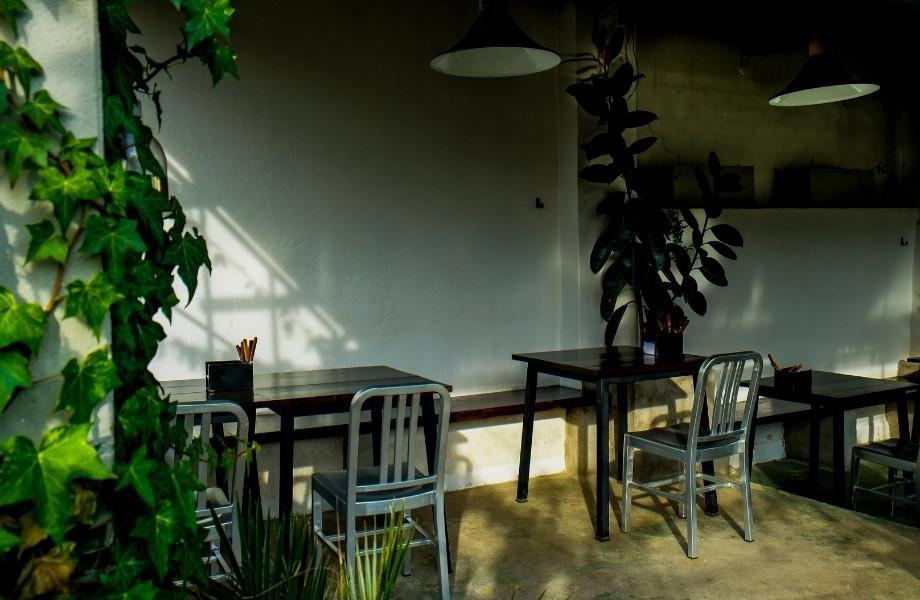
La Paz's dining geography has shifted in the past few years. The neighbourhood around Sopocachi and the streets feeding off the Prado have accumulated a critical density of restaurants working at the intersection of traditional Bolivian technique and modern kitchen discipline. Calle Alvares Plata sits within that orbit, and the physical approach to Imilla Alzada carries the understated register common to La Paz's more serious addresses: the city does not do loud exteriors at this level. The signal is in the restraint.
Inside, the atmosphere belongs to the category of deliberate spaces that La Paz has produced as its dining ambition has grown. The interior choices communicate cultural intention rather than generic hospitality warmth. That is a pattern visible across the city's more considered restaurants, from Comedor HRP to Arami, where the room is treated as an argument about place, not merely as backdrop.
Indigenous Ingredients as the Technical Framework
Bolivia has one of the most diverse agricultural portfolios in South America. The country encompasses Amazonian lowlands, Andean highlands, and the transitional yungas valleys, each producing ingredients with limited distribution beyond their home regions. Chuño, the freeze-dried potato developed by pre-Inca cultures using the altiplano's extreme diurnal temperature swings, is a canonical example: a preservation technique that doubles as a flavour transformation. Quinoa, now familiar internationally, grows here across dozens of varieties with meaningfully different texture and bitterness profiles. Locoto peppers, oca, papalisa, and a range of native tubers complete a pantry that European culinary traditions have barely touched.
The serious Bolivian kitchens operating in La Paz right now treat this pantry as their primary technical material rather than as garnish or gesture. That approach connects them to a broader South American movement visible at venues like Proyecto Nativa in Sucre and Sach'a Huaska in Porongo, and, at a regional scale, to the conversation that Gustu in La Paz helped catalyse over a decade ago. Imilla Alzada operates within that lineage while maintaining its own cultural specificity.
For context on how high-altitude Andean cooking compares to the precision-driven tasting formats at, say, Atomix in New York City or the classical French architecture of Alain Ducasse at Louis XV in Monte Carlo, the differences are structural, not merely stylistic. Andean cooking logic is built around altitude, preservation, and communal eating rhythms rather than around the service formalism or knife-work hierarchies that define European and East Asian fine dining categories. Venues like Alinea in Chicago or Le Bernardin in New York City operate inside deeply codified traditions; Imilla Alzada is part of a generation still building the codification for what Bolivian serious dining looks like on its own terms.
Within La Paz, the kitchens working closest to Imilla Alzada's register include Agricole Cocina de Campo, which applies field-to-table logic to Bolivian produce, and Ancestral, whose name makes explicit the same cultural orientation. The emergence of this cohort represents a structural shift in how La Paz positions itself internationally. A city that was previously underrepresented in serious food travel coverage is now producing restaurants with a distinct culinary argument: that the Andes have a cooking tradition as technically rigorous and historically deep as any in the world, and that the raw materials to demonstrate it are already there.
Beyond La Paz, that argument extends to Bolivia's other culinary territories. Casa Charo in Samaipata works the lowland end of the country's geographic range; Proyecto Nativa in Sucre operates in the colonial heartland. The diversity across these addresses reflects how varied Bolivia's culinary geography actually is, and how much of it remains underdocumented in international food media.
Planning Your Visit
Imilla Alzada is located at Calle Alvares Plata No. 50 in La Paz. For visitors arriving from international hubs, El Alto International Airport sits at 4,061 metres, and the altitude adjustment period is a practical consideration before any serious dining: the body's appetite and digestion both shift in the first 24 to 48 hours above 3,500 metres. For a broader read on where Imilla Alzada fits within the city's full dining range, our full La Paz restaurants guide maps the relevant peer addresses across cuisine type and price tier.
Frequently asked questions
Is Imilla Alzada a family-friendly restaurant?
Imilla Alzada's address on Calle Alvares Plata No. 50 places it in a neighbourhood that draws a mixed local and visitor crowd. The kitchen's focus on Bolivian indigenous ingredients and Andean cooking technique leans toward an engaged dining format rather than a casual family meal. Families with older children interested in Bolivian culinary culture will find more to anchor the visit than those with very young children.
What's the vibe at Imilla Alzada?
The atmosphere reflects La Paz's shift toward restaurants that treat Andean geography and indigenous agriculture as serious culinary frameworks rather than decorative themes. Expect a focused, chef-driven environment on Calle Alvares Plata where the food does the heavy lifting. This is not a backdrop-for-cocktails venue.
What makes Imilla Alzada different from other Andean restaurants in La Paz?
Imilla Alzada's location on Calle Alvares Plata No. 50 puts it inside the cluster of La Paz restaurants that have spent the past decade treating altitude and indigenous Bolivian agriculture as a culinary identity rather than a regional footnote. Where many Andean restaurants in the city work from a broad South American playbook, Imilla Alzada orients its cooking specifically around Bolivia's own ingredient geography, from highland tubers to Amazonian lowland produce.
What should I eat at Imilla Alzada?
The kitchen draws on Bolivia's agricultural range across Amazonian lowlands, Andean highlands, and the tropical valleys in between, which gives the menu access to ingredients unavailable at this concentration in most South American cities. Dishes built around native tubers, highland grains, and lowland produce from that portfolio are the reason to visit. Specific current menu items are best confirmed directly with the restaurant before your visit.
How do I find Imilla Alzada?
Imilla Alzada is located at Calle Alvares Plata N°50, La Paz, Bolivia, La Paz.
How far ahead should I plan for Imilla Alzada?
Booking at least one to two weeks ahead is sensible, particularly if your travel dates are fixed. Contact details are best sourced via current local reservation platforms or the restaurant directly.
What is Imilla Alzada known for?
Imilla Alzada is identified with Andean cooking that uses Bolivia's indigenous agricultural diversity as its primary technical and creative framework, rather than European or fusion reference points. The restaurant operates in La Paz at over 3,600 metres, a context that shapes both ingredient sourcing and the overall approach to the food. Within the city's dining scene, it occupies a position alongside kitchens like Agricole Cocina de Campo in taking Bolivian produce seriously on its own terms.
Cost and Credentials
Comparable venues nearby, for context on price, style, and recognition.
| Venue | Cuisine | Price | Awards | Notes |
|---|---|---|---|---|
| Imilla AlzadaThis venue (the venue you are viewing) | Craft Pizza & Brewery | $1–10 | 50 Top Pizza Latin America #16 | Not listed |
| Phayawi | Traditional Bolivian Cuisine | Not listed | The Best Chef One Knife | Southern zone, Traditional Bolivian Cuisine |
| Sabor Clandestino | Modern Bolivian Sensory Fusion | $50–100 | Not listed | Sopocachi, Modern Bolivian Sensory Fusion |
| La Rufina | Modern Bolivian Street Food | $20–30 | Not listed | Sopocachi, Modern Bolivian Street Food |
| Arami | Modern Andean-Amazonian | Not listed | World's 50 Best #48 · The Best Chef One Knife | Achumani, Modern Andean-Amazonian |
| Ancestral | Modern Bolivian Grill | $20–30 | World's 50 Best #79 | Calacoto, Modern Bolivian Grill |
Recognition history
Dated appearances from independent guides and award organizations, with the underlying list record or original source where available.
50 Top Pizza Latin America #16
50 Top Pizza
Continue exploring
More in La Paz
Restaurants in La Paz
All restaurants in La Paz →
Bars in La Paz
All bars in La Paz →
Hotels in La Paz
All hotels in La Paz →
Details
- Lively
- Trendy
- Rustic
- Casual Hangout
- Group Dining
- Open Kitchen
- Beer Program
- Craft Cocktails
- Local Sourcing
- A La Carte
- Craft Beer
- Cider
Current opening hours
- Monday
- Closed
- Tuesday
- 6–10 PM
- Wednesday
- 6–10 PM
- Thursday
- 6–10 PM
- Friday
- 6–10 PM
- Saturday
- 6–10 PM
- Sunday
- 6–9 PM
Hours can change for holidays and private events. Hours as of .
Lively and casual outdoor ambiance with playful Chola-inspired decor and lively energy.