
Tabelog 100 #87
Our verdict
Imakin Shokudo is a Kumamoto shokudo in Aso where regional cooking, donburi culture, and local beef country meet in a modest house-restaurant format. Its selection for Tabelog 100 - Diner - 2026 places it in Japan’s serious everyday-dining tier rather than the luxury tasting-menu circuit.

Pearl is the En Primeur Club membership app, where members save venues, book tables and use the concierge.
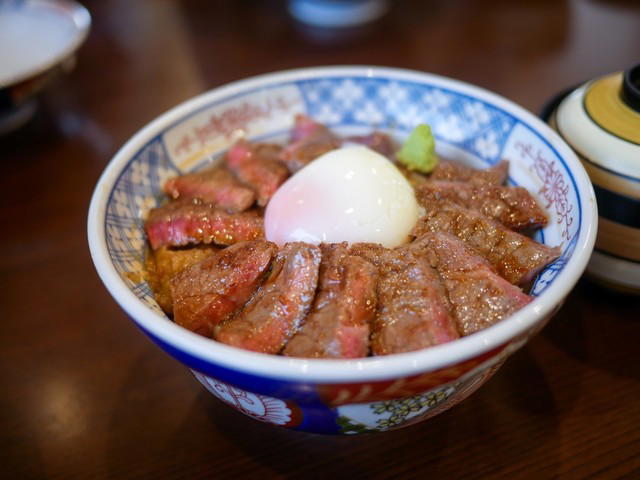
The menu
What to order
- Akaushi-don (Akagyu beef bowl)
- Akaushi beef bowl with onsen egg
- Champon noodle bowl
- Horumon nikomi (offal stew)
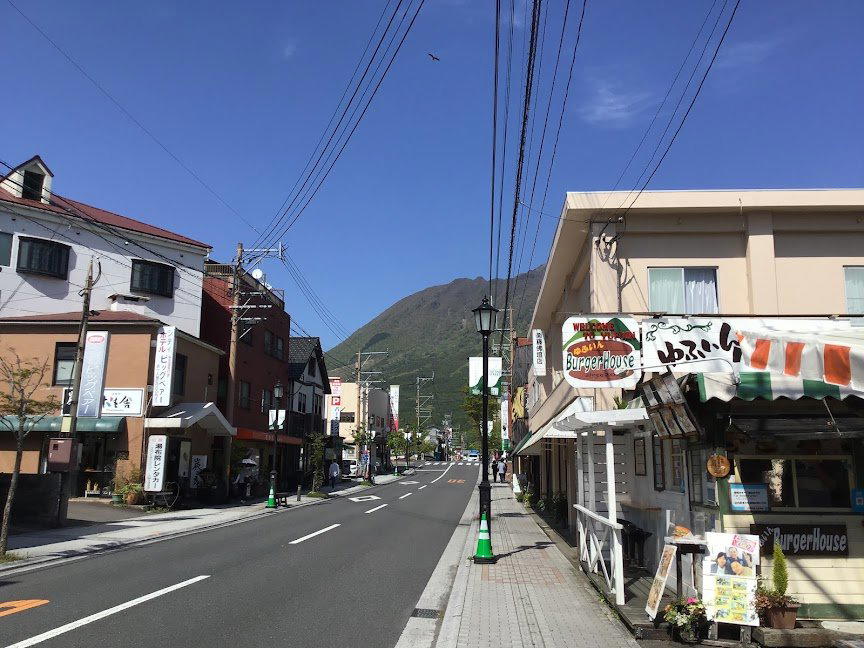
Aso feels like a place that feeds people before it performs for them: practical storefronts, volcanic country nearby, and a dining culture shaped more by appetite than ceremony. Here, Imakin Shokudo belongs to a Japanese category travelers often understand too late: the shokudo, a democratic dining room where regional identity comes through rice bowls and set meals rather than chef theatre.
Aso’s food culture is inseparable from geography. The caldera is agricultural land as well as scenery, with pasture, water, and mountain routes giving Kumamoto a distinct Kyushu context. That matters at a place categorized around cafeteria cooking, donburi, and regional cuisine. The point is not luxury polish, but whether a casual room can translate a regional style into a meal specific to this part of Japan.
Aso's shokudo tradition, read through rice bowls and regional ingredients
Japan’s serious regional restaurants do not always look serious to foreign diners. Some have counter seats and tasting menus; others look like neighborhood lunch rooms yet carry more cultural weight than their format suggests. The shokudo tradition sits in the second camp: built for repeat eating, broad age groups, and local rhythms, it can be a sharper lens on place than restaurants built around imported luxury signals.
Imakin Shokudo’s Tabelog Hyakumeiten 2026 recognition is useful because it recognizes an everyday dining category rather than fine dining. A Tabelog Hyakumeiten listing can be read inside the grammar of everyday Japanese restaurants: consistency, local loyalty, value, and the ability to give familiar dishes destination pull. Its Tabelog score of 3.66 reinforces that it sits in a competitive public-review environment, not an insulated hotel-restaurant bubble.
Donburi suits Aso because it compresses comfort and regional character into one format. Rice bowls make hierarchy clear: grain, topping, seasoning, heat, and portion. Regional cooking in Kumamoto often relies on dishes that speak plainly without elaborate plating. In Aso, where rural food culture and traveler traffic overlap, a rice-bowl restaurant can be both lunch stop and edible map.
That is the editorial reason to pay attention. The restaurant is not imitating Tokyo counter culture or Kyoto kaiseki language. It belongs to a Kyushu pattern where regional places become pilgrimage stops through one category done with unusual conviction. Nearby out-of-metro comparisons include Rakuda Yama Jidori no Mise, Yabeno Farm, Merukoro, Napoli Pizza Kenkyujo Il Forno D'oro, and Sanroku. The point is not sameness, but what Aso-area dining does well: direct, category-led meals with enough local identity to justify a detour.
The room keeps the meal informal, which is the point
The setting should be approached as casual regional dining rather than a hushed luxury room calibrated for international tasting-menu expectations. Imakin Shokudo’s public profile places it in cafeteria, donburi, and regional-cuisine territory, which tells experienced Japan travelers plenty: the focus is on the meal’s everyday grammar rather than on ceremony.
That informality is not a limitation. In Japan, casual form often carries serious discipline. A shokudo has less room to hide behind ambience because attention goes straight to the bowl, rice, cooking, and value equation. For travelers, the meal reads as part of daily Aso rather than a staged version of it.
The award context should be read carefully. Tabelog’s Hyakumeiten selections are not Michelin stars, and this kind of recognition does not claim haute cuisine. Its value is more granular: it signals that a modest regional format has enough recognition within Japan’s dining culture to sit above ordinary convenience eating. That is the relevant trust signal, stronger than generic praise because it matches the restaurant’s actual category.
For a broader Aso itinerary, this meal pairs better with local exploration than with a formal evening plan. Readers mapping the area can use the wider Aso dining context, then widen the trip through local stays, drinks, regional producers, and Our full Aso experiences guide. Aso rewards that sequencing: food, bathing culture, rural roads, and volcanic terrain make more sense together than as isolated stops.
How it fits into Japan's regional-dining map
Imakin Shokudo also clarifies a larger Japanese dining pattern. Serious food travel in Japan is often over-indexed toward sushi counters, kappo rooms, ramen queues, and urban cocktail bars. Regional shokudo culture receives less international attention because it lacks a single luxury shorthand. Yet for travelers interested in locality and dining format, it can be more revealing. A donburi house in Kumamoto tells a different story about Japan than another premium counter in a major city.
The spending bracket strengthens that argument. At JPY 2,000 to JPY 2,999 for both lunch and dinner, the question is not extravagance but precision of value. In that sense it belongs beside other ingredient-forward casual addresses rather than only within Aso. Readers comparing regional formats should keep the comparison broad: other Aso dining rooms and casual specialists elsewhere can carry cultural meaning through repetition and category focus rather than breadth, but Imakin Shokudo’s case is rooted in its own Aso context.
The practical reading is simple: treat this as regional dining with reputation, not a flexible all-purpose restaurant. The strongest reason to go is the intersection of Aso context, rice-bowl culture, and a shokudo format that has earned recognition in Tabelog’s Hyakumeiten context. Travelers chasing luxury staging may be looking in the wrong category. Travelers who care about how a place feeds its own region will understand why this address has pull.
Frequently asked questions
Is Imakin Shokudo a family-friendly restaurant?
Imakin Shokudo is a casual restaurant in Aso, with pricing listed at JPY 2,000–JPY 2,999 for both lunch and dinner. Check the venue's official channels for the latest details.
What kind of setting is Imakin Shokudo?
Imakin Shokudo fits a casual shokudo profile, with public categories listed as Cafeteria, Donburi (Rice bowl), and Regional Cuisine in Aso. Its Tabelog Hyakumeiten 2026 recognition adds clear context.
What's the pricing like at Imakin Shokudo?
Pricing at Imakin Shokudo is listed as Dinner: JPY 2,000 - JPY 2,999; Lunch: JPY 2,000 - JPY 2,999.
What is Imakin Shokudo known for?
Imakin Shokudo is known as an Aso shokudo categorized around cafeteria cooking, donburi, and regional cuisine, with a Tabelog score of 3.66 and Tabelog Hyakumeiten recognition for 2026.
How It Stacks Up
Comparable venues by cuisine and price in the same metro.
| Venue | Cuisine | Price | Awards | Notes |
|---|---|---|---|---|
| Imakin ShokudoThis venue (the venue you are viewing) | Traditional Aso Akaushi Beef Bowl Diner | $20–30 | Tabelog 100 #87 | Not listed |
| Kumasotei | Traditional Satsuma Cuisine | Not listed | Not listed | Higashi Sengoku-cho |
| Koshu Houtou Kosaku (甲州ほうとう 小作) | Koshu Houtou (Yamanashi Regional Noodles) | Not listed | Not listed | Fujikawaguchiko |
| Mentakumi Takamatsu (麺匠 たか松) | Takamatsu Ramen | $10–20 | Not listed | central Kyoto |
| Boteyan | Okonomiyaki (Japanese Savory Pancake) | $10–20 | Not listed | Toyama Station area |
| Restaurant Hagi | Traditional Japanese Family Dining | Not listed | Not listed | Nagato City |
Recognition history
Dated appearances from independent guides and award organizations, with the underlying list record or original source where available.
Tabelog 100 #87 · No. 87
Tabelog · Tabelog 100 - Diner - 2026
Continue exploring
More in Aso
Restaurants in Aso
All restaurants in Aso →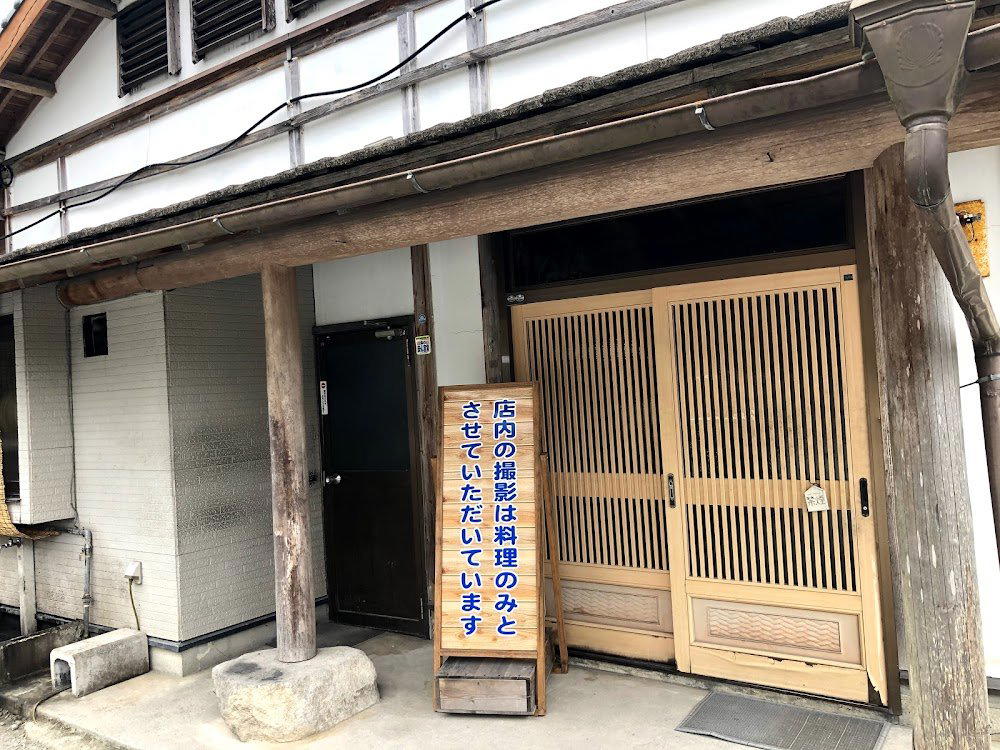
Bars in Aso
Browse all →
Details
- Classic
- Cozy
- Rustic
- Lively
- Well Known
- Solo
- Family
- Casual Hangout
- Group Dining
- After Work
- Standalone
- Historic Building
- Local Sourcing
- Street Scene
- A La Carte
Current opening hours
- Monday
- 10 AM–4 PM
- Tuesday
- 10 AM–4 PM
- Wednesday
- 10 AM–4 PM
- Thursday
- 10 AM–4 PM
- Friday
- 10 AM–4 PM
- Saturday
- 10 AM–4 PM
- Sunday
- 10 AM–4 PM
Hours can change for holidays and private events. Hours as of .
A humble, traditional wooden diner with tatami rooms and simple furnishings, usually busy and energetic with lines out the door but a warm, down‑to‑earth atmosphere typical of a classic onsen‑town eatery.