Il Vecchio

Michelin Plate
Our verdict
Il Vecchio brings a seasonal Italian register to Mapo-gu, away from Seoul’s more predictable luxury dining corridors. The useful signal here is precision rather than spectacle: chef couple Min-kyun Kim and Bin-na Kim work local produce and seafood into a homey ristorante format, with semi-dried fresh pasta as the clearest expression of the kitchen’s discipline.

Pearl is the En Primeur Club membership app, where members save venues, book tables and use the concierge.
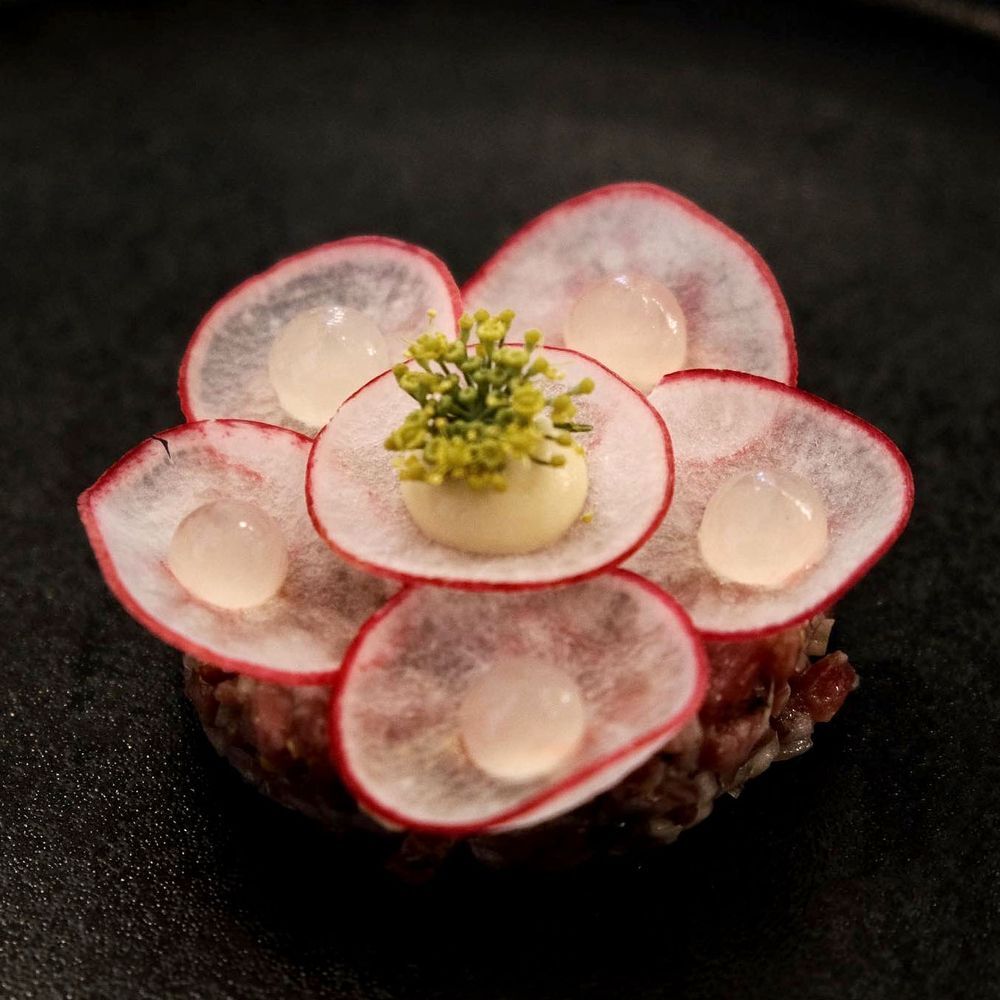
The menu
What to order
- Semi-dried fresh pasta
- Seasonal seafood dishes
- Handmade fresh pasta
Seoul has many different dining tempos, from polished reservation circuits to smaller independent rooms that rely less on theatrical arrival than on repeatable hospitality. That context matters at Il Vecchio, because the appeal is not a grand stage set. It is the fit between a focused restaurant format and a city that rewards places with a clear reason to exist beyond status dining.
Seoul’s restaurant scene has widened in the last decade. The city now supports everything from casual specialist counters to more formal dining rooms, but the more interesting middle tier is where careful service and a defined point of view meet the rhythms of local dining without turning into performance. Il Vecchio sits in that lane. The restaurant is best approached through atmosphere, focus, and consistency rather than luxury signalling. That distinction places it closer to the city’s serious independent restaurants than to rooms built around imported glamour.
Seoul's neighbourhood register, shaped by focus rather than ceremony
The defining idea is a focused restaurant experience within Seoul’s dining culture. In a city where restaurants can lean heavily on familiar comforts, the more persuasive approach is often restraint: structure, pacing, and a clear sense of purpose. Il Vecchio’s appeal is less about spectacle than about a restaurant paying attention to the mechanics of a meal rather than using style or reputation as a substitute for substance.
That puts the restaurant in useful contrast with Seoul’s broader casual-specialist field. Oreno Ramen and Tuk Tuk Noodle Thai show how direct, focused formats can thrive in the city. Yakitori Mook and Zhonghuafuchun Salon operate in different registers, but they point to the same Seoul pattern: diners are comfortable moving between specialist rooms rather than demanding one dominant fine-dining script. Il Vecchio belongs to that culture of specificity, with focus as its organising language.
The restaurant’s format matters because it depends on continuity. A smaller room can read as modest in the weak sense, but here the better interpretation is operational focus: the experience is framed around care, consistency, and reliability. The point is not biography. The point is that Seoul restaurants with consistent identities often deliver a sharper impression than larger dining rooms trying to cover every occasion.
Where it fits in a Seoul itinerary
For travellers building a Seoul dining plan, Il Vecchio makes sense as a counterweight to the city’s high-design rooms and more formal evenings. The comparison clarifies the choice: this is not where to measure Seoul by spectacle or ceremony; it is where to see how a serious restaurant can function inside the city’s independent dining culture.
Seoul also changes the rhythm of the evening depending on how the day is planned. Il Vecchio is better approached as part of a Seoul dining route than as a casual afterthought between unrelated appointments. Readers mapping the wider city can place it beside other Seoul entries such as Ilsim Eel Hongdae Branch, Oreno Ramen, Tuk Tuk Noodle Thai, Yakitori Mook, and Zhonghuafuchun Salon, then use the larger Seoul dining map for context. The surrounding planning layer is useful too: Seoul hotel, bar, wine, and experience guides can help separate different kinds of nights across the city.
The wider Korean table gives the Seoul choice more context. Dining across Korea can shift by setting and occasion, while international small-format restaurants underline the same editorial point: focused rooms are often judged by discipline, not scale. Il Vecchio belongs in that reading of Seoul, where restraint and consistency can matter as much as ceremony.
The critical read
Il Vecchio is strongest as a Seoul address for diners who care about how a restaurant’s identity fits the rhythm of a city. The clearest trust signal is external recognition: Michelin lists Il Vecchio with a MICHELIN Plate distinction. In a city with louder dining rooms and more aggressively branded concepts, that is a quieter proposition, but not a vague one. The meal’s value lies in the relationship between place, focus, and execution, which is exactly where independent dining in Seoul becomes worth paying attention to.
Frequently asked questions
Where exactly is Il Vecchio?
Seoul.
What distinctions does Il Vecchio have?
Il Vecchio is listed by the MICHELIN Guide with a MICHELIN Plate distinction.
How far ahead should I plan for Il Vecchio?
Plan ahead if Il Vecchio is part of a Seoul dinner itinerary, especially if the meal is important to your schedule. Booking early is the safer approach for a focused Seoul dining plan.
What's the defining dish or idea at Il Vecchio?
The defining idea is a focused Seoul restaurant experience shaped by restraint, consistency, and careful execution rather than spectacle.
A Lean Comparison
Comparable options at the same price tier.
| Venue | Cuisine | Price | Awards | Notes |
|---|---|---|---|---|
| Il Vecchio | Modern Italian Ristorante | $50–100 | Michelin Plate | Not listed |
| Oreno Ramen | Japanese Chicken Paitan Ramen | $1–10 | Michelin Bib Gourmand | Ramen |
| Tuk Tuk Noodle Thai | Authentic Thai Noodle House | $10–20 | Michelin Bib Gourmand | Thai |
| Yakitori Mook | Japanese Yakitori Omakase | Not listed | Michelin Plate | Yakitori |
| Zhonghuafuchun Salon | Modern Chinese with Local Twists | Not listed | Michelin Plate | Chinese |
| Ilsim Eel Hongdae Branch | Korean Grilled Freshwater Eel | $30–50 | Not listed | Not listed |
Recognition history
Dated appearances from independent guides and award organizations, with the underlying list record or original source where available.
Michelin Plate
Michelin
Continue exploring
More in Seoul
Restaurants in Seoul
All restaurants in Seoul →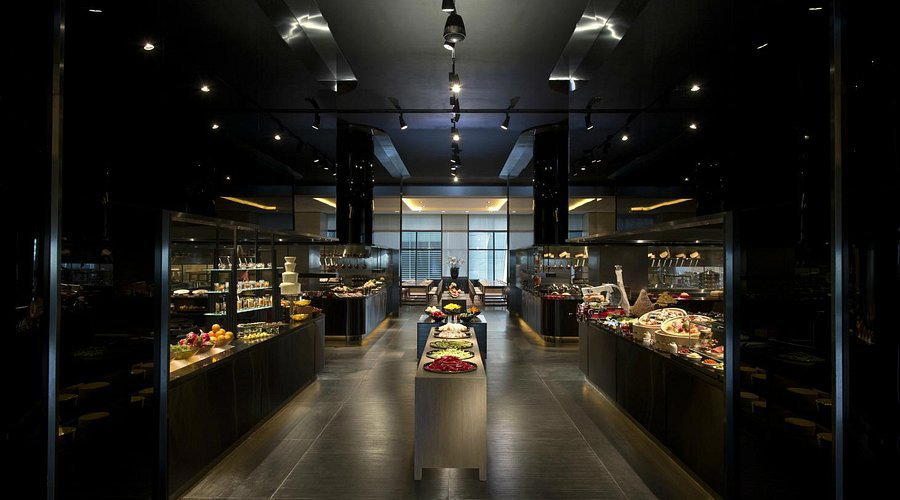
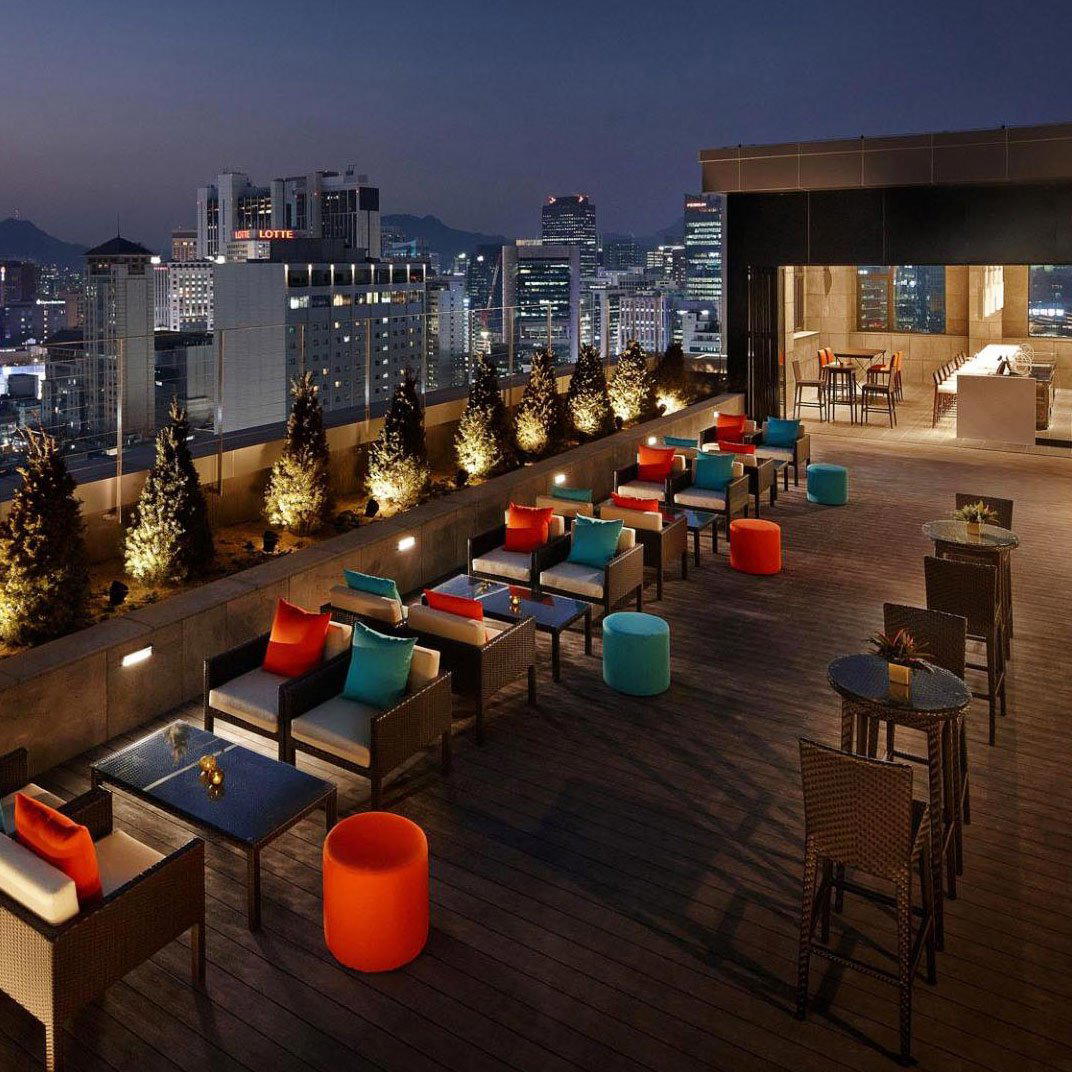
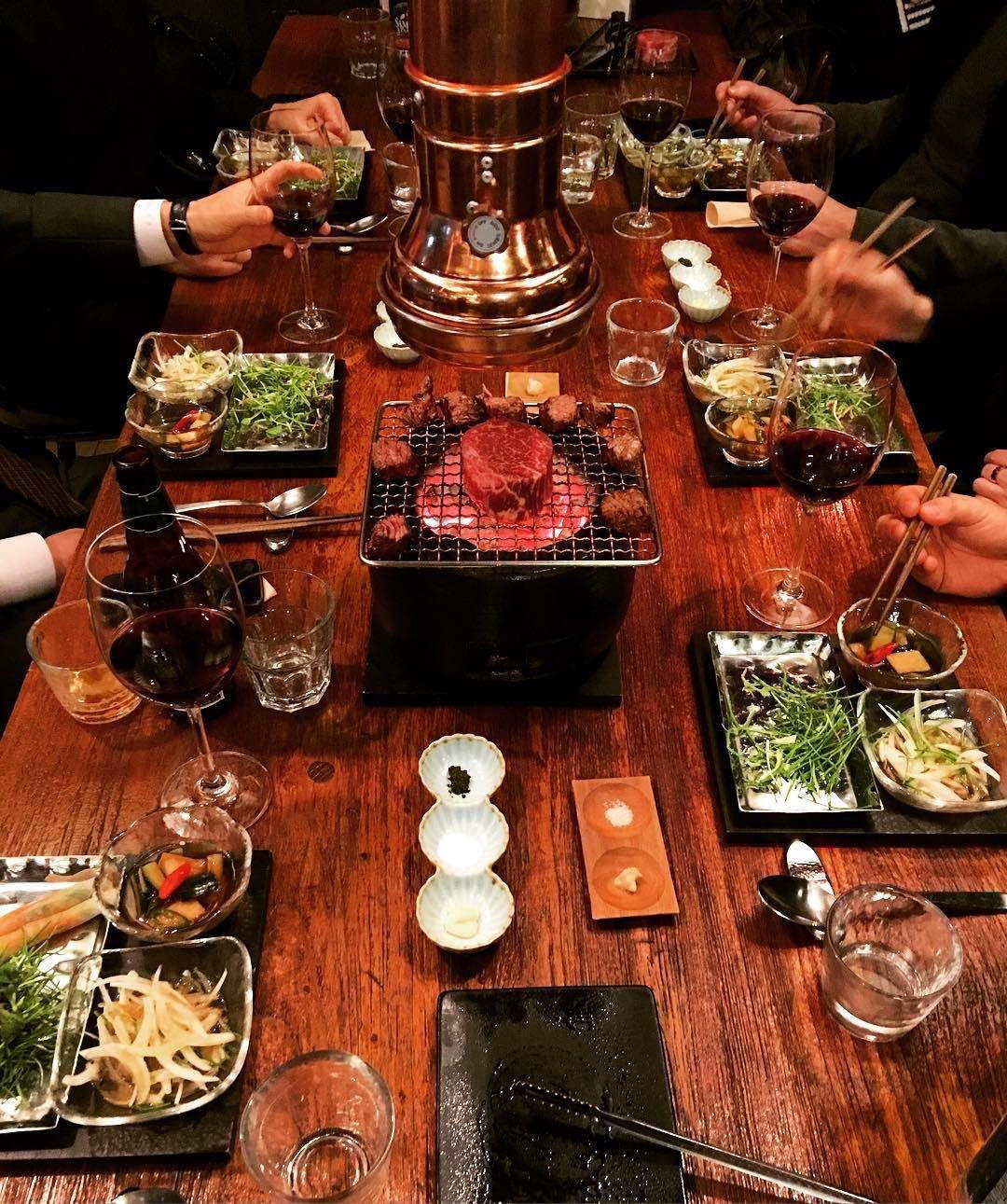
Bars in Seoul
All bars in Seoul →
Details
- Cozy
- Classic
- Intimate
- Date Night
- Business Dinner
- Special Occasion
- Standalone
- Extensive Wine List
- Local Sourcing
- A La Carte
- Set Menu
- Wine
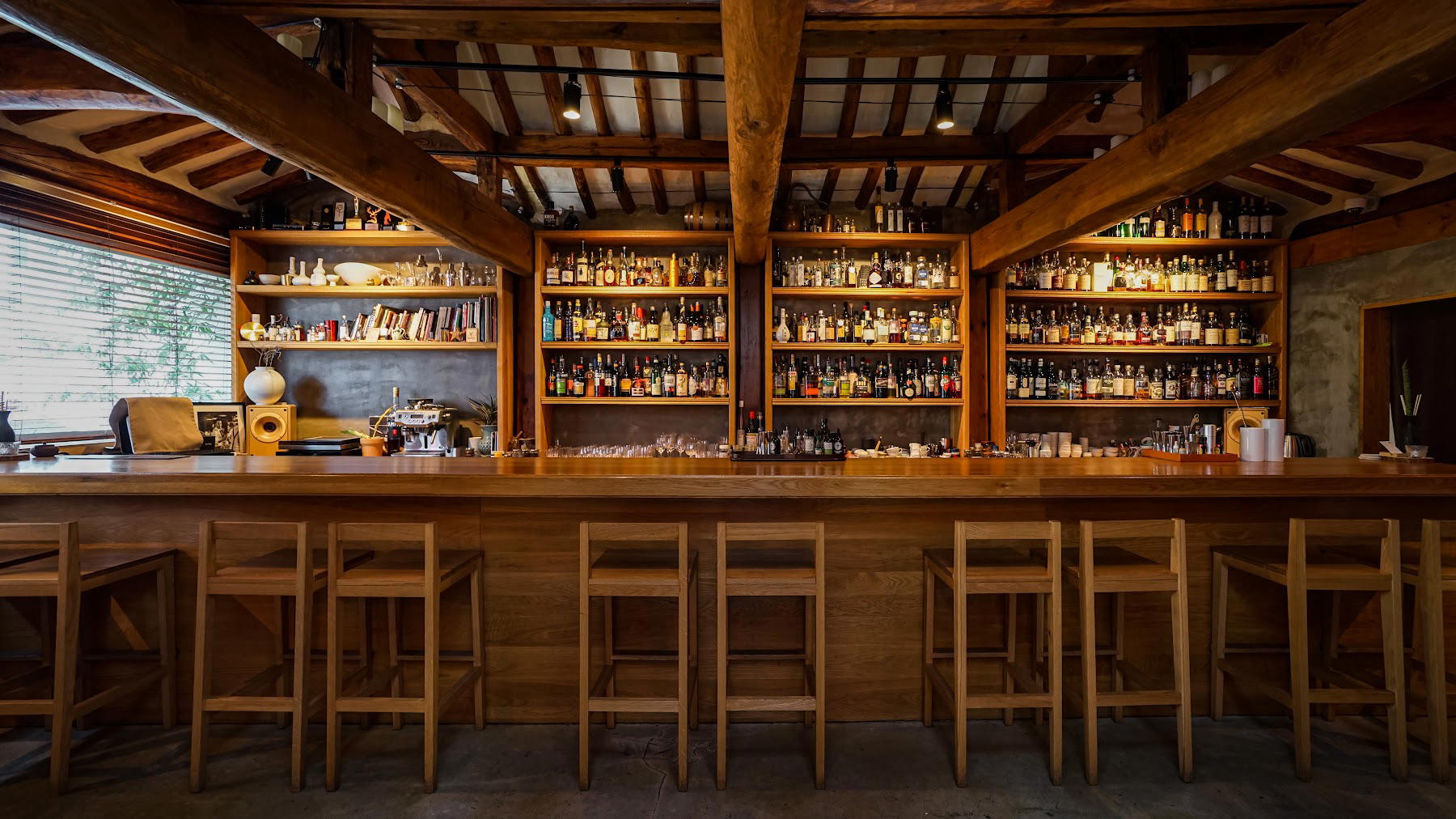
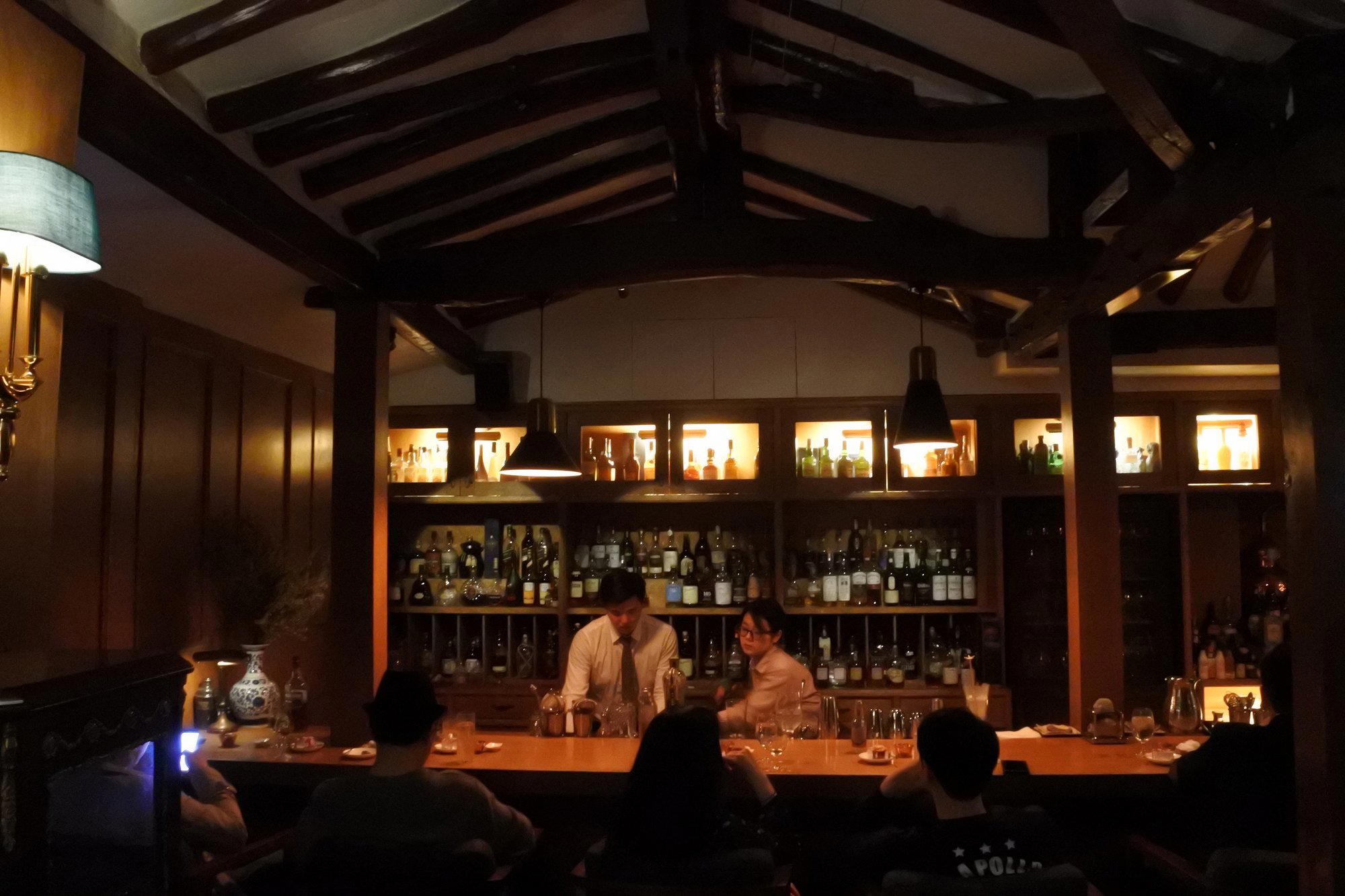
Down-to-earth and homey in feel, with a cozy, intimate atmosphere that emphasizes comfort over formality, matching its casual but carefully cooked Italian food.