Antonucci
On Manhattan's Upper East Side, Antonucci has occupied 170 East 81st Street as a neighborhood anchor in one of New York's most residential dining corridors. The restaurant draws on Italian culinary tradition with the unhurried pacing and course structure that distinguishes the Upper East Side's established dining rooms from downtown's more experimental formats. For visitors approaching the city's Italian fine-dining tier, it represents a considered alternative to the Midtown flagship model.
Pearl is the En Primeur Club membership app — saves, bookings, and concierge access live there. Same editors, same standards.
- Address
- 170 E 81st St, New York, NY 10028
- Phone
- +12125705100
- Website
- antonuccicafe81.com
- Directions
- Get directions
 Saves & bookings on Pearl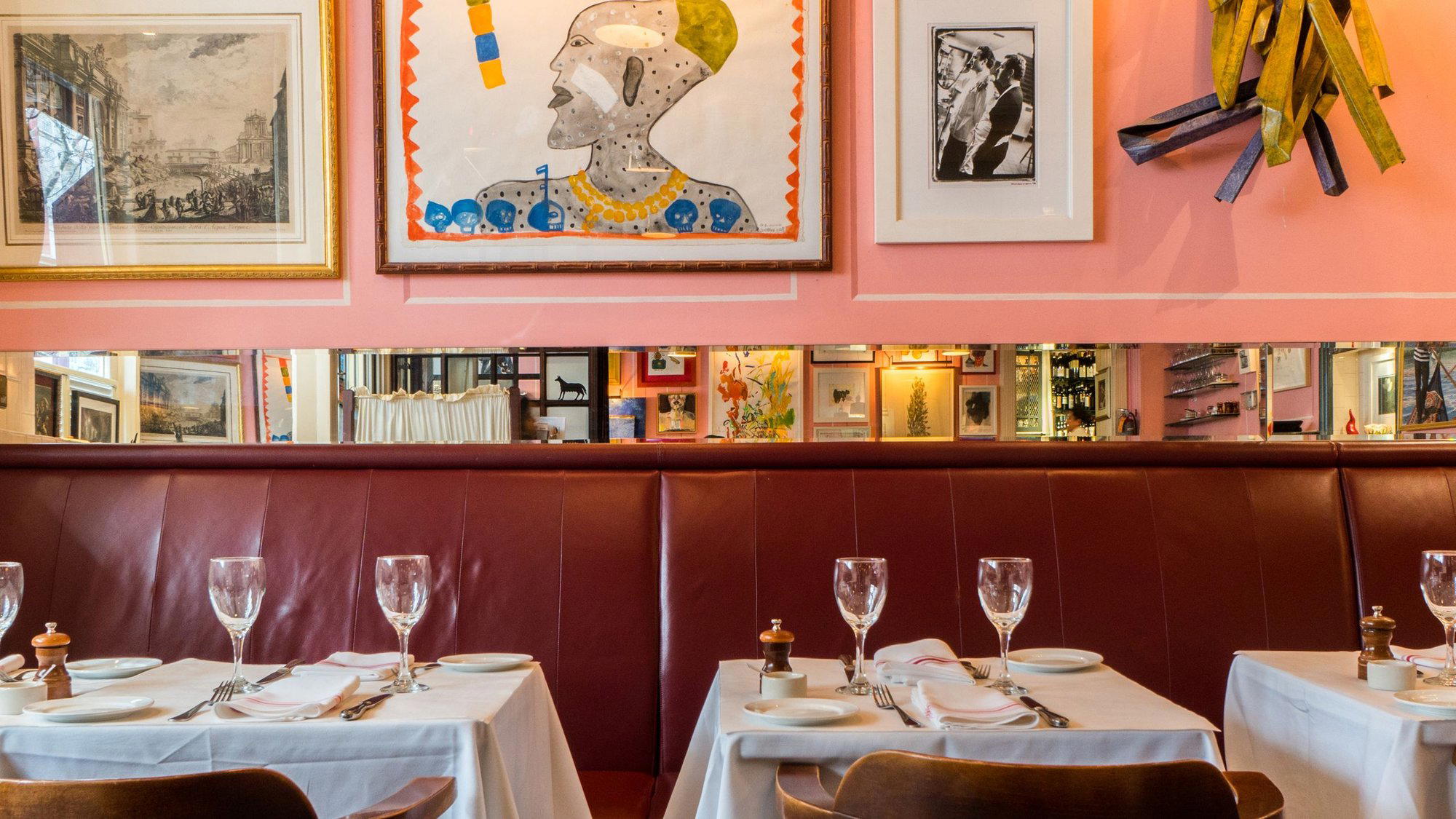
Italian Tradition on the Upper East Side: Where Antonucci Sits in New York's Dining Order
The Upper East Side has always occupied a specific register in New York's restaurant hierarchy. Unlike the Flatiron or Tribeca corridors, where ambitious tasting menus compete for critical attention and reservation algorithms, the stretch between 70th and 86th Streets along the numbered avenues sustains a different kind of dining room: one built on neighborhood loyalty, course-by-course pacing, and a clientele that returns weekly rather than for occasions. Antonucci, at 170 East 81st Street, belongs to that category. Its address alone places it in the tradition of Upper East Side Italian restaurants that have outlasted trendier openings downtown precisely because they are not chasing the same audience.
This is a useful frame for understanding what a meal at Antonucci offers before you walk through the door. The restaurant sits in a borough zone where Italian cooking tends toward the regional and the restrained rather than the contemporary and the theatrical. That positioning puts it in a different competitive set than, say, Le Bernardin, where the tasting format is engineered around a single ingredient category and priced accordingly, or Eleven Madison Park, where the format itself has become the subject of critical debate. Antonucci's conversation is older, and quieter.
The Arc of the Meal: How Course Sequencing Defines the Experience
Italian multi-course dining has a logic that differs fundamentally from French tasting-menu architecture. Where French formats tend toward escalation, each course building toward a protein climax before the sweet descent, Italian sequencing is more lateral. The antipasto, the primo, the secondo, and the dolce operate as distinct movements rather than a single crescendo. The pace is the point: pausing between courses is not inefficiency but structure, giving the diner time to reset rather than accumulate.
Restaurants in the Upper East Side Italian tradition tend to honor that structure rather than compress it. A meal that moves through properly separated courses, with appropriate time between them, reads differently from the compressed multi-course formats that characterize high-volume midtown dining. At Antonucci, the expectation is that you are spending an evening, not executing a dining transaction. That distinction matters when you are choosing between this address and faster-format alternatives. Comparable Italian experiences at the fine-dining level in New York often push toward prix-fixe compression; the UES tradition resists that compression in favor of the longer table.
For context on how tasting progression formats vary across American fine dining, it is worth noting that kitchens like Smyth in Chicago and Lazy Bear in San Francisco have built their identities almost entirely around the narrative arc of the meal. The Italian tradition Antonucci draws on takes a different approach: the arc is embedded in the cuisine's own logic, not imposed by the kitchen's concept.
Upper East Side Italian in Context: The Neighbourhood's Dining Character
The Upper East Side's restaurant density is often underestimated by visitors who concentrate their attention on downtown neighborhoods. The corridor between Lexington and Park Avenues, from the high 70s through the low 80s, contains a cluster of Italian and French rooms that have operated continuously through multiple cycles of New York dining fashion. These are not places that survived by reinventing themselves. They survived by being consistently what they are.
That continuity has a value that is not always legible to first-time visitors. A restaurant that has held its position in a residential neighborhood for an extended period has done so because the neighborhood's most particular diners, the ones who eat out four nights a week and have the comparison set to judge quality, keep returning. That is a different form of validation than a Michelin star or a best-of-year list placement, though it is no less meaningful. For reference, Per Se and Masa operate at the award-certified apex of New York fine dining; the Upper East Side Italian tradition operates in a parallel register where neighborhood authority functions as its own credential.
Internationally, the closest analogues to this kind of embedded regional Italian format are found in restaurants like Dal Pescatore in Runate, where the longevity and the family relationship to a specific regional tradition are inseparable from the dining proposition. New York's version of that model is necessarily urban and compressed, but the underlying logic, that a restaurant's primary obligation is to a specific cuisine done with precision over time, is the same.
Placing Antonucci Against Its comparable set
For planning purposes, the relevant comparison is not between Antonucci and the city's flagship tasting-menu destinations. The relevant comparison is within the Upper East Side's Italian dining tier, and against other American Italian fine-dining rooms that have built reputations on regional fidelity rather than creative reinterpretation. Frasca Food & Wine in Boulder represents one version of that model, focused specifically on Friulian tradition and executed with enough precision to earn sustained recognition. Blue Hill at Stone Barns, though not Italian, operates a similar relationship to sourcing discipline and course-by-course intentionality in the broader New York region.
The Upper East Side dining room, at its strongest, offers something that the city's more visible fine-dining circuit does not: a meal conducted at the pace of the cuisine rather than the pace of the reservation system. That is what makes Antonucci's address on 81st Street worth considering alongside, rather than beneath, the more decorated addresses downtown.
Planning Your Visit
The following comparison gives a practical frame for understanding where Antonucci sits logistically against the city's most prominent fine-dining addresses. Antonucci is a Northern Italian Trattoria at 170 E 81st St, New York, NY 10028, priced at about $35 per person.
| Venue | Neighborhood | Price Tier | Format | Booking Lead Time |
|---|---|---|---|---|
| Antonucci | Upper East Side | Not confirmed | Italian multi-course | Contact directly |
| Le Bernardin | Midtown West | $$$$ | French seafood tasting | 4-8 weeks typical |
| Atomix | Flatiron | $$$$ | Modern Korean tasting | 8-12 weeks typical |
| Per Se | Columbus Circle | $$$$ | French contemporary tasting | 4-6 weeks typical |
| Eleven Madison Park | Flatiron | $$$$ | French vegan tasting | 6-10 weeks typical |
Peers Worth Knowing
Comparable venues nearby, for context on price, style, and recognition.
| Venue | Cuisine | Price | Notes |
|---|---|---|---|
| AntonucciThis venue — the venue you are viewing | Northern Italian Trattoria | $$ | Not listed |
| NORMA’S | Authentic Sicilian Gastronomia | $$ | Midtown-Times Square |
| baci&abbracci | Neapolitan Pizza & Italian Classics | $$ | Williamsburg |
| Organika Bar & Kitchen | Organic Italian | $$ | West Village |
| Parm Mulberry Street | Italian-American Soul Food | $$ | SoHo-Little Italy-Hudson Square |
| Sofia's of Little Italy | Italian Trattoria | $$ | SoHo-Little Italy-Hudson Square |
Continue exploring
More in New York City
Restaurants in New York City
Browse all →
Bars in New York City
Browse all →
Hotels in New York City
Browse all →





At a Glance
- Cozy
- Classic
- Elegant
- Date Night
- Casual Hangout
- Standalone
- Beer Program
Current opening hours
- Monday
- 12–10 PM
- Tuesday
- 12–10:30 PM
- Wednesday
- 12–10:30 PM
- Thursday
- 12–10:30 PM
- Friday
- 12–10:30 PM
- Saturday
- 12–10:30 PM
- Sunday
- 12–10 PM
Hours can change for holidays and private events. Last verified .
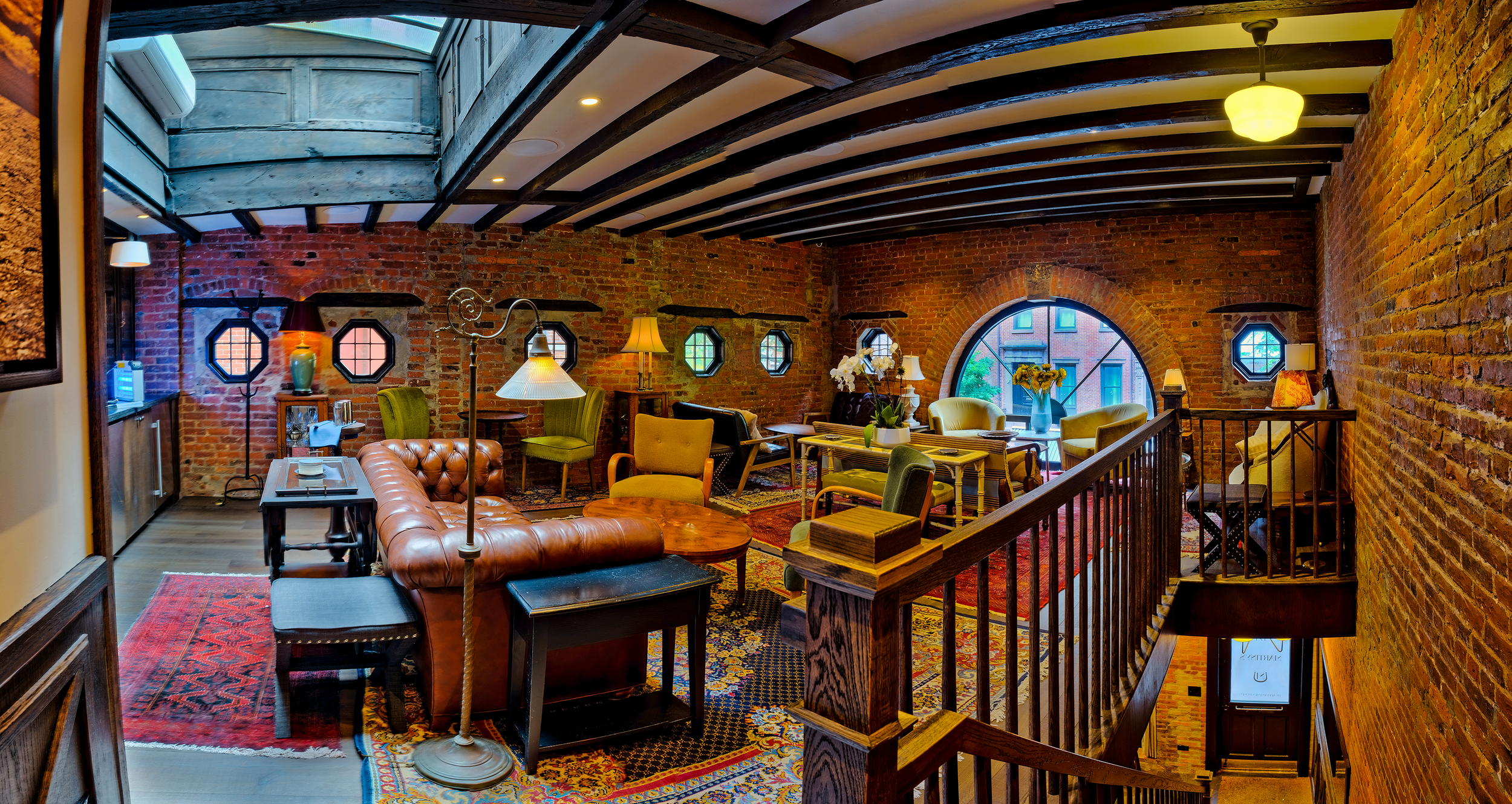
Well-appointed and cozy with warm, intimate lighting; a neighborhood favorite with a stylish yet approachable atmosphere that feels both refined and welcoming.