Il Leone
Il Leone brings Neapolitan-style pizza to New York City, operating in a city where Italian cooking covers an enormous range of ambition and price. The kitchen works in a tradition where sourcing, flour, tomato, water chemistry, determines the outcome before the oven is even lit. For pizza at this register, the ingredients are the argument.
 Discover on Pearl
Pearl is the En Primeur Club membership app — saves, bookings, and concierge access live there. Same editors, same standards.
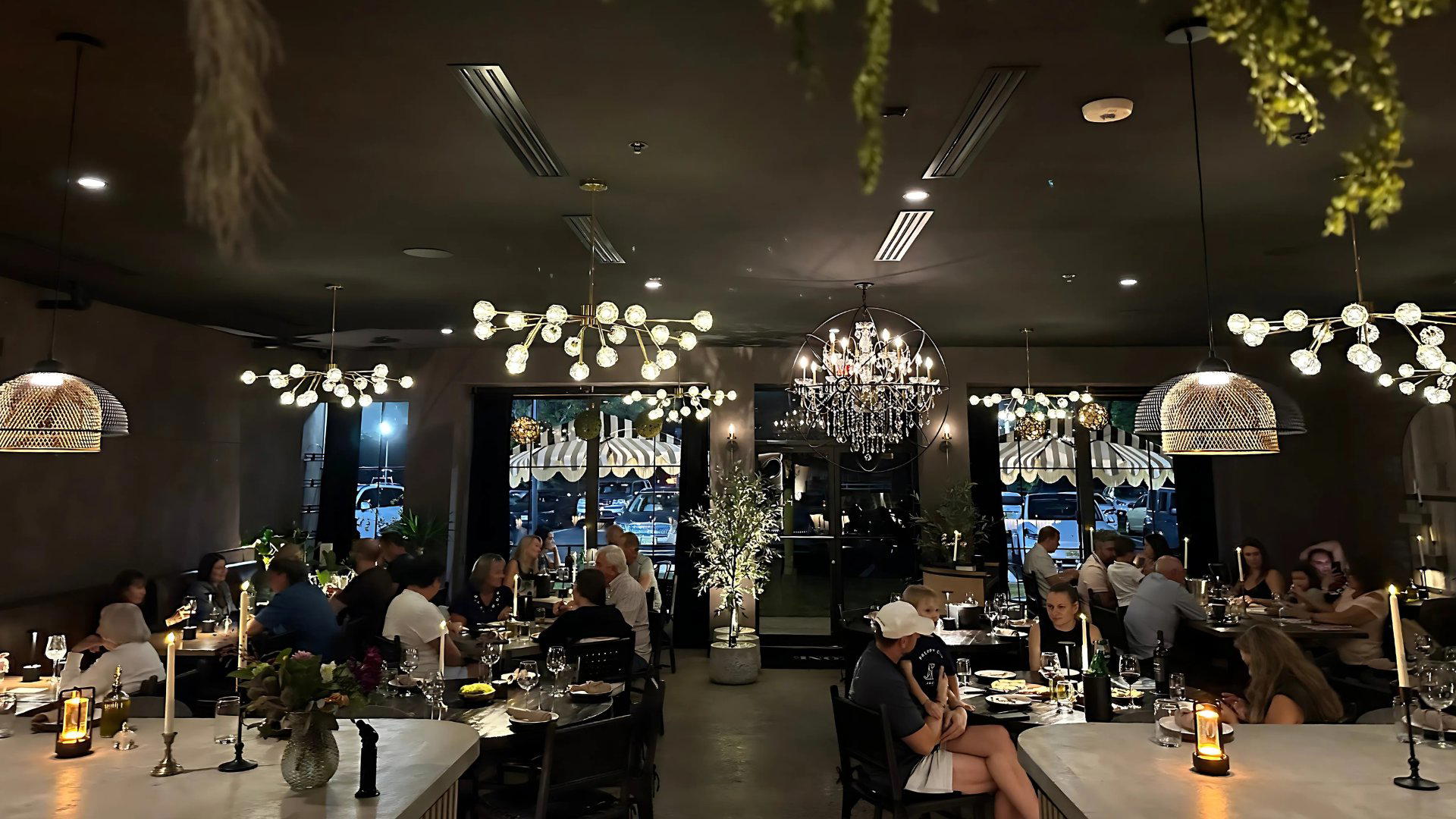
What the Oven Tells You About the Sourcing
Il Leone is a restaurant in Brooklyn, New York, serving Wood-Fired Neapolitan Pizza at about $25 per person. The flour variety, the fermentation window, the tomatoes from a specific volcanic plain in Campania, these are not marketing details. They are the technical conditions that separate a credible Neapolitan from a casual approximation. Il Leone operates inside this tradition, in a city that has spent the last two decades sorting its pizza scene into increasingly specific tiers.
New York's Italian dining spectrum runs from red-sauce neighbourhood institutions to tasting-menu formats with European-trained kitchens. The Neapolitan pizza category sits in its own lane: it is not austere in the way that a counter like Masa is austere, and it is not multi-course in the way that Eleven Madison Park or Per Se are multi-course. It is a format built around a single, highly technical product, and the sourcing of that product is where the quality gap between operators is widest.
The Ingredient Argument in Neapolitan Pizza
Neapolitan pizza is one of the few culinary formats where the rules around sourcing are codified and actively contested. Associazione Verace Pizza Napoletana guidelines specify flour type, tomato origin (San Marzano DOP from the Agro Sarnese-Nocerino zone), and fior di latte or buffalo mozzarella as the baseline. Most serious operators in New York know this framework, and the question is how closely, and how honestly, they follow it.
The tomato question alone generates real debate. San Marzano tomatoes grown in the shadow of Vesuvius have a mineral quality and natural sweetness that comes from the soil composition of that specific zone. Substitutes grown elsewhere under the same name do not replicate it. For any kitchen working in this tradition, the decision to source authenticated DOP product versus a lookalike is visible in the sauce, the brightness, the low acidity, the way it holds its character through a 90-second bake at 900 degrees Fahrenheit.
Water chemistry is the other variable that distinguishes New York's leading Neapolitan-style operations from their peers. New York tap water has long been credited with producing strong bread and pizza dough, a claim with genuine technical basis in its mineral profile. The city's soft, low-mineral water creates a dough that ferments predictably and handles well under high heat. Operators who understand this do not fight the local water; they work with it, adjusting hydration ratios and fermentation times accordingly.
Where Il Leone Sits in New York's Pizza Tier
New York's serious pizza scene has broadened significantly since the early 2000s, when a handful of wood-fired operations were considered the only credible Neapolitan addresses. Today the category includes restaurants running extended cold fermentation (48 to 72 hours), imported Caputo 00 flour, and wood-burning Stefano Ferrara ovens built in Naples. Il Leone operates in this more competitive, more technically informed version of the New York Neapolitan scene.
The comparison set for this kind of restaurant is not the high-spend tasting menu format of Le Bernardin or Atomix, both of which operate at a different price register and culinary ambition. The relevant peer group is the cohort of New York pizzerias that have made a public commitment to Neapolitan sourcing standards, where the price per pie reflects the cost of imported DOP ingredients rather than volume throughput. Outside New York, that standard of ingredient fidelity shows up in farm-to-table formats like Single Thread Farm in Healdsburg or the sourcing philosophy that runs through The French Laundry in Napa, though the formats are entirely different.
Nationally, the kitchen-as-sourcing-statement approach has currency from Lazy Bear in San Francisco to Alinea in Chicago to Providence in Los Angeles, though again, the format diverges sharply. In New York's Italian sphere specifically, the sourcing conversation applies across registers, from neighbourhood pasta houses to the kind of fine dining Italian that draws direct European comparisons to addresses like Alain Ducasse at the Louis XV in Monte Carlo or Alléno Paris au Pavillon Ledoyen.
Planning a Visit
Il Leone is open Wednesday through Sunday from 5 to 10 PM. Il Leone is walk-in friendly. As with most Italian formats at this level, the experience rewards an unhurried pace: the pizza format is fast by nature, but the sourcing quality is better appreciated when ordered with attention to the menu's structure rather than speed.
For Italian-American dining with a similar ingredient-forward sensibility in a different city, Emeril's in New Orleans offers a useful contrast in how sourcing logic translates across American regional contexts.
Cuisine Context
Comparable venues nearby, for context on price, style, and recognition.
| Venue | Cuisine | Price | Awards | Notes |
|---|---|---|---|---|
| Il LeoneThis venue — the venue you are viewing | Wood-Fired Neapolitan Pizza | $$ | , | |
| Nizza | Ligurian Italian Trattoria | $$ | , | Hell's Kitchen |
| PizzArte | Authentic Neapolitan Pizza | $$ | , | Midtown-Times Square |
| Maria Pia | Authentic Italian | $$ | , | Hell's Kitchen |
| Nocello | Northern Italian Trattoria | $$ | , | Hell's Kitchen |
| Delizia 92 | Italian Pizza & Pasta | $$ | , | Upper East Side-Yorkville |
Continue exploring
More in New York City
Restaurants in New York City
Browse all →
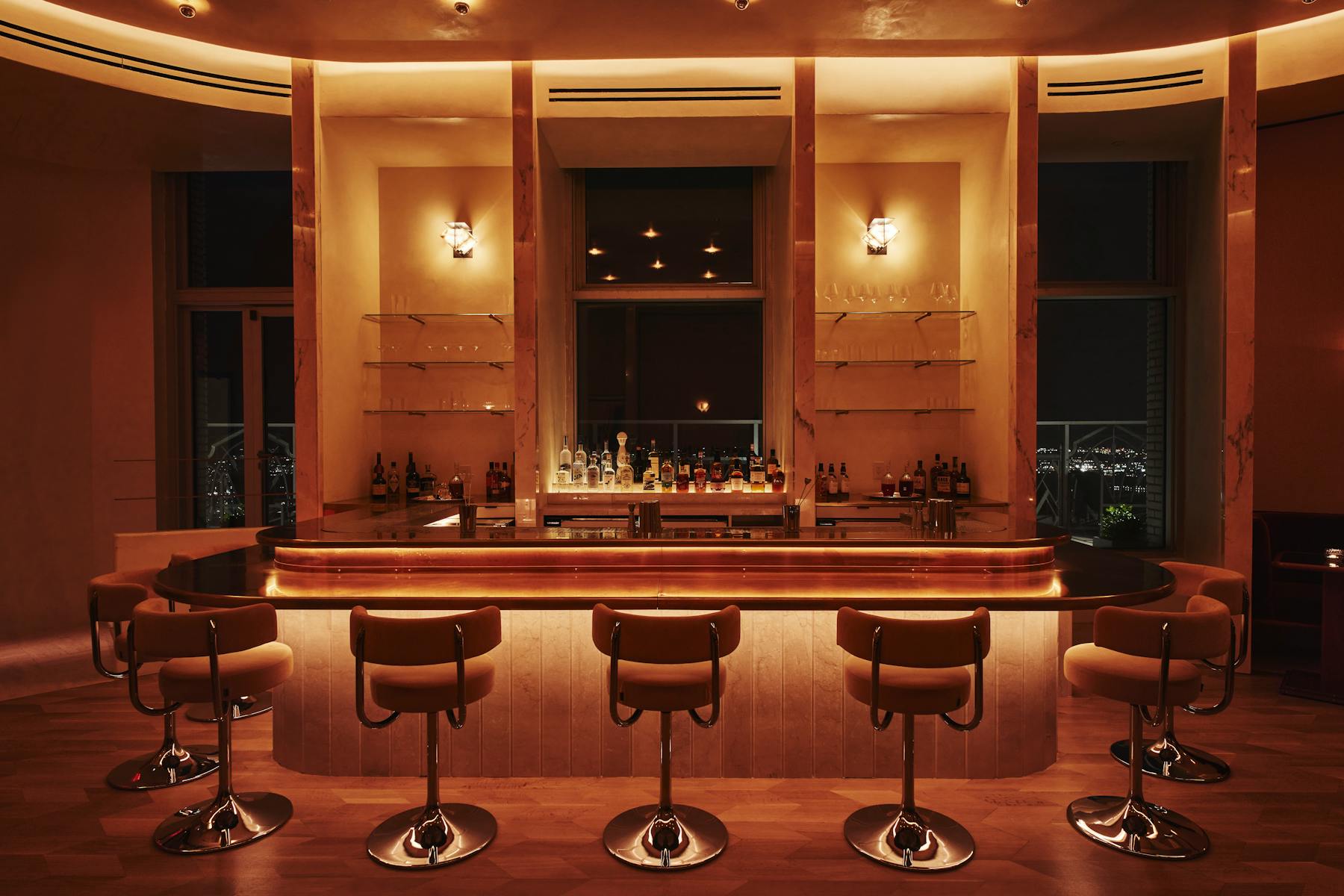
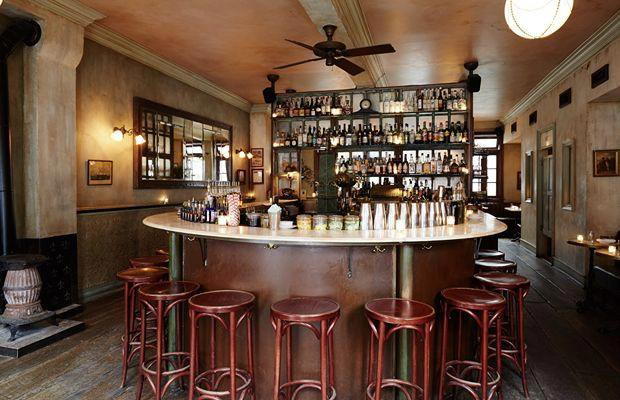
Bars in New York City
Browse all →
Hotels in New York City
Browse all →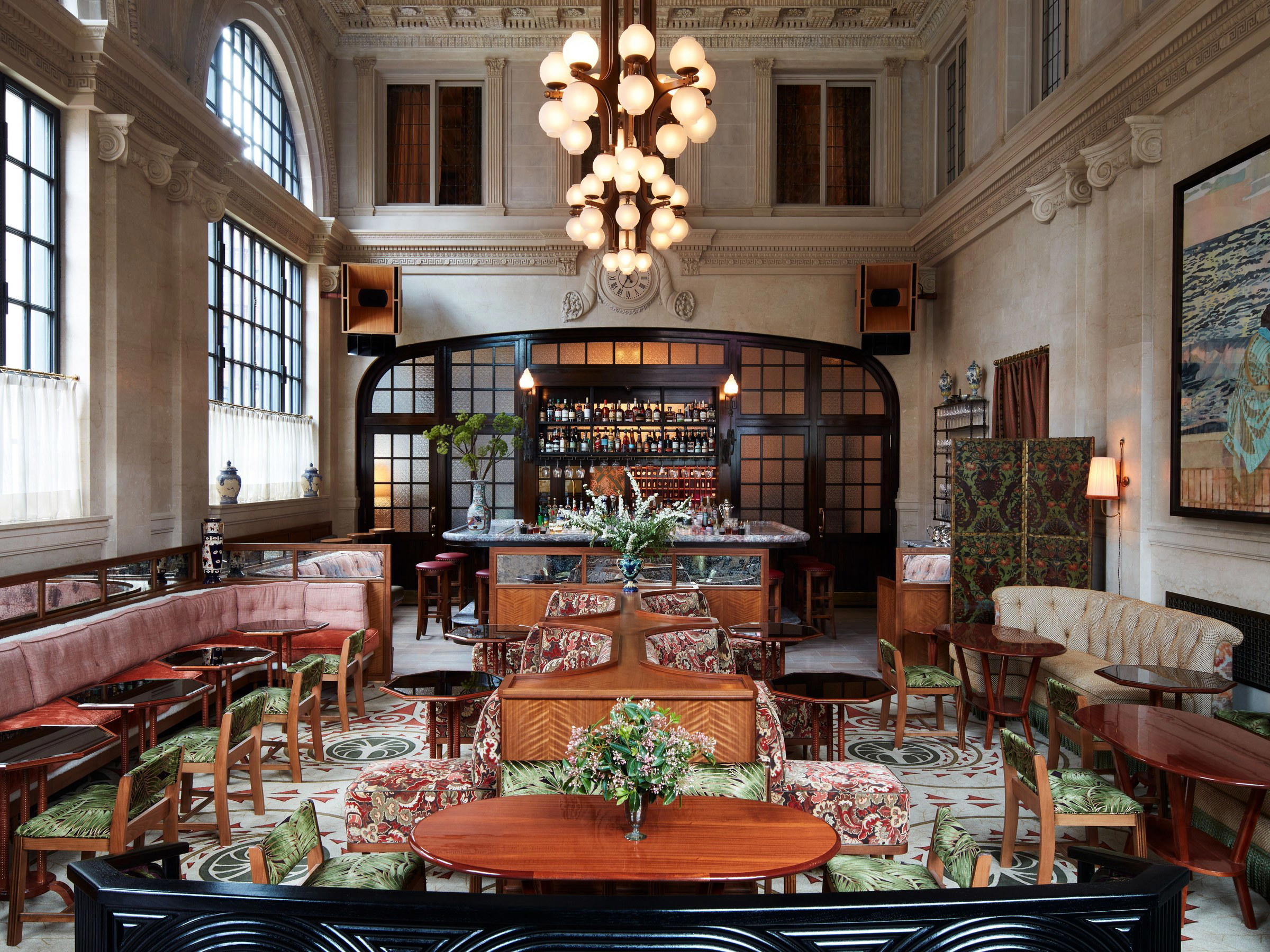

At a Glance
- Cozy
- Lively
- Casual
- Casual Hangout
- Date Night
- Open Kitchen
- Local Sourcing
- Organic
Sunflower-yellow walls create a welcoming, casual neighborhood atmosphere buzzing with bar sounds, laughter, and the warmth of friends and family gatherings.