
Tabelog 100 #90
Our verdict
Aomori’s izakaya culture is inseparable from fish, sake, and the practical rhythms of a port city. Sushi Izakaya Taru sits in that tradition with seafood, sushi, counter seating, and Tabelog 100 Izakaya EAST selections in 2024 and 2025, making it a serious local address rather than a casual fallback.

Pearl is the En Primeur Club membership app, where members save venues, book tables and use the concierge.
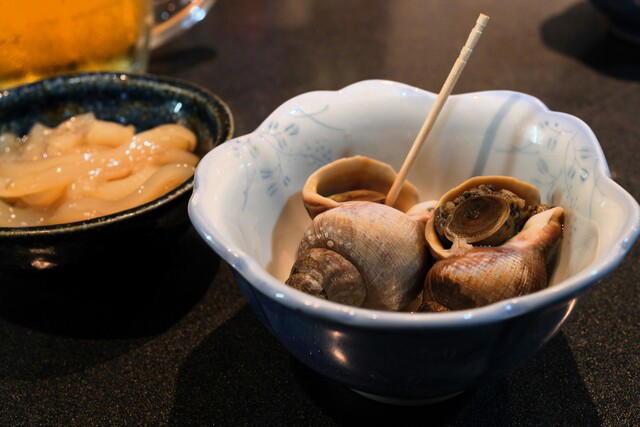
The menu
What to order
- Assorted local sashimi platter
- Omakase assorted sushi
- Fresh scallops from Aomori
Aomori after dark has the compact feel of a northern Japanese city that eats close to home: lit shopfronts, office workers moving toward dinner, and the sense that seafood is not a luxury category so much as a civic habit. In Aomori, the izakaya is often the point where the port, the table, and the after-work meal meet. Sushi Izakaya Taru belongs to that lineage, a sushi-seafood izakaya whose 2025 recognition on Tabelog’s Izakaya EAST 100 list places it among the region’s more closely watched tavern addresses.
The useful way to read this place is not as a sushi counter in the most formal metropolitan sense, nor as a broad tourist restaurant trying to summarize Aomori in one sitting. It occupies a more local lane: fish-led izakaya cooking with sushi in the mix, and a format that suits a relaxed dinner rather than a tightly staged meal. That matters in Aomori, where the difference between a generic seafood stop and a serious izakaya is often found in format and focus rather than ceremony.
A fish-led izakaya in a city that takes seafood personally
Aomori’s food identity is shaped by cold-water produce, port access, and the drinking culture of Tohoku. The city’s better izakaya do not need to perform rusticity; they work because seafood, rice, pickles, grilled items, and casual ordering can move across the table without the rigid pacing of a tasting menu. Sushi Izakaya Taru fits that pattern. Its listed categories are izakaya, seafood, and sushi, which signals a flexible meal rather than a single-track omakase format.
That flexibility is the draw. A sushi-only restaurant asks diners to surrender the evening to the counter. A broader izakaya allows a more social rhythm: order fish, move into sushi, add drinks if desired, and keep the meal conversational. Sushi Izakaya Taru is best approached with that in mind: not as a sealed-off occasion room, but as a recognized tavern address where the categories point toward seafood, sushi, and the easy give-and-take of an izakaya meal.
Recognition gives the format useful context. Tabelog’s Izakaya EAST 100 selection is not the same kind of signal as Michelin fine dining, but for Japanese casual and mid-range restaurants it carries weight because it reflects a competitive field where consistency, local demand, and category fit matter. In Aomori, that makes Sushi Izakaya Taru a stronger bet than a seafood address chosen only for convenience.
Where it sits in Aomori's dining map
Aomori’s dining scene does not divide neatly into luxury and casual. The more revealing split is between places built for regional cooking, places built for everyday dining, and places that use local produce within a more composed restaurant frame. Tsugaru Kappou Mirai and Hata Zen offer separate points of comparison elsewhere on the city’s dining map, while Sushi Izakaya Taru remains in the izakaya lane, closer to the way many residents actually use the city at night.
That distinction helps with expectations. This is not the address for a polished kappo progression or a chef biography-led dinner. It is better understood as a seafood-and-sushi izakaya with enough recognition to justify planning around it. Compared with other Aomori choices such as NATUR or Strauss, the appeal here is specifically Japanese tavern culture: fish, sushi, and a room suited to conversation rather than ceremony.
For travelers building a fuller Aomori itinerary, the contrast is useful. Other Aomori dining rooms point to different uses of the city, from casual stops to more formal Japanese dining, while Hata Zen offers a separate reference point for a more composed meal. For the broader map, use Our full Aomori restaurants guide, alongside Our full Aomori hotels guide, Our full Aomori bars guide, Our full Aomori wineries guide, and Our full Aomori experiences guide.
How to use the room well
The strongest case for Sushi Izakaya Taru is cultural rather than theatrical. Japan’s izakaya tradition rewards pacing, appetite, and compatibility between food and the mood of the table. The meal is not built around a grand reveal; it is built around small decisions that respond to the diners. In Aomori, where seafood is central to the city’s self-image, a fish-focused izakaya can tell a sharper local story than a restaurant attempting broader regional pageantry.
Planning should be practical. The restaurant is in Aomori, and the dinner budget published with its 2025 recognition is JPY 5,000 - JPY 5,999. That puts it in a comfortable mid-range bracket for travelers who want a serious local meal without moving into the formality of a special-occasion Japanese restaurant. For current opening days, booking rules, payment details, and access information, check the venue’s official channels before setting out.
The decision point is simple: choose this for a grounded Aomori izakaya meal where seafood and sushi matter, not for a luxury dining performance. Travelers chasing a more formal restaurant frame should compare it with Hata Zen or Tsugaru Kappou Mirai. Travelers wanting a serious tavern format with recognized category strength will find the logic here clearer.
For wider Japan planning, the comparison becomes even more instructive. Regional dining often reads better through formats than through cuisine labels alone: specialist counters, casual taverns, seafood rooms, cafés, contemporary local restaurants, and other tightly focused everyday formats each tell a different story about their cities. Abroad, Japanese casual formats take different shapes again as they adapt to local audiences. Seen against that spread, Aomori’s version remains refreshingly direct: local seafood, tavern structure, and a city that knows exactly what it wants from dinner.
Frequently asked questions
Can I bring kids to Sushi Izakaya Taru?
Those details are not published. What is clear is the format: Sushi Izakaya Taru is an izakaya, seafood, and sushi venue in Aomori. Check the venue's official channels for the latest details.
What kind of setting is Sushi Izakaya Taru?
It is an izakaya, seafood, and sushi venue set up for a relaxed meal rather than formal tasting-menu dining. For current seating and room details, check the venue's official channels.
Is Sushi Izakaya Taru more mid-range or high-end?
Pricing at Sushi Izakaya Taru is listed as JPY 5,000 - JPY 5,999.
What are the operating hours at Sushi Izakaya Taru?
Operating hours are not included in the provided venue facts. Check the venue's official channels for the latest schedule before visiting.
Where do I go for Sushi Izakaya Taru?
Aomori.
What makes Sushi Izakaya Taru worth seeking out?
Its strongest credential is the Tabelog 100 Izakaya EAST 2025 selection. The price range is JPY 5,000–JPY 5,999, and the listed categories are izakaya, seafood, and sushi.
Booking and Cost Snapshot
Comparable venues by cuisine and price in the same metro.
| Venue | Cuisine | Price | Awards | Notes |
|---|---|---|---|---|
| Sushi Izakaya TaruThis venue (the venue you are viewing) | Sushi Izakaya & Seafood Tavern | $50–100 | Tabelog 100 #90 | Not listed |
| Ikeda Farm | Takko wagyu yakiniku restaurant & butcher | $20–30 | Tabelog 100 #65 | Takko, Takko wagyu yakiniku restaurant & butcher |
| Kaikyo So | Traditional Japanese Seafood | Not listed | Tabelog 100 #91 | Oma Town, Traditional Japanese Seafood |
| Nano Hana | Japanese Regional Fine Dining | $100–150 | Tabelog 100 #11 | Honcho, Japanese Regional Fine Dining |
| Dan Dan | Traditional Japanese Izakaya | $30–50 | Tabelog 100 #85 | Hachinohe City, Traditional Japanese Izakaya |
| NATUR | Artisanal Gelato & Ice Cream | $1–10 | Tabelog 100 #67 | Shinmachi, Artisanal Gelato & Ice Cream |
Recognition history
Dated appearances from independent guides and award organizations, with the underlying list record or original source where available.
Tabelog 100 #90 · No. 90
Tabelog · Tabelog 100 - Izakaya - EAST - 2025
Continue exploring
More in Aomori
Restaurants in Aomori
All restaurants in Aomori →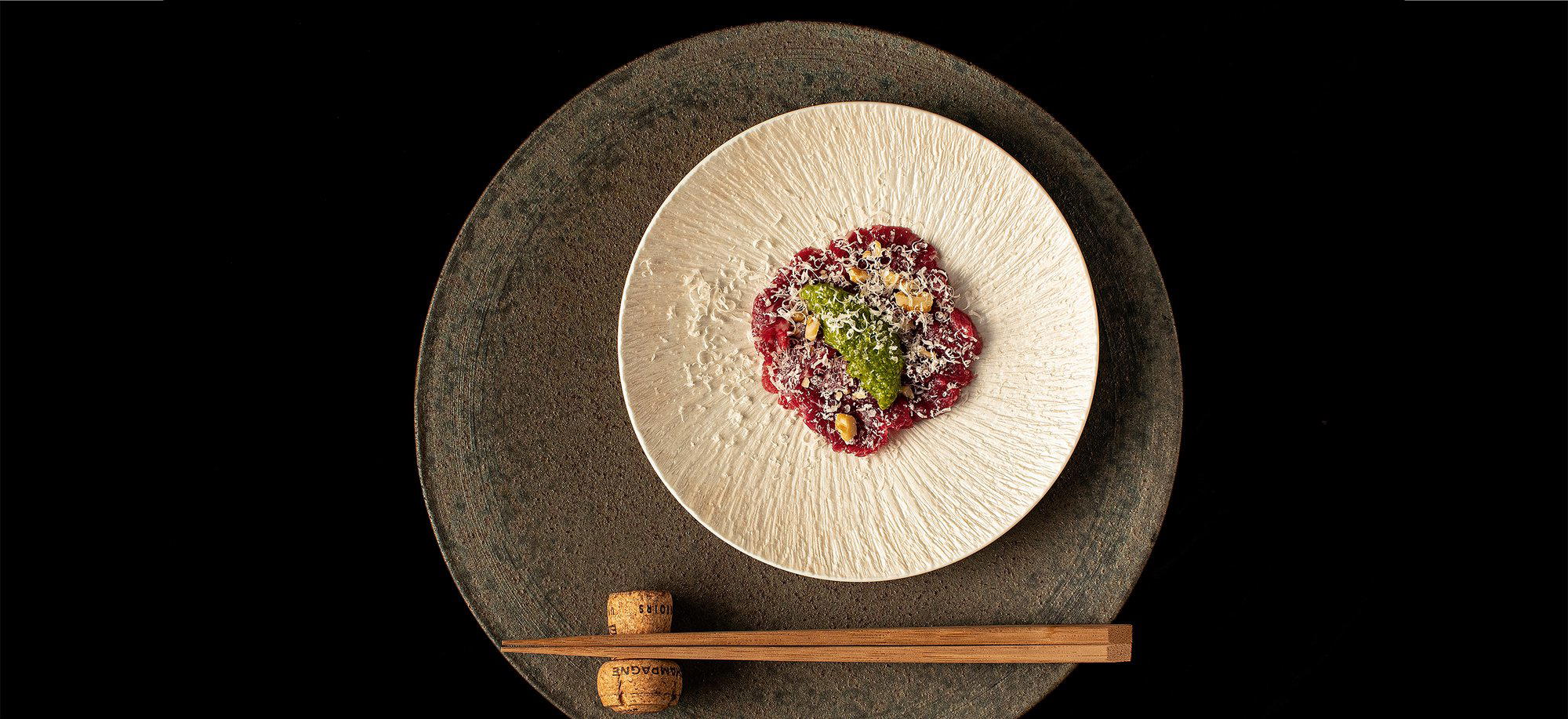
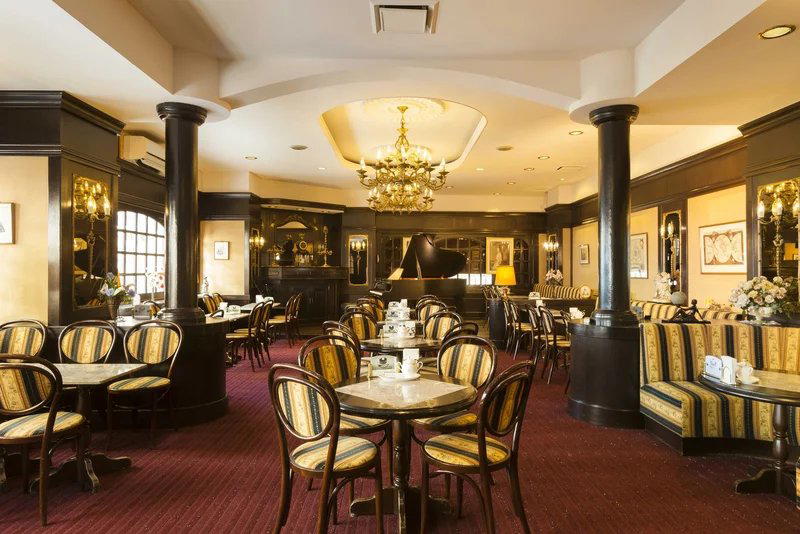
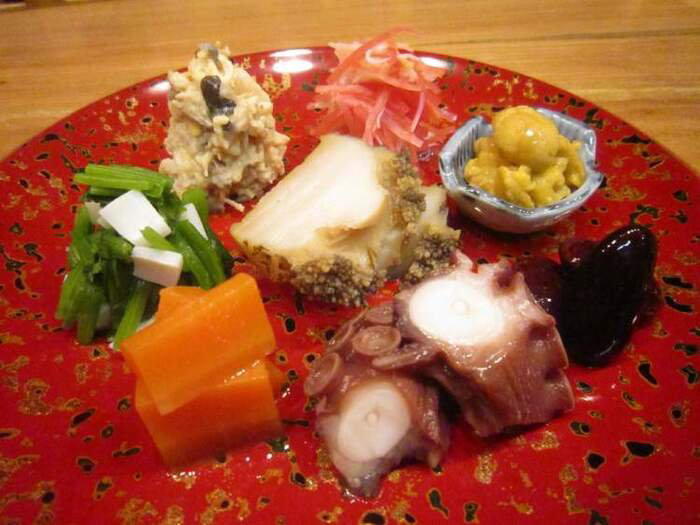
Bars in Aomori
Browse all →
Details
- Lively
- Cozy
- Intimate
- Casual Hangout
- After Work
- Group Dining
- Solo
- Date Night
- Standalone
- Chefs Counter
- Sake Program
- Beer Program
- Local Sourcing
- Sustainable Seafood
- A La Carte
- Omakase
- Counter Dining
- Small Plates
- Sake
- Shochu
- Beer
- Pescatarian Friendly
Current opening hours
- Monday
- 5–11 PM
- Tuesday
- 5–11 PM
- Wednesday
- 5–11 PM
- Thursday
- 5–11 PM
- Friday
- 5–11 PM
- Saturday
- Closed
- Sunday
- Closed
Hours can change for holidays and private events. Last verified .
A compact, cozy izakaya with counter and table seating, a lively after‑work atmosphere, and a focus on fresh seafood and drinks rather than formal decor.