
Tabelog 100 #78
Our verdict
Hirosaki’s izakaya culture rewards places that understand local drinking as dinner, not a prelude to it. Hasuya sits in that serious, sake-led bracket, recognized in Tabelog’s Izakaya EAST 100 for 2024 and 2025, with a format built around Japanese tavern cooking, sake, shochu, private rooms, and tatami-room hospitality.

Pearl is the En Primeur Club membership app, where members save venues, book tables and use the concierge.
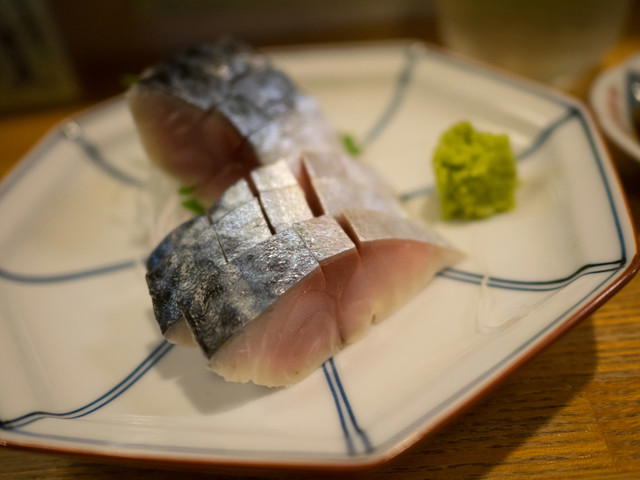
The menu
What to order
- Shrimp tempura
- Aomori local fish dishes
- Boiled fish and vegetable dishes
Approaching an izakaya in Hirosaki is not like entering a Tokyo after-work drinking den. The city moves to a colder, agricultural rhythm: apple orchards shape its economy, winter sharpens appetite, and evening rooms value steadiness over spectacle. Here, the izakaya is less casual fallback than serious local dining form, where sake, shared food, and conversation carry equal weight.
Hasuya belongs to that older understanding. Its recognition in Tabelog’s Izakaya EAST 100 in 2025 places it in a wider conversation that often favors metropolitan counters and tasting-menu rooms over regional taverns. Hirosaki is not imitating larger dining cities; northern Japan has its own grammar for drinking with food, and the stronger addresses make it legible without turning it into performance.
Hirosaki izakaya dining is built around drink, produce, and pacing
Aomori’s food identity is often reduced to apples, seafood, and winter, but the more useful reading is logistical. Seasonality here is not decorative. Agricultural and coastal supply shape restaurants, while long cold months make warm rooms, shared dishes, and generous drinking formats feel functional rather than nostalgic. In izakaya terms, the meal builds gradually: sake first, then food that keeps the table moving instead of forcing a linear progression.
The drink emphasis matters. Hasuya is categorized as both an izakaya and a Japanese sake bar, with sake central to how the venue should be understood. That places it apart from Hirosaki’s more formal circuit. Restaurant Yamazaki works in a composed dining register, while Sushi Uehara turns the decision toward sushi and countercraft. Il Filo and other Hirosaki dining rooms point to the city’s broader restaurant range. Hasuya keeps the focus on Japanese tavern structure, where pairing logic starts with the bottle and food follows in measured intervals.
That distinction helps travelers choosing one dinner in Hirosaki. A tasting-menu room asks for submission to sequence; a sushi counter asks for attention to craft and timing; a sake-led izakaya asks for appetite, patience, and willingness to let the evening stretch. The tavern format reinforces that social function. This is not a quick refueling stop, but a room where the meal’s shape is determined by the table as much as by the kitchen.
Why the Tabelog recognition matters outside Tokyo
Tabelog’s Izakaya EAST 100 selection is a useful signal because the izakaya category is crowded and uneven. Many taverns are pleasant; fewer sustain enough consistency, drink seriousness, and local pull to register beyond neighborhood use. Selection in 2025 gives Hasuya firmer standing than an ordinary listing, especially in a regional city where national attention is harder to earn than in larger dining centers.
The listing’s 3.64 score also needs the right reading. On Tabelog, mid-three numbers can show substantial local confidence, particularly outside categories drawing heavy destination-dining traffic. For izakaya, where meals are social and repeat-driven, that public rating plus a category award says more than a polished tasting-menu description. It indicates a place functioning for regulars while giving visitors a credible reason to notice.
Hirosaki’s dining map is compact but varied. é½ sits elsewhere in the local spread, and the broader city guide frames how formats divide the evening: Our full Hirosaki restaurants guide is the starting point for comparing dinner choices, while Our full Hirosaki hotels guide helps when the priority is staying close enough to let dinner run late. For fuller itineraries, Our full Hirosaki bars guide, Our full Hirosaki wineries guide, and Our full Hirosaki experiences guide add drinking and cultural context around the table.
The right way to read the room
The strongest izakaya experiences in Japan are rarely about chasing a named dish. They depend on format discipline: the drink list must make sense, the room must encourage lingering, and the kitchen must support repeated ordering without making the evening heavy too early. Hasuya’s sake-bar identity and izakaya structure point to a controlled version of the tavern form rather than a loose pub atmosphere.
There is a practical editorial lesson for visitors moving through Japan. Regional izakaya should not be judged against high-gloss omakase counters or hotel dining rooms. They work by local utility: friends gathering after work, tables settling in over nihonshu, and food serving conversation. Compared with destination restaurants in larger cities, the appeal lies in how clearly the room belongs to Hirosaki, not how aggressively it announces itself to outsiders.
For broader Japanese comparisons, separate category from geography. Beef-focused meals, charcoal-driven counters, compact specialists, casual urban stops, and sake-focused rooms all serve different dining intentions. Hasuya should be read within its own category: a Hirosaki izakaya and Japanese sake bar where drink, pacing, and shared-order logic matter more than formal restaurant theater. Even when similar formats travel beyond Japan, the useful comparison is structural rather than name-driven.
The editorial verdict is simple: Hasuya is the Hirosaki choice for travelers who want the city through its drinking table rather than a formal restaurant script. The award history supplies the trust signal, but the deeper reason to care is regional fit. In a city defined by northern produce, cold-season appetite, and unhurried evenings, a serious izakaya can explain more about place than a louder dining room ever could.
Frequently asked questions
Is Hasuya good for families?
Hasuya is categorized as an izakaya and Japanese sake bar. The Tabelog 100 Izakaya EAST 2025 selection points to a venue best understood through drinks, shared ordering, and an adult tavern format.
What should I expect atmosphere-wise at Hasuya?
Expect an izakaya and Japanese sake bar with a dinner price band of JPY 6,000–7,999. Its Tabelog 100 Izakaya EAST 2025 selection and Hirosaki location place it in the more serious end of local izakaya dining.
Is Hasuya more mid-range or high-end?
Pricing at Hasuya is listed as JPY 6,000 - JPY 7,999 View spending breakdown.
What is Hasuya known for?
Hasuya is primarily known as an izakaya and Japanese sake bar in Hirosaki, with Tabelog Izakaya EAST 100 recognition in 2025.
Comparable Spots, Quickly
Comparable venues by cuisine and price in the same metro.
| Venue | Cuisine | Price | Awards | Notes |
|---|---|---|---|---|
| HasuyaThis venue (the venue you are viewing) | Traditional Japanese Izakaya & Sake Bar | $30–50 | Tabelog 100 #78 | Not listed |
| Sushi Uehara | Traditional Seasonal Sushi Omakase | $50–100 | Tabelog 100 #66 | Dotemachi |
| Il Filo | Modern Italian with Game Cuisine | $50–100 | Not listed | Chuo Hirosaki |
| Restaurant Yamazaki | Seasonal French fine dining with Aomori apples | $50–100 | Tabelog 100 #43 | Oyakata-machi |
| é½ | Omakase Sushi | $50–100 | Not listed | Hirosaki |
| オステリア・エノテカ・ダ・サスィーノ | Farm-to-Table Italian | $150–200 | Tabelog Bronze #344 | Chuo Hirosaki |
Recognition history
Dated appearances from independent guides and award organizations, with the underlying list record or original source where available.
Tabelog 100 #78 · No. 78
Tabelog · Tabelog 100 - Izakaya - EAST - 2025
Continue exploring
More in Hirosaki
Restaurants in Hirosaki
All restaurants in Hirosaki →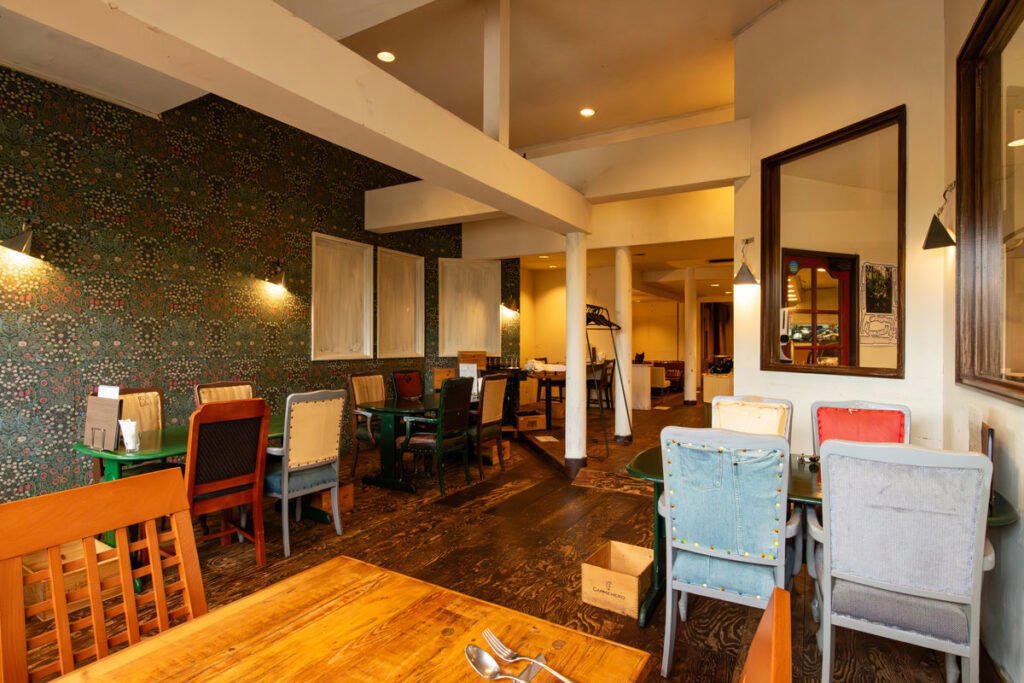
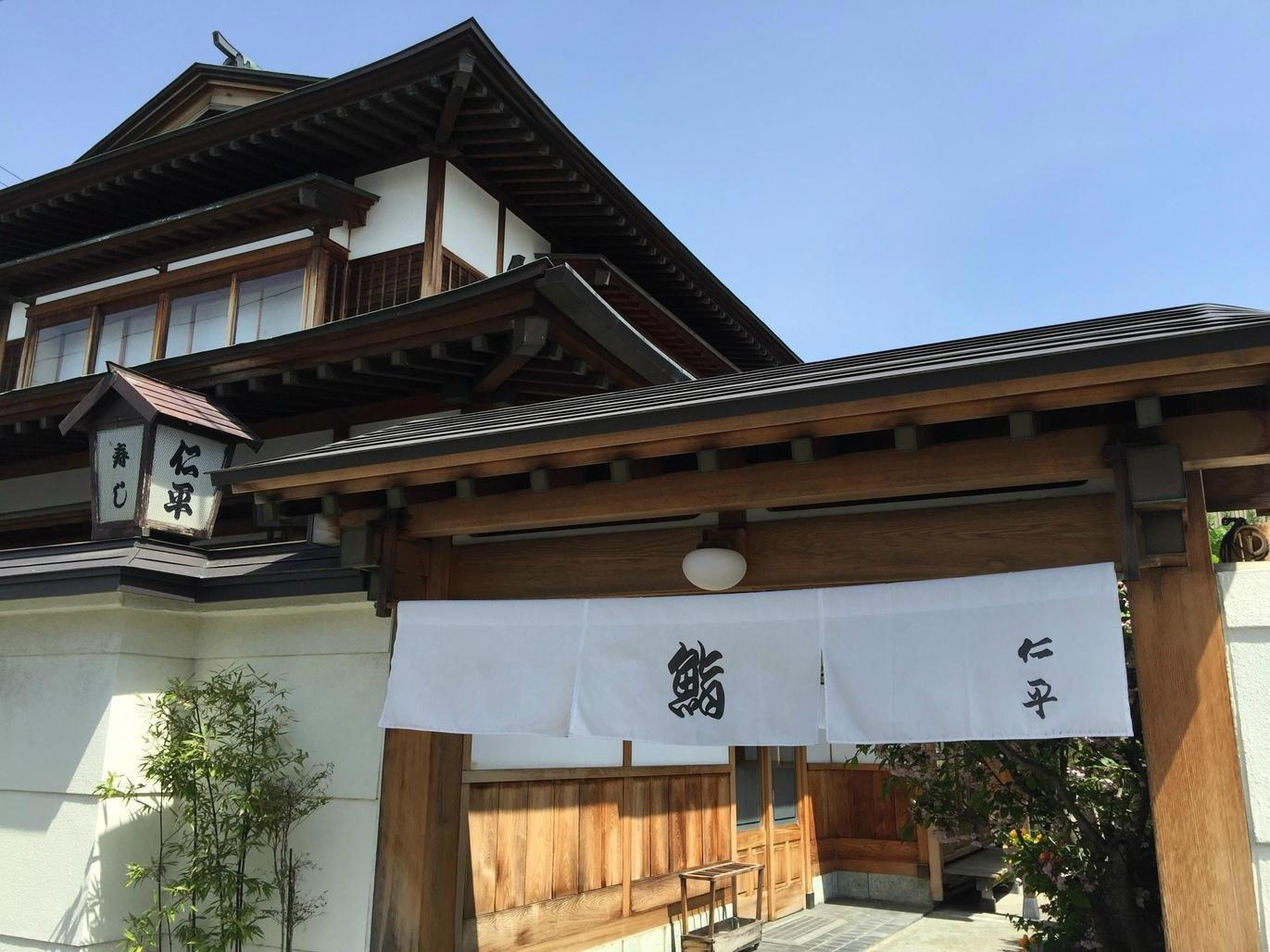
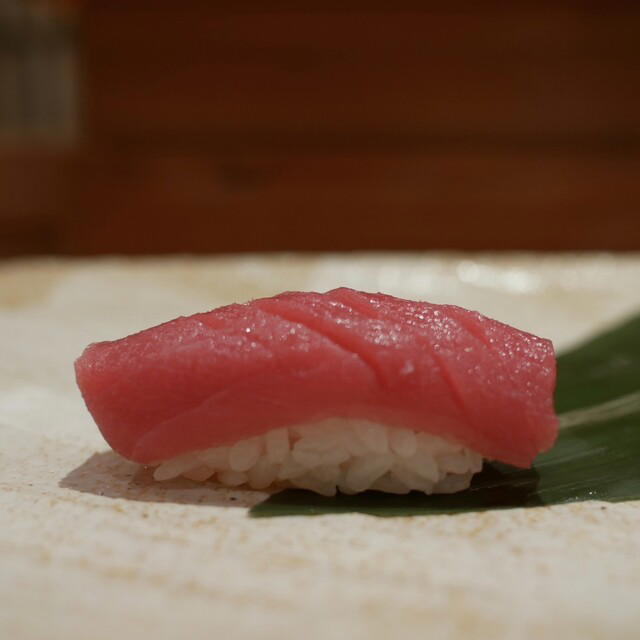
Bars in Hirosaki
All bars in Hirosaki →
Details
- Lively
- Cozy
- Intimate
- After Work
- Casual Hangout
- Group Dining
- Solo
- Date Night
- Celebration
- Standalone
- Private Dining
- Sake Program
- Beer Program
- A La Carte
- Small Plates
- Sake
- Beer
- Shochu
Current opening hours
- Monday
- 6 PM–12 AM
- Tuesday
- 6 PM–12 AM
- Wednesday
- 6 PM–12 AM
- Thursday
- 6 PM–12 AM
- Friday
- 6 PM–12 AM
- Saturday
- 6 PM–12 AM
- Sunday
- Closed
Hours can change for holidays and private events. Last verified .
Warm, intimate izakaya atmosphere with a cozy tatami interior, lively in the evenings and focused on sake-centric social drinking rather than formal dining.