
Tabelog 100 #43
Our verdict
Restaurant Yamazaki places French technique inside Hirosaki’s produce-led dining culture, with Aomori ingredients treated as the point rather than decoration. Its Tabelog French EAST “Tabelog 100” selections in 2021 and 2025, 3.73 score, and accessible lunch-to-dinner pricing make it a useful reference for how regional Japan supports serious French cooking beyond the big-city circuit.

Pearl is the En Primeur Club membership app, where members save venues, book tables and use the concierge.
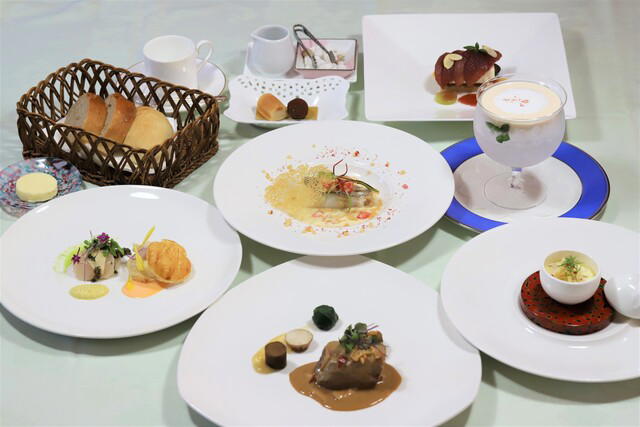
The menu
What to order
- Miracle and Friendship Apple chilled soup
- Miracle & Friendship Apple full-course menu
- Hirosaki French omakomi course
- A5 wagyu cheek red wine stew
- Apple-rich Hirosaki-style apple pie
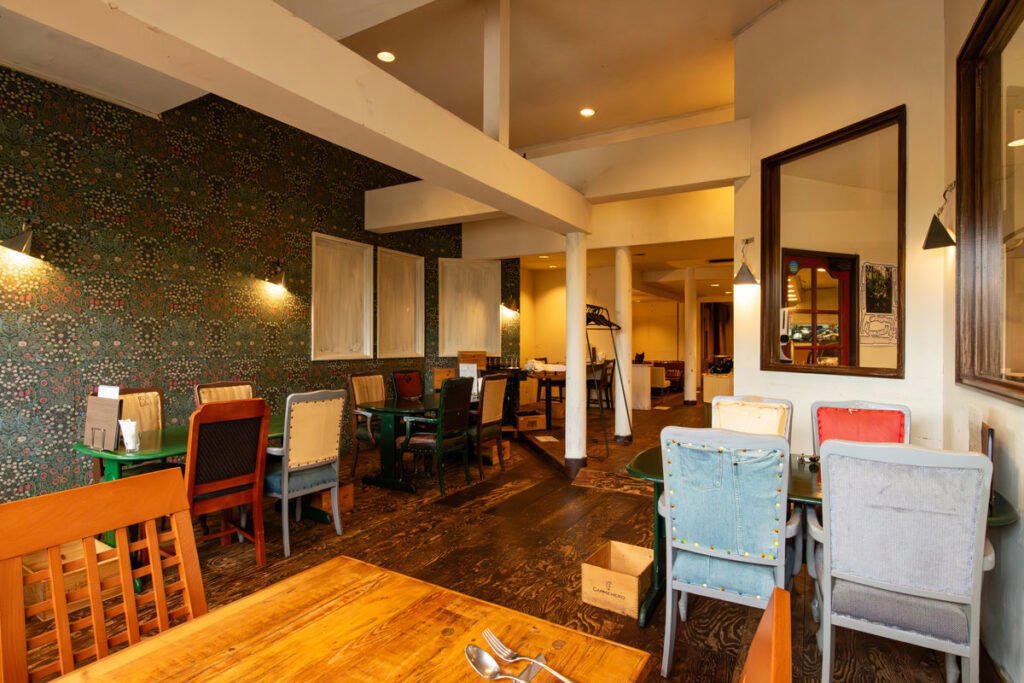
Hirosaki’s restaurant culture is easier to understand through its rooms than through a list of dishes. The city rewards places that feel domestic in scale, locally rooted, and less theatrical than the luxury counters of Tokyo or Kyoto. Restaurant Yamazaki fits that rhythm: a Hirosaki restaurant where French cooking provides a frame for a regional meal rather than reading as imported ceremony.
That matters in Hirosaki, where seasonality is not merely a slogan borrowed from fine dining. Aomori’s food identity is strongly regional, shaped by northern Honshu’s climate and dining habits. French kitchens here have a different job from those in metropolitan dining districts: they translate local context into courses without losing the directness that makes the region worth eating in. The cooking category may be French, but the editorial interest is the Hirosaki setting.
Aomori ingredients, French grammar, Hirosaki scale
The useful way to read this table is as regional French, not as a provincial copy of Tokyo fine dining. The appeal is a kitchen built around its northern Japan setting rather than an imported luxury template. Wine may be part of the frame, but the broader point is how the meal acknowledges Japanese dining habits alongside French structure.
The recognition gives that context weight. Restaurant Yamazaki is listed in Tabelog’s 2025 Hyakumeiten recognition set and carries a Tabelog score of 3.73. In Japan, where Tabelog scoring can be severe and regionally uneven, that score places the restaurant in a serious local bracket. It is not merely a pleasant regional stop; it has enough national-platform validation to make Hirosaki’s French scene visible to travellers who normally plan around sushi, kaiseki, or ramen.
Hirosaki has a compact but varied dining map. Sushi Uehara represents the city’s sushi lane, while オステリア・エノテカ・ダ・サスィーノ points toward the Italian and wine-driven side of the city. é½ sits in the local comparison set as another Hirosaki reference point. Against those peers, French cooking here reads less like a genre choice and more like a way to organize Hirosaki’s regional dining culture into a composed meal.
The value is in regional seriousness, not ceremony
Price is part of the argument. The restaurant’s listed range is dinner at JPY 6,000 - JPY 7,999 and lunch at JPY 3,000 - JPY 3,999, placing it in the middle of Japan’s serious regional dining economy rather than in the luxury tasting-menu tier. That makes the experience especially relevant for travellers building a northern Japan itinerary around food: it offers award-recognized French cooking without demanding the financial commitment associated with major-city destination counters. The comparison with Hirosaki sushi is useful because it shows how different formats price themselves in the same city; technique, sourcing, and format matter more than broad labels such as “fine dining.”
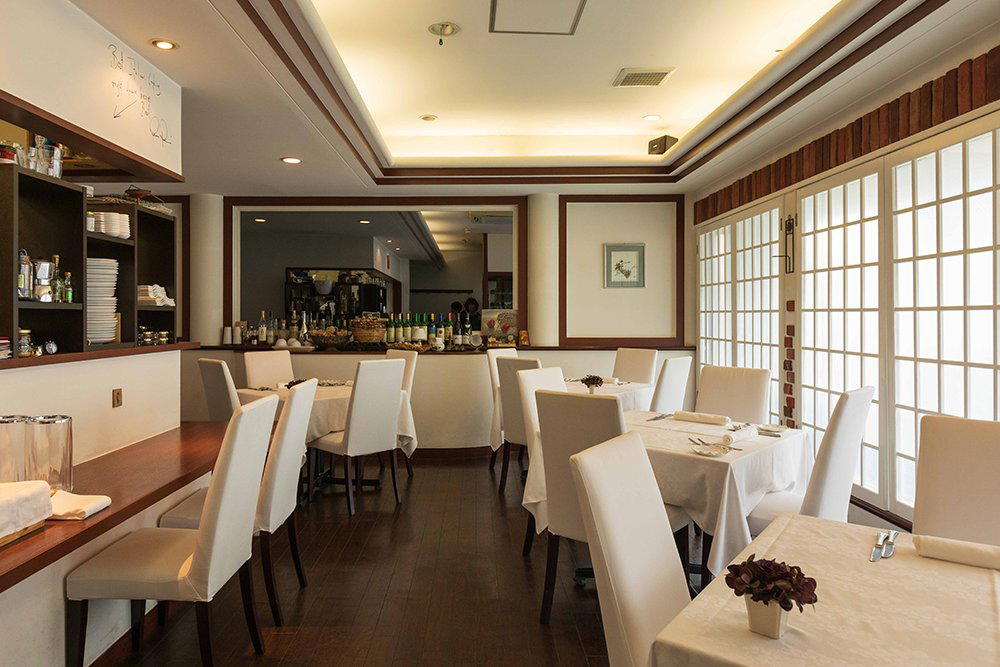
The room’s scale also shapes the meal, though the stronger point is not a checklist of amenities. Restaurant Yamazaki reads as a regional dining room rather than a hushed temple to chef performance. Its usefulness lies in being approachable enough for a Hirosaki trip while retaining enough discipline to appear in a French-category recognition set.
That combination is increasingly relevant outside Japan’s largest cities. Regional dining has become less about finding a single trophy restaurant and more about reading how a city eats across formats. In Hirosaki, French technique, sushi craft, Italian wine culture, and local Japanese cooking overlap within a small radius. For a broader map of that scene, use Our full Hirosaki restaurants guide, then cross-check where the city sleeps, drinks, and spends time through Our full Hirosaki hotels guide, Our full Hirosaki bars guide, Our full Hirosaki wineries guide, and Our full Hirosaki experiences guide.
How to place it in a Hirosaki food itinerary
Restaurant Yamazaki works especially well as the French-category anchor of a Hirosaki itinerary. Pair it with other Hirosaki dining rooms for a broader read on how smaller Japanese cities absorb European formats without flattening local identity. The point is not to chase cuisine labels; it is to see how regional character moves through different kitchens, price brackets, and service styles.
Travellers extending the trip across Japan can use the contrast to sharpen expectations. Other regional dining rooms across Japan frame local products through different lenses, while bigger-city restaurants show how similar ideas operate in denser dining markets. For readers following Japanese food culture abroad, casual drinking rooms and rice-focused counters overseas can offer a separate view of how Japanese habits translate outside Japan.
The editorial case is clear: Hirosaki’s serious dining is not only about tradition in the narrow sense. It is about how a northern city lets regional culture pass through different culinary languages. Restaurant Yamazaki is the French-language version of that argument, credible because of its 2025 Tabelog recognition, useful because of its regional price point, and revealing because the food conversation starts in Hirosaki rather than in Paris.
Frequently asked questions
Is Restaurant Yamazaki a family-friendly restaurant?
Restaurant Yamazaki is best understood as an approachable Hirosaki dining room, but travellers should confirm current policies directly with the restaurant before visiting with children.
What's the overall feel of Restaurant Yamazaki?
It reads as a Hirosaki restaurant focused on French cooking through a regional Aomori lens. Tabelog’s 2025 recognition and 3.73 score put it in a serious category for local dining.
What's the pricing like at Restaurant Yamazaki?
Pricing at Restaurant Yamazaki is listed as dinner at JPY 6,000 - JPY 7,999 and lunch at JPY 3,000 - JPY 3,999.
Is Restaurant Yamazaki open every day?
Opening days and hours are not provided here; confirm the current schedule directly with Restaurant Yamazaki before planning a visit.
Where is Restaurant Yamazaki in Hirosaki?
Hirosaki.
How It Stacks Up
Comparable venues by cuisine and price in the same metro.
| Venue | Cuisine | Price | Awards | Notes |
|---|---|---|---|---|
| Restaurant YamazakiThis venue (the venue you are viewing) | Seasonal French fine dining with Aomori apples | $50–100 | Tabelog 100 #43 | Not listed |
| Il Filo | Modern Italian with Game Cuisine | $50–100 | Not listed | Chuo Hirosaki |
| é½ | Omakase Sushi | $50–100 | Not listed | Hirosaki |
| Hasuya | Traditional Japanese Izakaya & Sake Bar | $30–50 | Tabelog 100 #78 | Chuo Hirosaki |
| Sushi Uehara | Traditional Seasonal Sushi Omakase | $50–100 | Tabelog 100 #66 | Dotemachi |
| オステリア・エノテカ・ダ・サスィーノ | Farm-to-Table Italian | $150–200 | Tabelog Bronze #344 | Chuo Hirosaki |
Recognition history
Dated appearances from independent guides and award organizations, with the underlying list record or original source where available.
Tabelog 100 #43 · No. 43
Tabelog · Tabelog 100 - French - EAST - 2025
Continue exploring
More in Hirosaki
Restaurants in Hirosaki
All restaurants in Hirosaki →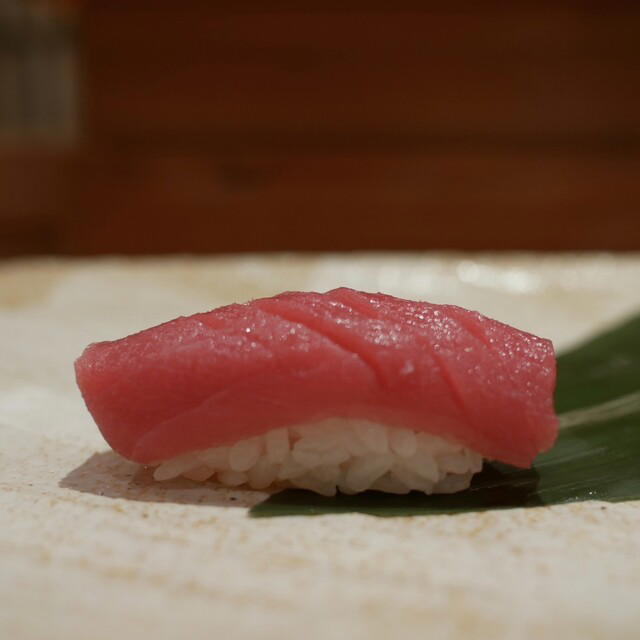
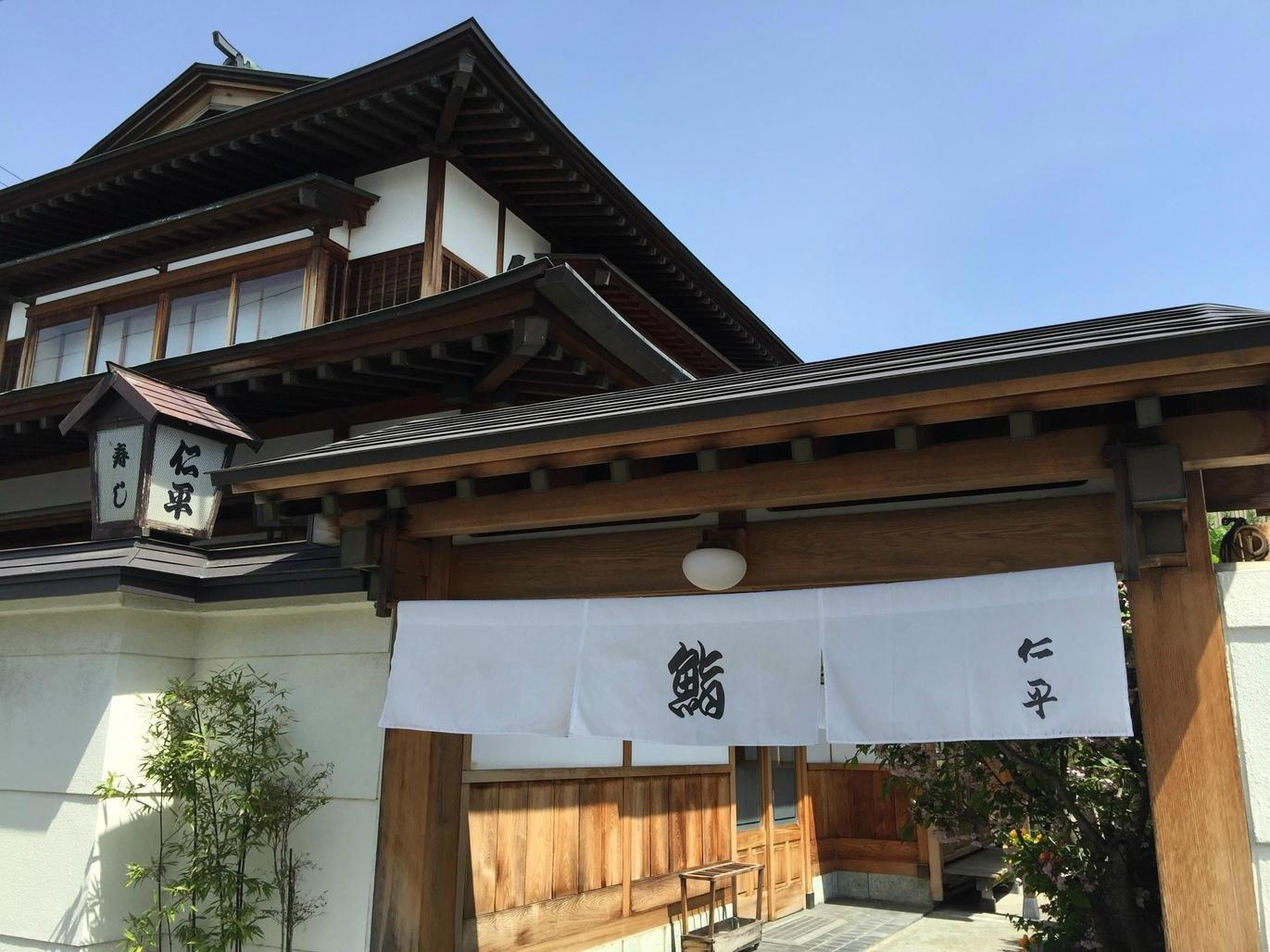
Bars in Hirosaki
All bars in Hirosaki →
Details
- Elegant
- Classic
- Cozy
- Romantic
- Date Night
- Business Dinner
- Celebration
- Special Occasion
- Group Dining
- Standalone
- Private Dining
- Extensive Wine List
- Farm To Table
- Local Sourcing
- Organic
- Set Menu
- Tasting Menu
- Wine
Current opening hours
- Monday
- Closed
- Tuesday
- 11:30 AM–3 PM, 5:30–8 PM
- Wednesday
- 11:30 AM–3 PM, 5:30–8 PM
- Thursday
- 11:30 AM–3 PM, 5:30–8 PM
- Friday
- 11:30 AM–3 PM, 5:30–8 PM
- Saturday
- 11:30 AM–3 PM, 5:30–8 PM
- Sunday
- 11:30 AM–3 PM, 5:30–8 PM
Hours can change for holidays and private events. Last verified .
An intimate, quietly elegant dining room with a classic French feel, white-tablecloth formality, and a relaxed, unhurried pace suited to multi-course meals.