
Tabelog 100 #11
Our verdict
Nano Hana sits in Aomori’s serious regional-Japanese tier, where seafood, sake, and compact counter dining carry more weight than spectacle. Its 2025 selection for Tabelog 100 Japanese Cuisine EAST and small 16-seat format place it in the city’s higher-end conversation, with a fish-led kitchen and private-room option adding range for business dinners or quiet meals with friends.

Pearl is the En Primeur Club membership app, where members save venues, book tables and use the concierge.
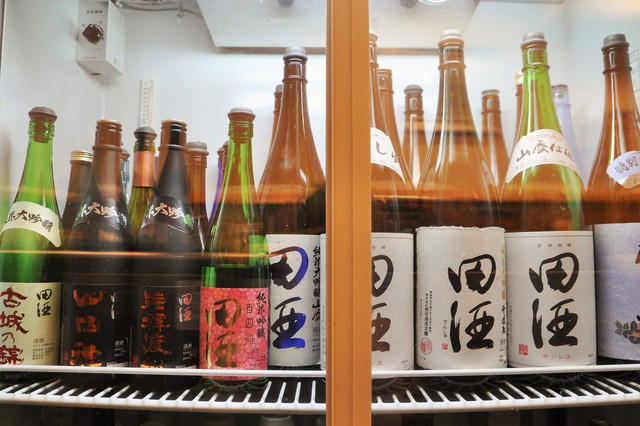
Aomori after dark has the hush of a northern Japanese dining city: low façades, discreet signs, and restaurants that ask for attention rather than demand it. In Aomori, regional Japanese cooking is tied not to imported luxury codes but to local seasonality, sake culture, and a calendar that moves north later than Tokyo or Kyoto. Nano Hana fits that register: a Japanese and regional-cuisine restaurant with a food identity anchored in Aomori rather than theatrical technique.
Aomori’s dining reputation is often reduced to apples, seafood markets, and winter travel, but its sharper tables work in a narrower local grammar. The surrounding region gives the city a strong sense of place, and the prefecture’s sake culture rewards restaurants that treat the meal as part of a broader local rhythm. The draw is a serious local kitchen framed by the language of Japanese and regional cuisine.
Regional Japanese cooking in a northern city
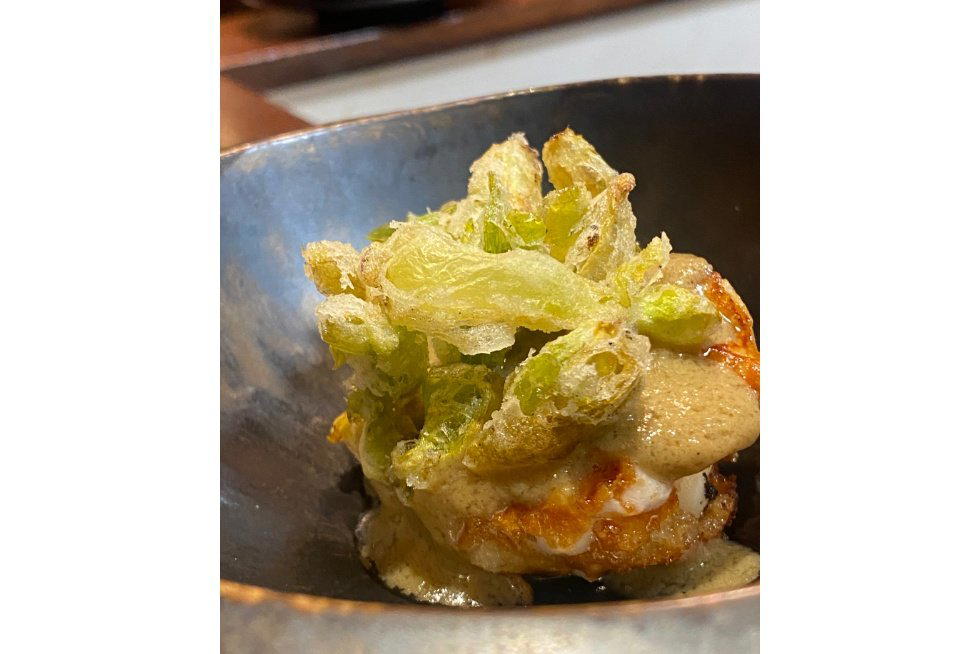
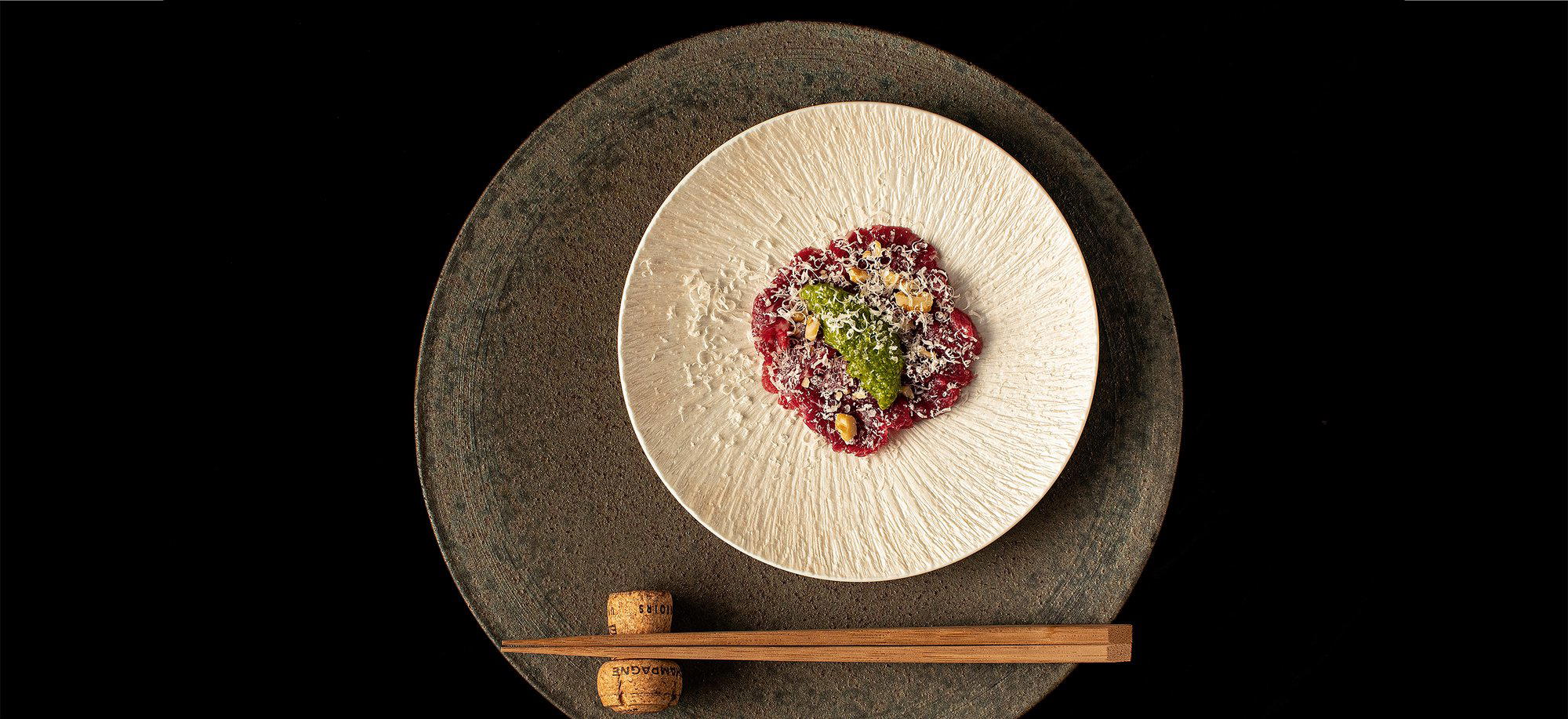
The restaurant’s public identity is unusually clear for an Aomori dining room: Japanese cuisine and regional cuisine. In a city rich in casual seafood and izakaya formats, that makes the experience more deliberate: regional cooking as an edited sequence rather than a broad menu of local references.
The 2025 selection for Tabelog 100 Japanese Cuisine EAST gives the room a useful signal beyond local word of mouth. Tabelog’s Hyakumeiten lists are not Michelin stars and should not be read as the same inspection system, but in Japan they have practical meaning: they mark restaurants that have drawn sustained diner attention within a defined cuisine category and region. For Aomori, that places Nano Hana in a documented national dining context rather than leaving it only as a local recommendation.
Comparison within Aomori is instructive. Hata Zen belongs in the same broader conversation about serious local dining, while Tsugaru Kappou Mirai, Sushi Izakaya Taru, Sumibi Yakiniku Daijun, and アルチェントロ answer different appetites across the city. Nano Hana is best read through its Japanese and regional-cuisine identity, its listed dinner budget of JPY 15,000 - JPY 19,999, and its 2025 Hyakumeiten recognition.
Seasonality is especially legible in Aomori because spring arrives late by Japanese standards. Northern menus do not simply mirror the Tokyo calendar; the same national seasonal language runs here on a cooler, later rhythm. That makes a regional restaurant in Aomori feel distinct even when it shares the broader vocabulary of Japanese cuisine.
A composed Aomori mood
The room’s appeal comes from its place in Aomori’s dining ecosystem. Nano Hana sits closer to a focused Japanese dining choice than a broad, high-volume restaurant, and that changes the tempo: fewer distractions, a more considered meal, and more focus on the restaurant’s regional identity.
That distinction explains the restaurant’s appeal. Aomori has many places where the evening is about volume, drinking, and abundance; Nano Hana operates differently. It asks diners to accept a slower frame, suited to Japanese and regional cooking better served by restraint than excess. The reason to choose this category is not a trophy meal, but to see northern Japanese cooking edited for a serious local table.
For travellers mapping a fuller Aomori itinerary, place this dinner after the city’s broader food references are understood. Use Our full Aomori restaurants guide for the wider dining spread, then contrast this composed style with accessible local stops and other Aomori dining rooms. The city’s appeal is built by moving between regional formality, casual sweets, international cooking, and everyday local places.
The same logic applies beyond restaurants. Aomori rewards planning across categories rather than treating dinner as the whole trip. Our full Aomori hotels guide, Our full Aomori bars guide, Our full Aomori wineries guide, and Our full Aomori experiences guide frame the city as a northern base rather than a single-night stop. That broader view suits a restaurant whose meal makes more sense against climate, coast, sake, and season.
How it fits into a wider Japan itinerary
Travellers who build Japan trips around food often over-concentrate on Tokyo, Kyoto, and Osaka, then treat regional cities as add-ons. Aomori argues for the reverse: start with product and climate, then choose the dining format. Nano Hana suits diners seeking a serious expression of northern Japanese cuisine rather than another metropolitan tasting-menu analogue. It is also a useful counterpoint to meals elsewhere in Japan, from beef-focused formats to seafood-led rooms.
That contrast extends across the country’s less obvious food stops, where different cities sit in different culinary conversations. Overseas Japanese-adjacent addresses show how far Japanese drinking and everyday rice culture travel when removed from their source. Aomori’s value is the opposite: the ingredients and context feel close to the city, and proximity gives the meal meaning.
The critical read is simple. This is not the Aomori choice for diners chasing noise, novelty, or a long list of named signature dishes. It is the choice for a controlled regional-Japanese dinner, backed by a 2025 Tabelog 100 Japanese Cuisine EAST selection, a listed score of 3.77, and a dinner budget of JPY 15,000 - JPY 19,999. In a northern city too often reduced to scenery and market eating, Nano Hana is a serious marker of how Aomori cooks when it slows down.
Frequently asked questions
Is Nano Hana okay with children?
The provided venue details do not specify a children policy. The restaurant is best understood from its public categories: Japanese Cuisine and Regional Cuisine.
What's the vibe at Nano Hana?
Composed and low-key fits it better than grand or showy. Nano Hana is an Aomori restaurant listed for Japanese Cuisine and Regional Cuisine, with recognition in the 2025 Tabelog 100 Japanese Cuisine EAST selection.
What's the price range at Nano Hana?
Pricing at Nano Hana is listed as JPY 15,000 - JPY 19,999 View spending breakdown.
Where is Nano Hana located?
Aomori.
How hard is it to get a table at Nano Hana?
The provided venue details do not give a precise difficulty level for reservations. The Tabelog 100 Japanese Cuisine EAST 2025 selection gives it extra visibility among Aomori diners.
Price and Recognition
Comparable venues by cuisine and price in the same metro.
| Venue | Cuisine | Price | Awards | Notes |
|---|---|---|---|---|
| Nano HanaThis venue (the venue you are viewing) | Japanese Regional Fine Dining | $100–150 | Tabelog 100 #11 | Not listed |
| Sushi Izakaya Taru | Sushi Izakaya & Seafood Tavern | $50–100 | Tabelog 100 #90 | Shimmachi, Sushi Izakaya & Seafood Tavern |
| アルチェントロ | Locally-Sourced Italian with Tohoku Ingredients | $50–100 | Tabelog 100 #62 | Aomori, Locally-Sourced Italian with Tohoku Ingredients |
| Tsugaru Kappou Mirai | Tsugaru kappo / kaiseki using local Aomori ingredients | $100–150 | Tabelog 100 #58 | Aomori City, Tsugaru kappo / kaiseki using local Aomori ingredients |
| Dan Dan | Traditional Japanese Izakaya | $30–50 | Tabelog 100 #85 | Hachinohe City, Traditional Japanese Izakaya |
| Petit Restaurant Bouquet de France | French with Local Aomori Ingredients | $100–150 | Tabelog Bronze #38 | Nijigaoka, French with Local Aomori Ingredients |
Recognition history
Dated appearances from independent guides and award organizations, with the underlying list record or original source where available.
Tabelog 100 #11 · No. 11
Tabelog · Tabelog 100 - Japanese cuisine - EAST - 2025
Continue exploring
More in Aomori
Restaurants in Aomori
All restaurants in Aomori →
Bars in Aomori
Browse all →
Details
- Sophisticated
- Classic
- Cozy
- Date Night
- Special Occasion
- Business Dinner
- Standalone
- Sake Program
- Local Sourcing
- Prix Fixe
- Counter Dining
- Sake
Quiet, intimate, and refined, with a small counter-driven dining room suited to a focused culinary experience.