
Tabelog 100 #7
Our verdict
Sumibi Yakiniku Daijun gives Aomori a serious charcoal-yakiniku address rather than another seafood-first dinner choice. Its Tabelog 100 - Yakiniku - EAST - 2025 selection, 30-seat scale, tripe category, counter and tatami seating, and drinks spanning sake, shochu, wine, and cocktails place it in a focused local bracket for beef, offal, and smoke.

Pearl is the En Primeur Club membership app, where members save venues, book tables and use the concierge.
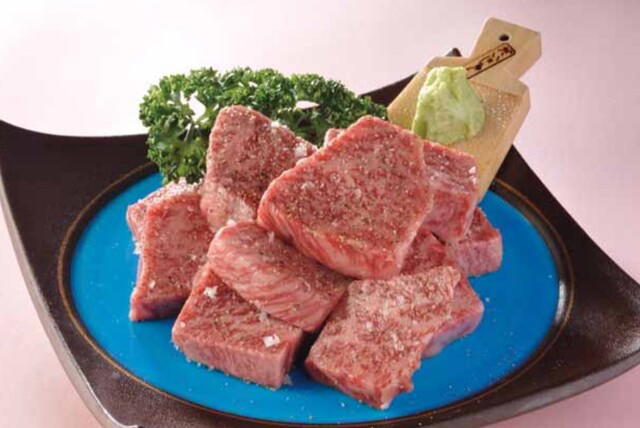
The menu
What to order
- Daijun Kalbi
- Thick-cut Beef Tongue
- Mixed Beef and Pork Horumon
- Fresh Wagyu Cuts
Charcoal changes the mood of dinner in Aomori. The city is often read through fish markets, apples, and northern produce, but a grill room works by a different rhythm: heat, timing, small cuts, and the social contract of cooking at the table. Sumibi Yakiniku Daijun belongs to that strand of eating, where the source of flavour is not a sauce-heavy kitchen but the meeting point between grilled meat, tripe, fat, salt, smoke, and a diner paying attention.
That matters in Aomori because the city’s restaurant identity is broader than seafood alone. Serious travellers often plan around kappo, sushi, izakaya, and regional cooking, then miss the grill culture that locals use for family dinners and group meals. Yakiniku is not a substitute for a formal tasting counter; it is a separate category with its own measures of quality. The important questions are simpler and less forgiving: how the cuts are portioned, how tripe is handled, how the grill behaves, and whether the room lets the table settle into its own pace.
Charcoal yakiniku gives Aomori's grill-and-tripe scene its own grammar
Japanese yakiniku has a Korean barbecue ancestry but became a distinctly Japanese format through precision butchery, tare, salt seasoning, and a cut-by-cut ordering style. In northern Japan, that format can sit neatly beside sake and shochu rather than grand wine-pairing theatre. The category rewards restaurants that understand texture as much as luxury: leaner cuts need restraint, fattier cuts need heat control, and tripe is a test of handling and prep rather than a side note.
Sumibi Yakiniku Daijun is listed for yakiniku and tripe, a useful signal because tripe separates casual grill shops from more serious meat restaurants. Tripe demands confidence from both kitchen and diner; it has to be cleaned, cut, and seasoned with enough precision to make chew a pleasure rather than an endurance test. In a charcoal setting, that also means managing flare, surface char, and timing. The appeal is elemental, but the execution is not loose.
The Tabelog Hyakumeiten 2025 recognition places the restaurant within a broader conversation rather than only an Aomori one. Tabelog’s Hyakumeiten lists tend to reward category specialists, and for a city outside Japan’s larger dining capitals, inclusion in a dedicated restaurant list is a meaningful trust signal. It does not turn dinner into ceremony. It does suggest that the kitchen is being judged in a wider field of grill restaurants, where consistency and ingredient handling carry more weight than decoration.
Within Aomori, the comparison is instructive. Higher-spend regional dining in the city often points toward places such as Nano Hana, Hata Zen, and Tsugaru Kappou Mirai, where the expectation leans toward composed seasonal cooking. Sushi Izakaya Taru sits closer to the relaxed seafood-and-drinks lane. Yakiniku occupies another lane again: interactive, meat-led, less formal, and better suited to diners who want the meal to build through repeated small decisions rather than a fixed progression.
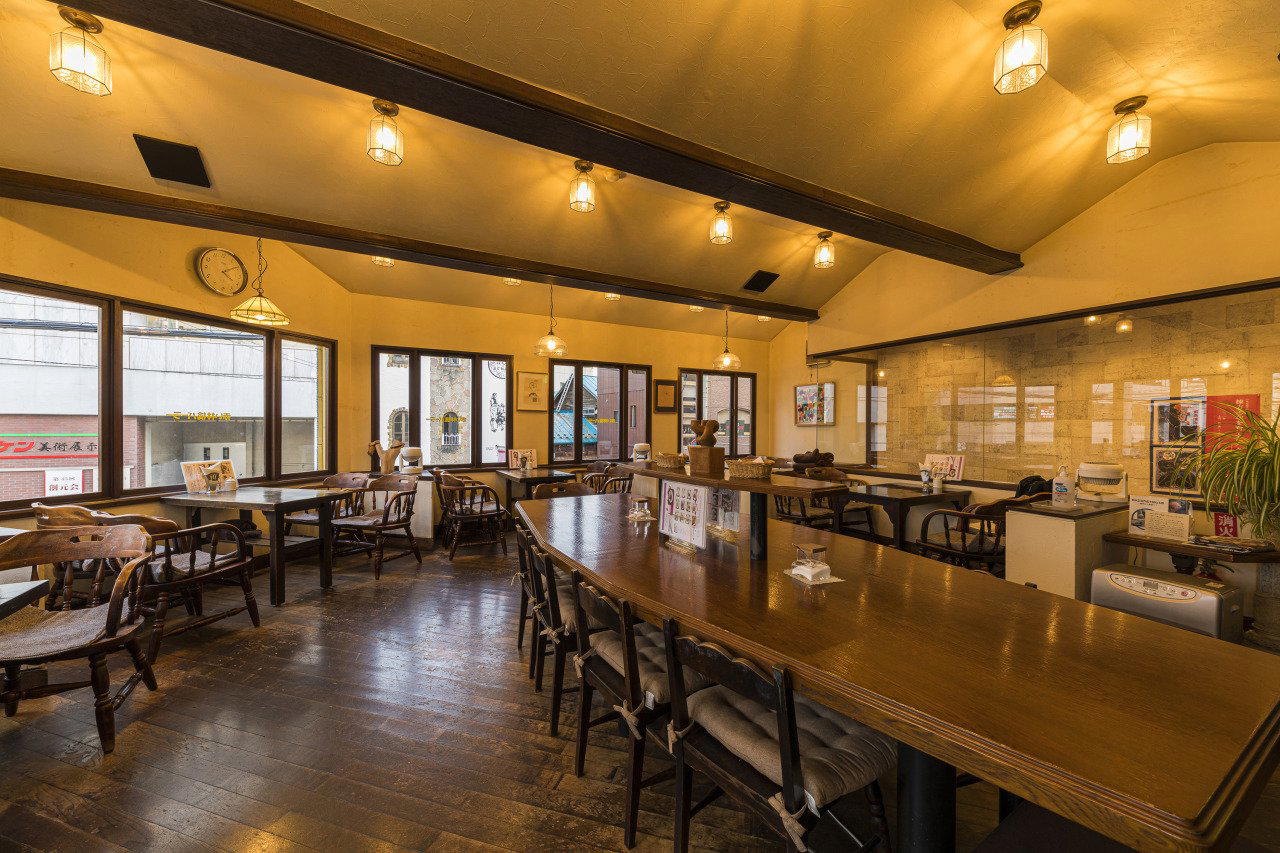
A compact room suits the format better than spectacle
The scale is part of the read. Sumibi Yakiniku Daijun is best understood as a focused grill restaurant rather than a room built around spectacle. The format creates two different versions of the same meal: one built around close attention to ordering and grill timing, and another built around the social side of yakiniku, where plates move across the table and the pace is set collectively. The point is not austerity; it is the ease of a dinner shaped by heat, appetite, and conversation.
The drinking rhythm also points to practical range rather than a single doctrinal pairing. Sake, shochu, beer, wine, or other table drinks can all make sense with grilled meat and tripe, especially when salt, fat, and smoke are doing much of the work. That flexibility is useful in Aomori, where a visiting diner may be moving from seafood lunches to drinks to late dinners; a grill restaurant can absorb different appetites without forcing the meal into one script.
There is a useful restraint in choosing this kind of dinner in a regional Japanese city. It avoids the reflex to chase only formal counters and instead treats everyday premium categories with respect. Aomori’s ingredients are not only expressed through pristine raw fish or composed kaiseki-style plates. They also appear through fat, chew, smoke, and the satisfaction of a table that knows when to leave a piece alone for another few seconds.
Where it fits into an Aomori itinerary
For travellers building a serious Aomori food plan, Sumibi Yakiniku Daijun works as the meat-focused counterweight to the city’s seafood and regional cooking. Pair it with a broader read of the city through Our full Aomori restaurants guide, then map the rest of the trip through Our full Aomori hotels guide, Our full Aomori bars guide, Our full Aomori wineries guide, and Our full Aomori experiences guide. Nearby dining context matters: Hata Zen speaks to a different Aomori appetite, while other Aomori dining rooms broaden the city’s non-yakiniku map.
For readers comparing grill and casual Japanese formats beyond Aomori, useful reference points include other dining rooms in Japan and abroad. The through-line is not cuisine type alone, but the way focused formats can tell more about a city than another polished tasting menu.
Frequently asked questions
Can I bring kids to Sumibi Yakiniku Daijun?
Publicly provided details do not establish a specific children policy here. For family dinners in Aomori, check the venue's official channels for the latest details before booking.
How would you describe the vibe at Sumibi Yakiniku Daijun?
It is a charcoal-yakiniku restaurant in Aomori, listed for yakiniku and tripe. The Tabelog Hyakumeiten 2025 recognition signals recognition beyond a purely local listing, while the JPY 6,000 - JPY 7,999 price band keeps it in reach for a dinner out in Aomori.
What should I budget for a meal at Sumibi Yakiniku Daijun?
Pricing at Sumibi Yakiniku Daijun is listed as JPY 6,000 - JPY 7,999.
What is Sumibi Yakiniku Daijun known for?
Sumibi Yakiniku Daijun is known for yakiniku and tripe in Aomori, with a Tabelog Hyakumeiten recognition in 2025.
How It Stacks Up
Comparable venues by cuisine and price in the same metro.
| Venue | Cuisine | Price | Awards | Notes |
|---|---|---|---|---|
| Sumibi Yakiniku DaijunThis venue (the venue you are viewing) | Traditional Japanese Yakiniku | $20–30 | Tabelog 100 #7 | Not listed |
| Dan Dan | Traditional Japanese Izakaya | $30–50 | Tabelog 100 #85 | Hachinohe City |
| アルチェントロ | Locally-Sourced Italian with Tohoku Ingredients | $50–100 | Tabelog 100 #62 | Aomori |
| NATUR | Artisanal Gelato & Ice Cream | $1–10 | Tabelog 100 #67 | Shinmachi |
| Kaikyo So | Traditional Japanese Seafood | Not listed | Tabelog 100 #91 | Oma Town |
| Minato Shokudo | Casual Japanese seafood diner & kaisen-don | $10–20 | Tabelog 100 #76 | Hachinohe (Mutsu Minato area) |
Recognition history
Dated appearances from independent guides and award organizations, with the underlying list record or original source where available.
Tabelog 100 #7 · No. 7
Tabelog · Tabelog 100 - Yakiniku - EAST - 2025
Continue exploring
More in Aomori
Restaurants in Aomori
All restaurants in Aomori →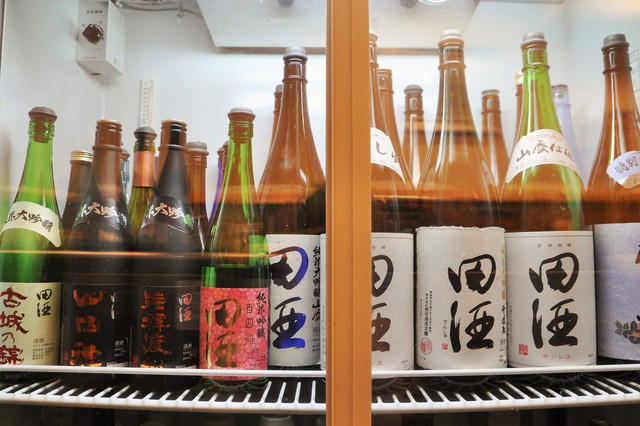
Bars in Aomori
Browse all →
Details
- Lively
- Cozy
- Group Dining
- Casual Hangout
- After Work
- Family
- Standalone
- Beer Program
- Sake Program
- Local Sourcing
- A La Carte
- Family Style
- Beer
- Sake
Current opening hours
- Monday
- Closed
- Tuesday
- 5–11 PM
- Wednesday
- 5–11 PM
- Thursday
- 5–11 PM
- Friday
- 5–11 PM
- Saturday
- 5–11 PM
- Sunday
- 5–11 PM
Hours can change for holidays and private events. Hours as of .