Il Casale
Il Casale brings Italian regional cooking to Belmont, Massachusetts, operating from a Leonard Street address that has become a reference point for the town's sit-down dining scene. The kitchen draws on the traditions of the Italian peninsula rather than the red-sauce vernacular that long defined Italian-American dining in Greater Boston. For residents west of Cambridge who want substantive Italian food without a city drive, it fills a specific gap.
Pearl is the En Primeur Club membership app — saves, bookings, and concierge access live there. Same editors, same standards.
- Address
- 50 Leonard St, Belmont, MA 02478
- Phone
- +16172094942
- Website
- ilcasalegroup.com
- Directions
- Get directions
 Saves & bookings on Pearl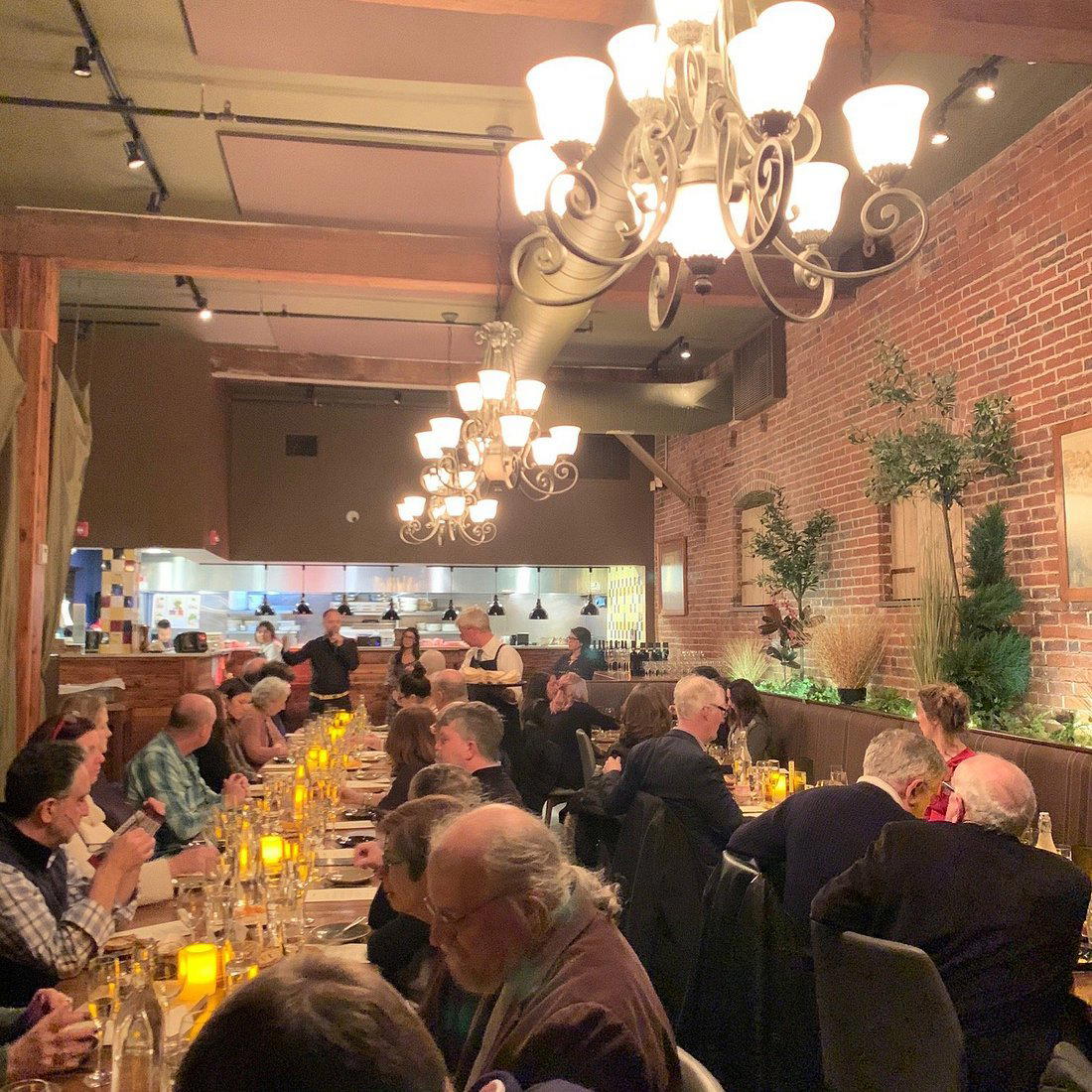
Il Casale is a traditional Italian trattoria in Belmont, Massachusetts, with a recommended reservation policy and an average price of about $45 per person. Italian Regional Cooking in the Boston Suburbs, Where Il Casale Sits
The suburban Boston dining scene has, over the past decade, quietly shed its dependence on the city for serious Italian food. Communities like Belmont, Newton, and Lexington now support a tier of independently operated restaurants that compete less on novelty and more on consistency and cultural specificity. Within that pattern, Il Casale on Leonard Street occupies a position that differs from the red-sauce Italian-American canon that still dominates the outer ring of Greater Boston. The cooking here reads as rooted in the regional traditions of the Italian peninsula, the kind of approach that prioritises ingredient quality and preparation discipline over portion size and tableside theatrics.
That positioning matters for understanding the Belmont dining context. Alongside peers like Amara and Iron Gate, the restaurant represents the end of the Belmont dining spectrum oriented around sit-down, craft-led meals rather than casual neighbourhood staples. Old Stone Steakhouse and Drift on Lake Wylie occupy different categories entirely.
The Cultural Weight of Italian Regional Cooking
Italian cuisine is among the more internally diverse culinary traditions in Europe. The distance between a Roman trattoria and a Piedmontese osteria is not merely geographic, it reflects fundamentally different relationships to fat, acid, pasta format, and protein. When Italian cooking emigrated to the United States in the late nineteenth and early twentieth centuries, it compressed and hybridised under the pressures of ingredient availability and the expectations of a mass market. What emerged, the red-sauce, heavy-portion, garlic-bread model, is its own coherent tradition, but it is not the same as cooking rooted in the regional specificity of the peninsula.
Restaurants that attempt to bridge those two legacies, or that work primarily from the peninsular side of that divide, carry a different set of obligations. Pasta texture, sauce-to-pasta ratios, the sourcing of cured meats and aged cheeses, the treatment of vegetables as primary rather than supporting elements, these are the markers by which that kind of cooking is assessed. It is also the kind of cooking that scales badly: the techniques that distinguish it resist the shortcuts available to higher-volume operations.
At the national level, Italian fine dining in the United States is anchored by a handful of reference points. Le Bernardin in New York City demonstrates what precision cooking at the summit of a national market looks like, and Italian-influenced kitchens have drawn comparisons to that standard of rigour. 8 1/2 Otto e Mezzo Bombana in Hong Kong shows how Italian culinary identity travels and reorients in different market contexts. For American restaurants operating outside major metro cores, the more relevant models are places like Addison in San Diego or The Inn at Little Washington, operations that built serious reputations in markets that required patience rather than immediate critical mass.
Eating at Il Casale, What to Expect from the Format
The Leonard Street address places the restaurant in a part of Belmont that functions as a walkable commercial node for the surrounding residential neighbourhood. That setting shapes expectations from the approach: this is not a destination restaurant built around spectacle. The format aligns with the trattoria model, a room designed for conversation-paced meals, where the cooking carries the experience rather than the design language or production values.
Italian regional cooking in this format tends to organise around a few well-executed anchors: a pasta course that reflects the kitchen's technical confidence, proteins treated with enough restraint to allow the quality of the ingredient to register, and a wine program that draws from the peninsula's regional denominazioni rather than leaning entirely on international varieties. The restaurant's current execution is best judged against those marks. What the cultural framework predicts is that the restaurant is operating in a register where those are the relevant measures.
For diners arriving from Cambridge or Somerville who are accustomed to the density of options available in those markets, the Belmont context involves some recalibration. The comparison set here is not Oleana or Strip-T's but rather what a mid-sized New England town can sustain in terms of independent, kitchen-forward Italian cooking. Within that frame, a restaurant that takes regional Italian seriously, sourcing, preparation method, menu discipline, provides something that the town's fast-casual tier does not.
As a counterpoint, after a meal at the restaurant, Rancatore's Ice Cream and Yogurt a short distance away offers a well-regarded local dessert option that has operated in Belmont for decades, a reminder that the town's food culture has depth across multiple categories.
Il Casale in National Perspective
Situating a Belmont Italian restaurant in national terms is less about direct comparison and more about understanding what tier of ambition the format represents. The restaurants that anchor stronger examples from American dining, Alinea in Chicago, The French Laundry in Napa, Lazy Bear in San Francisco, Blue Hill at Stone Barns in Tarrytown, Single Thread Farm in Healdsburg, Providence in Los Angeles, Atomix in New York City, and Emeril's in New Orleans, are operating with resources, critical infrastructure, and market depth unavailable to a suburban Massachusetts independent. The relevant question for a restaurant like Il Casale is not how it compares to that tier but whether it executes its own format with the discipline and consistency that earns local loyalty over time.
That kind of durability, a restaurant that becomes part of the fabric of a town's eating life rather than a destination that burns bright and closes, is its own achievement, and it is the measure by which most serious independent Italian restaurants outside major metros should be assessed.
Planning a Visit
The restaurant is located at 50 Leonard St, Belmont, MA 02478. Reservations are recommended, especially for weekend evenings.
Price and Positioning
Comparable venues nearby, for context on price, style, and recognition.
| Venue | Cuisine | Price | Notes |
|---|---|---|---|
| Il CasaleThis venue — the venue you are viewing | Belmont, Traditional Italian Trattoria | $$$ | Not listed |
| rancatore's ice cream & yogurt | Not listed | $ | Belmont Center, Homemade Ice Cream & Sorbet |
| The Vintage Tea and Cake Company Belmont | Belmont, British Afternoon Tea | $$ | Not listed |
| Lucia Ristorante Winchester | Not listed | $$$ | Winchester Center, Authentic Old World Italian Trattoria |
| Standard Italian | Kenmore, Modern Italian Pasta | $$$ | Not listed |
| Monteverdi | East Cambridge, Modern Italian | $$$ | Not listed |
Continue exploring
More in Belmont
Restaurants in Belmont
Browse all →
Bars in Belmont
Browse all →
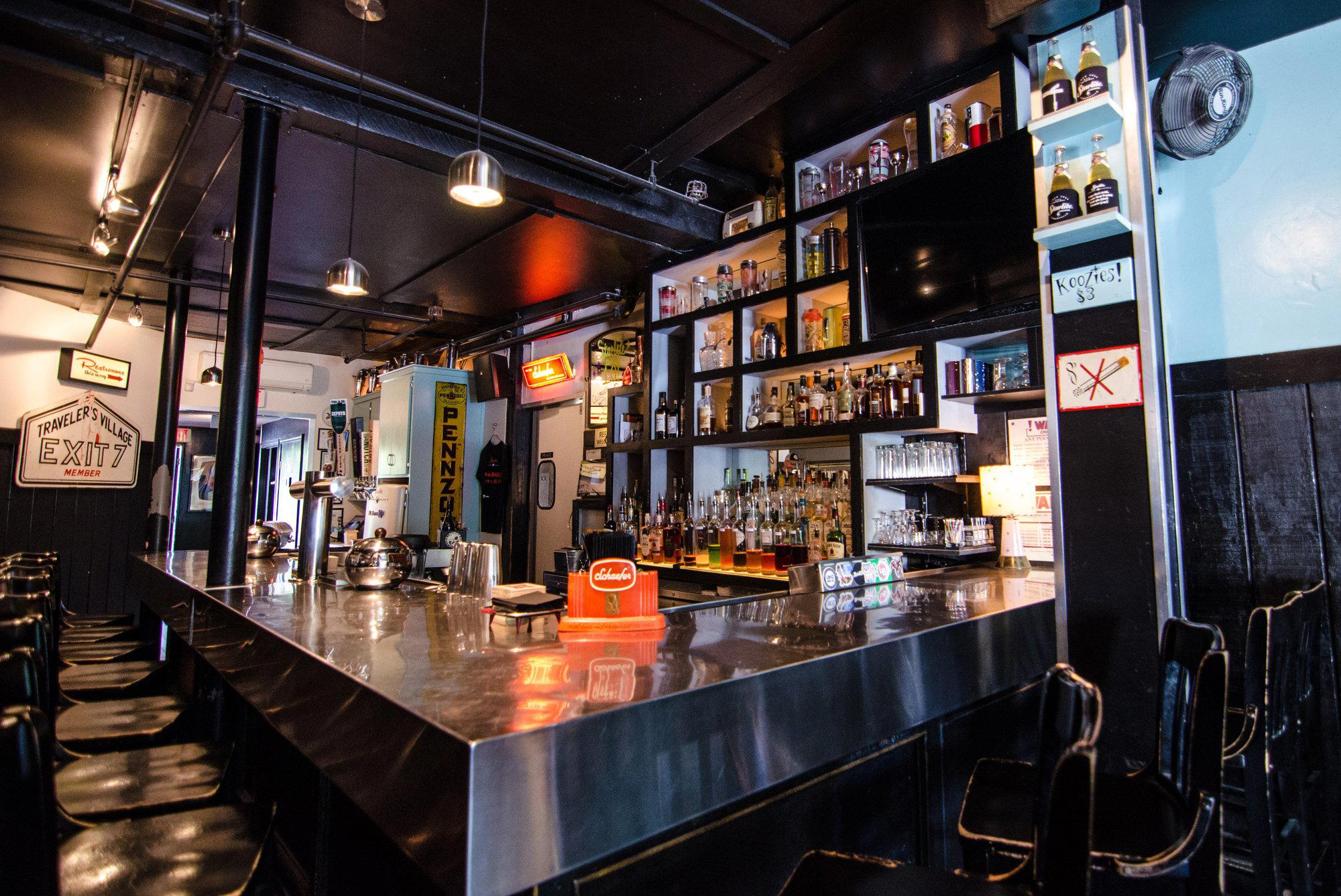
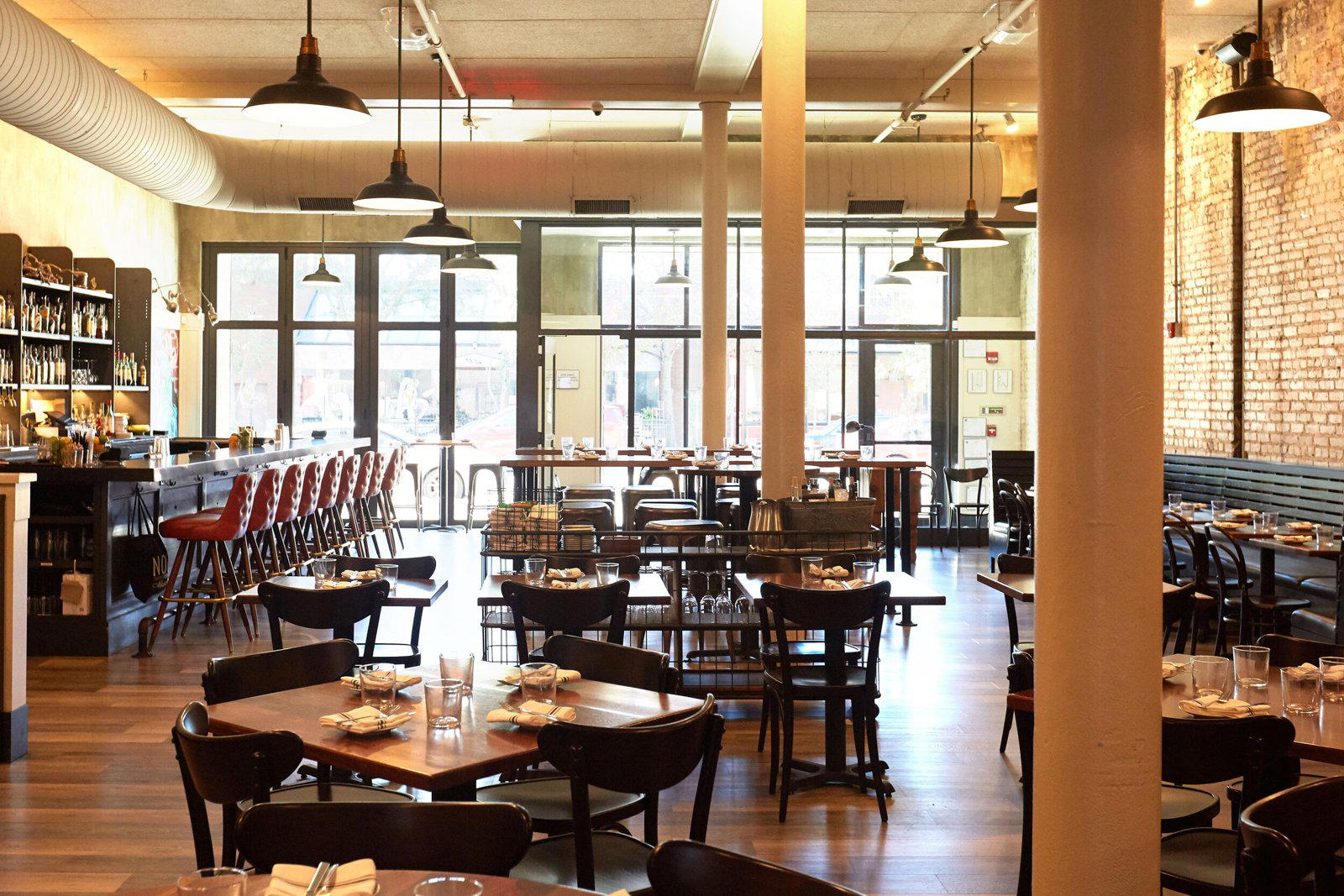
Hotels in Belmont
Browse all →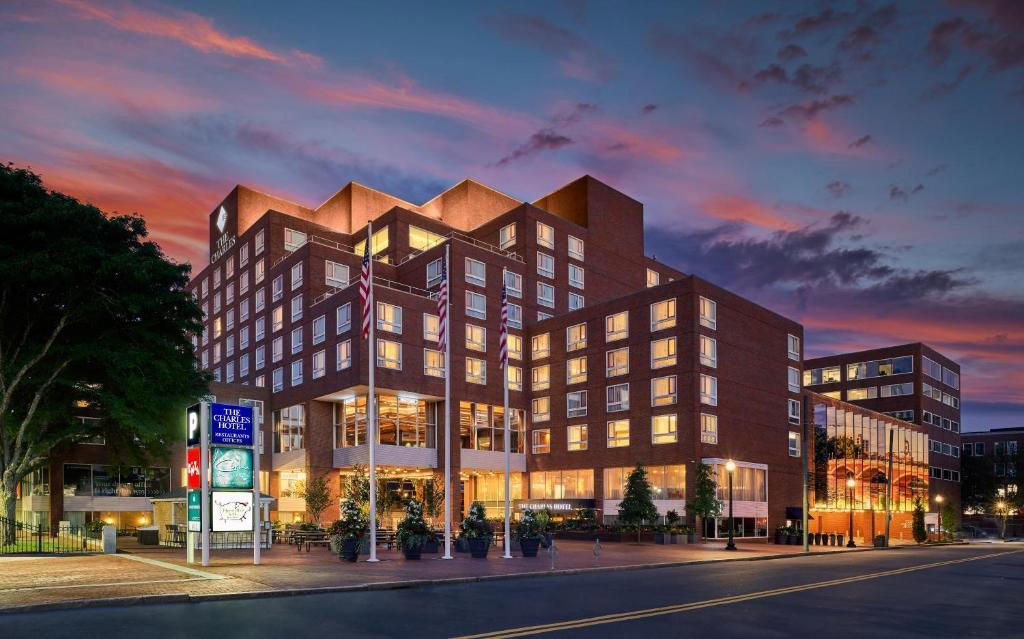
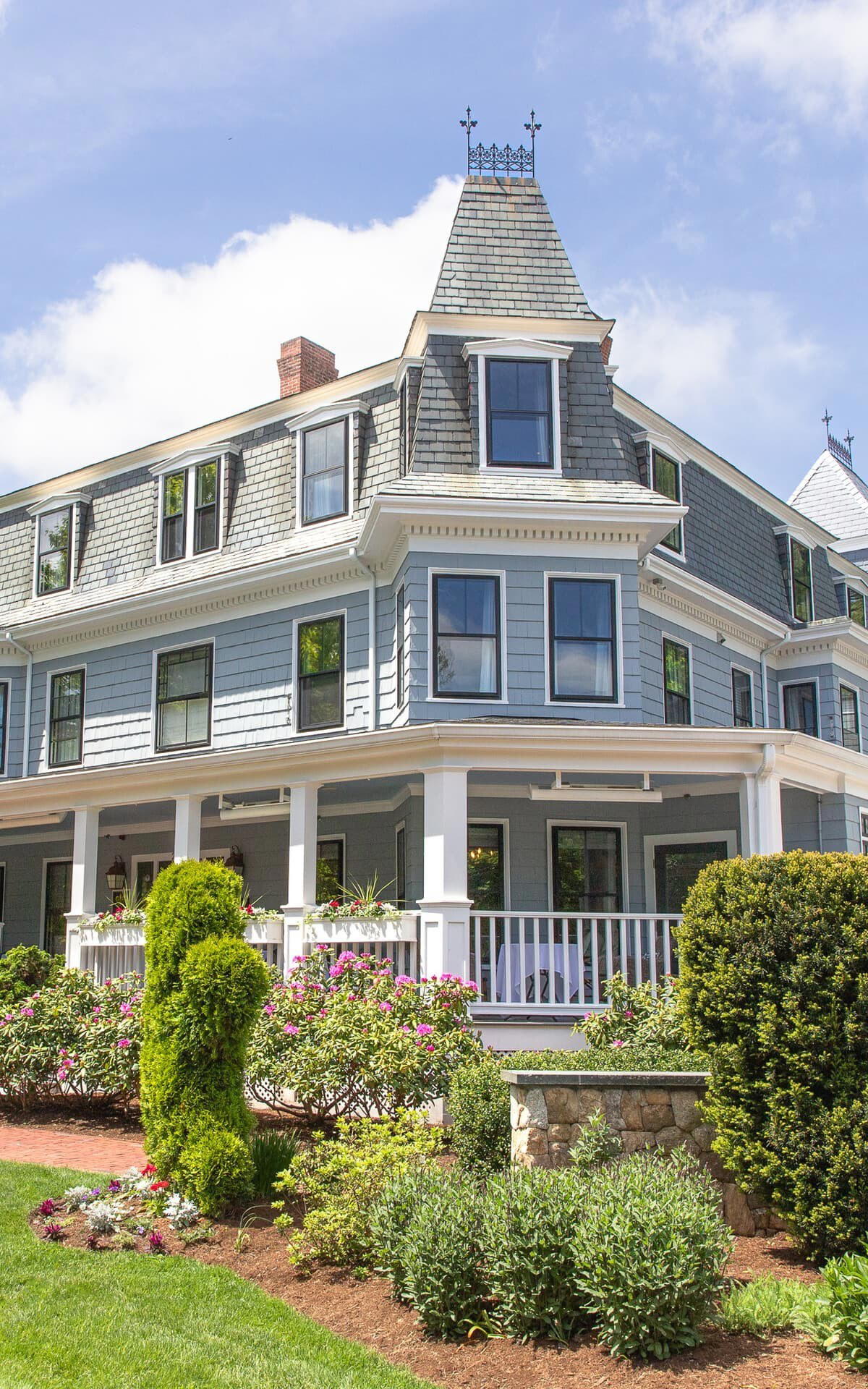
Wineries in Belmont
Browse all →
At a Glance
- Classic
- Elegant
- Sophisticated
- Rustic
- Date Night
- Group Dining
- Special Occasion
- Casual Hangout
- Terrace
- Historic Building
- Standalone
- Extensive Wine List
- Local Sourcing
Current opening hours
- Monday
- 5–9 PM
- Tuesday
- 5–9 PM
- Wednesday
- 5–9 PM
- Thursday
- 5–9 PM
- Friday
- 5–9 PM
- Saturday
- 5–9 PM
- Sunday
- 5–9 PM
Hours can change for holidays and private events. Last verified .
Warm and inviting with rustic charm, featuring exposed brick, white marble accents, and barnwood furnishings that evoke a traditional Italian trattoria atmosphere.