Amara
Our verdict
Amara occupies a quiet stretch of Alameda de las Pulgas in Belmont, California, where the San Francisco Peninsula's residential character sets the tone for an intimate dining experience. With sparse publicly available data on cuisine type, chef, and awards, the restaurant operates with a low-profile presence that rewards those who seek it out. A full visit remains the clearest way to calibrate what Amara is doing and for whom.

Pearl is the En Primeur Club membership app, where members save venues, book tables and use the concierge.
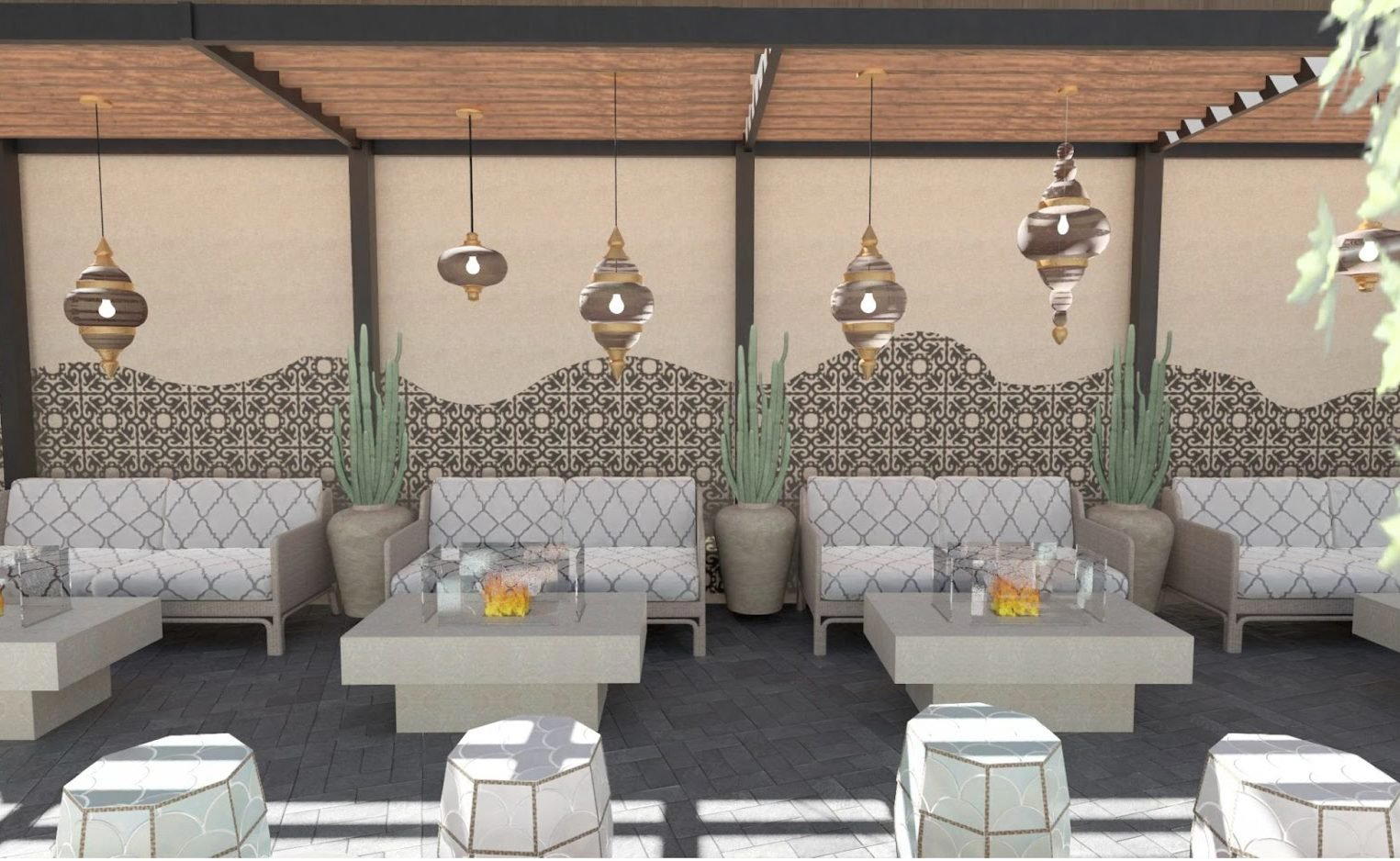
Where the Peninsula Eats Quietly
Belmont sits in an often-overlooked corridor between San Mateo and Redwood City, a stretch of the San Francisco Peninsula where dining tends toward the neighborhood-serving rather than the destination-seeking. Alameda de las Pulgas, the address Amara occupies at number 1015, runs as one of the area's more settled residential arteries, wide, tree-lined, unhurried. Restaurants on this strip don't generally compete with the high-voltage dining rooms of San Francisco or the increasingly ambitious farm-to-counter operations now pressing south through the Peninsula. They operate in a different register: closer to the rhythms of the community around them, more reliant on proximity than publicity.
That context shapes what walking into a place like Amara means before a single dish arrives. The physical approach along Alameda de las Pulgas carries a quietness that larger dining markets rarely offer, no queue management, no doorman theater, no curation of arrival. What greets the diner is scale, the approachable kind that defines most of what makes this part of the Bay Area worth exploring on its own terms, apart from the institutions further north. For comparable atmosphere and local context, Drift on Lake Wylie and Il Casale represent two other ways Belmont's dining rooms handle the balance between neighborhood reliability and culinary ambition.
Ingredient Sourcing and What It Signals in This Part of California
The San Francisco Bay Area has spent the better part of four decades building one of the most ingredient-conscious dining cultures anywhere in the United States. The arguments that Alice Waters made in Berkeley in the 1970s, that the provenance and seasonality of ingredients constitute the argument of a dish, not merely its backdrop, have filtered through the region so thoroughly that sourcing transparency is now table stakes at any restaurant operating above the casual tier. On the Peninsula specifically, proximity to the Central Valley's agricultural output, to the Pacific's coastal fisheries, and to the artisan producers clustered in Marin and Sonoma gives even mid-tier restaurants access to raw material that their counterparts in other American cities would need considerably more effort and cost to secure.
In that environment, what a restaurant chooses to source, and what it chooses not to, becomes a form of positioning. The operations that have drawn sustained national attention in the Bay Area, from Single Thread Farm in Healdsburg to Blue Hill at Stone Barns in Tarrytown to Lazy Bear in San Francisco, have made sourcing architecture central to their identity, not as a marketing point but as a structural commitment that shapes the menu from procurement backward. That level of integration remains rare and resource-intensive. More common, and no less worthwhile, are the smaller neighborhood operations that work with what the region makes available without building their entire identity around it.
Where Amara sits along that spectrum is, at present, not fully mappable from publicly available data. What the address implies, a California restaurant operating in a market with exceptional regional produce access, is a reasonable starting premise, but not a substitute for knowing what the kitchen is actually doing with that access.
Dining in Belmont operates within a fairly legible competitive tier. The town is not positioning itself as a destination market. Iron Gate and Old Stone Steakhouse represent the kind of anchored, locally trusted dining that sustains a residential suburb's restaurant scene over the long term, familiar formats, consistent execution, community loyalty earned across years rather than award cycles.
Against that backdrop, an ambitious sourcing-led program would be a meaningful differentiator in Belmont, which is precisely why the region's broader culinary infrastructure makes it plausible even at the neighborhood level. Restaurants like Providence in Los Angeles, Addison in San Diego, and The French Laundry in Napa demonstrate what happens when California's ingredient infrastructure is paired with serious culinary ambition, but that's a different conversation than what most neighborhood restaurants are built to have. The more useful reference point for Amara's likely positioning is what mid-tier California restaurants that take sourcing seriously look like: seasonal menus with shorter runs, a limited roster of local producers noted on the menu or communicated by servers, and a kitchen that adjusts with what's available rather than building year-round around a fixed dish list.
Planning a Visit
Amara is located at 1015 Alameda de las Pulgas in Belmont, California 94002. Belmont is accessible via Caltrain's Belmont station, which places the restaurant within a manageable walk or short ride from the platform, a relevant consideration for those traveling from San Francisco or San Jose without a car. The surrounding neighborhood is quiet in the evenings, which means parking along Alameda de las Pulgas is typically less contested than the blocks around Peninsula dining hubs further north.
For context on what else the Belmont dining scene offers, our full Belmont restaurants guide maps the broader range of options, including Rancatore's Ice Cream and Yogurt for a low-key finish to an evening in the area. Those who want to benchmark ingredient-forward California cooking against its most ambitious practitioners can look further afield to Smyth in Chicago, Le Bernardin in New York City, Atomix in New York City, Emeril's in New Orleans, The Inn at Little Washington, and Atelier Moessmer Norbert Niederkofler in Brunico, each a different model of how sourcing philosophy translates to plate.
Frequently asked questions
Would Amara be comfortable with kids?
Amara is located in Belmont, a residential community on the San Francisco Peninsula where the dining culture skews toward neighborhood regulars rather than destination crowds. Calling ahead or checking directly at 1015 Alameda de las Pulgas is advisable before bringing young children.
What should I expect atmosphere-wise at Amara?
Belmont's dining corridor between San Mateo and Redwood City runs toward the unfussy end of the Peninsula spectrum, think local regulars over expense-account crowds. Amara at 1015 Alameda de las Pulgas fits that neighborhood grain.
How does Amara fit into the Belmont dining scene compared to its neighbors?
Belmont is not a destination dining market in the way that nearby Palo Alto or San Francisco proper are, the town sits in a quieter corridor of San Mateo County where restaurants tend to serve a local rather than regional draw.
What dish is Amara famous for?
The Bay Area Peninsula context places the venue within a region that has historically emphasized ingredient-sourced cooking, but confirmed dish details require checking directly with the restaurant at 1015 Alameda de las Pulgas, Belmont, CA 94002.
Quick Comparison
| Venue | Cuisine | Price | Awards |
|---|---|---|---|
| AmaraThis venue (the venue you are viewing) | Mediterranean | Not listed | Not listed |
| Shalizaar | Persian | $20–30 | Michelin Plate · Wine Spectator Best of Award of Excellence |
| Drift on Lake Wylie | Modern American Steakhouse & Seafood | Not listed | Not listed |
| Il Casale | Traditional Italian Trattoria | $30–50 | Not listed |
| Iron Gate | French Continental Fine Dining | $50–100 | Not listed |
| Old Stone Steakhouse | Classic Steakhouse & Seafood | Not listed | Not listed |
Amara
Featured Guides

Continue exploring
More in Belmont
Restaurants in Belmont
All restaurants in Belmont →
Bars in Belmont
Browse all →
Details
- Romantic
- Cozy
- Elegant
- Intimate
- Date Night
- Brunch
- Special Occasion
- Garden
- Craft Cocktails
- Local Sourcing
- Garden
- Small Plates
- Vegetarian Friendly
Current opening hours
- Monday
- Closed
- Tuesday
- 4–9 PM
- Wednesday
- 11 AM–2 PM, 4–9 PM
- Thursday
- 11 AM–2 PM, 4–9 PM
- Friday
- 11 AM–2 PM, 4–9 PM
- Saturday
- 11 AM–2 PM, 4–9 PM
- Sunday
- 11 AM–2 PM, 4–9 PM
Hours can change for holidays and private events. Hours as of .
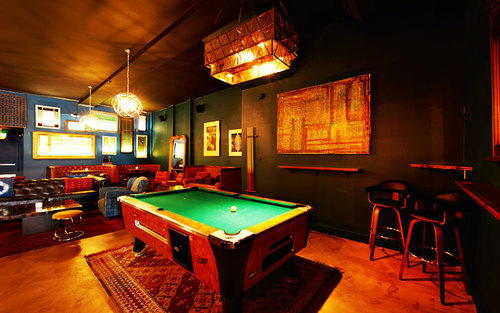
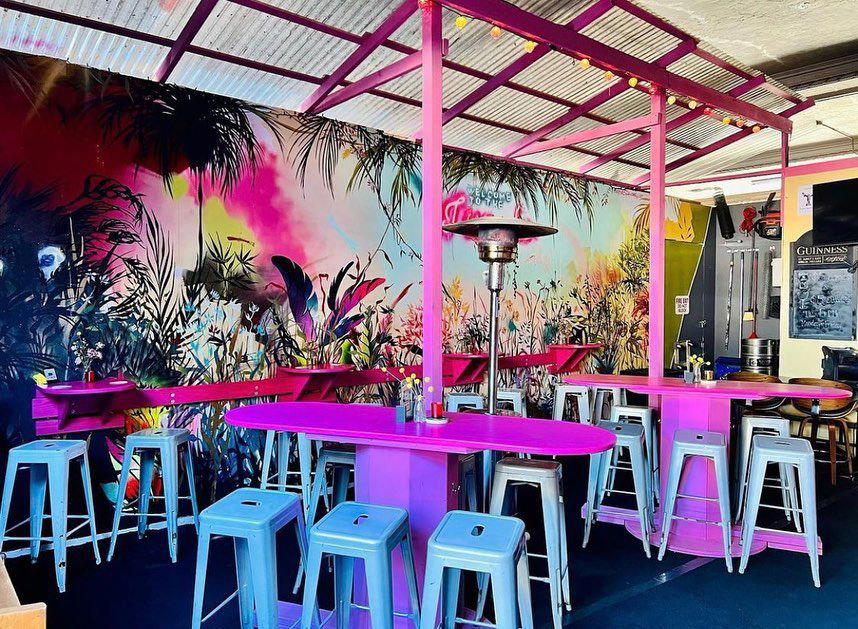
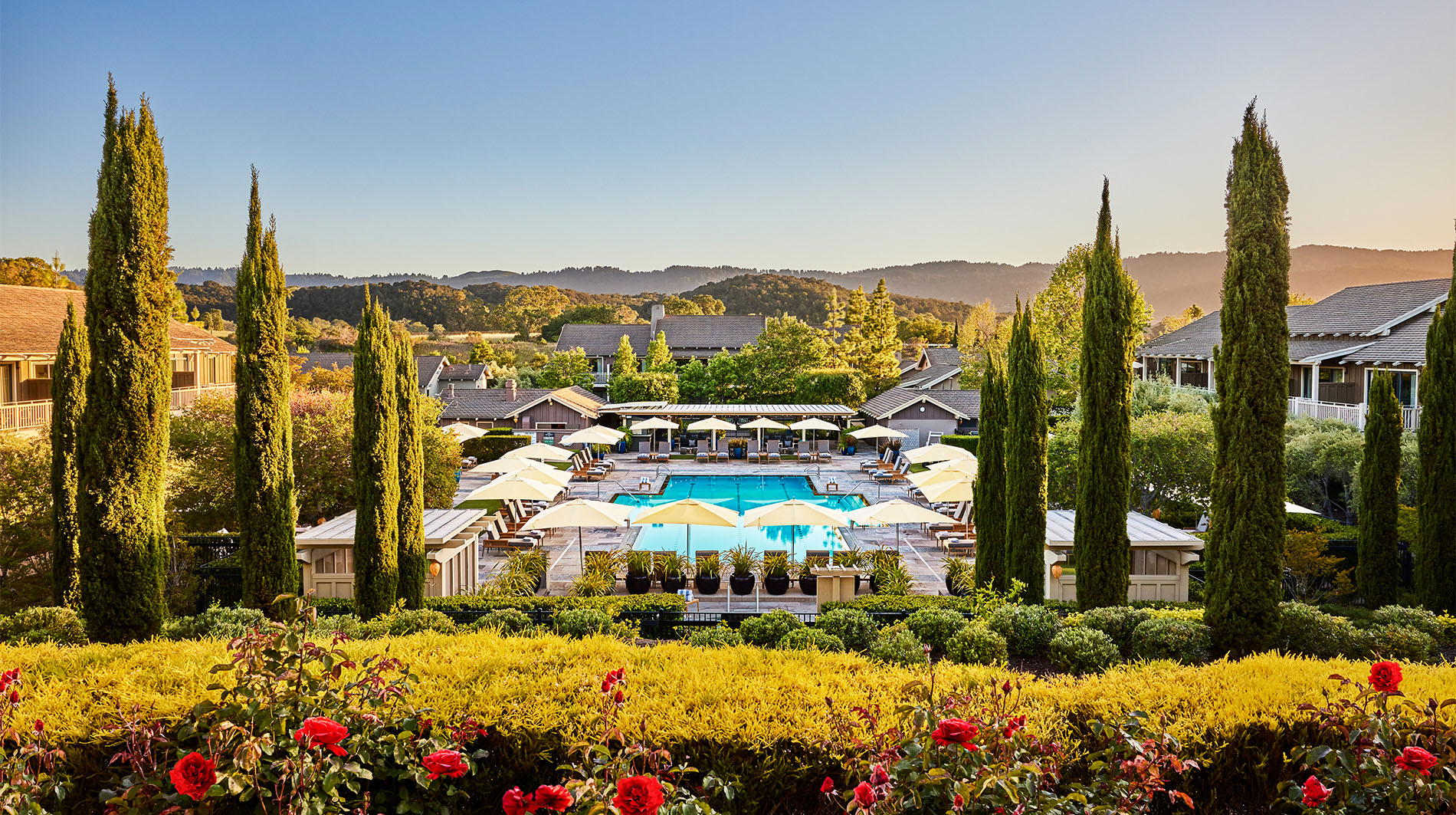
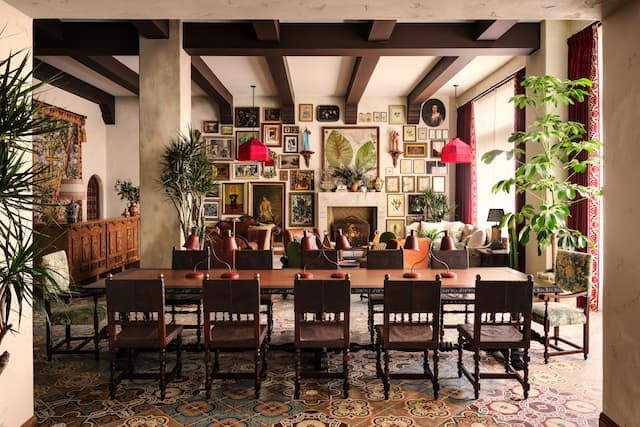
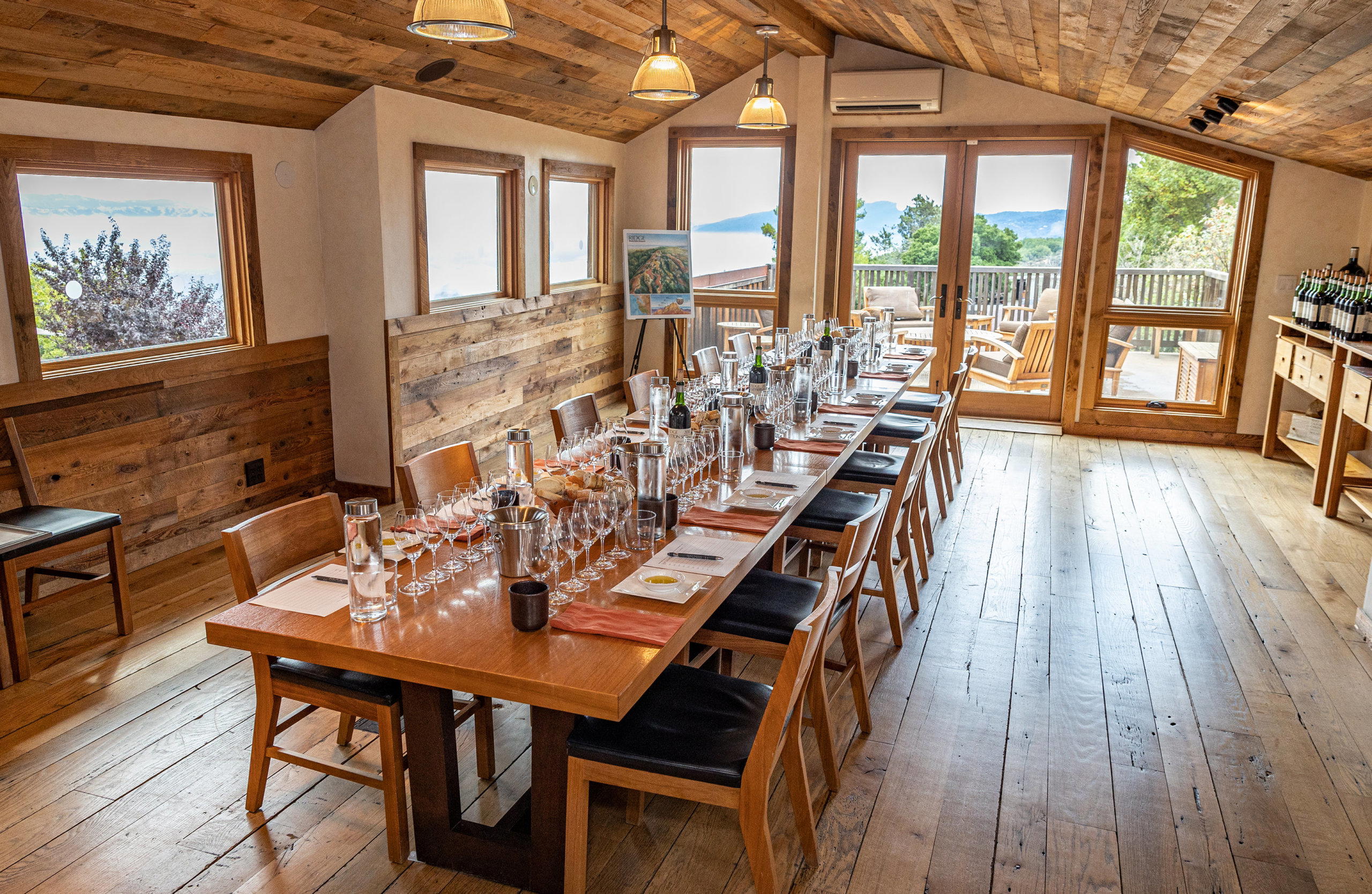
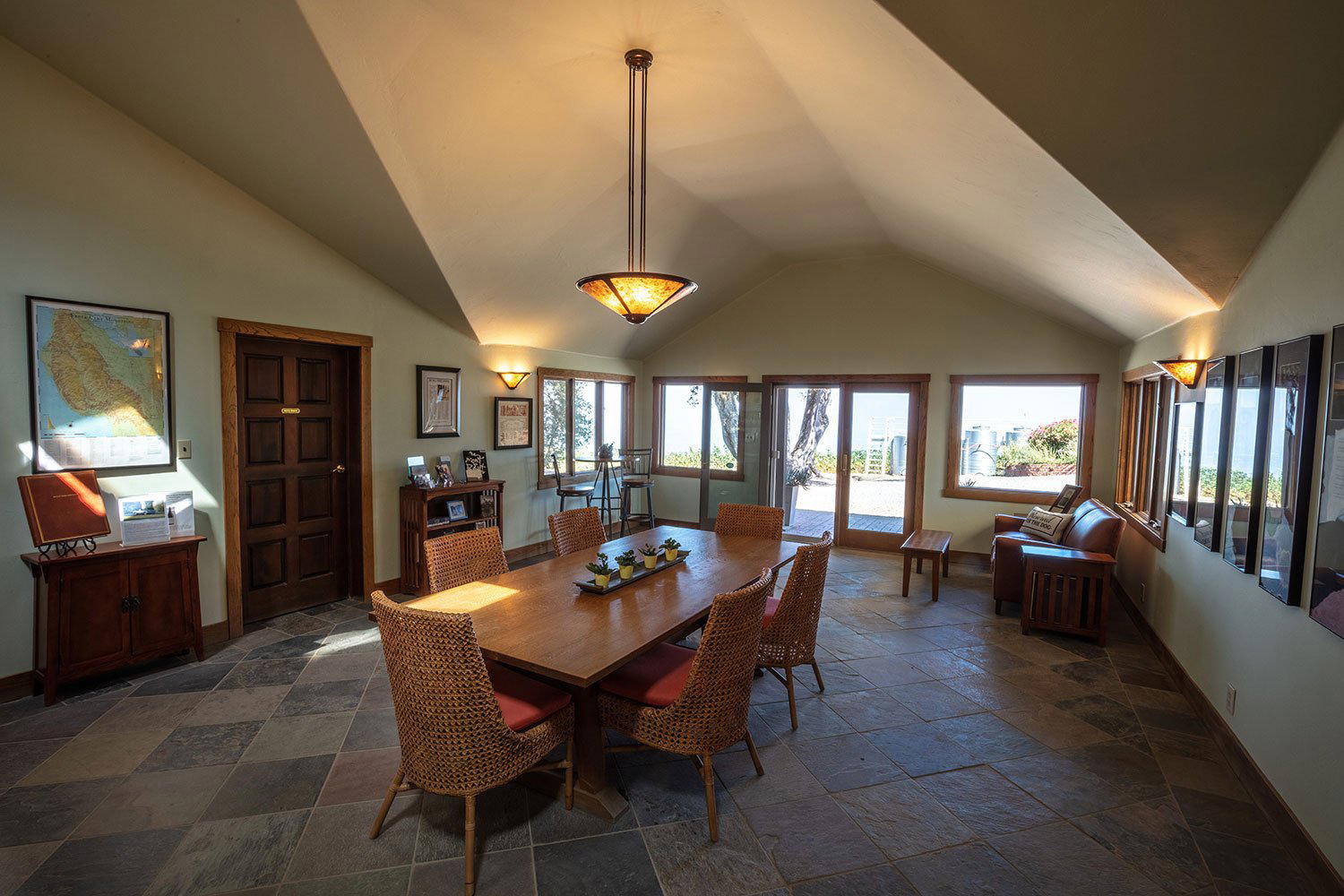
Sunlit, slow-paced atmosphere evoking Mediterranean tables with warm lighting and focus on gathering.