Harvest

Wine Spectator Best of Award of Excellence
Our verdict
A Cambridge institution on Brattle Street since the 1970s, Harvest occupies a particular position in Harvard Square dining: a serious American kitchen with a wine program spanning 705 selections and 4,450 bottles, built around French, Italian, and California strengths. The pricing sits at the upper end of the local market, with the wine list skewing toward $100-plus bottles and a lunch-and-dinner format that draws both the academic community and destination diners.

Pearl is the En Primeur Club membership app, where members save venues, book tables and use the concierge.
The menu
What to order
- Pan-seared salmon
- Lamb chops
- Gnocchi
Brattle Street in the Early Evening
Harvard Square has a way of compressing eras. Walk west along Brattle Street on a weekday evening and the shift is gradual: the undergraduate energy of Mass Ave fades, the bookshops thin out, and the sidewalk takes on a quieter, more deliberate pace. At number 44, Harvest operates in this calmer register. The building sits slightly set back from the street, and the courtyard approach, a transitional pause between the urban hum and the dining room, does a lot of the tonal work before you even reach the door. There is no theatrical entrance, no marquee signage doing overtime. The place assumes you know why you are there.
That assumption is not arrogance. It reflects a longer arc. Harvest has been part of the Cambridge dining conversation since the 1970s, which in American restaurant terms constitutes genuine institutional standing. Few addresses in the city carry that kind of uninterrupted presence, and fewer still have managed to stay relevant across multiple waves of what American dining is supposed to look like. The academic neighborhood around it, Harvard's campus, the law school, the concentration of publishing and research institutions, has historically supported a table where ideas can run long and the wine list can sustain them.
The Room, the Sound, the Pace
American restaurants in the upper price tier have fragmented over the past decade into opposing camps: the hushed tasting-menu format, where silence reads as reverence, and the deliberately loud open kitchen, where noise signals energy. Harvest occupies neither extreme. The dining room operates at a conversational volume, which in practical terms means you can hear the person across from you without effort and hold a two-hour discussion without feeling like the room is urging you to leave. For a university neighborhood where dinner routinely doubles as a working session, that acoustic register matters more than it might elsewhere.
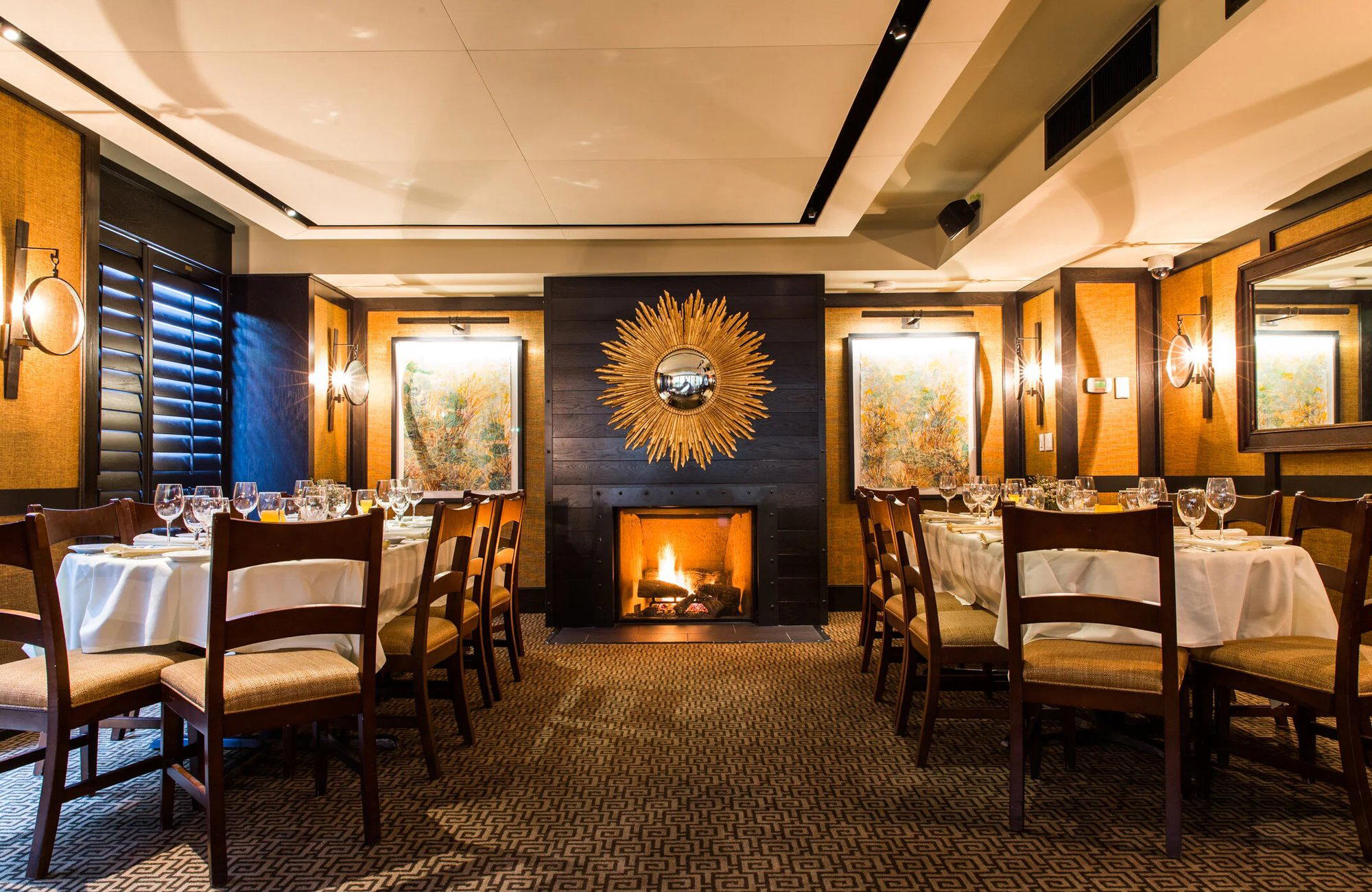
The space itself reads as settled rather than designed-for-now. There is a courtyard for warm-weather dining that shifts the experience considerably, Cambridge summers arrive late and leave early, but when the season holds, the outdoor tables at Harvest rank among the more quietly considered spots in the city. The transition between seasons changes the character of a meal here in ways that indoor-only restaurants cannot replicate.
American Cooking at the Upper End of the Cambridge Market
The kitchen runs an American menu at the $$$ price point, which in Cambridge terms means a two-course meal tracking above $66 before beverages or gratuity. That positions Harvest in a local tier shared with a small number of serious independent tables. Alden & Harlow works a comparable New American register slightly closer to the Square, while Darling and Fallow Kin operate in adjacent price and style territory. The Michelin-recognized tier in the broader Cambridge and Boston area, tables like Restaurant Twenty-Two and Midsummer House, skews toward more formal European frameworks. Harvest sits between those poles: more rooted in American cooking tradition than the European-inflected fine dining rooms, more considered in execution than the casual end of the neighborhood market.
Chef Chris Knouse leads the kitchen, working alongside General Manager Kevin Maguire and owner principals Mike and Cindy Watts. The format covers both lunch and dinner, which is less common at this price tier than it once was. For the Harvard Square neighborhood specifically, the lunch service is a meaningful differentiator: the academic calendar generates sustained midday demand that most higher-end American restaurants in comparable university cities no longer attempt to serve.
The Wine Program
The wine program is where Harvest separates most clearly from its Cambridge peers. Wine Director Sarah Foote oversees a list of 705 selections drawn from a cellar inventory of 4,450 bottles. The program is priced at $$$, which here signals that many bottles exceed $100, though the range accommodates multiple entry points rather than locking diners into a single tier. The geographic strengths sit with France, Italy, and California, a classic triumvirate that reflects a certain era of American serious wine buying and has remained coherent rather than chased trends toward natural wine or emerging regions.
For context within the broader category: a 700-plus selection list with a 4,000-plus bottle inventory is a substantial commitment for an independent American restaurant. At the top of the American wine-program hierarchy, places like Le Bernardin in New York City or The French Laundry in Napa, cellar depth runs into the tens of thousands of bottles. But those are exceptional outliers in a category where most serious independent American restaurants operate with a fraction of Harvest's inventory. The sommelier team supporting Foote, Zapryan Penev, Amanda Frawley, and Rachel Laschen, gives the program a staffing depth that allows genuine floor-level engagement rather than a list left to sell itself.
For diners arriving primarily for the wine, the French and Italian depth deserves particular attention. California representation brings the program into dialogue with the regional American wine tradition, though the emphasis on classic European appellations suggests a program built for the long hold rather than the current vintage chase. If you want a comparative sense of how seriously American restaurant wine programs can be constructed, the programs at Atomix in New York City or Single Thread Farm in Healdsburg represent different philosophical approaches to wine integration at a similar or higher price ceiling.
Placing Harvest in the American Restaurant Context
The American restaurant scene at the upper end has diversified considerably in form over the past two decades. Experiential formats dominate the cultural conversation, the theatrical tasting menus of Alinea in Chicago or Lazy Bear in San Francisco, the hyper-seasonal farm-integration model at Single Thread, the global-technique synthesis at Atomix. Harvest operates in a different and older tradition: the serious American restaurant as civic institution, where the format is less about the dining experience as a constructed event and more about a reliable, well-resourced table that the community can return to across decades. That model is rarer now than it was, and its survival at a meaningful level of quality in a competitive academic market is a more interesting fact about Harvest than any individual dish.
For those building a wider picture of Cambridge and Boston dining, the full resources at our Cambridge restaurants guide, our Cambridge hotels guide, our Cambridge bars guide, our Cambridge wineries guide, and our Cambridge experiences guide cover the broader category across the city.
Planning a Visit
Harvest is at 44 Brattle Street, Cambridge, MA 02138, a short walk from Harvard Square. The restaurant operates for both lunch and dinner, which makes it one of the few tables in this price bracket that can absorb a daytime booking without the compressed, get-them-out energy of a venue that only truly wants you in the evening. At the $$$ price tier, a two-course meal before wine runs above $66 per person; with engagement from the wine program, budgets should account for a list where significant portion of the selection exceeds $100 per bottle, though lower-entry options exist within the range. Given the venue's standing and the depth of its wine program relative to Cambridge peers, advance reservations are the practical approach, particularly for evening tables or larger groups during the academic year, when demand from the surrounding institutions is sustained.
Frequently asked questions
Is Harvest child-friendly?
Harvest operates at the $$$ price tier on Brattle Street, where the dining room is oriented toward adult guests seeking a considered meal rather than a family-format outing. A two-course meal runs above $66 per person before beverages, which sets a tone that does not align well with young children. Families with older, restaurant-comfortable children may find it workable, but it is not the intended setting.
Is Harvest formal or casual?
Harvest sits in the upper register of Cambridge dining without the stiffness of a traditional Boston fine dining room. The Harvard Square academic context pulls the atmosphere toward engaged informality: guests dress thoughtfully but the room does not enforce a jacket standard. At the $$$ price point with lunch and dinner service, the expectation is presentable rather than ceremonial.
What awards or recognition does Harvest have?
Harvest has received recognition including: WINE: Wine Strengths: France, Italy, Califorina Pricing: $$$ i Wine pricing: Based on the list\'s general markup and high and low price points:$ has many bottles < $50;$$ has a range of pricing;$$$ has many $100+ bottles Selections: 705 Inv….
What should I eat at Harvest?
The kitchen runs an American menu across both lunch and dinner under Chef Chris Knouse, with the $$$ pricing reflecting a two-course meal above $66 before beverages. The wine program is a particular strength, covering 705 selections with depth in France, Italy, and California, so pairing a course around the list is a reasonable way to approach the meal. Ask the floor team, which includes three named sommeliers, for guidance on the current menu.
What part of town is Harvest in?
Harvest is located at 44 Brattle St, Cambridge, MA 02138, Cambridge.
Is Harvest reservation-only?
At the $$$ tier in Harvard Square, Harvest draws consistent bookings from the local academic community and visitors to Cambridge. Walk-in availability is not guaranteed, particularly at peak dinner hours, so advance reservations are the practical approach. The restaurant runs both lunch and dinner, which means a midday booking at 44 Brattle Street is often easier to secure than a weekend evening slot.
Comparable Spots
Comparable venues nearby, for context on price, style, and recognition.
| Venue | Cuisine | Price | Awards | Notes |
|---|---|---|---|---|
| HarvestThis venue (the venue you are viewing) | Modern New England Contemporary | $50–100 | Wine Spectator Best of Award of Excellence | Not listed |
| Margeaux Supper Parlor | Contemporary American with New Orleans influences | $30–50 | Not listed | North Cambridge |
| Alden & Harlow | Modern American Gastropub | $50–100 | Not listed | Harvard Square |
| Daedalus | Modern American | $30–50 | Not listed | Riverside |
| Henrietta’s Table | Farm-to-Table New England Comfort | $30–50 | Not listed | West Cambridge |
| Mr. Bartley’s Burger Cottage | Classic American Burgers | $10–20 | Diners, Drive-Ins and Dives Featured Restaurant | Riverside |
Recognition history
Dated appearances from independent guides and award organizations, with the underlying list record or original source where available.
Wine Spectator Best of Award of Excellence
Wine Spectator
Full recognition history (2 entries)
Wine Spectator Best of Award of Excellence
Wine Spectator
Harvest
Featured Guides
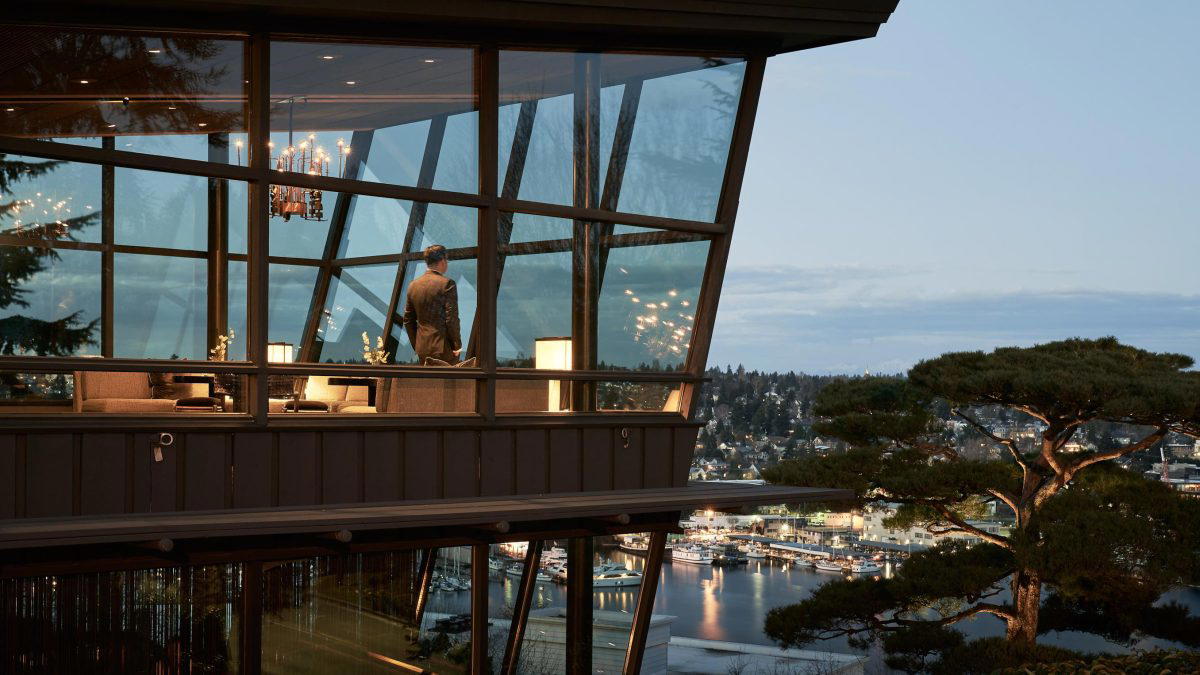
The Luxury Traveler’s Guide to Wine Harvest Season: Where to Go and What to Expect
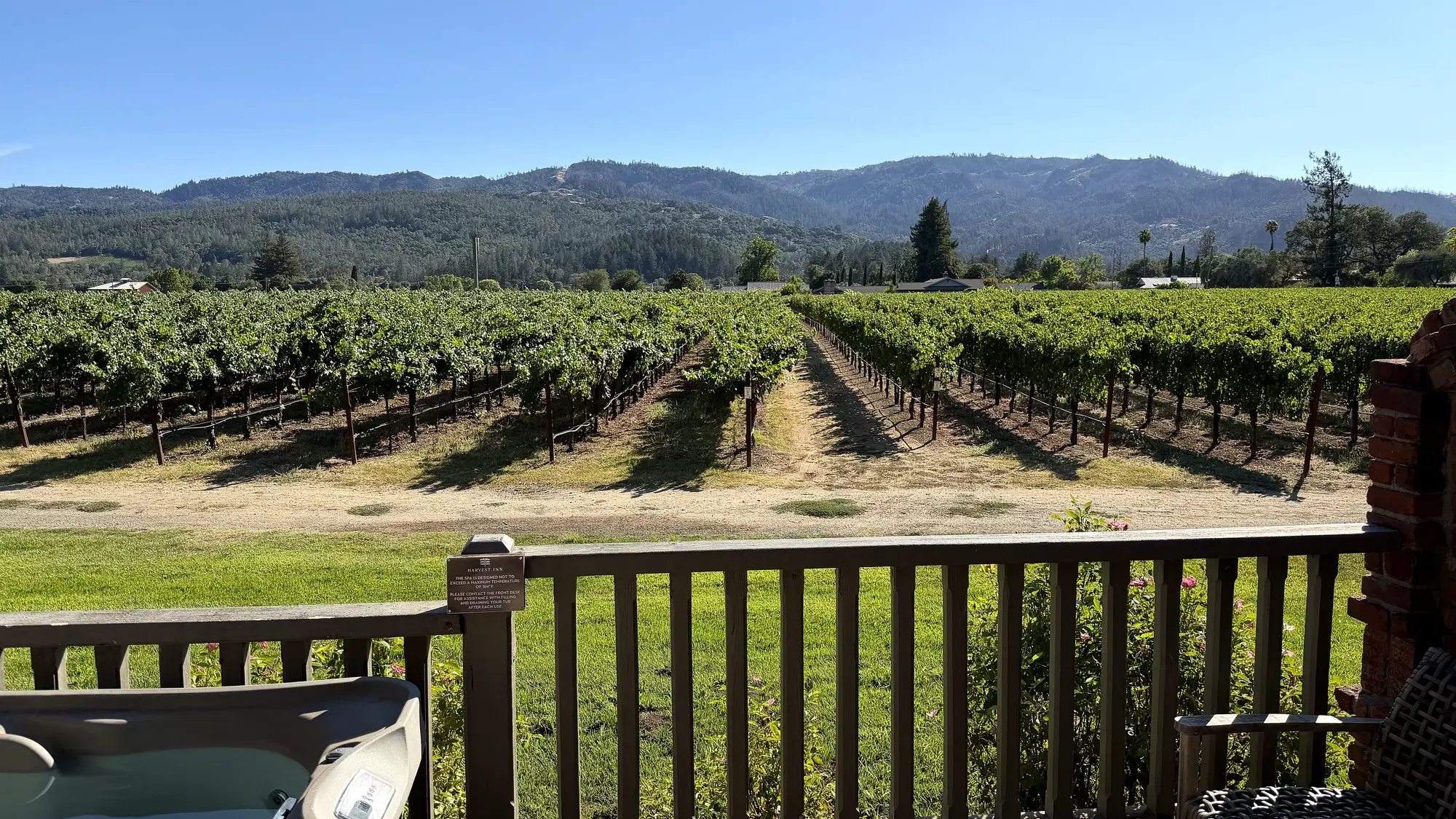
Harvest Inn St. Helena Review: A Vineyard Oasis with a Private Hot Tub
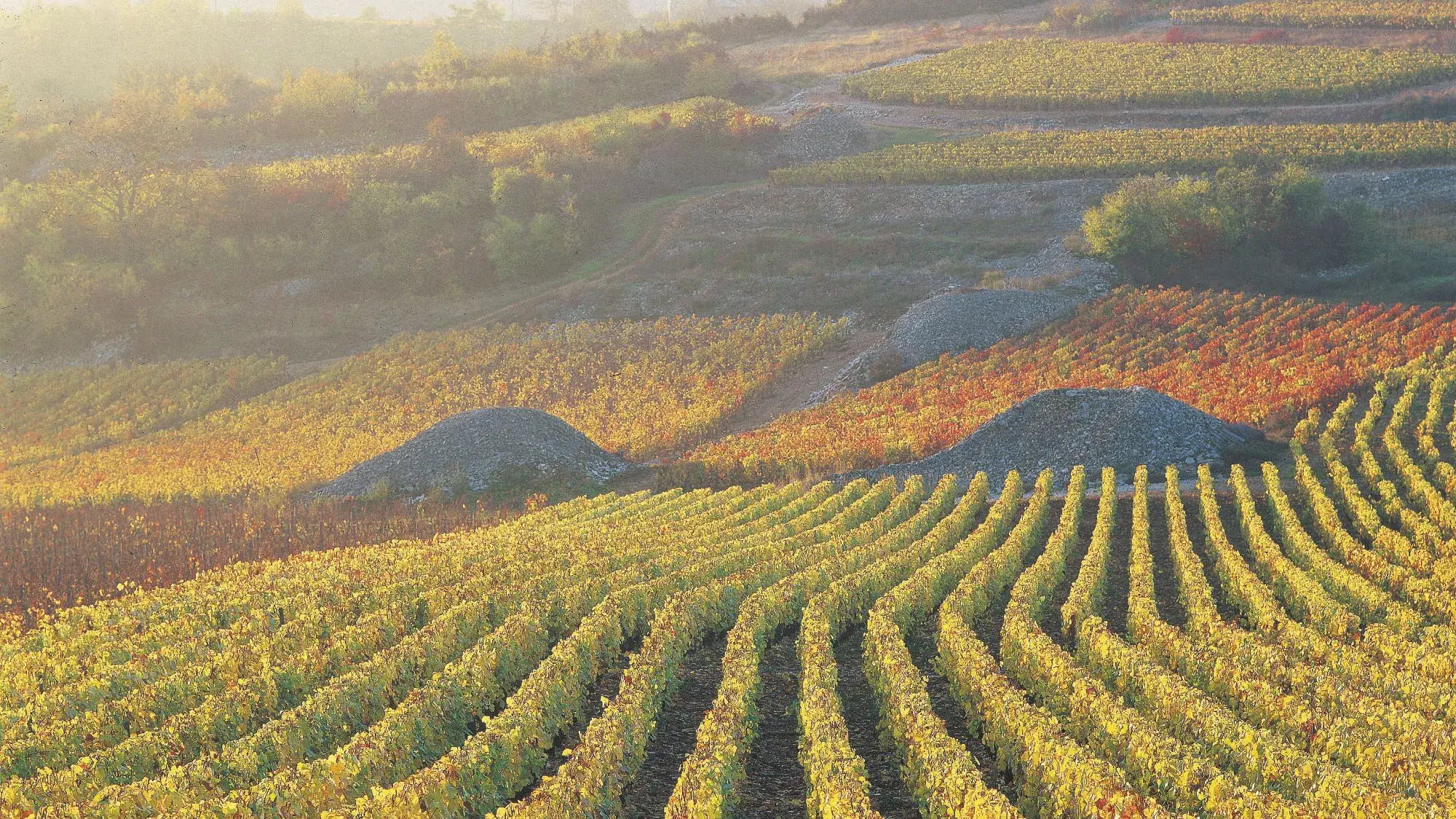
Wine News Roundup: Burgundy Charity Auction, Champagne's Earliest Harvest, and Chianti's 100-Point Milestone
Borgo Laudato Si Wine: The Pope's First 5,000-Bottle Harvest
Continue exploring
More in Cambridge
Restaurants in Cambridge
All restaurants in Cambridge →
Bars in Cambridge
All bars in Cambridge →
Hotels in Cambridge
All hotels in Cambridge →
Wineries in Cambridge
Browse all →
Harvest
The wine
Harvest holds the Wine Spectator Best of Award of Excellence, which Wine Spectator gives to lists of usually 350 or more selections.
- Wine Spectator
- Wine Spectator Best of Award of Excellence
- Extensive wine list
Details
- Elegant
- Cozy
- Sophisticated
- Business Dinner
- Group Dining
- Special Occasion
- Date Night
- Open Kitchen
- Private Dining
- Terrace
- Extensive Wine List
- Farm To Table
- Local Sourcing
Current opening hours
- Monday
- 11:30 AM–10 PM
- Tuesday
- 11:30 AM–10 PM
- Wednesday
- 11:30 AM–10 PM
- Thursday
- 11:30 AM–10 PM
- Friday
- 11:30 AM–10 PM
- Saturday
- 11 AM–10 PM
- Sunday
- 11 AM–9 PM
Hours can change for holidays and private events. Hours as of .
Soothing earth tones, dark woods, supple banquettes, pastoral art, open kitchen, fireside dining, and cozy library-like atmosphere with serene energy.