Il Bazzali sits on Rue Beaubien in Montreal's Rosemont–La Petite-Patrie district, where neighbourhood trattorias and destination dining share the same quiet residential blocks. The address places it among a comparable set of independently operated rooms that prioritize substance over spectacle, a useful contrast to the grand-format Italian dining rooms concentrated further downtown. Reservations are advisable given the street's consistent draw.
Pearl is the En Primeur Club membership app — saves, bookings, and concierge access live there. Same editors, same standards.
- Address
- 285 Rue Beaubien E, Montréal, QC H2S 2V2, Canada
- Phone
- +15144394878
- Website
- ilbazzali.com
- Directions
- Get directions
 Saves & bookings on Pearl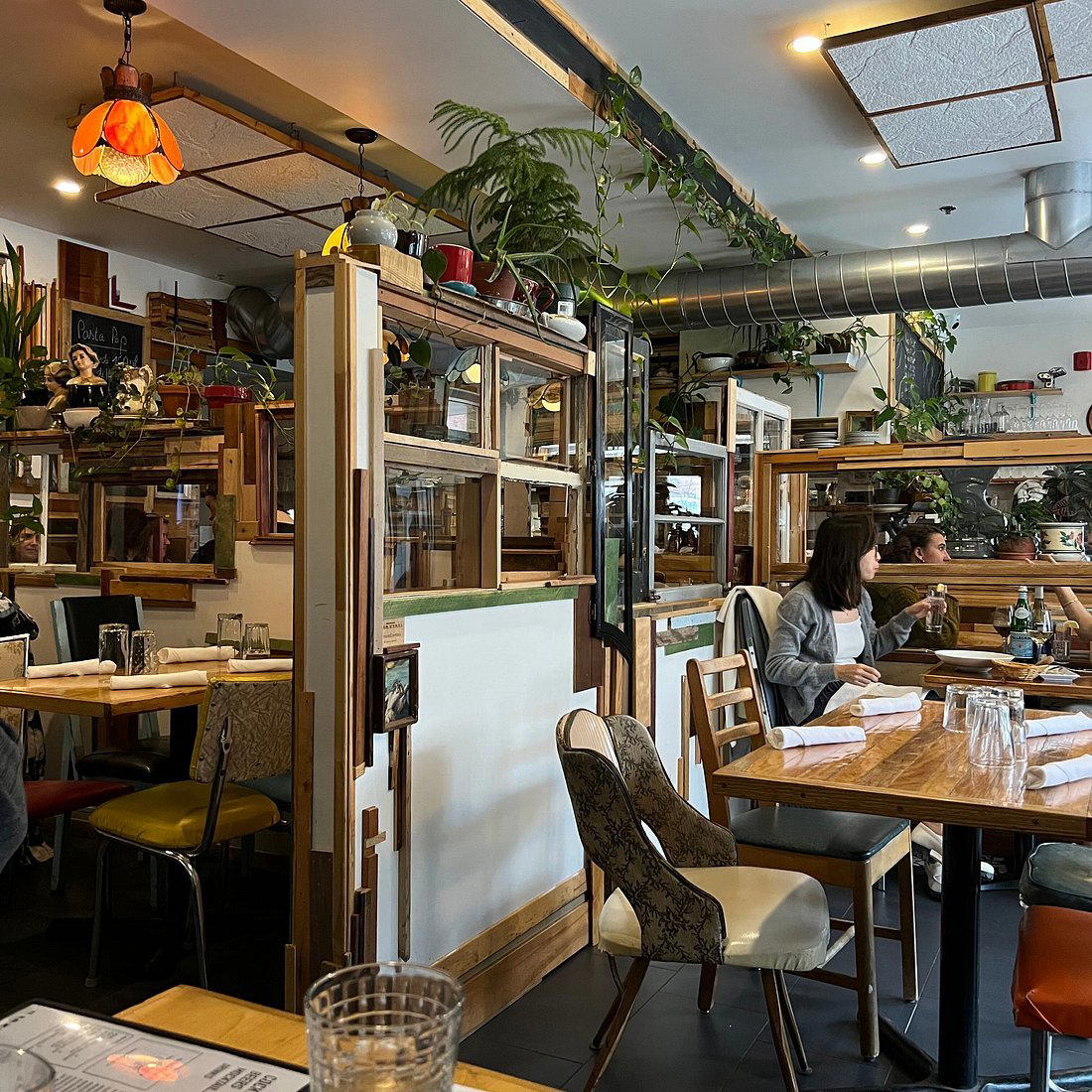
Rue Beaubien and the Case for Neighbourhood Dining in Montreal
The stretch of Rue Beaubien running through Rosemont–La Petite-Patrie carries a particular kind of dining culture: independently operated, rooted in the residential blocks around it, and answerable to a local clientele that returns regularly rather than once for a special occasion. Il Bazzali sits in this context, at 285 Rue Beaubien Est, and the address itself signals something about the room before you step inside. This is not the kind of street where theatre replaces cooking.
Where those areas attract high table-turnover tourism, Rosemont–La Petite-Patrie tends to reward repeat visits, the kind of dining rhythm that suits Italian formats especially well, where the full value of a menu reveals itself across multiple meals rather than a single high-stakes booking.
Where Il Bazzali Sits in Montreal's Italian Dining Arc
Italian cooking in Montreal occupies an unusually wide range. At one end, the old-school Italian-Canadian rooms of Saint-Léonard and NDG, red sauce, large portions, long family tables, represent a decades-old tradition with genuine local authority. At the other, a newer generation of Italian-influenced kitchens has moved closer to the modern European format: tasting menus, seasonal sourcing, natural wine lists, and the kind of structural seriousness associated with places like Jérôme Ferrer - Europea or Mastard on the modern cuisine side of the ledger.
Il Bazzali operates in the space between those poles, closer in spirit to a traditional trattoria than to the modern tasting-menu format, but in a neighbourhood context that has steadily attracted a more demanding clientele. That positioning matters because it sets the terms of comparison: the room is not competing with Sabayon or with Toqué on ambition or formality. It is competing, instead, on the quieter grounds of consistency, craft, and the specific pleasure of a room that knows what it is.
Across the broader Canadian restaurant scene, that kind of settled identity is increasingly rare. The pressure to signal ambition through format, omakase counters, open kitchens, theatrical plating, has affected independent rooms in every major city. What Alo in Toronto or AnnaLena in Vancouver represent at the higher end of that ambition spectrum, neighbourhood rooms on Rue Beaubien represent at the other: stripped of spectacle, accountable to the meal itself.
The Arc of a Meal: How the Format Reads
Italian dining at this register tends to move through a recognizable sequence: antipasti that establish the kitchen's relationship with preserved and fresh ingredients, pasta that carries the structural weight of the meal, a secondi that tests protein handling, and a dessert course that either confirms or undercuts the preceding discipline. This sequencing is not decorative, it is how traditional Italian kitchens build and release tension across a table's time together, and it is the primary reason that Italian formats reward slower pacing than the compressed tasting menus that have dominated fine dining for the past decade.
The antipasti stage is where a kitchen's sourcing decisions become legible. In Montreal, access to Quebec's cheesemaking tradition, and to the charcuterie culture that has strengthened in the province over the past fifteen years, gives Italian-rooted rooms a local pantry that supplements imported Italian staples. The middle courses, particularly fresh pasta, are where technique becomes most visible: the hydration ratio, resting time, and saucing logic of a tagliatelle or a tortellini tell you more about a kitchen's training than almost any other preparation.
By the time the secondi arrives, the meal has established its register. A room that has moved carefully through the earlier courses earns latitude for a simply prepared protein; one that has over-reached in the pasta stage often finds the later courses carrying corrective pressure. Dessert, in the trattoria tradition, tends toward restraint, panna cotta, tiramisu, or a cheese selection, and the leading versions are defined by proportion rather than complexity.
Planning a Visit
Rue Beaubien Est is accessible by metro from the Beaubien station on the orange line, placing the address within a direct transit connection from central Montreal. The street's character rewards arriving a few minutes early and walking the block rather than arriving directly from a cab, the residential scale of the neighbourhood, particularly on weekday evenings, gives a sense of what kind of room you are walking into before the door opens.
Given the neighbourhood's consistent local following, booking ahead is the advisable approach, particularly for weekend evenings. Walk-in availability exists in the broader Rosemont dining scene, venues like Narval in Rimouski operate in a similarly local-first booking culture where forward planning pays off, but reservations are recommended.
Montreal's Italian-format neighbourhood rooms sit at a different price point than the grand tasting-menu addresses. The spend per head here is about US$60, in line with the restaurant's relaxed, smart casual setting. Diners comparing across Canadian cities might also consider Barra Fion in Burlington or The Pine in Creemore for a sense of how independently operated rooms outside major urban centres have begun to close the quality gap with their city counterparts.
The Quick Read
Comparable venues nearby, for context on price, style, and recognition.
| Venue | Cuisine | Price | Notes |
|---|---|---|---|
| Il BazzaliThis venue — the venue you are viewing | Not listed | $$$ | Not listed |
| Moretti Griffintown | Griffintown, Authentic Italian Pizzeria | $$$ | Not listed |
| Bellucci Italia | Not listed | $$ | Quartier des Spectacles, Authentic Neapolitan Italian |
| Pl. Jacques-Cartier | Vieux Montréal, Italian Trattoria | $$ | Not listed |
| Tiamo | Not listed | $$$ | Milton-Parc, Traditional Italian with Wood-Fired Pizza |
| Mare | Not listed | $$$ | Vieux Montréal, Mediterranean Italian Seafood |
At a Glance
- Intimate
- Cozy
- Elegant
- Romantic
- Date Night
- Special Occasion
- Celebration
- Private Event
- Live Music
- Private Dining
- Open Kitchen
- Local Sourcing
Current opening hours
- Monday
- Closed
- Tuesday
- 5–9 PM
- Wednesday
- 5–9 PM
- Thursday
- 5–10 PM
- Friday
- 5–10 PM
- Saturday
- 5–10 PM
- Sunday
- 5–9 PM
Hours can change for holidays and private events. Last verified .
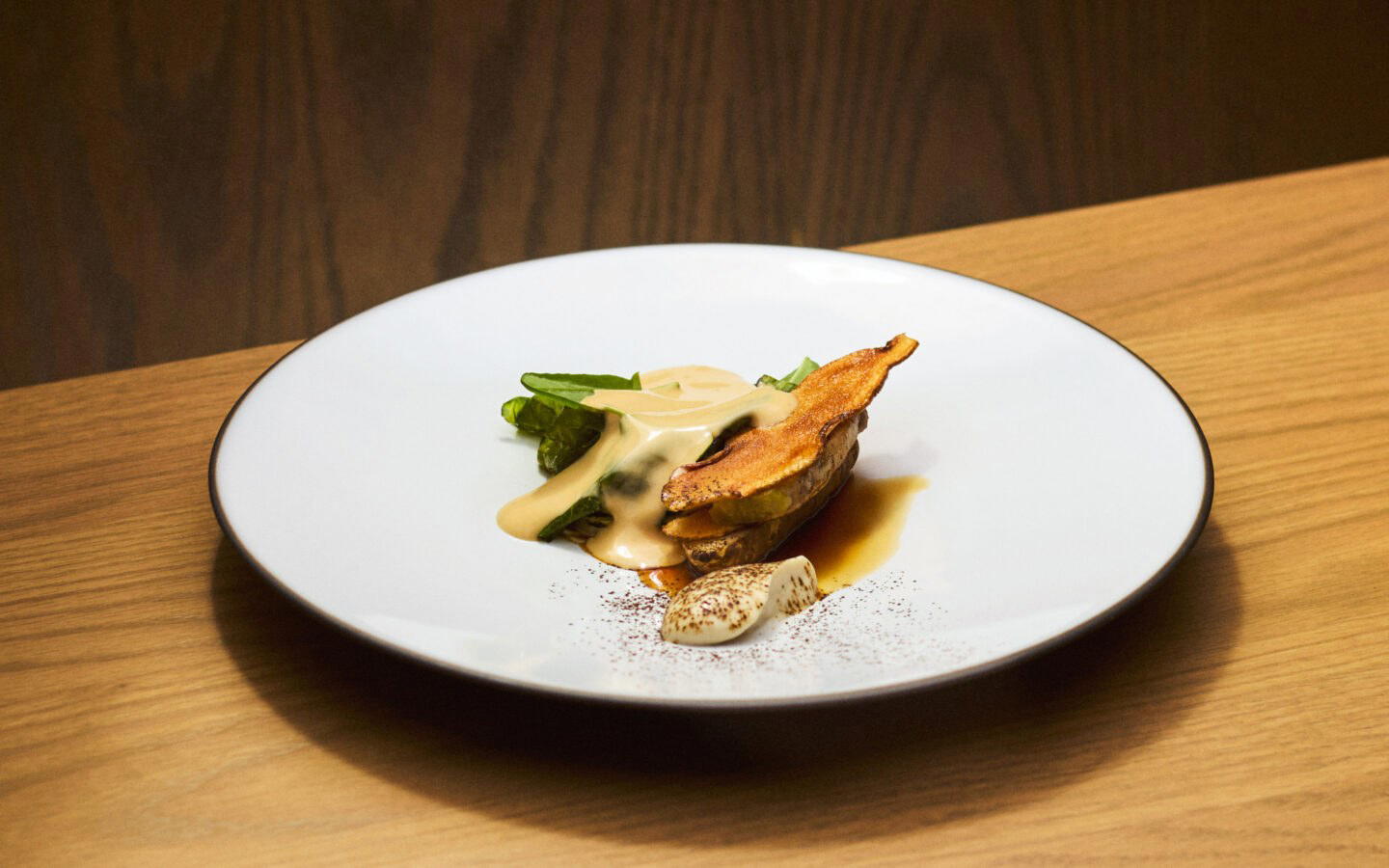
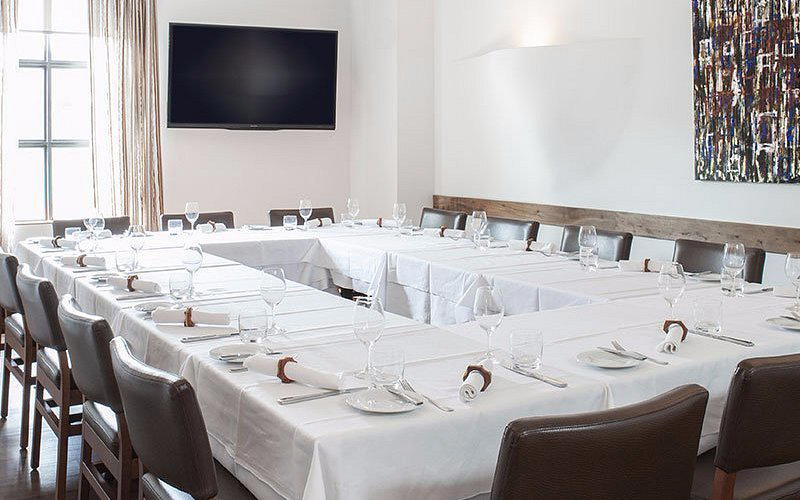
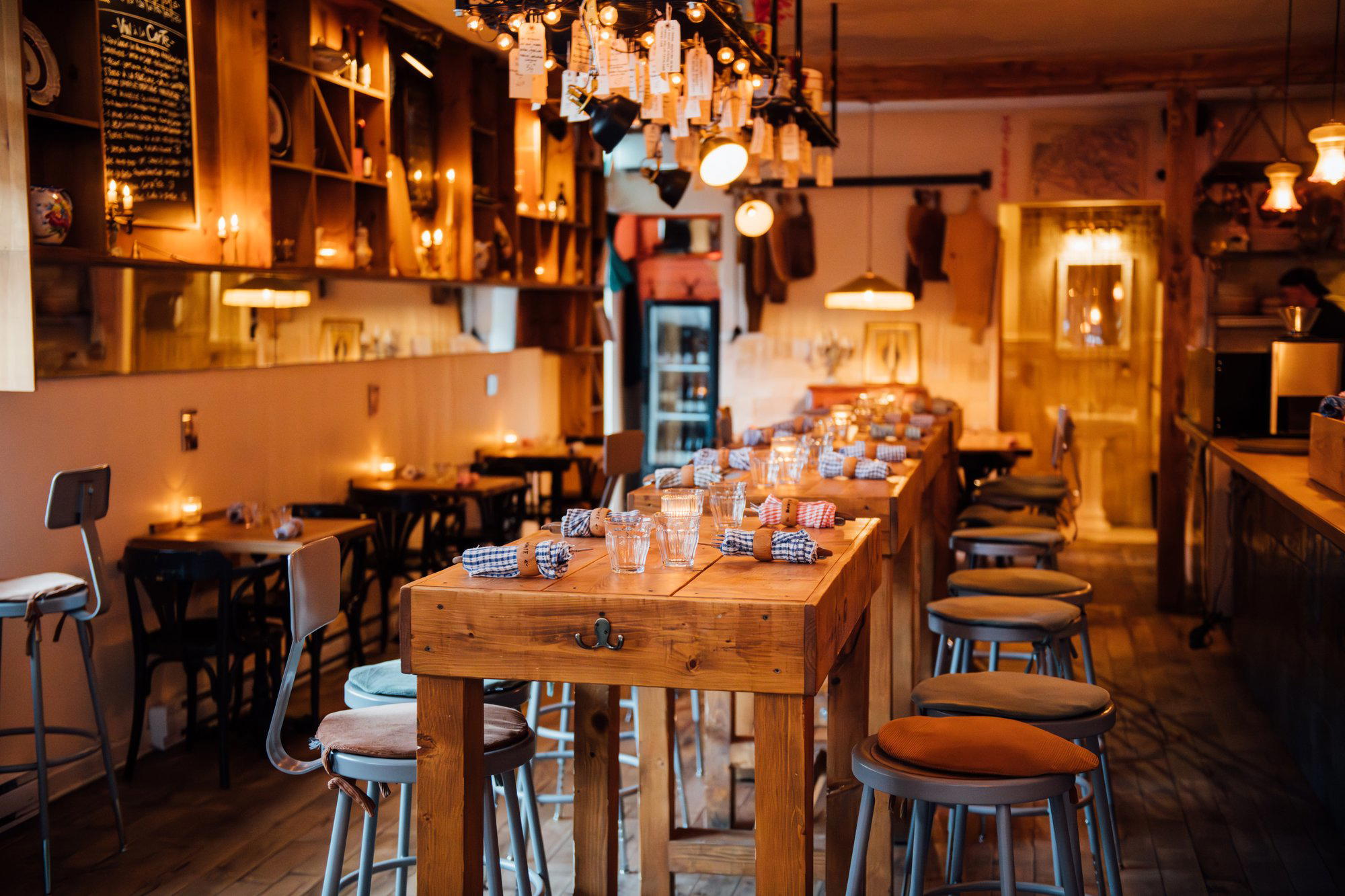
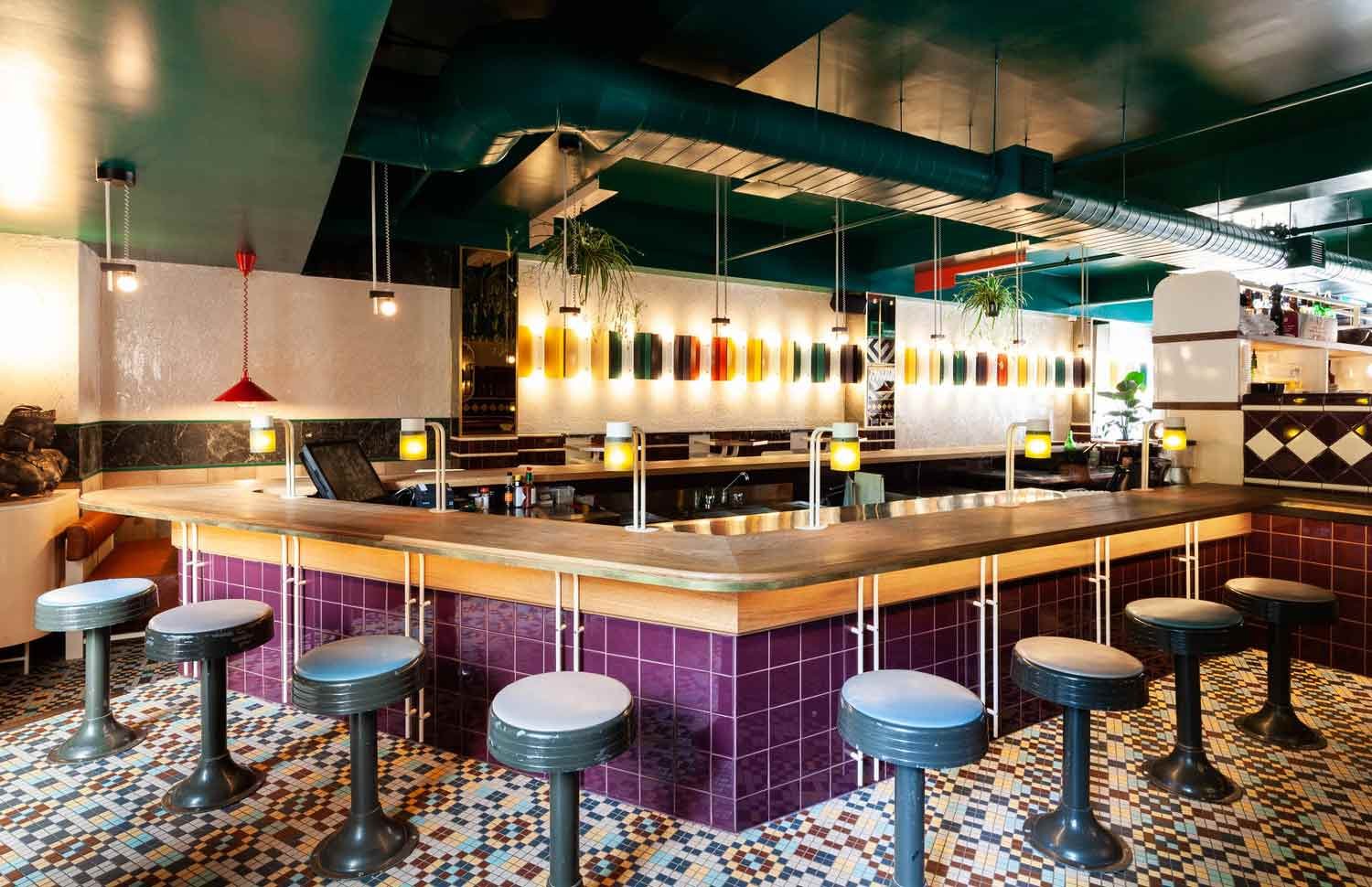
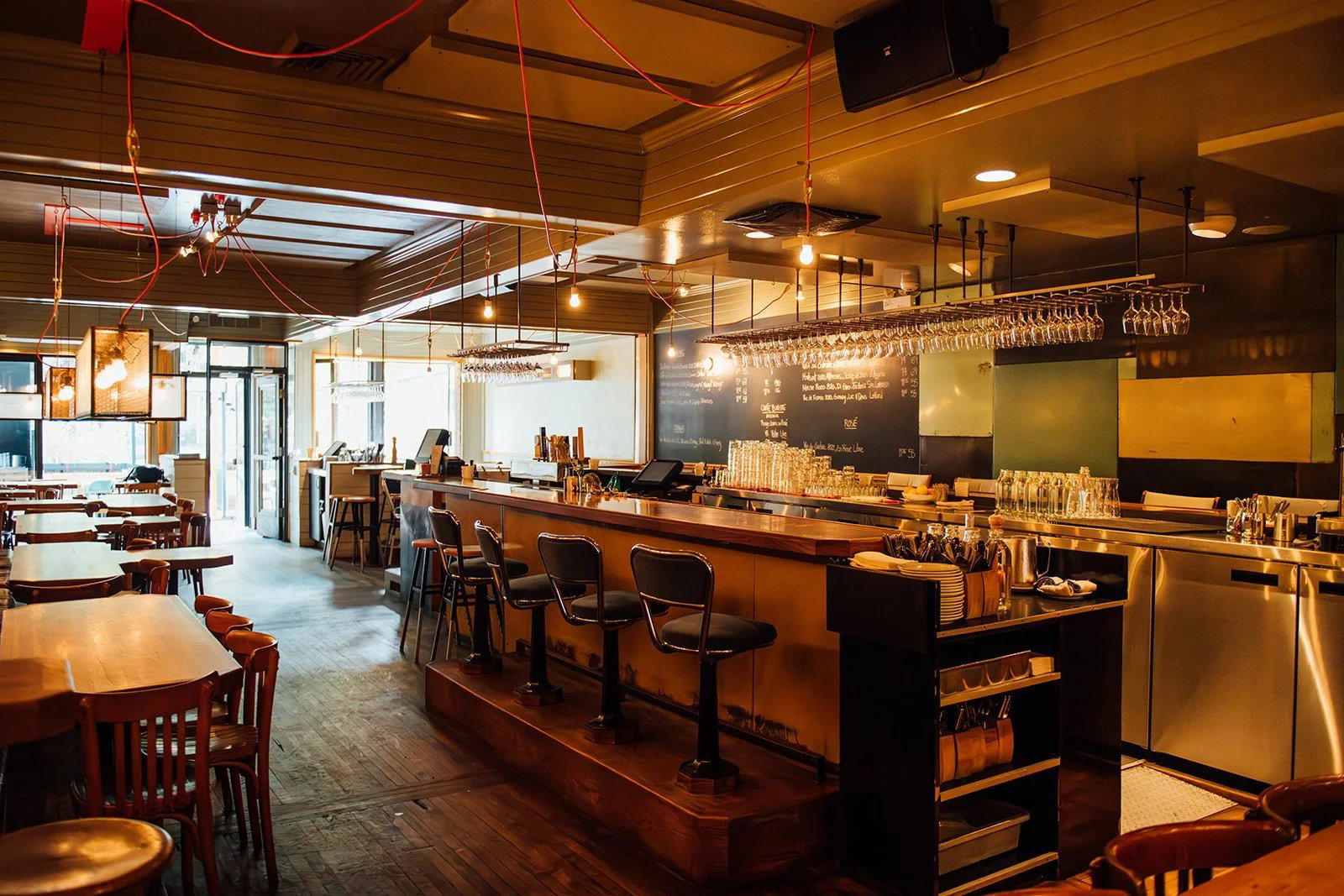
Warm, intimate, and cozy atmosphere with fanciful design elements and custom woodwork crafted by the chef himself using eco-sensitive practices.