Mare occupies a considered address on Rue Saint-Pierre in Old Montreal, where the neighbourhood's maritime history and the city's seafood-forward dining tradition converge. The room sits inside the broader movement of ambitious Quebec restaurants re-examining French coastal cooking through a local lens. For visitors arriving from a short walk through the stone corridors of the Old Port, the transition feels deliberate.
Pearl is the En Primeur Club membership app — saves, bookings, and concierge access live there. Same editors, same standards.
- Address
- 440 Rue Saint-Pierre, Montréal, QC H2Y 2M5, Canada
- Phone
- +15143654848
- Website
- maremtl.ca
- Directions
- Get directions
 Saves & bookings on Pearl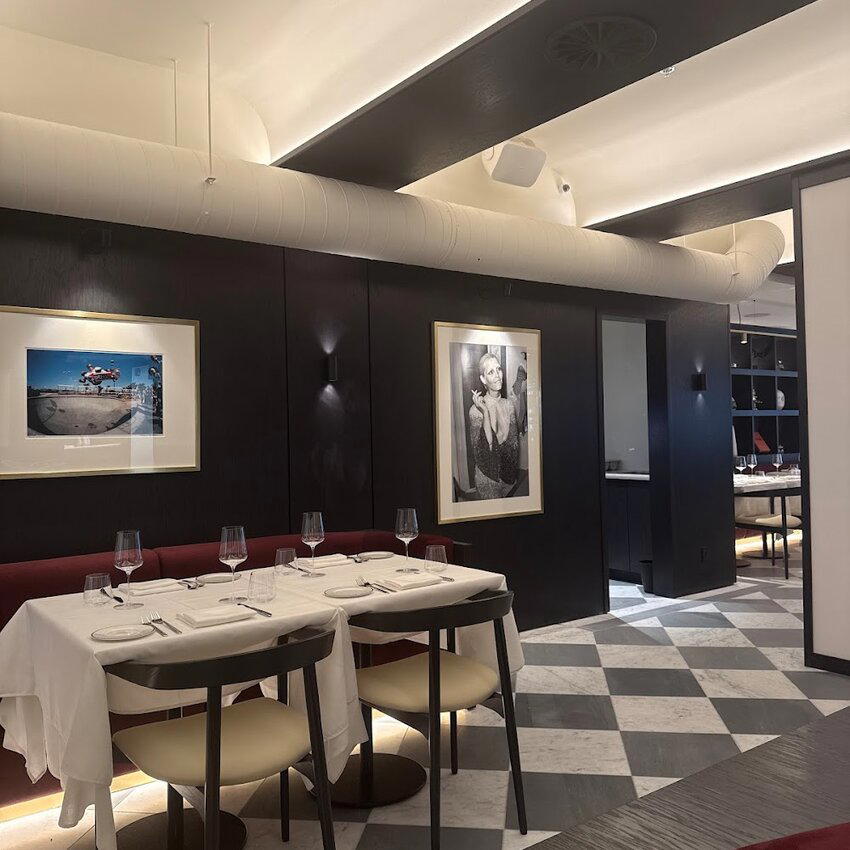
Old Montreal and the Sea: Where the City's Maritime Past Meets the Plate
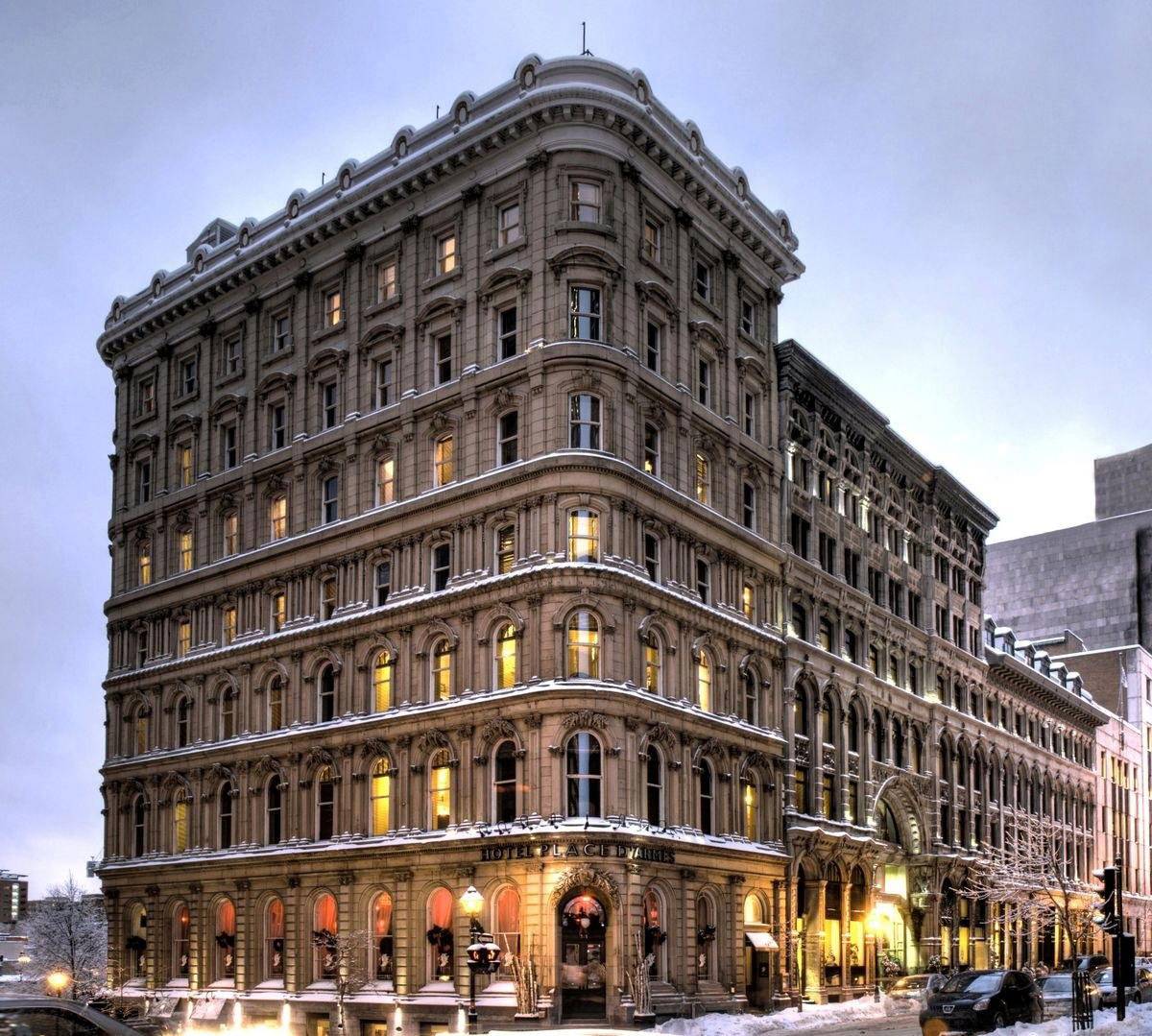
Old Montreal's Rue Saint-Pierre has long carried dual identities: a street of banking institutions and merchant warehouses in the nineteenth century, and now a quieter corridor of considered restaurants and design studios that have taken root in the same stone buildings. The neighbourhood's connection to the St. Lawrence River is not merely aesthetic. Montreal was, for centuries, a working port city, and the trade in Atlantic cod, oysters, and smoked fish shaped the food culture of Quebec long before the term "local sourcing" entered a restaurant menu. Mare, at 440 Rue Saint-Pierre, sits on that historical fault line, in a part of the city where the architecture still argues with the present tense.
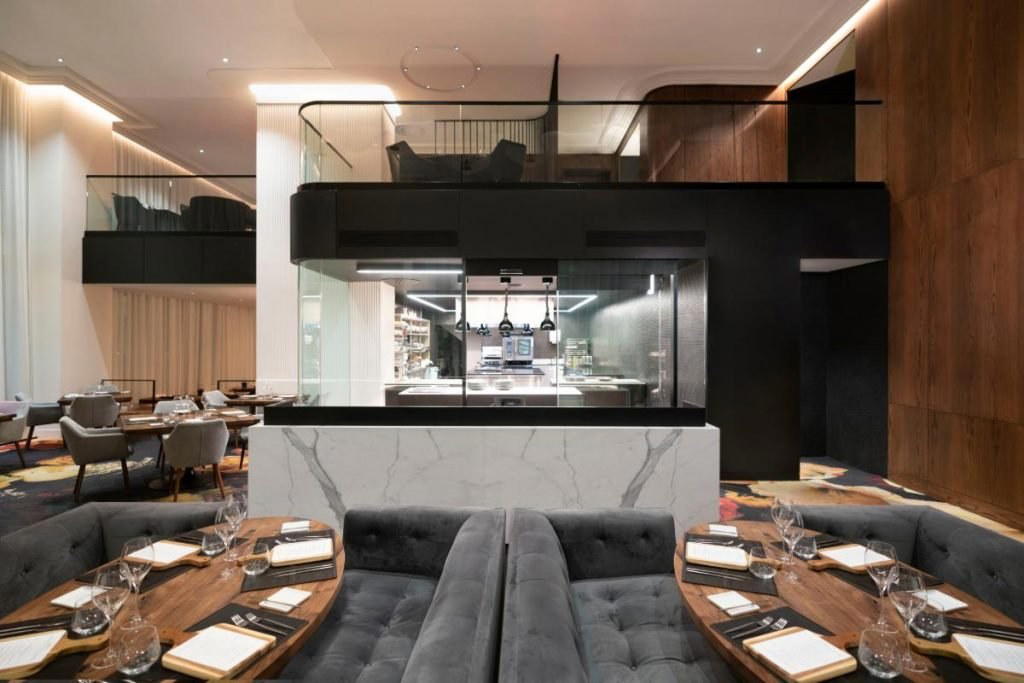
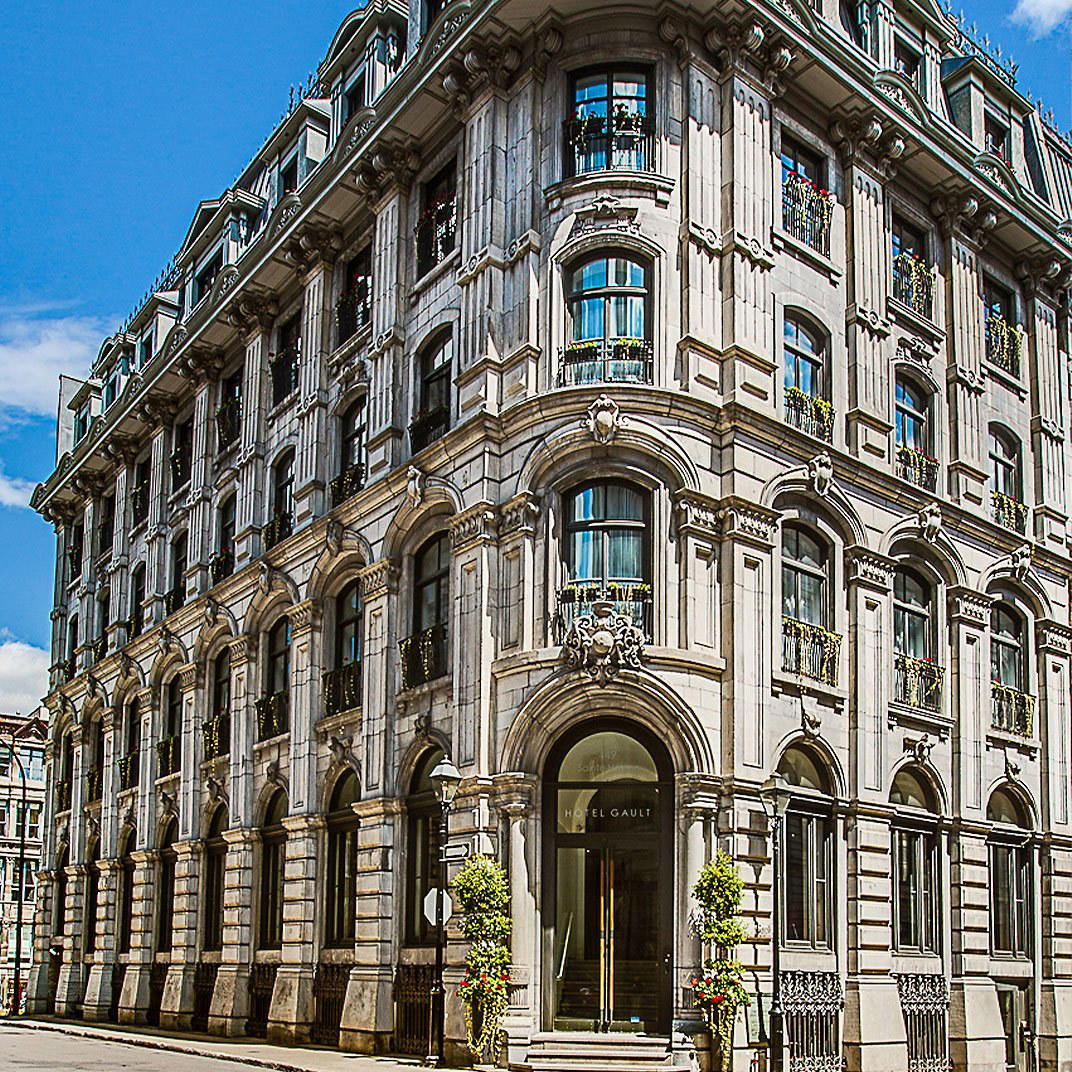
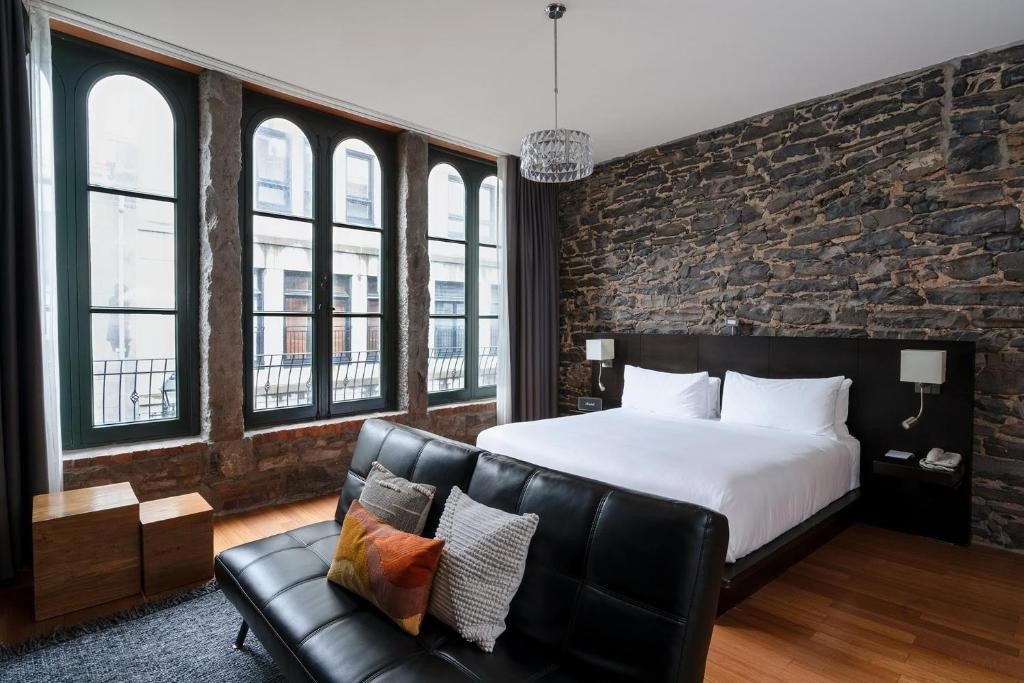
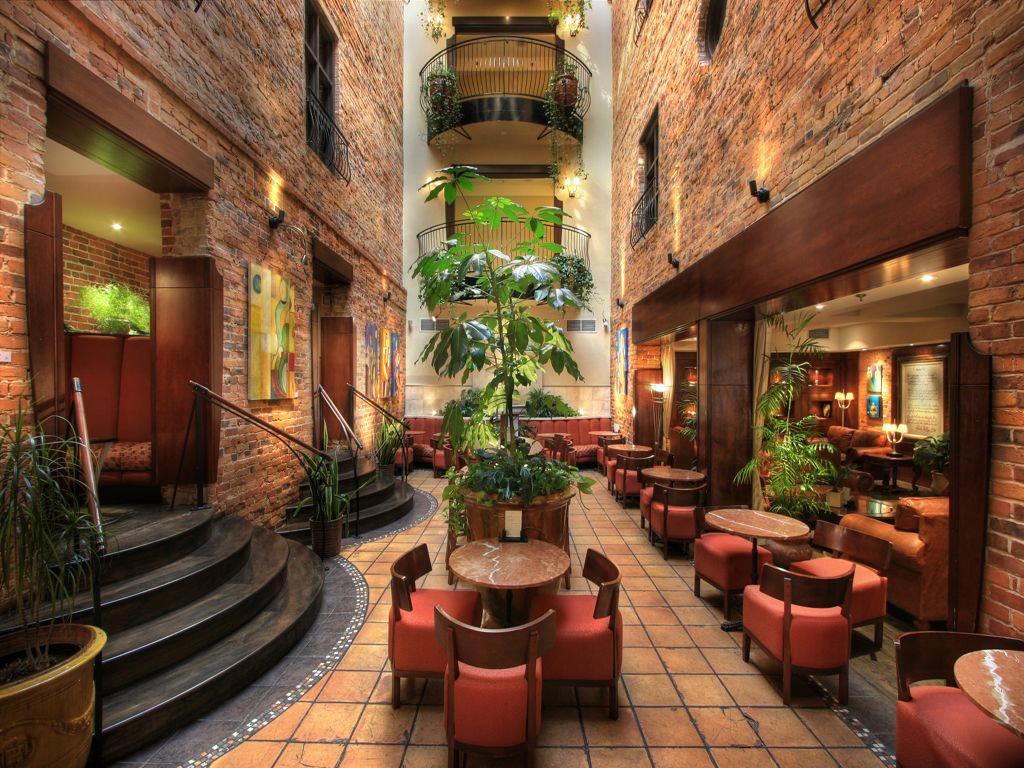
Approaching from the cobbled stretch of the Old Port, the building's stone facade registers as continuity rather than contrast. Inside, the room reads as a deliberate conversation between the neighbourhood's warehouse character and the clean visual language of contemporary Quebec dining. This is not unusual in Old Montreal, where several of the more serious restaurants have made the same architectural bet — that exposed masonry and restrained modern interiors can coexist productively. What distinguishes the ambition at this address is the focus on the sea at a moment when Montreal's fine-dining tier has largely defined itself through terroir-led land cooking.
Seafood in Quebec: The Cultural Weight Behind the Plate
Quebec's relationship with seafood is older and more layered than most visitors realise. The province's coastal communities — the Gaspésie, the Côte-Nord, the lower St. Lawrence around Rimouski, have sustained fishing cultures for generations, with traditions around salt cod, snow crab, sea urchin, and smelt that predate European-style restaurant dining by centuries. The challenge for any serious seafood restaurant in Montreal has always been translation: how to carry that cultural weight from the estuary to the city plate without losing either precision or authenticity. Restaurants that have managed this most convincingly, such as Narval in Rimouski, do so by anchoring the menu firmly in the regional catch cycle rather than importing prestige proteins for the sake of spectacle.
Montreal's broader fine-dining circuit has historically leaned toward French-rooted land cooking. Jérôme Ferrer at Europea and the long-established benchmark of Toqué have both built their reputations on a vocabulary that draws heavily from French technique applied to Quebec's agricultural products. Seafood has always appeared on those menus, but rarely as the organising principle. A restaurant that positions the sea as its central subject occupies a smaller, more specific niche within the city's premium tier, comparable, in some ways, to the distinction that Le Bernardin in New York City has maintained for decades: a kitchen that treats fish not as a secondary protein but as the full vocabulary of the menu.
The ambition is significant, and the cultural precedent is strong. Whether the execution at Mare consistently reaches the level that ambition demands is a question that the city's dining community continues to assess. What is clear is that the conversation the restaurant enters is substantive, and the address it occupies gives it a physical credibility that newer, more anonymous spaces lack.
Montreal's Modern Dining Scene: The Competitive Frame
Montreal in the current period has produced a generation of kitchens working in a mode that might be described as post-French Quebec: rooted in classical technique, but increasingly willing to break from French convention when local produce or indigenous culinary logic offers a more direct argument. Mastard and Sabayon represent part of that shift at the mid-to-upper end of the price range, where the cooking is intelligent and the sourcing transparent without the formality of the grand-occasion restaurant. 3 Pierres 1 Feu and Abu el zulof extend the city's range in other directions, demonstrating how broadly the local dining scene now interprets serious cooking.
Nationally, the standard for seafood-led fine dining in Canada has been set by a small number of restaurants working at the intersection of French precision and Canadian coastal produce. Tanière³ in Quebec City has made a sustained argument for northern Quebec ingredients across the full menu, while Alo in Toronto and AnnaLena in Vancouver demonstrate how different regional traditions shape seafood cooking at the premium level in their respective cities. The broader Canadian picture, which also includes destination-format operations like Eigensinn Farm in Singhampton and Restaurant Pearl Morissette in Lincoln, shows a national dining culture increasingly confident in defining itself on its own terms rather than deferring to European precedent.
For visitors building a Montreal itinerary around serious dining, the city's older institutions also remain relevant. Aux Anciens Canadiens in Quebec anchors the historical end of Quebec culinary tradition, while the full range documented in our full Montreal restaurants guide maps the breadth of what the city currently offers across price points and cooking styles.
Planning Your Visit: What to Know Before You Go
Mare's address at 440 Rue Saint-Pierre places it in the heart of Old Montreal, within comfortable walking distance of the Old Port, the Pointe-à-Callière archaeology museum, and the cluster of design-conscious hotels that have made this part of the city a destination in its own right. The neighbourhood is most alive in the warmer months, when the cobbled streets fill from early evening and the proximity to the river becomes a physical pleasure rather than just a historical reference point. That said, Old Montreal in winter carries its own atmosphere: the stone buildings hold heat differently from glass towers, and the reduced tourist traffic returns the street to something closer to its working character.
Visitors arriving from out of town, whether from the restaurant-dense corridor along Rue Saint-Denis or from further afield, Barra Fion in Burlington or The Pine in Creemore among the cross-border or regional options worth combining with a Montreal trip, will find the Old Port area logistically manageable. The neighbourhood is served by the Square-Victoria-OACI metro station, a short walk from the restaurant's block. Parking in Old Montreal is limited and expensive on weekend evenings; the metro or a rideshare remains the more practical arrival for dinner.
Given the sparse public data currently available on Mare's reservation policies and booking windows, contacting the restaurant directly before visiting is the most reliable approach for confirming table availability and any private dining or dietary accommodation options.
How Mare Montréal compares with similar nearby venues.
| Venue | Cuisine | Price |
|---|---|---|
| Dorsia | European | $$$ |
| Garde Manger | Seafood | $$$$ |
At a Glance
- Elegant
- Sophisticated
- Modern
- Romantic
- Date Night
- Business Dinner
- Special Occasion
- Celebration
- Design Destination
- Open Kitchen
- Standalone
- Craft Cocktails
- Sommelier Led
- Sustainable Seafood
- Local Sourcing
Current opening hours
- Monday
- Closed
- Tuesday
- 5–10 PM
- Wednesday
- 5–10 PM
- Thursday
- 5–11 PM
- Friday
- 5–11 PM
- Saturday
- 5–11 PM
- Sunday
- Closed
Hours can change for holidays and private events. Last verified .
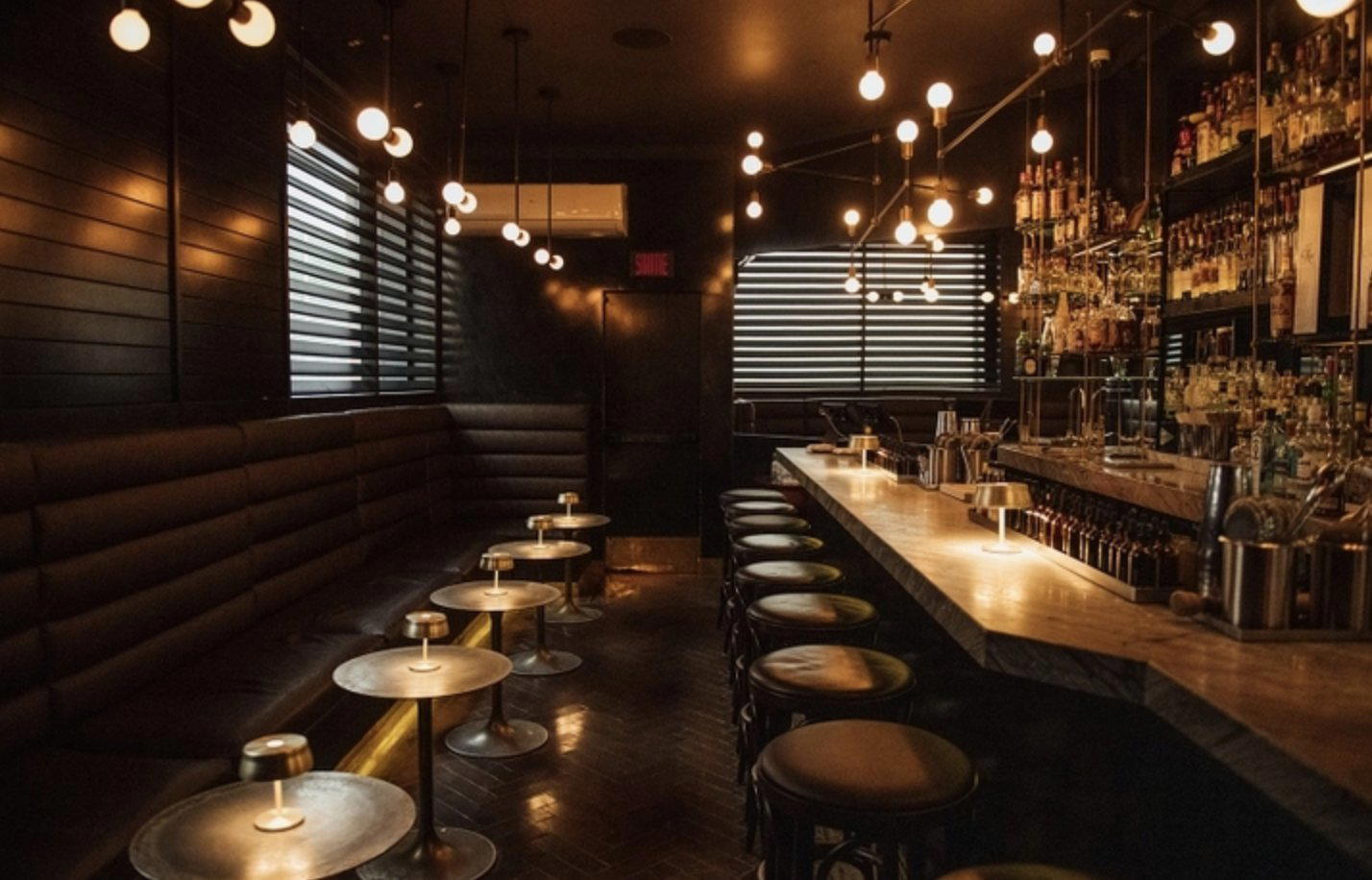
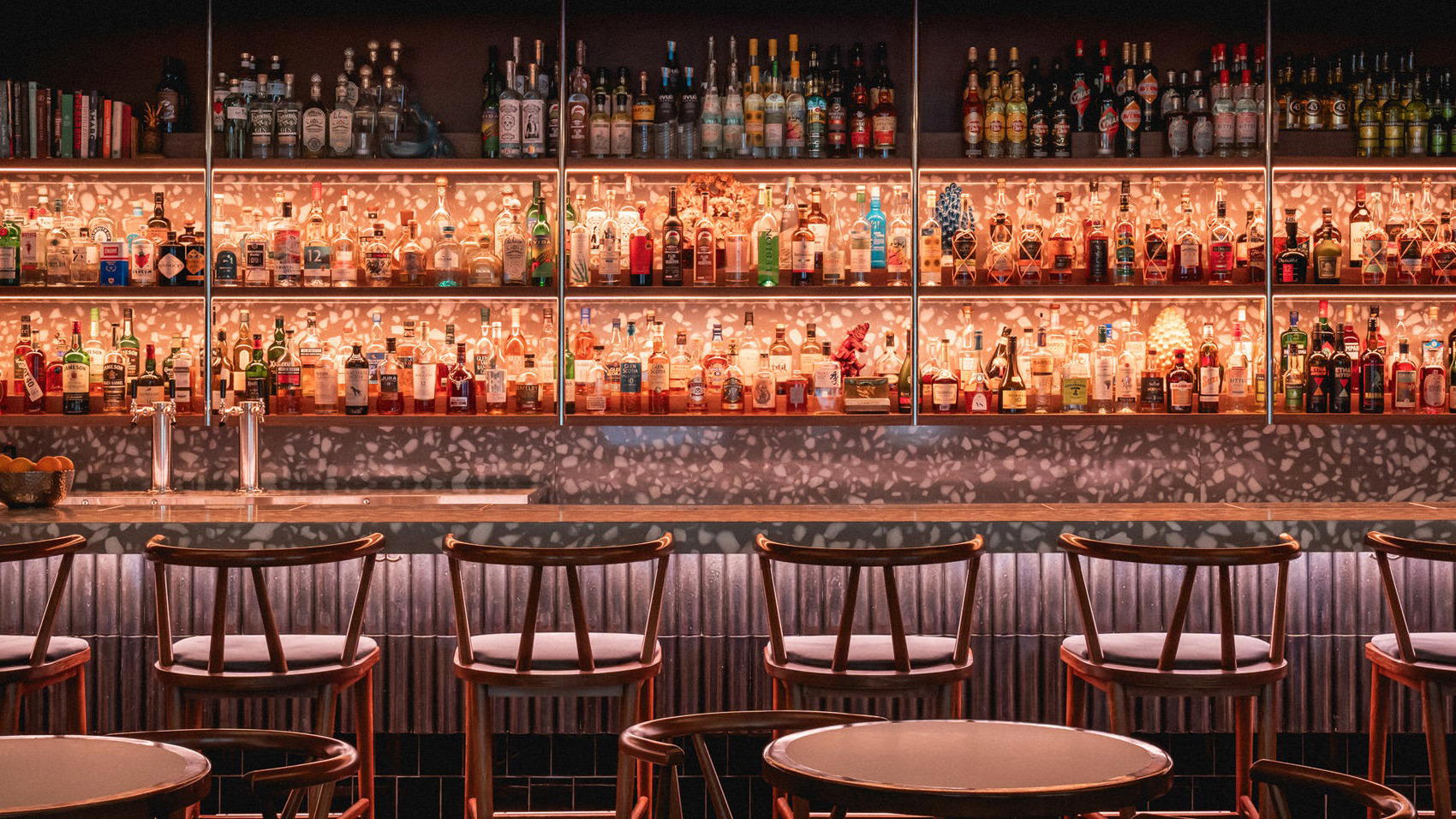
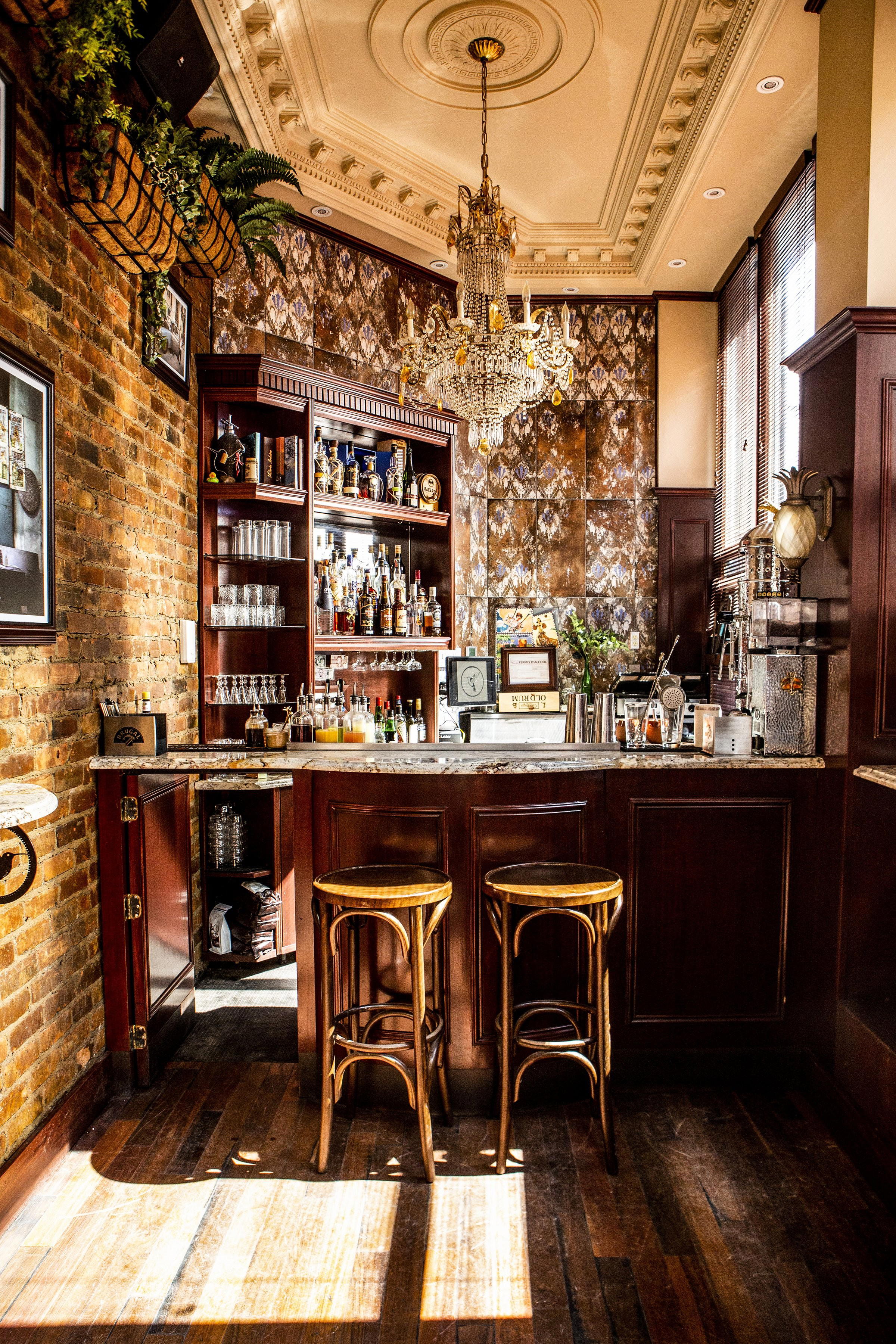
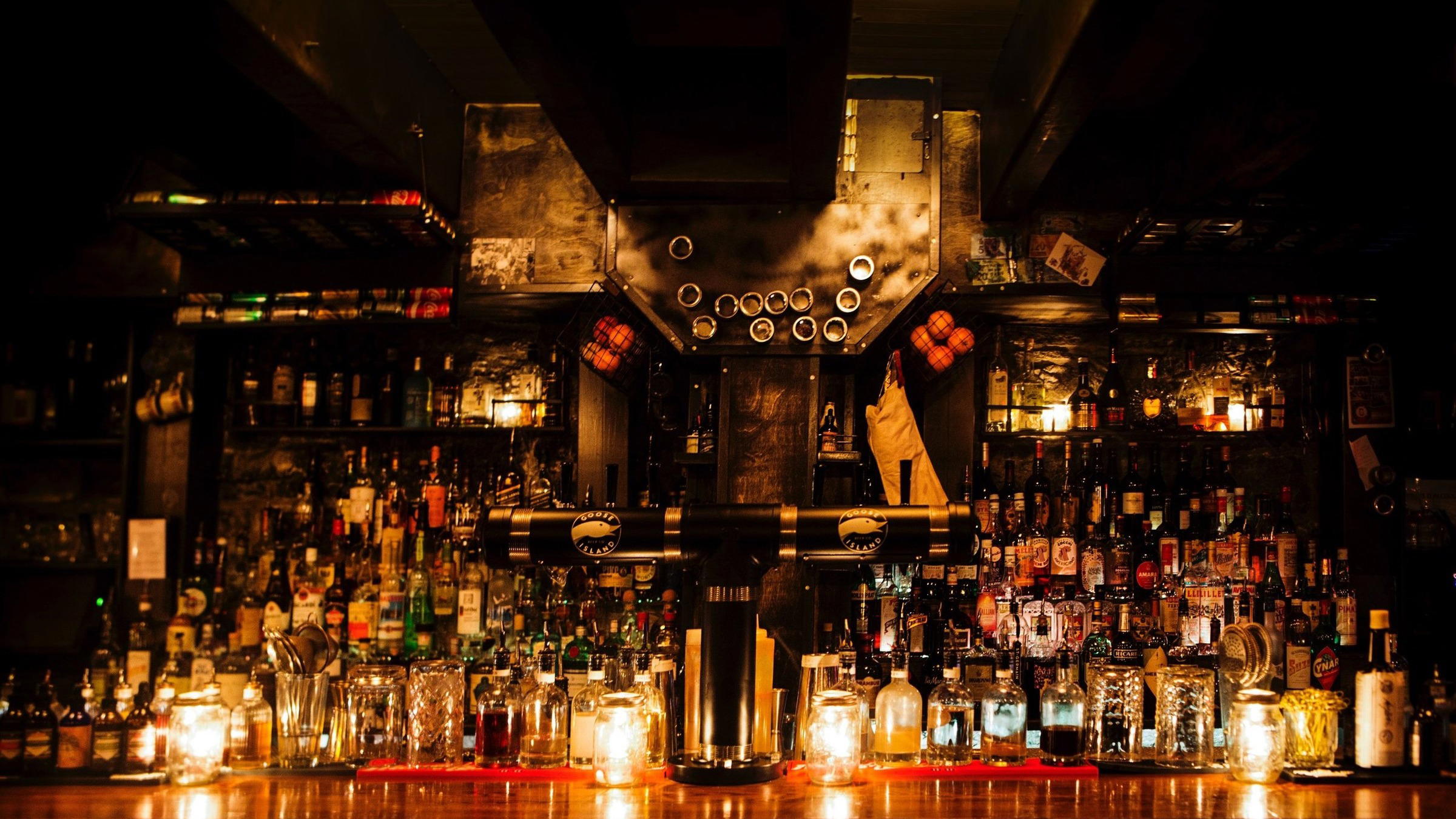
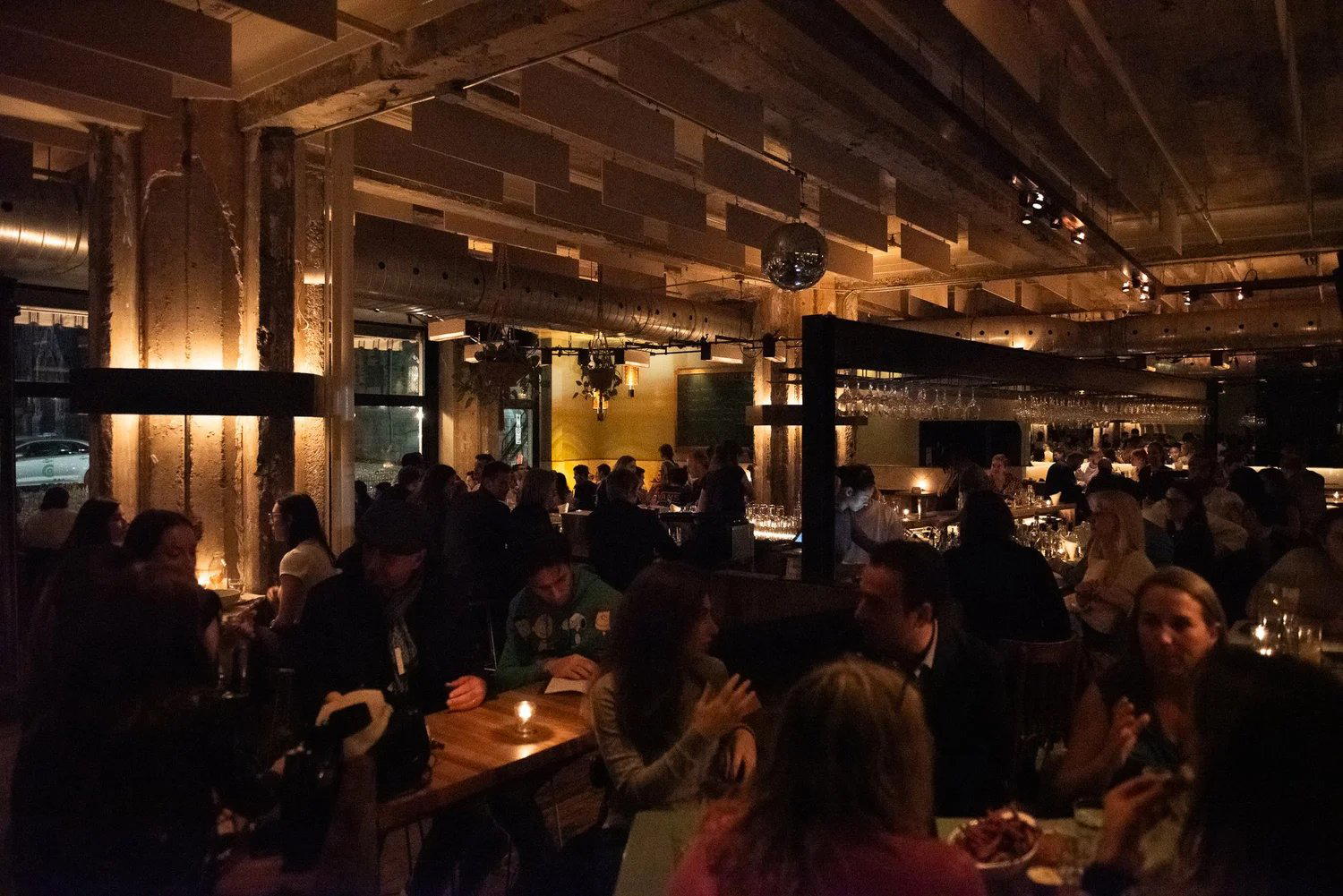
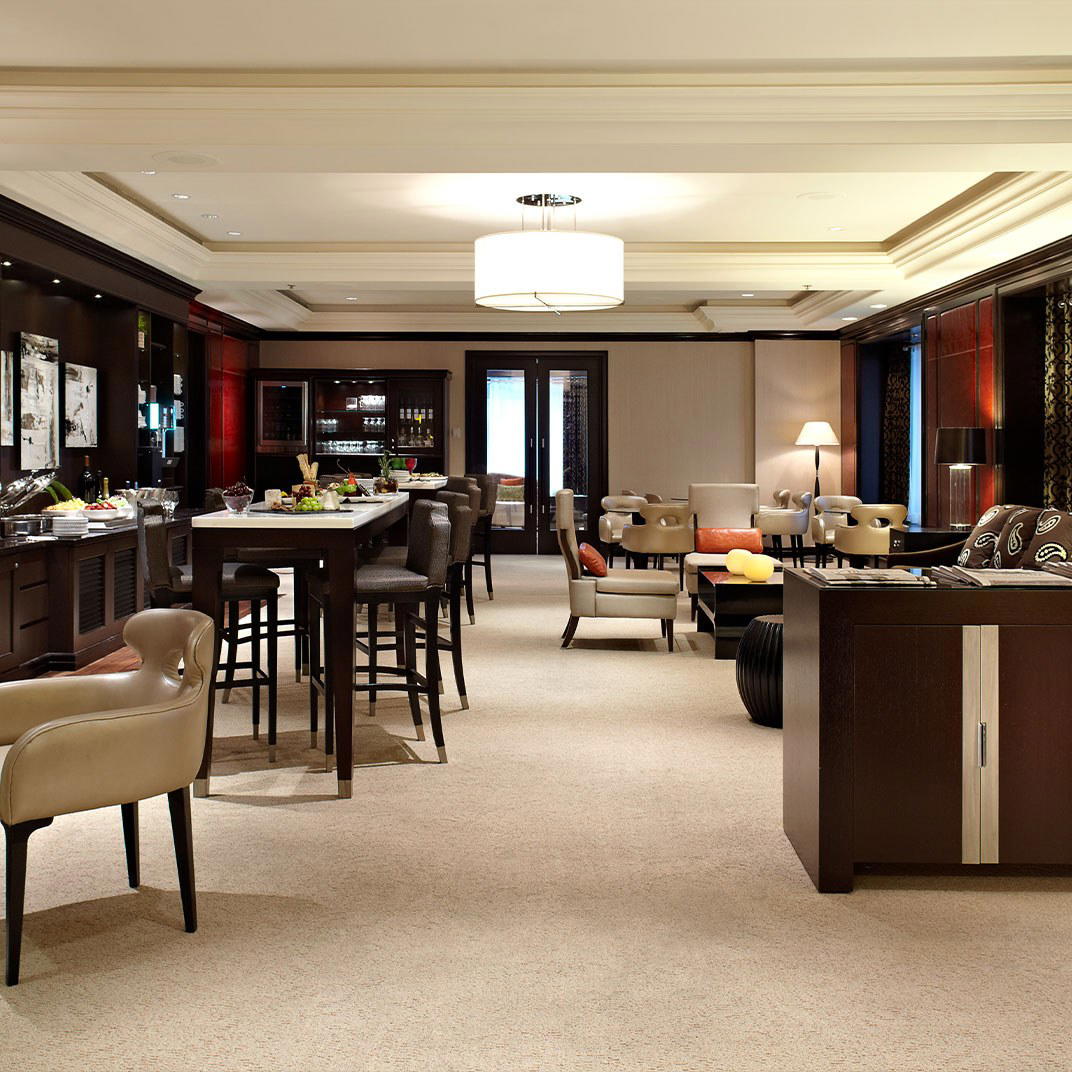
Warm, refined Italian coastal aesthetic with marble, timber, brick, and raw stone softened by muted fabrics and mellow lighting; divided into cocktail bar, raw bar, and dining room zones.
Know Before You Go
- Getting there
- 440 Rue Saint-Pierre, Montréal, QC H2Y 2M5, Canada