Ida

Ida occupies a residential stretch of W10 that has always operated at a lower temperature than London's formal dining circuit. The draw here is the neighbourhood-restaurant model in its most functional form: a room where the local clientele returns regularly and the relationship between kitchen and guest deepens over time. For visitors looking beyond the city's tasting-menu tier, it represents a different kind of value.
Pearl is the En Primeur Club membership app — saves, bookings, and concierge access live there. Same editors, same standards.
- Address
- 167 Fifth Ave, London W10 4DT, United Kingdom
- Phone
- +442089699853
- Website
- idarestaurant.co.uk
- Directions
- Get directions
 Saves & bookings on Pearl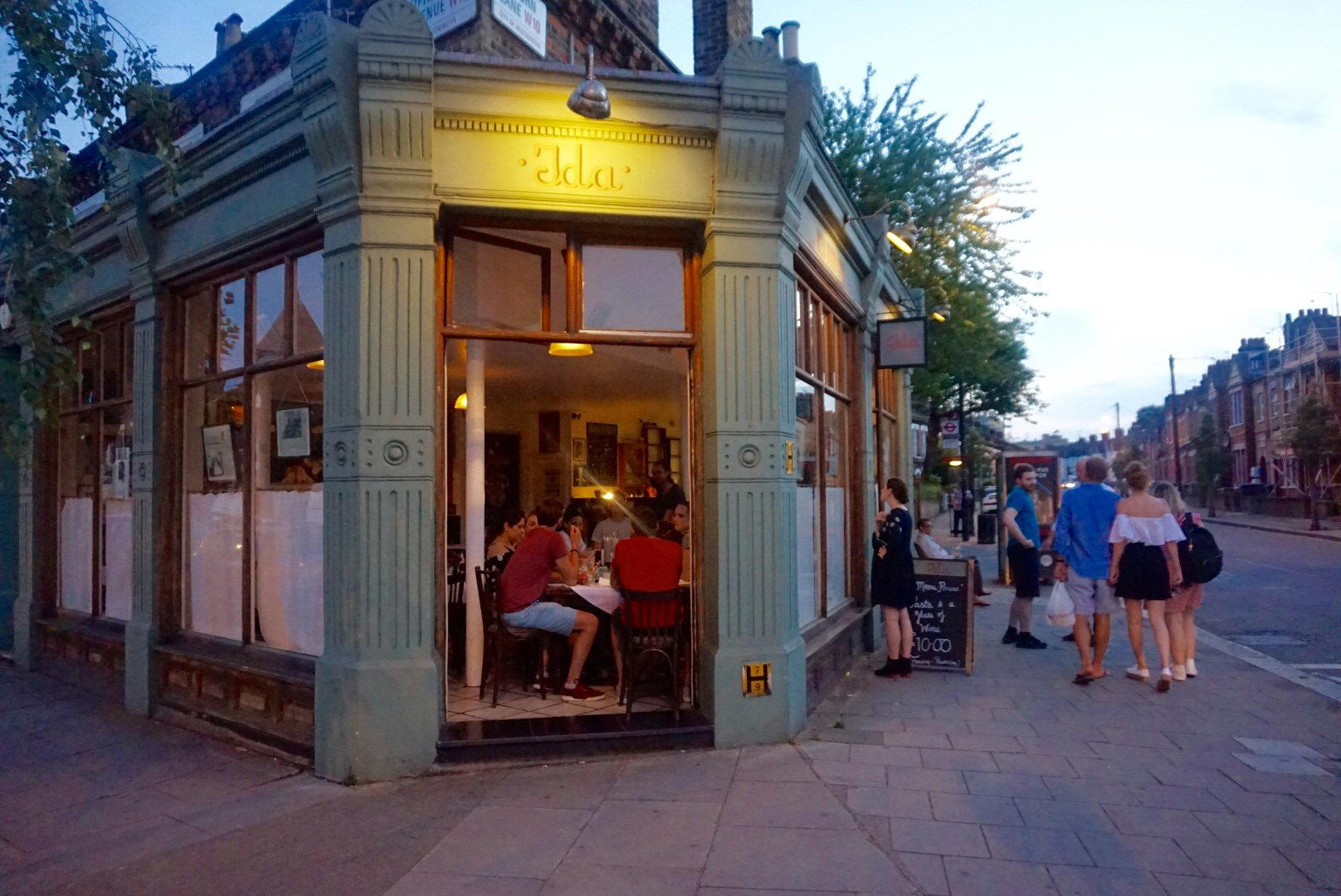
A Neighbourhood Address That Regulars Treat as Their Own
There is a particular kind of restaurant that London does quietly well: the address that accumulates loyal visitors not through press campaigns or awards cycles, but through the slow accretion of good meals remembered. Ida, at 167 Fifth Avenue in W10, belongs to that tradition. The postcode places it in the western fringe of North Kensington, a stretch that has never fully committed to destination dining in the way that Mayfair or Notting Hill proper has, which is precisely why the regulars who have found it tend to keep it close. For them, Ida functions less as an occasion restaurant and more as a reliable room they return to, a meaningful distinction in a city where the gap between those two categories is wider than it looks.
What the Room Communicates
West London's neighbourhood dining scene has always operated at a lower temperature than the Michelin circuit. The rooms tend to be smaller, the lighting warmer, the noise levels calibrated to conversation rather than atmosphere-by-volume. Ida fits that pattern. The address on Fifth Avenue in W10 suggests a residential-scale operation rather than a large-format dining room, and the surrounding streets reinforce that impression: this is a part of London where locals walk to dinner. That quality of proximity, the sense that the person at the next table probably lives within ten minutes, shapes the room in ways that no design brief can fully manufacture. It is a condition that restaurants in more tourist-facing postcodes spend considerable effort trying to simulate.
For the regulars, this physical and social context is part of the value. They are not navigating a room designed for first-time visitors. The rhythms are familiar, the staff recognise faces, and the meal unfolds without the performative welcome that characterises many higher-profile London openings. That kind of ease is its own form of luxury, and it is the primary reason people return to places like Ida rather than rotating through the city's more headline-generating tables.
Where Ida Sits in London's Dining Spectrum
London's restaurant offering has stratified considerably over the past decade. At the upper end, a cluster of multi-Michelin-starred rooms, CORE by Clare Smyth, Restaurant Gordon Ramsay, Sketch, The Lecture Room and Library, The Ledbury, and Dinner by Heston Blumenthal, compete on a global stage, pricing and pacing their menus accordingly. Below that tier, but well above the mass-market middle, sits a category of independent neighbourhood restaurants that supply something those formal rooms rarely can: the experience of being a regular rather than a guest. Ida operates in that space.
The comparison matters because it clarifies what a meal here is actually for. The tasting-menu rooms in Mayfair and Knightsbridge are designed to produce a singular occasion. A place like Ida is designed to be visited repeatedly, with the relationship between the kitchen and its clientele deepening over time. That model has strong parallels with what destination restaurants outside London have built their reputations on, Waterside Inn in Bray, Le Manoir aux Quat'Saisons in Oxford, and L'Enclume in Cartmel all cultivate returning visitors as a core part of their identity, though at a different scale and price point. Closer in spirit are places like Moor Hall in Aughton, Gidleigh Park in Chagford, and Hand and Flowers in Marlow, which balance culinary ambition with a certain groundedness. Within London, see also our full London restaurants guide for the broader context of where neighbourhood independents fit against the city's formal dining tier.
The Regulars' Logic
What keeps people returning to a restaurant when the novelty has worn off is a question worth taking seriously, because the answer reveals more about the quality of the cooking and service than any single-visit review can. For the loyal clientele that neighbourhood rooms like Ida tend to accumulate, the calculation usually involves three factors: consistency of execution, a menu that rewards familiarity rather than punishing it, and staff who treat returning visitors as participants rather than customers to be processed.
Consistency is the hardest thing to fake and the easiest thing to lose. A kitchen that produces the same result on a Tuesday in January as it does on a Saturday in October is doing something genuinely difficult, and regulars notice when that discipline holds. They also notice the small adjustments, the seasonal shifts in a dish, the quiet introduction of something new, that give them a reason to return without disrupting the familiarity they rely on. This is the unwritten menu that long-term visitors accumulate: knowledge of when to go, what to order, and how to get full value from the room. It is the currency of regulars everywhere, from the neighbourhood trattorias of Rome to the corner bistros of Paris, and it is a form of value that does not appear on any price list.
For broader context on what this model looks like across the UK, hide and fox in Saltwood, Midsummer House in Cambridge, Opheem in Birmingham, and Restaurant Andrew Fairlie in Auchterarder each represent the same basic investment in long-term relationships with their local and regional audiences, though through different cuisines and formats. Internationally, the counter-seat intimacy that defines regulars' culture in rooms like Le Bernardin in New York City and Atomix in New York City illustrates how the dynamic scales across formats and price points.
Planning Your Visit
Ida is located at 167 Fifth Avenue, London W10 4DT. Reservations: Contact directly or check the venue's current booking method, as specific reservation details are not confirmed at time of publication. Getting there: W10 is accessible via Ladbroke Grove and Westbourne Park on the Hammersmith and City line; the address is walkable from both. Timing: Neighbourhood rooms in this postcode tend to be busiest Thursday through Saturday evenings; midweek visits typically offer a quieter room and more attentive service pacing. Dress: No formal dress code is specified; the neighbourhood context suggests smart-casual is appropriate. Budget: Specific pricing has not been confirmed; cross-reference with the venue directly before visiting.
Reputation First
Comparable venues nearby, for context on price, style, and recognition.
| Venue | Cuisine | Price | Notes |
|---|---|---|---|
| IdaThis venue — the venue you are viewing | Traditional Italian from Marche | $$ | Not listed |
| Fabrizio | Italian Pizzeria | $$ | Archway |
| Spring Street Pizza | New York-Style Pizza | $$ | Bankside |
| Quartieri | Authentic Neapolitan Pizzeria | $$ | Kilburn |
| Cardinals of Mayfair | Italian Trattoria & Breakfast Cafe | $$ | Marylebone |
| Rossella | Authentic Italian Trattoria | $$ | Dartmouth Park |
Recognition history
Dated appearances from independent guides and award organizations, with the underlying list record or original source where available.
The Good Food Guide Good Food Guide Best Local Restaurant
The Good Food Guide
The Good Food Guide Good Food Guide Best Local Restaurant London Winner
The Good Food Guide
Continue exploring
More in London
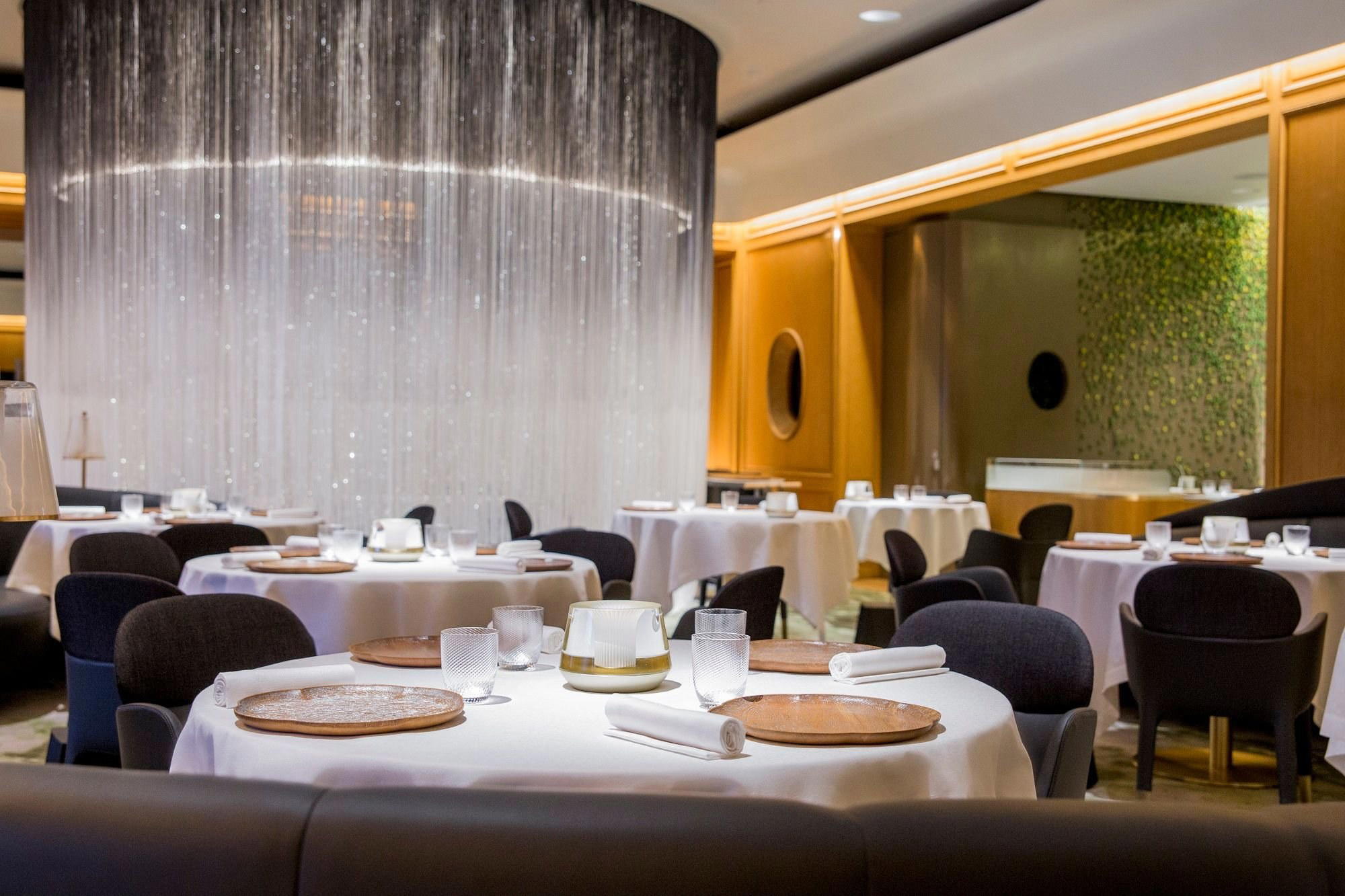
Restaurants in London
Browse all →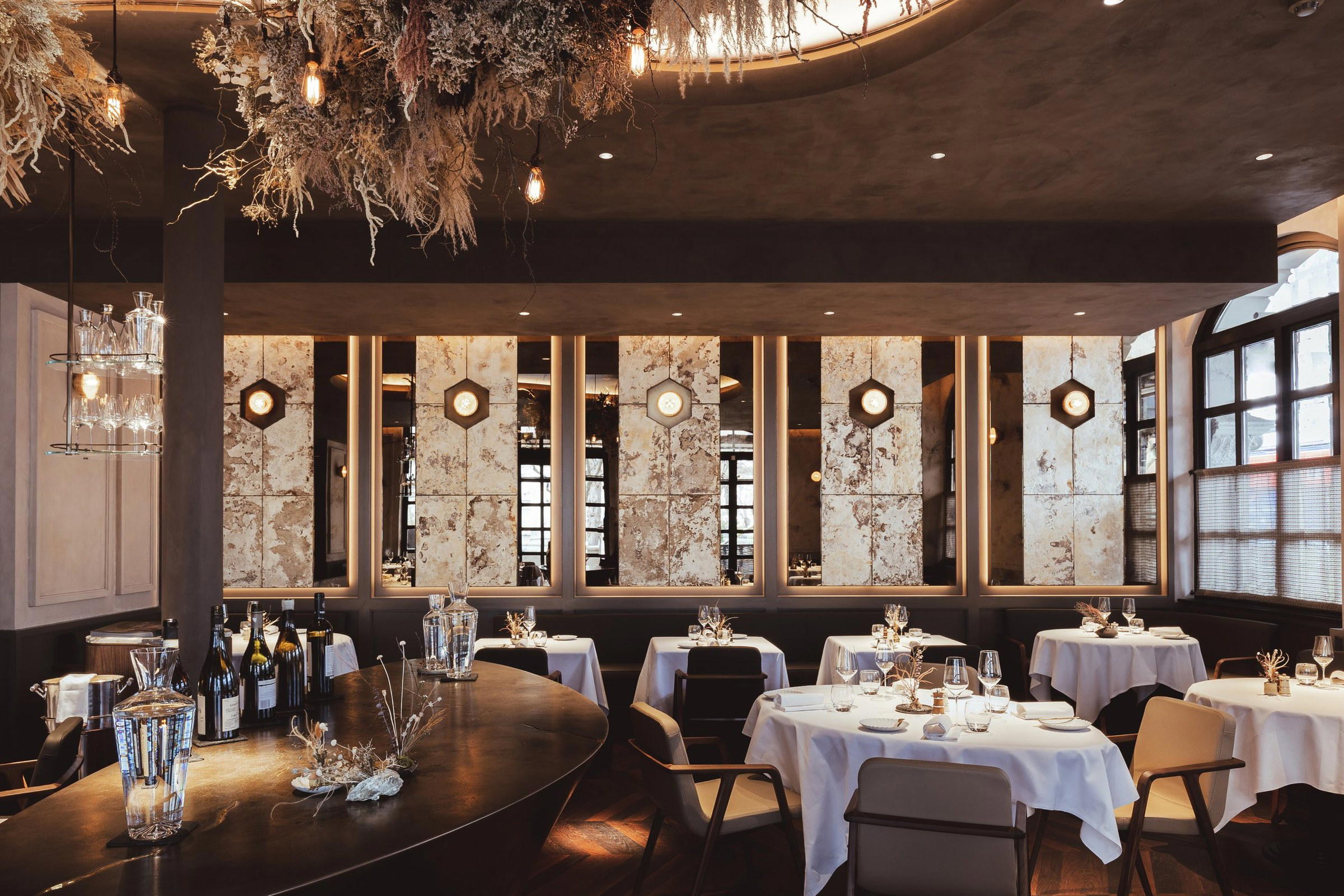
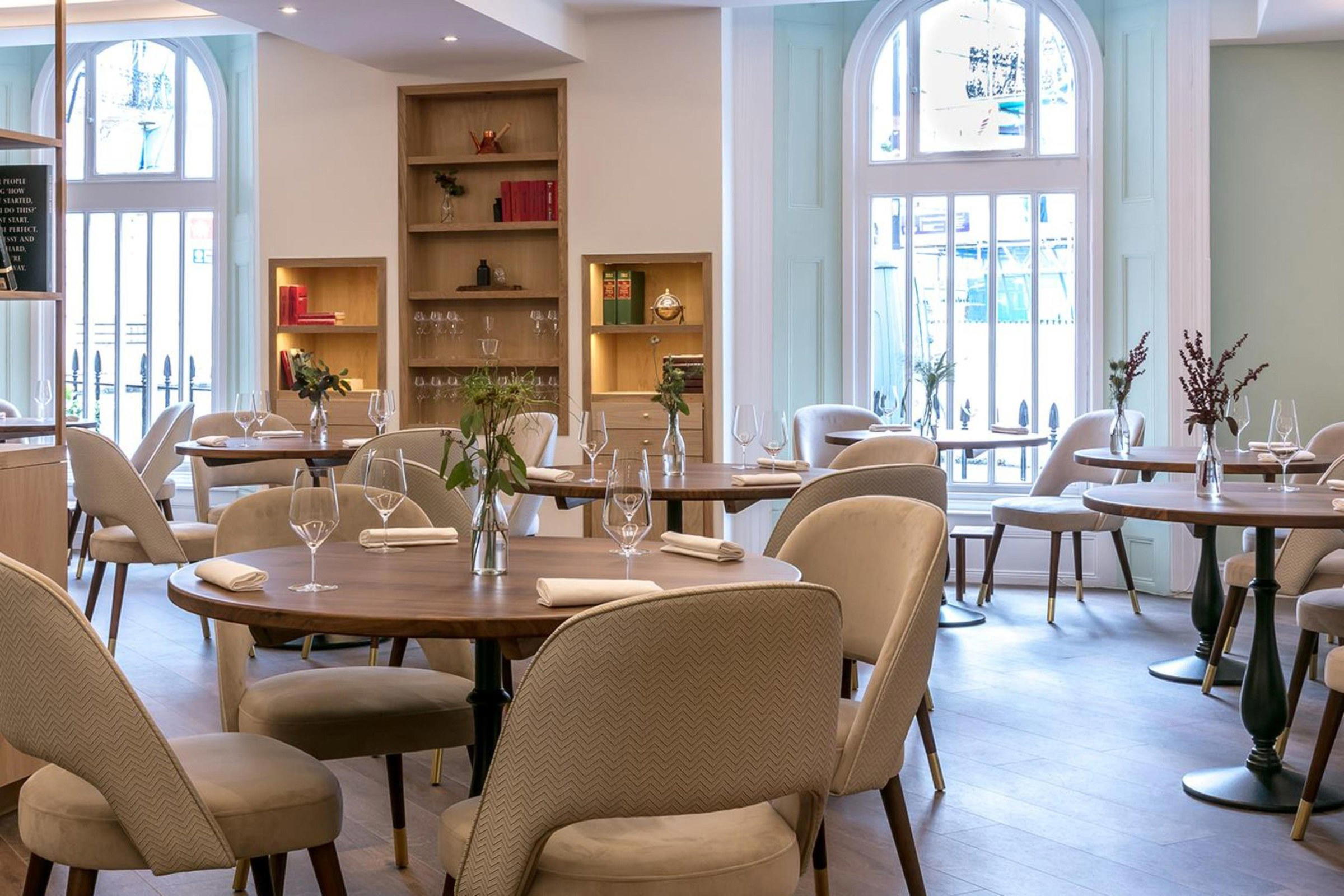
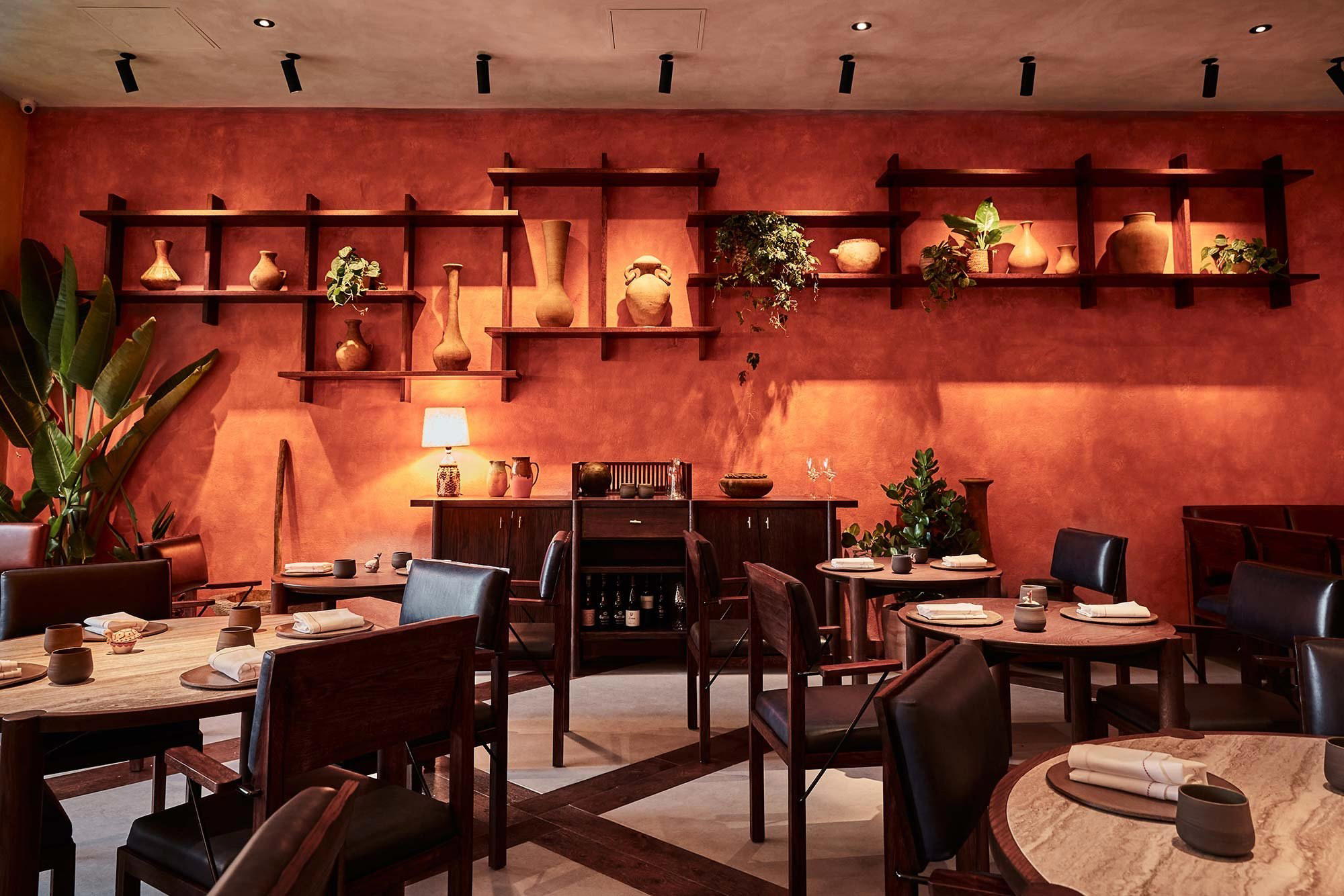
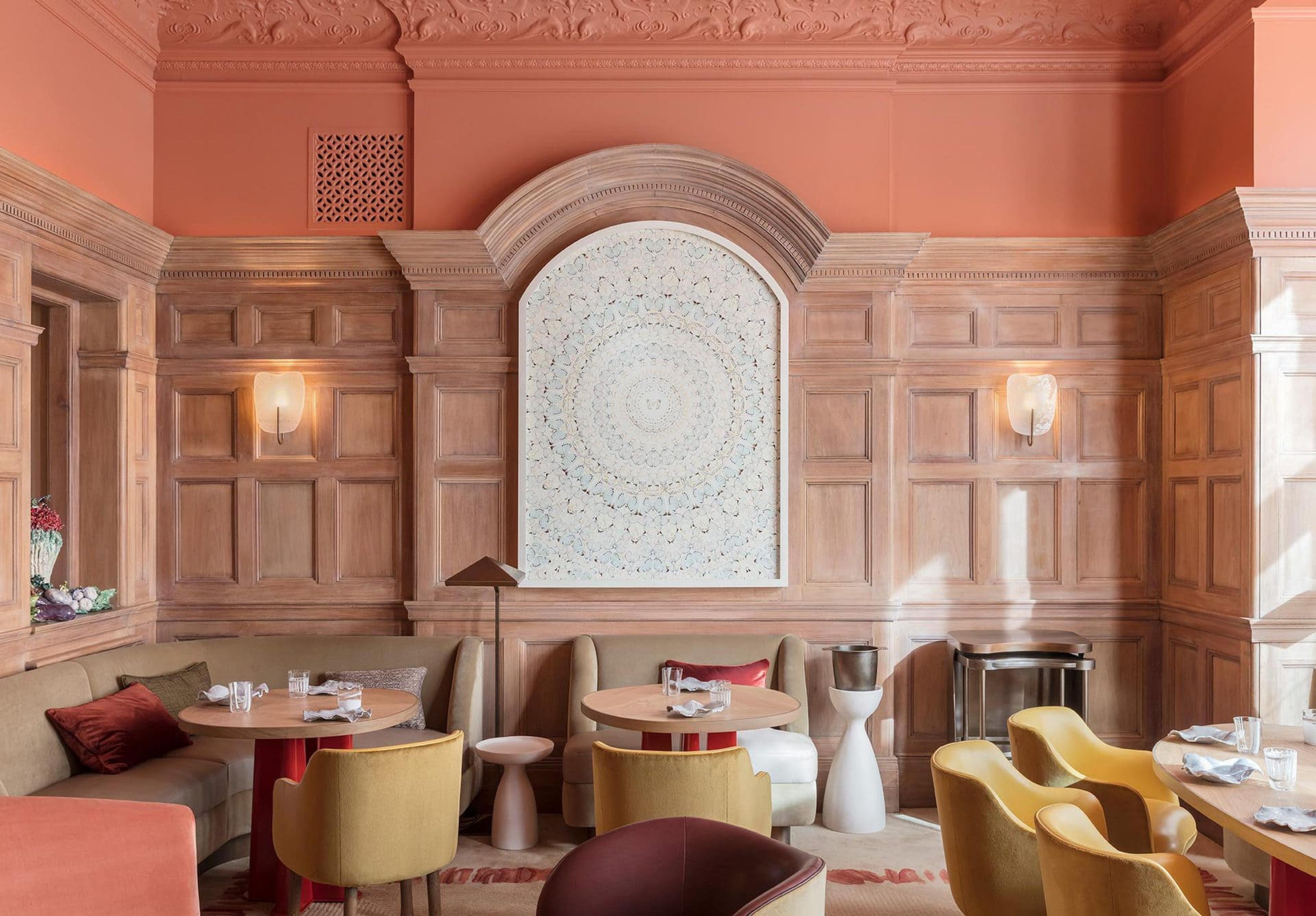
Bars in London
Browse all →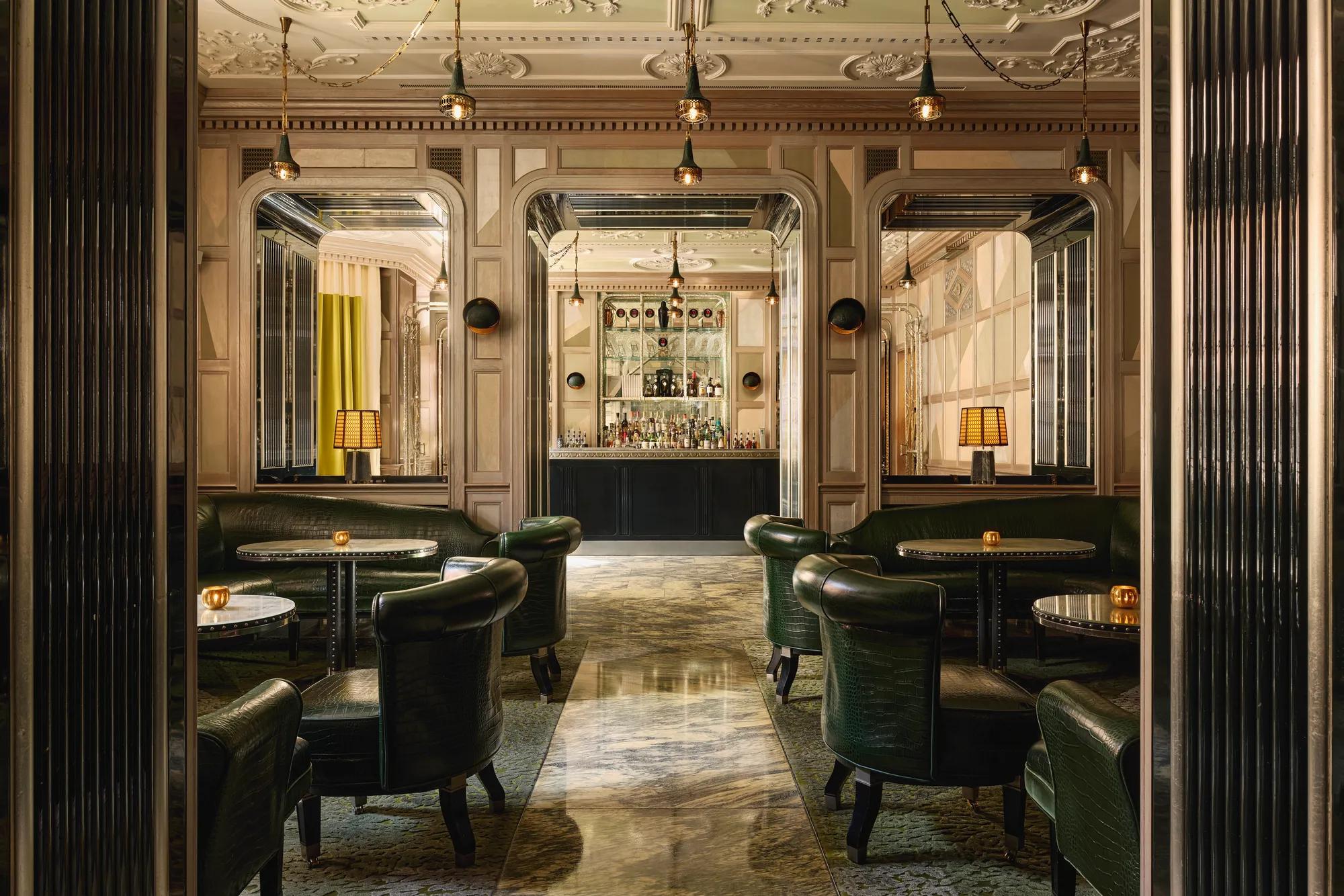
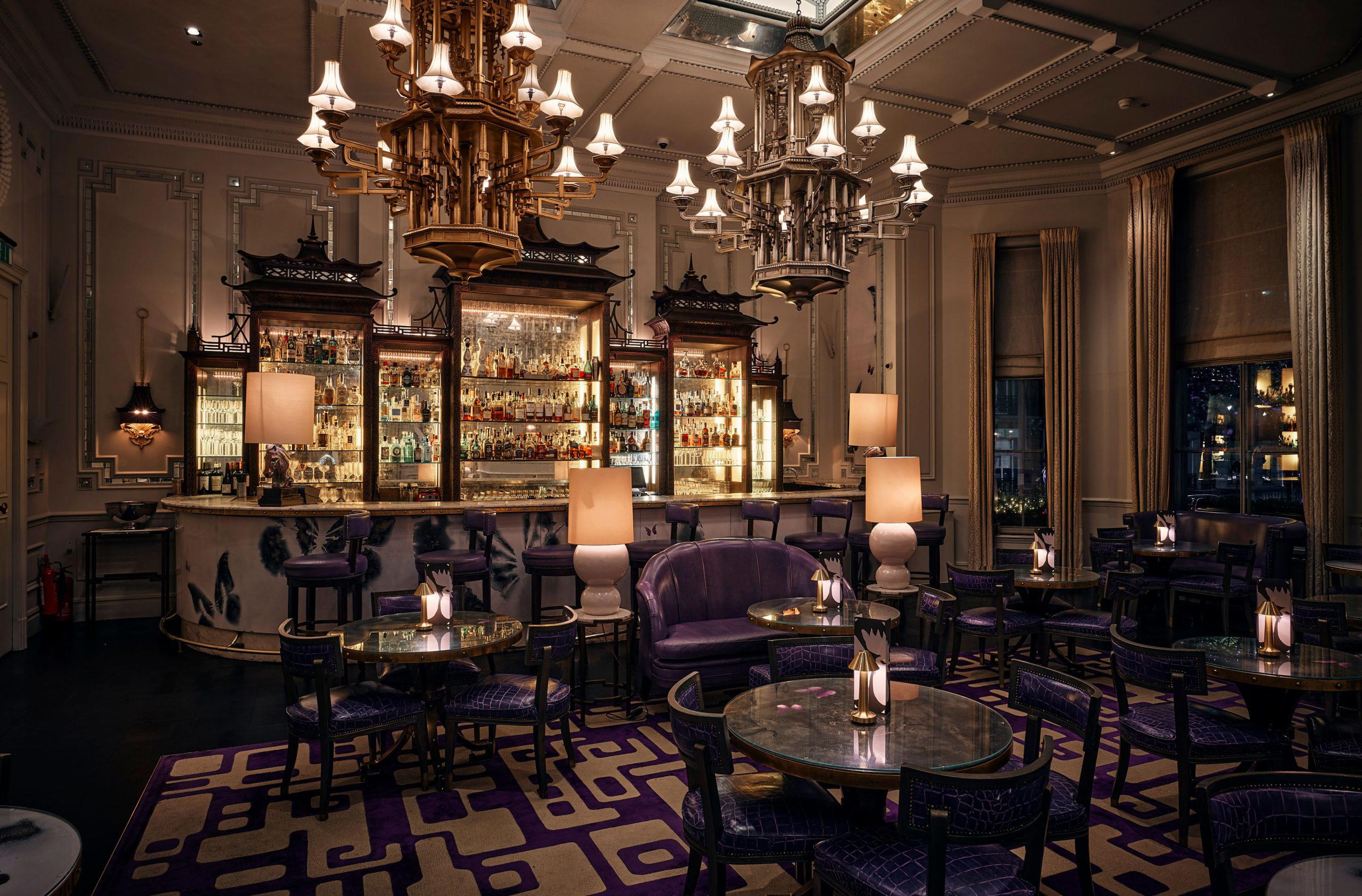
Hotels in London
Browse all →



At a Glance
- Cozy
- Intimate
- Date Night
- Casual Hangout
- Family
- Open Kitchen
Current opening hours
- Monday
- Closed
- Tuesday
- 6–10:30 PM
- Wednesday
- 6–10:30 PM
- Thursday
- 6–10:30 PM
- Friday
- 6–10:30 PM
- Saturday
- 6–10:30 PM
- Sunday
- 12:30–3 PM
Hours can change for holidays and private events. Last verified .
Homely and welcoming with simple, stylish decor, open kitchen, and cozy atmosphere that feels like dining at a favorite aunt's house.