Fabrizio
On Highgate Hill in north London, Fabrizio occupies a stretch of the city where neighbourhood dining has long operated at a remove from the West End circuit. The restaurant draws on the intersection of imported culinary technique and local produce sourcing that defines a particular strand of contemporary London cooking, placing it within a broader shift away from destination-only dining toward locally rooted, technically considered food.
Pearl is the En Primeur Club membership app — saves, bookings, and concierge access live there. Same editors, same standards.
- Address
- 34 Highgate Hl, London N19 5NL, United Kingdom
- Phone
- +44 20 7561 9073
- Website
- fabrizio-restaurant.com
- Directions
- Get directions
 Saves & bookings on Pearl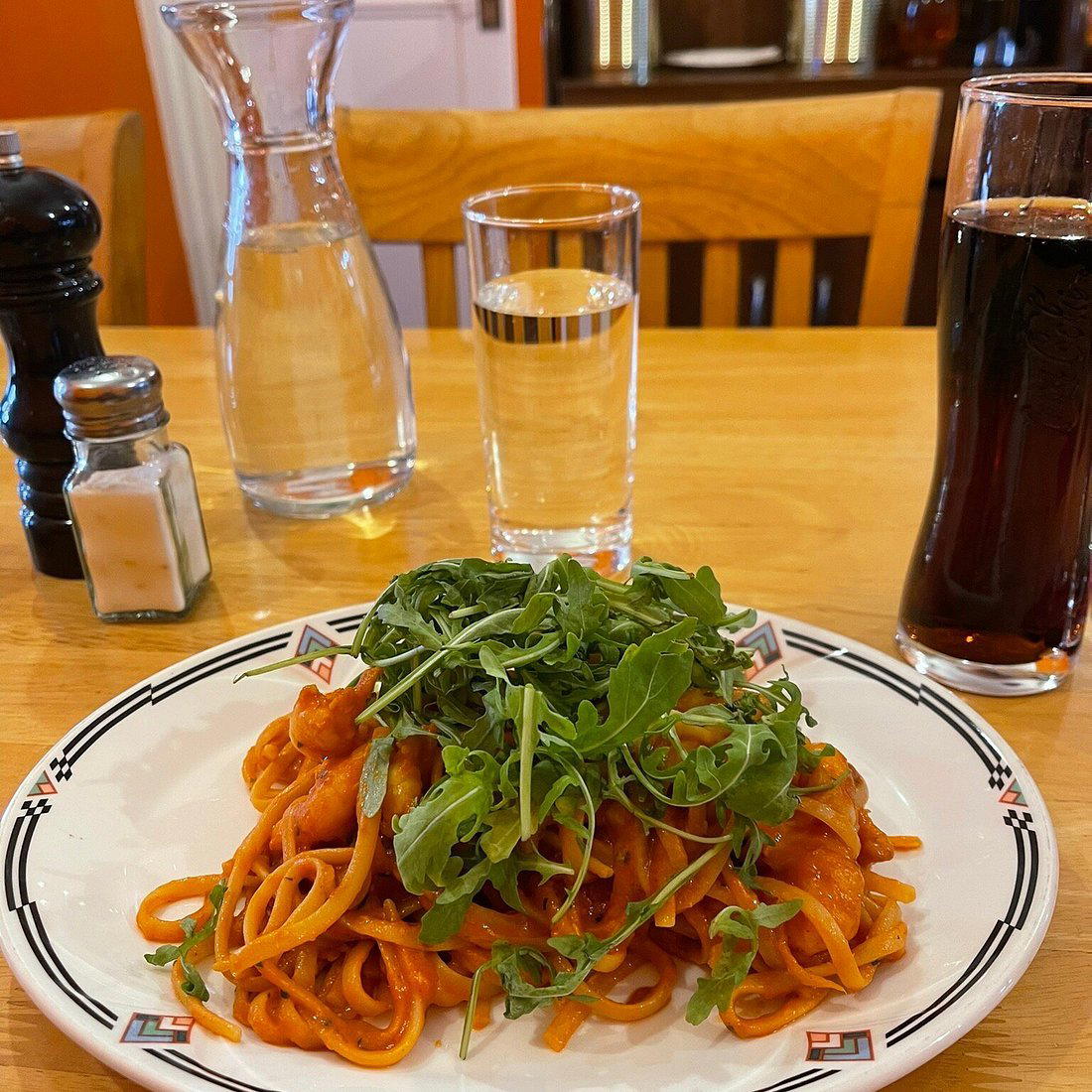
North London's Quiet Turn Toward Serious Cooking
London's premium dining conversation has, for most of the past two decades, been dominated by a cluster of addresses in Mayfair, Chelsea, and Notting Hill. the Michelin three-star tier, CORE by Clare Smyth, Restaurant Gordon Ramsay, Sketch's Lecture Room and Library, and The Ledbury, reinforces that geography. But the more interesting structural shift in London dining over the past decade has not happened in those postcodes. It has happened in the neighbourhoods: in Highgate, in Stoke Newington, in the parts of the city where residents eat out weekly rather than on occasion, and where restaurants must earn loyalty rather than rely on destination traffic. Fabrizio, at 34 Highgate Hill, sits inside that shift.
Highgate itself occupies a particular position in north London's social and culinary fabric. It is a neighbourhood with the density of a village, a high street, a hill, a demographic that skews toward professional households with both the spending capacity and the palate for food that goes beyond the perfunctory. Restaurants here compete not against other Highgate addresses alone, but against the gravitational pull of central London. To hold that audience, the food must be worth staying local for. That competitive pressure has, over time, produced a more technically considered neighbourhood restaurant scene than the postcode might suggest to outsiders.
Technique, Provenance, and the Local-Global Tension
One instructive frame for understanding where contemporary neighbourhood restaurants fit in London's broader cooking scene is the tension between imported technique and local ingredient sourcing. This is not a new dynamic, it has defined serious British cooking since at least the early 2000s, when kitchens trained in French and Japanese traditions began applying that rigour to British-grown produce with deliberate intent. What has changed is where that approach is being practised. A decade ago, the local-ingredients-global-technique model was largely the preserve of destination restaurants: The Fat Duck in Bray, L'Enclume in Cartmel, Moor Hall in Aughton, places requiring a journey. It has since migrated into the neighbourhood tier, and restaurants like Fabrizio are among the beneficiaries of that migration.
The Italian cooking tradition that Fabrizio's name signals is itself a case study in this tension. Italian cuisine, particularly in its northern and central regional forms, has always carried a strong localist logic: the right ingredient from the right place, prepared with clarity rather than disguise. When that logic is applied in London, the sourcing question becomes interesting. Does the kitchen lean on Italian imports, Sicilian olive oils, aged Parmesan, San Marzano tomatoes, or does it attempt a local-ingredient substitution that maintains the technique while grounding the produce in the British context? Particularly considered Italian-influenced kitchens in cities outside Italy tend to do both, selectively, and the quality of those sourcing decisions tells you more about a kitchen's seriousness than any single dish.
This is the same editorial question that has animated the wider British fine dining conversation. Compare Dinner by Heston Blumenthal's archival approach to British culinary history with the more straightforwardly European-trained seriousness of Gidleigh Park in Chagford or the pub-anchored technical ambition of Hand and Flowers in Marlow: each represents a different answer to the question of how imported technique should relate to local context. Fabrizio, operating in a neighbourhood rather than a destination setting, must answer a version of that same question with fewer resources and less room for error.
What the Address Tells You
34 Highgate Hill is a north London address with the practical profile of a neighbourhood restaurant: accessible by tube (Archway station, on the Northern line, sits at the base of the hill), embedded in a residential context, and dependent on repeat custom rather than tourist flow. That dependency shapes everything from portion logic to pricing to how the kitchen handles regulars. Destination restaurants in central London can absorb high staff turnover and variable audiences; neighbourhood restaurants cannot. The ones that survive more than a few years in a location like Highgate tend to have either a genuinely loyal base or a specific identity strong enough to draw people from outside the immediate catchment.
For diners travelling from outside north London, Highgate sits within reasonable reach of the broader north London dining corridor that includes Islington and Kentish Town, areas that have supported serious cooking at the neighbourhood level for longer than the current wave of interest would suggest. The geography places Fabrizio in a comparable set that differs meaningfully from the West End tier: lower overheads relative to Mayfair, a more consistent local audience, and a cooking style that tends toward the personal and the direct rather than the theatrical. Internationally, the structural parallel is closer to the neighbourhood-serious tier in cities like New York, think the deliberate, technique-first approach of Atomix applied at a neighbourhood rather than destination scale, or the produce-led precision associated with Le Bernardin in its treatment of primary ingredients. The ambition in those rooms exceeds the format; something similar is true of the leading neighbourhood restaurants anywhere.
Situating Fabrizio in the Wider London Dining Map
For readers building a London itinerary that extends beyond the obvious central addresses, the north London neighbourhood tier represents a meaningful complement to the destination circuit. Fabrizio is an Italian pizzeria at 34 Highgate Hill in London, with a casual dress code, recommended reservations, and pricing around $25 per person. Restaurants here tend to operate at a different rhythm: less theatre, more consistency, pricing that reflects neighbourhood economics rather than Mayfair land costs. The trade-off is less predictability in hours and booking windows than at the three-Michelin-star tier. That variability is itself worth knowing before you plan.
For the broader London picture, our full London restaurants guide maps the city's dining scene across neighbourhoods and price points. The London hotels guide, London bars guide, and London experiences guide round out the picture for visitors spending more than a day in the city. If you are planning travel beyond London, hide and fox in Saltwood represents the kind of serious, ingredient-led cooking in a non-destination setting that shares a structural logic with what neighbourhood restaurants in north London are attempting.
Know Before You Go
- Address: 34 Highgate Hill, London N19 5NL
- Nearest tube: Archway (Northern line), a short walk up Highgate Hill
- Booking: Reservations recommended
- Price range: About $25 per person
- Dietary requirements: Communicate allergies and dietary needs directly when booking
- Ideal time to visit: Neighbourhood restaurants at this postcode tend to be quieter midweek; weekend evenings fill earliest
Nearby-ish Comparables
Comparable venues nearby, for context on price, style, and recognition.
| Venue | Cuisine | Price | Notes |
|---|---|---|---|
| FabrizioThis venue — the venue you are viewing | Italian Pizzeria | $$ | Not listed |
| Caponata | Sicilian Italian | $$ | Camden Town |
| Antica Pizzeria Da Michele | Authentic Neapolitan Pizza | $$ | Soho |
| Cotto | Authentic Neapolitan Italian | $$ | Waterloo |
| Italo | Seasonal Italian Deli-Café | $$ | Vauxhall |
| Emilia's Crafted Pasta | Crafted Italian Pasta | $$ | Wapping |
Continue exploring
More in London
Restaurants in London
Browse all →
Bars in London
Browse all →
Hotels in London
Browse all →

At a Glance
- Cozy
- Lively
- Family
- Group Dining
- Casual Hangout
- Standalone
Current opening hours
- Monday
- 4–11 PM
- Tuesday
- 4–11 PM
- Wednesday
- 4–11 PM
- Thursday
- 4–11 PM
- Friday
- 4–11:30 PM
- Saturday
- 12–11:30 PM
- Sunday
- Closed
Hours can change for holidays and private events. Last verified .
Warm and welcoming family atmosphere in a long narrow dining room with wooden floors.