
Tabelog 100 #34
Our verdict
Ichibiki belongs to Nagoya’s serious unagi circuit: a 38-seat house restaurant in Meiekiminami with Tabelog 100 - Unagi selections in 2018, 2019, 2022 and 2024. The appeal is not luxury theatre, but a focused eel, seafood and izakaya format in a city where grilled freshwater eel carries local weight.

Pearl is the En Primeur Club membership app, where members save venues, book tables and use the concierge.
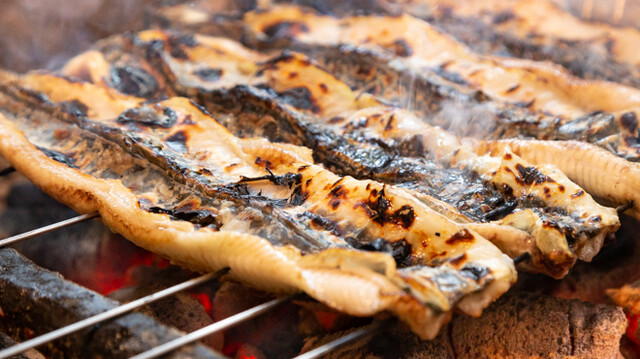
Nagoya is not only hotel-lobby dining rooms and glossy station towers. Away from the busiest transport-hub gloss, the rhythm shifts toward everyday restaurants, repeat diners, and meals that feel closer to local habit than occasion dressing. In that setting, unagi has a different kind of authority. The draw is the restaurant’s clear category identity: eel handled as a specialty, with seafood and izakaya elements alongside it rather than a vague, all-purpose Japanese menu.
That matters in Nagoya. The city has a strong eel culture, and diners often care about the details of sauce, heat, rice, and pacing. Not every unagi restaurant needs to perform a tourist script to be relevant. The serious addresses are judged by focus, consistency, and trust built across repeat diners. Ichibiki sits in that lane: unagi, seafood, and izakaya categories, with recognition from Tabelog’s Unagi Hyakumeiten in 2024.
Nagoya eel culture, without the station-building gloss
Nagoya’s restaurant scene splits sharply between transport-hub convenience and more focused local dining. Near major hotels and rail connections, it is easy to eat efficiently and forget the city. The more revealing meals often happen in specialist restaurants, where a narrower identity can say more about local priorities. Unagi is particularly good at exposing that divide. It rewards attention to heat, sauce, rice, and pacing, and it makes the eel itself the main argument rather than a garnish for a sightseeing itinerary.
Ichibiki’s recognition places it inside a wider unagi conversation rather than only a casual local one. Tabelog’s Hyakumeiten lists are not Michelin-style star systems, but within Japan they are useful signals for category specialists, especially cuisines with deep local followings. A 2024 Unagi 100 selection indicates standing in a field where diners are quick to compare sauce, grilling style, rice handling, and value against other established options.
Price also sharpens the point. In Nagoya, serious dining can climb quickly, and some rooms sit in higher dinner brackets. Ichibiki operates at JPY 3,000 - JPY 3,999 for both lunch and dinner, which makes the editorial question less about ceremony and more about return on focus. For travellers mapping the city beyond one meal, Our full Nagoya restaurants guide is the better frame, with nearby references including 451, Ichibiki, Joshin Ya, KAKO Yanagibashi ten, Salamanger de Casino, and Steak House Sue.
A restaurant built around eel, fish, and izakaya ease
The restaurant’s format points to an older Japanese comfort: a category-led meal whose identity is defined more by focus than by luxury staging. That combination reads as local rather than performative. It also explains why the restaurant suits diners who want one clear Nagoya food memory without drifting into theme-restaurant territory.
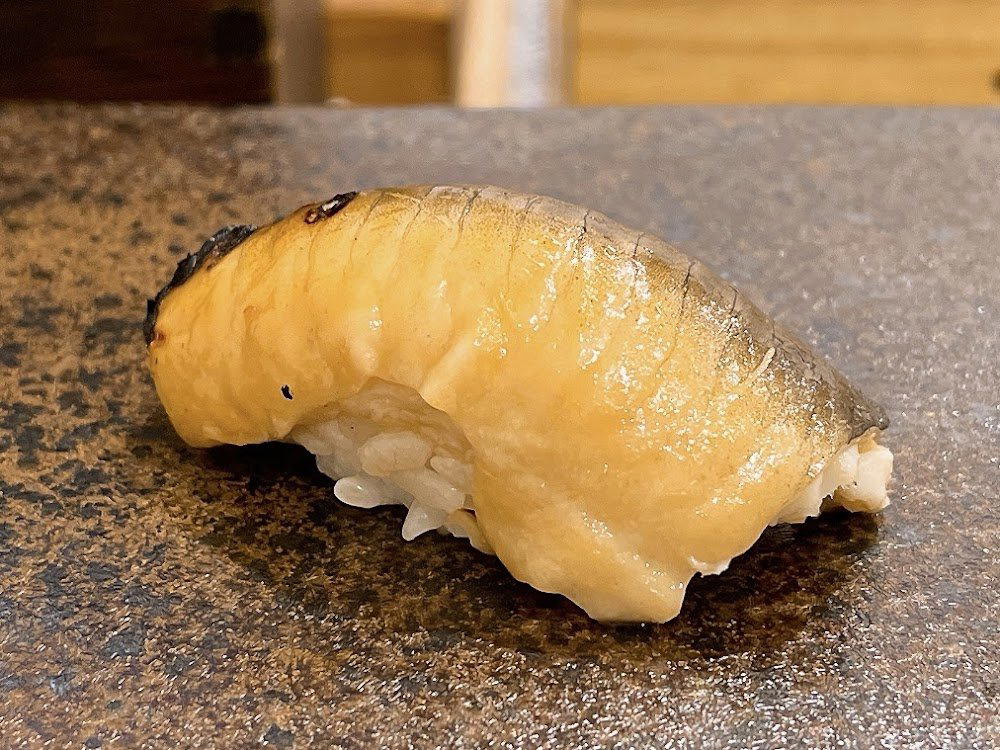
The cuisine categories are telling. Unagi leads, but seafood and izakaya sit beside it, creating a meal that can feel less rigid than a formal eel-only choice. In Japan, that distinction matters. A pure specialist often asks diners to submit to one object of study; an izakaya-adjacent format allows the meal to loosen around drinking and pacing, even when eel remains the reason for paying attention. Ichibiki’s identity keeps that looseness focused. This is not a broad, banquet-hall interpretation of Nagoya food.
There is no chef mythology needed here. The credibility comes from the provided signals: a 2024 Unagi 100 selection, a Tabelog score of 3.73, a defined eel and fish identity, and a location in Nagoya. For travellers who compare Japanese regional dining across cities, that combination is often more instructive than a tasting-menu flourish.
How to place it in a Nagoya itinerary
The smart way to think about Ichibiki is as a category meal, not as a catch-all restaurant choice. It answers a specific question: where does Nagoya’s eel tradition feel grounded rather than packaged? That makes it a stronger fit for travellers who already have one broader izakaya night or hotel dining room booked, and want a meal with a narrower local thesis. It is less suited to diners seeking a long, chef-driven progression or a room built around international luxury cues.
Planning around the city can be compact. Nagoya works well for visitors who want hotels, bars, daytime shopping, and focused dining within easy reach. For a fuller city plan, use Our full Nagoya hotels guide, Our full Nagoya bars guide, Our full Nagoya wineries guide, and Our full Nagoya experiences guide alongside the restaurant map.
Readers building a wider Japan food route can also compare how single-dish or narrow-format venues work in other cities, using unnamed specialists and other regional dining rooms as points of contrast. The useful comparison is not celebrity or spectacle, but the way a focused kitchen turns one ingredient or format into a reason to plan a meal.
The editorial case is clear: choose Ichibiki when the meal needs to say Nagoya without turning into a checklist. Its value lies in specificity, not spectacle: eel at the center, seafood close by, izakaya ease in support, and enough category focus for the cooking tradition to remain the point.
Frequently asked questions
What's the price range at Ichibiki?
Pricing at Ichibiki is listed as JPY 3,000 - JPY 3,999 for dinner and JPY 3,000 - JPY 3,999 for lunch.
When is Ichibiki open?
Specific opening hours are not listed here; check directly with Ichibiki before planning a visit.
Where is Ichibiki located?
Ichibiki is located in Nagoya.
What has Ichibiki built its reputation on?
Ichibiki is a Tabelog Unagi Hyakumeiten selection for 2024, which is the clearest signal behind its reputation. The format is focused: unagi, seafood, and izakaya dishes in Nagoya.
Is Ichibiki allergy-friendly?
The menu focus is narrow, with unagi, seafood, and izakaya dishes. That makes it a place where allergy checks matter, especially for diners avoiding eel, seafood, or common Japanese seasonings.
Comparable Spots, Quickly
Comparable venues by cuisine and price in the same metro.
| Venue | Cuisine | Price | Awards | Notes |
|---|---|---|---|---|
| IchibikiThis venue (the venue you are viewing) | Traditional Unagi | Not listed | Tabelog 100 #34 | Not listed |
| SUSURU Fushimi hanare | Chicken paitan ramen & Chinese-style small plates | $10–20 | Tabelog 100 #18 | Naka |
| Teuchi Udon Kato | Japanese Udon | $10–20 | Tabelog 100 #63 | Nakamura |
| Obanzai Anko | Traditional Japanese Obanzai Izakaya | $30–50 | Tabelog 100 #70 | Nakamura |
| Menya Shishimaru | Modern lobster-focused ramen | $10–20 | Tabelog 100 #51 | Nakamura |
| Nishimura | Japanese | Not listed | Not listed | Naka |
Recognition history
Dated appearances from independent guides and award organizations, with the underlying list record or original source where available.
Tabelog 100 #34 · No. 34
Tabelog · Tabelog 100 - Unagi - 2024
Continue exploring
More in Nagoya
Details
- Classic
- Cozy
- Intimate
- Family
- Group Dining
- Special Occasion
- Business Dinner
- Historic Building
- Standalone
- Sake Program
- A La Carte
- Set Menu
- Sake
Current opening hours
- Monday
- Closed
- Tuesday
- Closed
- Wednesday
- 11:30 AM–1:30 PM, 5:30–8 PM
- Thursday
- 11:30 AM–1:30 PM, 5:30–8 PM
- Friday
- 11:30 AM–1:30 PM, 5:30–8 PM
- Saturday
- 11:30 AM–1:30 PM, 5:30–8 PM
- Sunday
- 11:30 AM–1:30 PM, 5:30–8 PM
Hours can change for holidays and private events. Last verified .
Historic and atmospheric, with a long, narrow interior, bamboo details, latticework, and a small courtyard that create a traditional, timeworn feel.