
1 Michelin Key
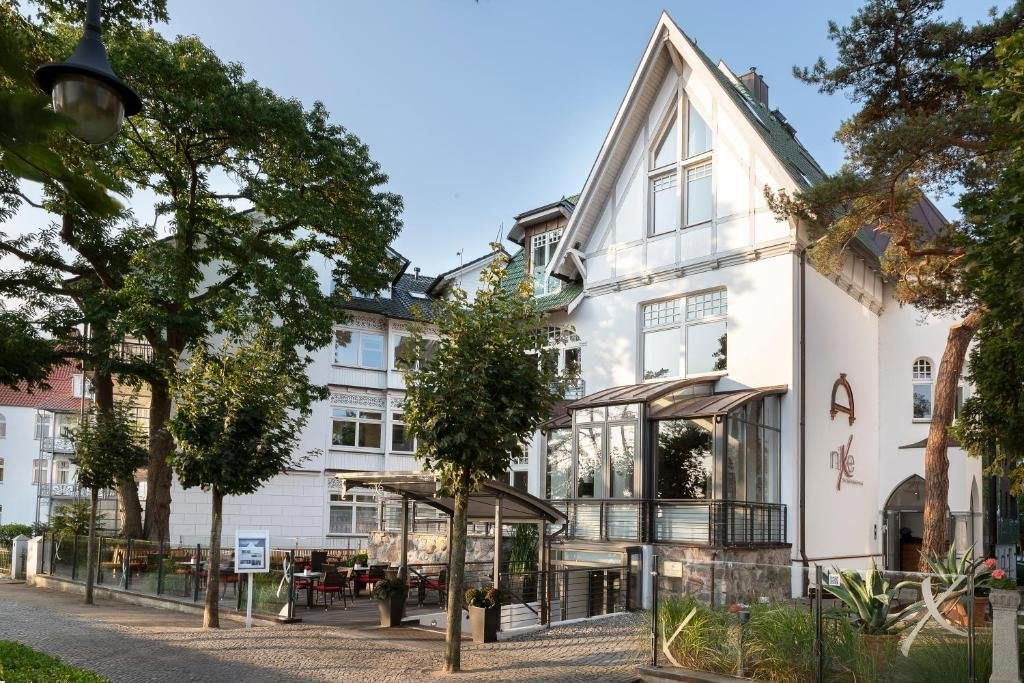
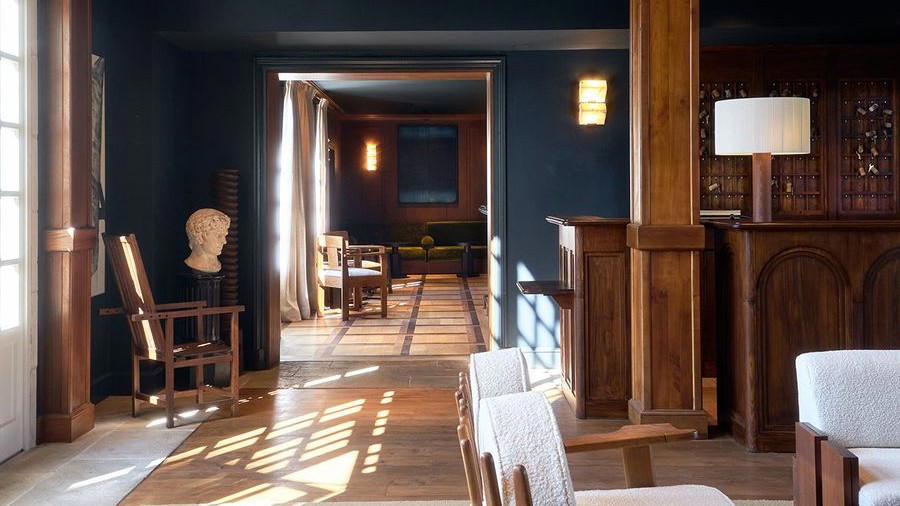
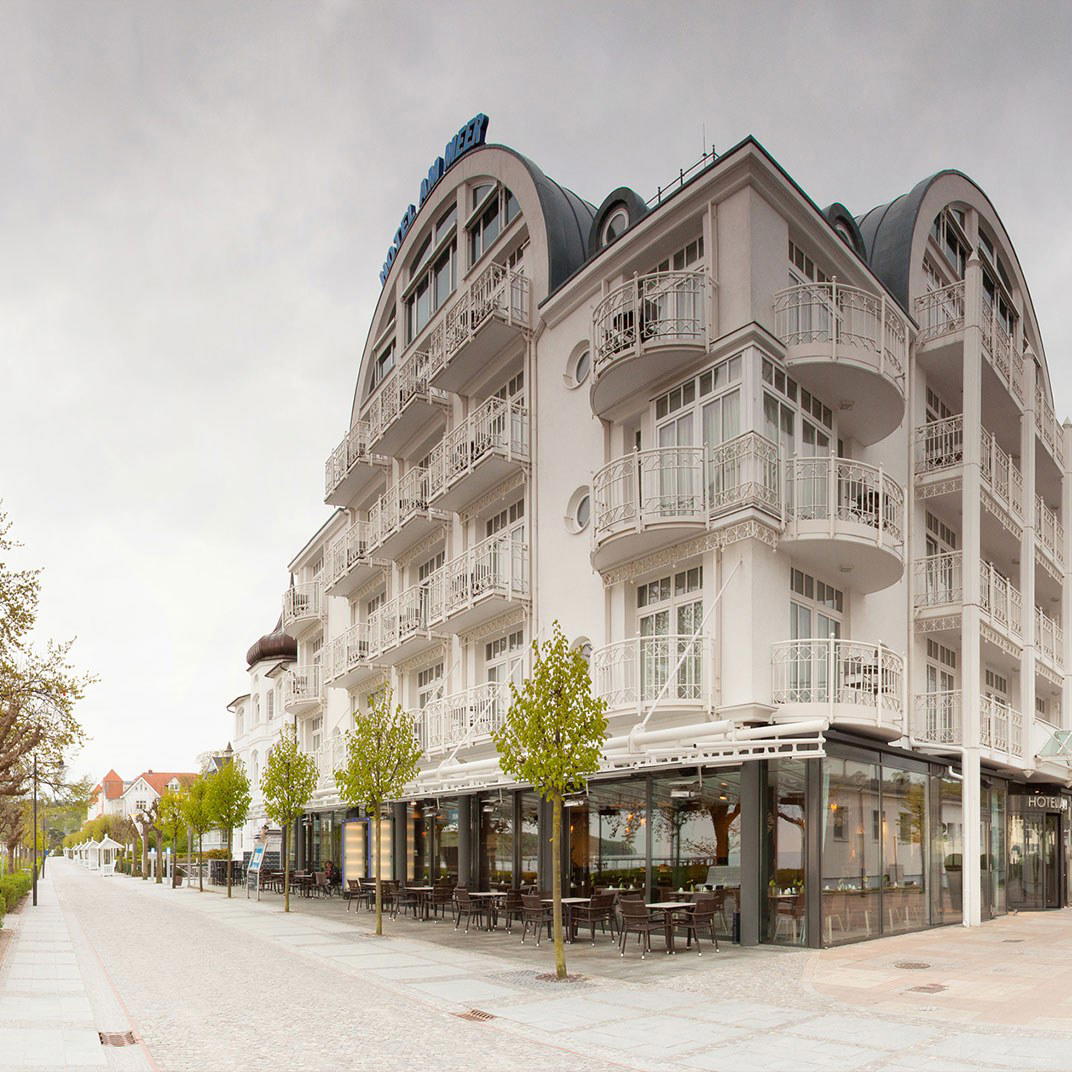
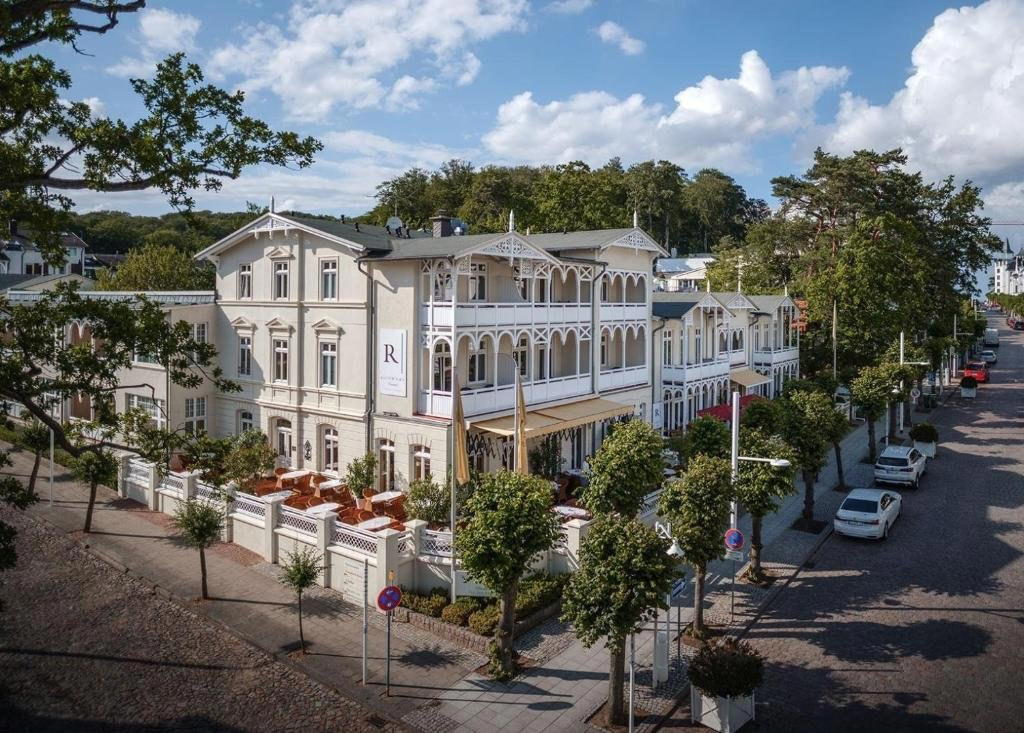
A 16-room boutique villa dating from 1903, niXe Boutiquehotel & Spa sits on the Strandpromenade in Binz and operates as an annexe of the HOTEL AM MEER & SPA. Designer guestrooms, several with sea views toward the Baltic, are paired with a personalised breakfast service that leans closer to a private house than a conventional hotel. The format suits travellers who find larger resort properties impersonal.

Pearl is the En Primeur Club membership app — saves, bookings, and concierge access live there. Same editors, same standards.
Binz and the Rügen Boutique Format
Germany's Baltic coast has developed a distinct tier of small, design-conscious hotels that sit apart from the large wellness resorts dominating the broader North and Baltic Sea hospitality market. Binz, on the island of Rügen, concentrates several of these properties along its Strandpromenade, where early twentieth-century Bäderarchitektur villas have been converted into intimate retreats rather than expanded into full resort complexes. niXe Boutiquehotel & Spa, at Strandpromenade 10, belongs to that smaller cohort: 16 rooms, a 1903 villa with modern outbuildings, and an operating model tied to its larger sister property, the LOEV Hotel, giving guests access to shared facilities without inflating the room count of the boutique property itself.
That annexe relationship is worth understanding before booking. niXe does not function as a standalone full-service hotel in the conventional sense. Its intimacy is a structural feature, not an accident of scale, and guests who have previously stayed at properties like Villa Contessa in Bad Saarow or Landhaus Stricker in Sylt will recognise the format immediately: a house-scale property where service is calibrated to guest recognition rather than transaction volume.
The Villa and Its Setting
The building itself frames the experience before a guest crosses the threshold. Arriving on the Strandpromenade, the 1903 facade reads as a well-preserved example of the Wilhelmine seaside architecture that defines Binz's visual character, a style that draws visitors who associate the Baltic with a particular kind of unhurried, early-twentieth-century European resort culture. The modern outbuildings are integrated without disrupting that reading from the street.
Inside, the guestrooms are fitted in a smart designer register. That kind of orientation is not available at inland wellness retreats, however well-appointed, and it represents the core geographic argument for choosing a promenade address over comparable boutique properties further from the water. Hotels at a similar quality level in other German destinations, such as Das Kranzbach Hotel in Kranzbach or Luisenhöhe in Horben, trade the sea for range of a different kind. The choice between them is ultimately a question of what the reader wants outside the window.
Breakfast, Service, and the Dining Dimension
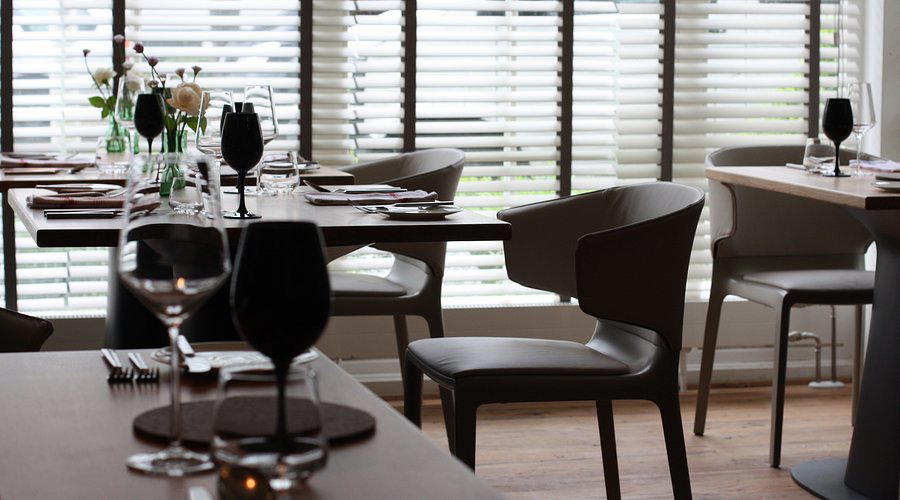
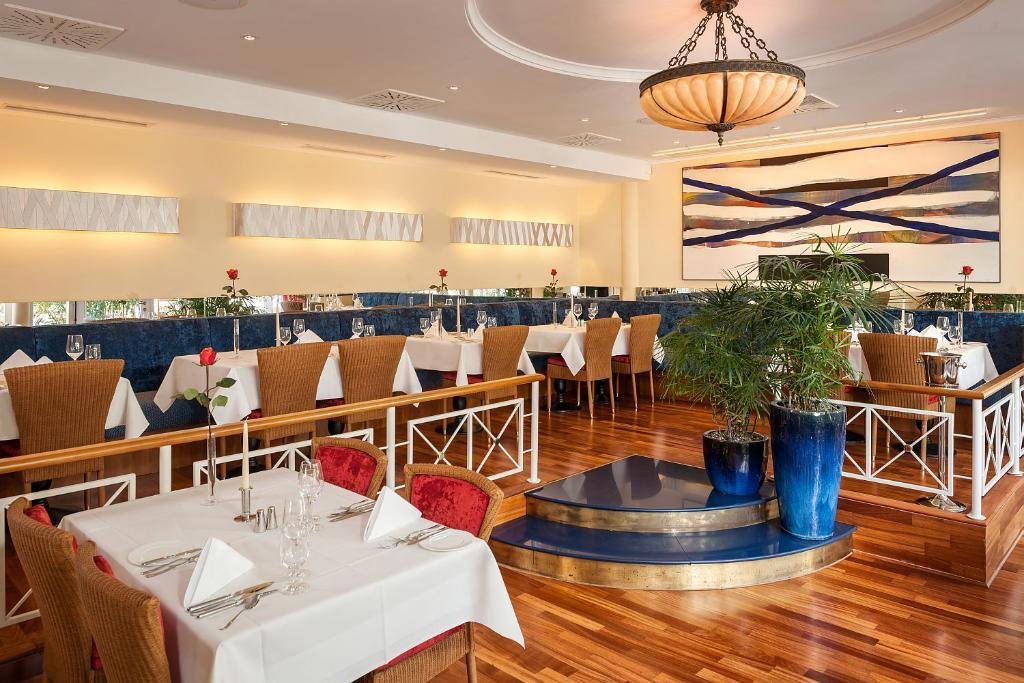
For a property operating under the editorial angle of its dining programme, niXe is transparent about what it offers and what it does not. The confirmed F&B; provision is a good breakfast and personalised service, delivered within the house-scale format. This is not a property with a destination restaurant or a celebrity chef programme, and placing it alongside properties such as Fairmont Hotel Vier Jahreszeiten in Hamburg or Excelsior Hotel Ernst in Cologne on that metric would misrepresent the offer.
What the breakfast provision does signal is the service philosophy. In boutique hotels of this size, the morning meal is often the clearest expression of how attentive the operation actually is at the guest level. A well-executed breakfast at a 16-room property, where the team knows returning guests and can adjust without being asked, has a different quality from the same meal served in a 200-seat hotel dining room, even if the ingredients are comparable. Travellers accustomed to that register at places like Hotel Ketschauer Hof in Deidesheim will find the dynamic familiar.
For dinner and broader dining in Binz, guests are leading served by treating the town's restaurant scene as a separate programme. Our full Binz restaurants guide maps the options by format and price tier, which is the practical approach for a property that does not position an in-house restaurant as its primary draw.
Positioning Within German Boutique Hospitality
The German boutique hotel market has matured considerably over the past decade, with a clear split emerging between properties that compete on wellness infrastructure, properties that compete on gastronomy, and a smaller group that competes on atmosphere, setting, and service precision at low room counts. niXe sits in the third category. Its 16 rooms and 1903 villa format are not a concession to limited investment; they are the product. The spa element, referenced in the name, adds a wellness dimension without repositioning the property into the large-facility resort tier occupied by properties like Schloss Elmau in Elmau or Kempinski Hotel Berchtesgaden.
Closer peer comparisons within the German coast and lake context would include design-led properties on the North Sea and Baltic that share the promenade-address model and the low key-count approach. BUDERSAND Hotel in Hörnum, on Sylt, operates in a related register, though with a stronger gastronomy programme. The distinction is relevant for readers deciding between the two island destinations: Sylt skews toward a more gastronomically competitive environment, while Rügen and Binz offer a quieter, more architecturally defined backdrop.
Planning a Stay
The keyword data identifies February, July, September, and October as peak search months for Binz, which maps roughly to the shoulder-season travel pattern common along the Baltic: summer for beach access, autumn for the quieter promenade and lower rates, winter for the off-season atmosphere that appeals to a specific type of Nordic-coast traveller. With only 16 rooms, availability at niXe compresses quickly during July and early September, when Rügen draws visitors from across northern Germany and Scandinavia. Booking well ahead of summer travel is advisable; the shoulder months offer more flexibility.
The address at Strandpromenade 10 places the property directly on the beachfront strip, which removes the need for a car during a stay focused on the town and beach. Binz is compact enough to cover on foot, and the promenade itself is the primary public space. Guests arriving by rail will find the Binz station approximately walkable from the promenade, though luggage volume is the deciding factor. Rügen is connected to the mainland via the Rügendamm at Stralsund, and the island's road and rail network links the main resort towns without complexity.
For travellers building a broader itinerary around German design-led properties, niXe works naturally as a Baltic counterpart to properties like Bülow Palais in Dresden, Hotel de Rome in Berlin, or Breidenbacher Hof in Düsseldorf, each occupying a historic building with a defined character. The coastal setting is the differentiator here rather than the urban cultural programme that defines those city properties. Readers comparing European boutique formats more broadly may also find useful reference points in Aman Venice or Aman New York, which operate at a different price tier but share the principle of prioritising setting and low capacity over scale.
Price and Positioning
Comparable venues nearby, for context on price, style, and recognition.
| Venue | Cuisine | Price | Awards | Notes |
|---|---|---|---|---|
| niXe Boutiquehotel & SpaThis venue (the venue you are viewing) | Not listed | $300–500 | 1 Michelin Key | Not listed |
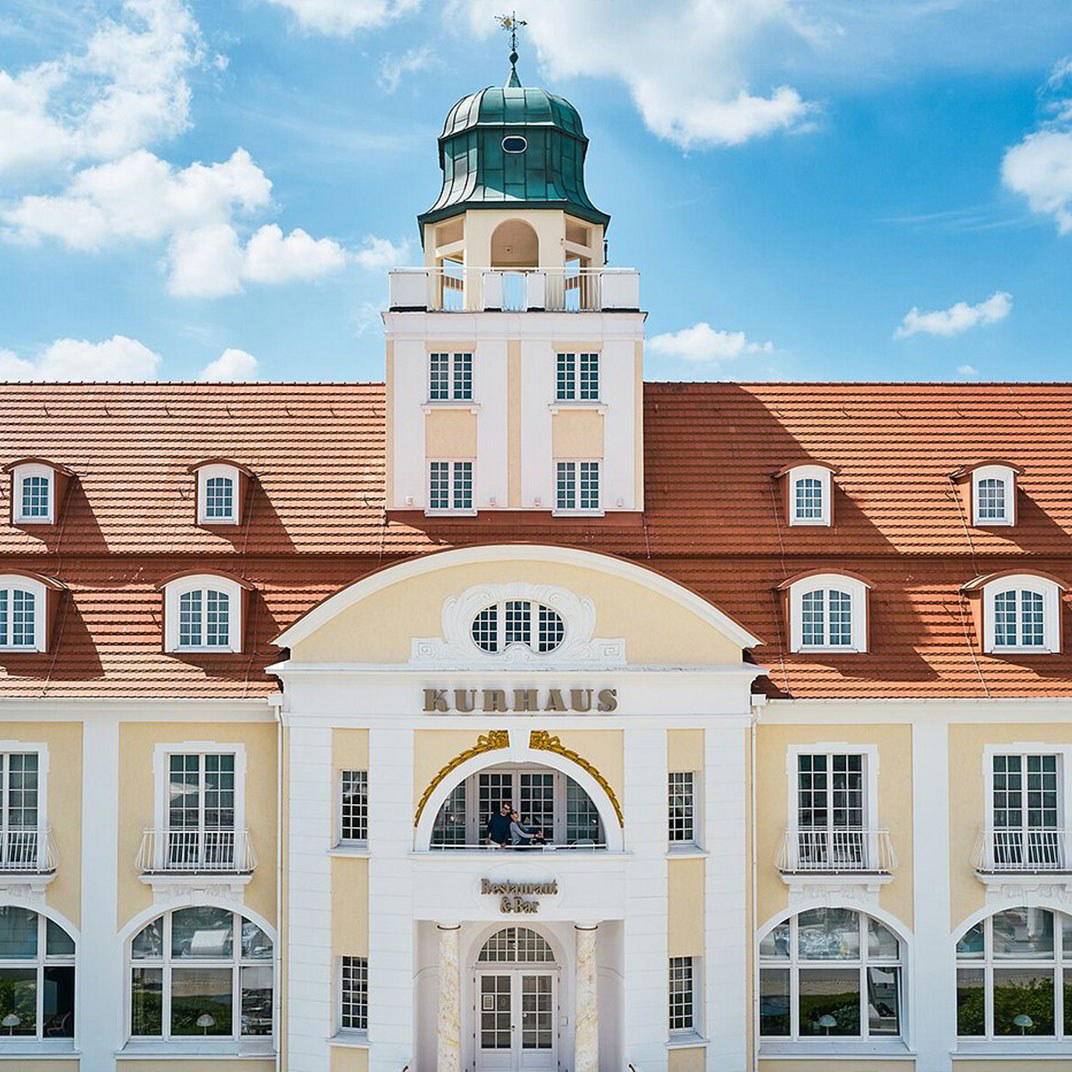
| Travel Charme Kurhaus Binz | Not listed | $100–200 | Michelin Selected | Ostseebad Binz, Historic seaside resort with classic spa architecture renovated in 2016 |
| Hotel AM Meer & Spa | Not listed | $200–300 | Michelin Selected | Binz, Beachfront boutique lifestyle hotel with wellness and sports facilities |
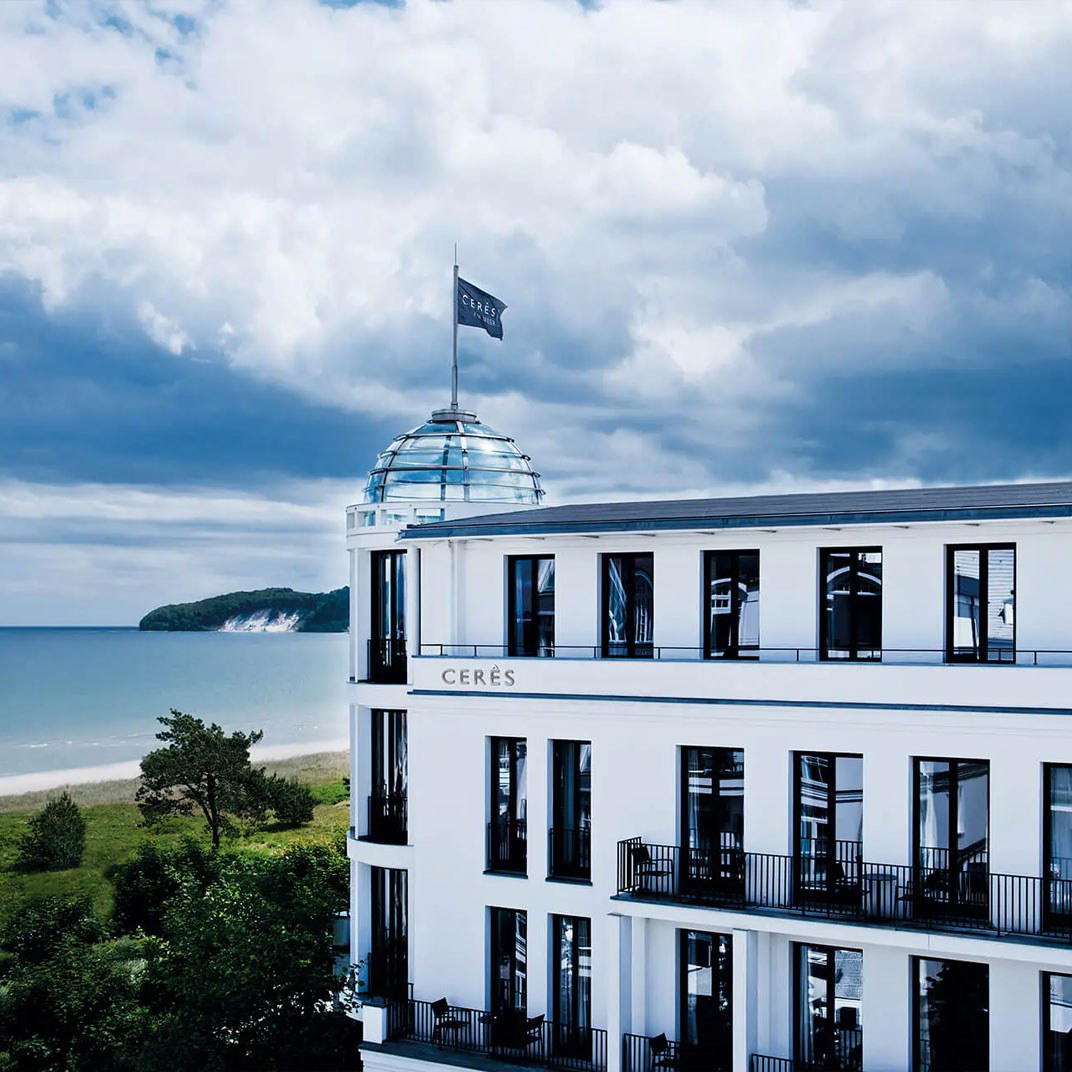
| Ceres Am Meer | Not listed | $200–300 | Michelin Selected | Binz, Contemporary design hotel blending timeless elegance with modern comfort in a sophisticated Baltic seaside setting. |
| LOEV Hotel | Binz, Modern beachfront spa hotel | $100–200 | The Longevity Hotels Longevity Hotel Member | Not listed |
| Strandhotel Fischland | Not listed | $100–200 | 1 Michelin Key | Dierhagen, Fischland-Darß-Zingst peninsula, Modern four-star superior wellness resort with contemporary design and spacious, light-filled interiors set in coastal forest setting. |
Recognition history
Dated appearances from independent guides and award organizations, with the underlying list record or original source where available.
Michelin 1 Key
Michelin
Full recognition history (2 entries)
Michelin 1 Key
Michelin
Continue exploring
More in Binz
Hotels in Binz
All hotels in Binz →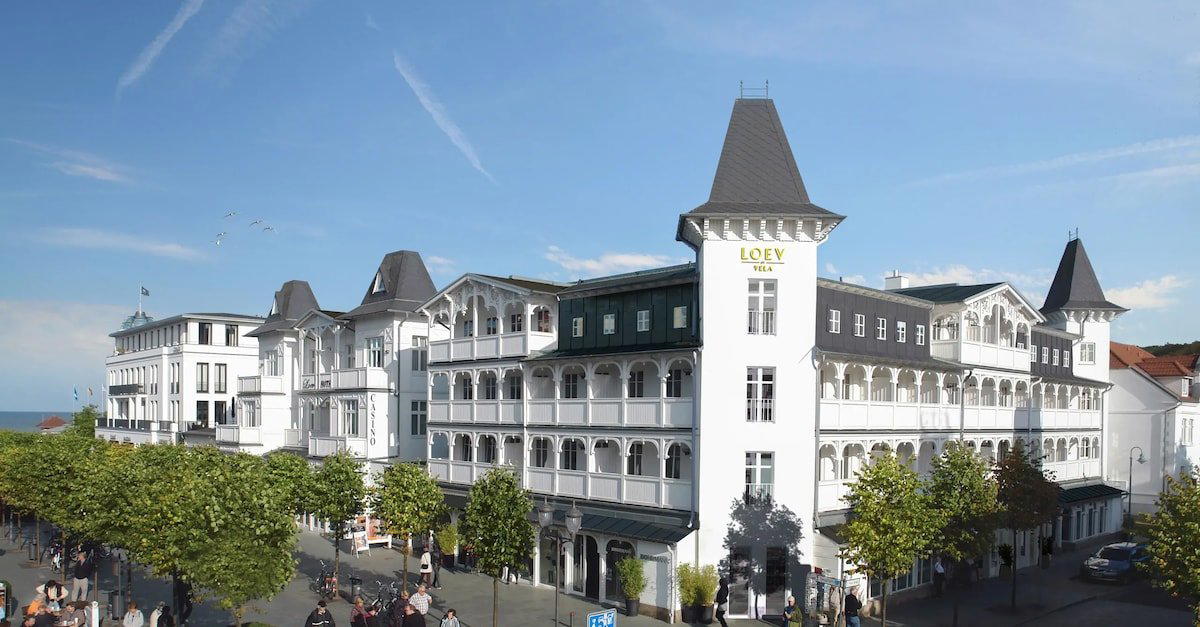
Details
- Elegant
- Sophisticated
- Intimate
- Cozy
- Romantic Getaway
- Wellness Retreat
- Weekend Escape
- Beachfront
- Wi Fi
- Spa
- Sauna
- Restaurant
- Beach Access
- Concierge
- Waterfront
- Elevator
Spacious, airy rooms with modern design, allergy-free features, and city or forest views, complemented by a relaxing spa lounge atmosphere.