HUS Şarapçılık sits in Urla's Kuşçular quarter, a district that has become one of the Aegean's most closely watched wine-producing areas. The winery operates within a region where small-scale, terroir-driven production has been quietly reshaping Turkish wine culture over the past two decades. It is a reference point for those tracing the Urla appellation's growing international profile.
 Discover on Pearl
Pearl is the En Primeur Club membership app — saves, bookings, and concierge access live there. Same editors, same standards.
- Address
- Kuşçular, 8018/1. Sk. No
- Phone
- +905455719042
- Website
- huswines.com
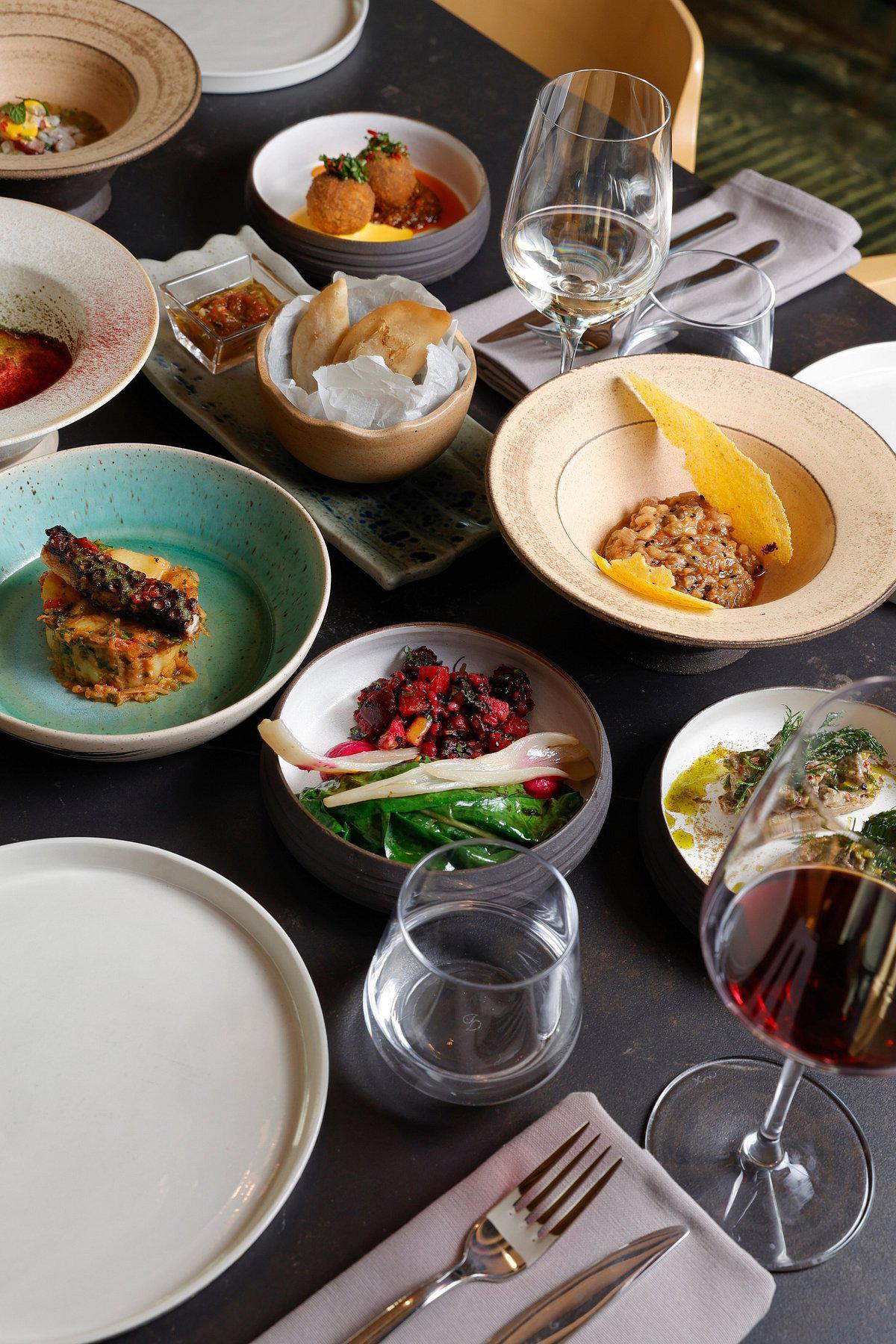
Where the Urla Appellation Takes Shape
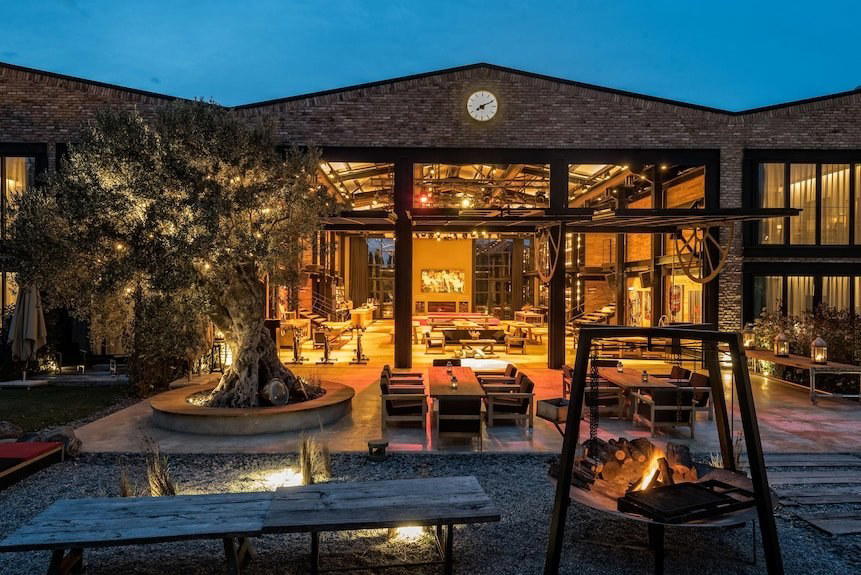
The air carries that particular dryness that defines harvest season in the İzmir hinterland: fig trees, dust, and the faint mineral edge that geologists associate with the calciferous soils running through this part of the peninsula. HUS Şarapçılık sits within this landscape, a modern Mediterranean restaurant in Kuşçular, Urla.
The peninsula sits roughly 35 kilometres west of İzmir, separated from the Karaburun ridge by a narrow channel and enjoying a climate that combines Aegean breezes with long, dry summers. That combination produces grapes with naturally high phenolic concentration and relatively moderate sugar accumulation, conditions that suit structured, age-worthy wines rather than immediately approachable, fruit-forward styles. The appellation has attracted a cluster of small producers who have invested in low-intervention farming, indigenous varieties, and the kind of patient winemaking that takes years to communicate to a market accustomed to international grape varieties.
The Aegean Wine Tradition HUS Enters
Anatolia is widely cited in archaeological literature as one of the earliest sites of cultivated viticulture, and the Aegean coast specifically has been continuous wine country since at least the Mycenaean period. What is newer, and more relevant to understanding what producers like HUS Şarapçılık represent, is the deliberate recovery and commercialisation of indigenous grape varieties that spent much of the twentieth century in decline or obscurity.
Varieties like Bornova Misketi, Foça Karası, and Urla Karası have become the focus of serious viticultural research in this region, with the Urla Şarap Yolu (Wine Route) functioning as both a tourism infrastructure and a platform for producers to argue for appellation-level recognition. That argument has gathered force: the Urla peninsula now has a defined geographical indication, and producers operating within it increasingly price and position against Mediterranean peers rather than against Turkey's more established regions near Thrace or Cappadocia. For context, the tier of ambition that defines Urla's leading producers sits closer to what you'd find among Sardinian vermentino houses or emerging Cretan PDO producers than to mainstream Turkish commercial winemaking.
HUS Şarapçılık operates within this context as a small restaurant in a region that values specificity over volume. The address in Kuşçular places it within the peninsula's agricultural interior.
Reading the Producer Within Its comparable set
Small Aegean wine producers occupy a particular position in Turkey's hospitality and food culture. They are increasingly referenced by high-end restaurant programmes, places like Narımor in İzmir and Maçakızı in Bodrum have built wine lists that treat Aegean producers as a primary tier rather than a regional curiosity. At the more ambitious end of Turkish fine dining, venues such as Turk Fatih Tutak in Istanbul have refined the conversation around indigenous Turkish varieties to a point where Urla producers now carry genuine credibility in Michelin-referenced company. Further afield, operations like Asitane in Fatih have long argued for the cultural depth of Anatolian food traditions, a case that extends naturally to wine culture when made to an attentive audience.
Within Urla itself, the dining scene that has grown alongside wine production gives producers a local platform that reinforces their positioning. Tables at Hiç Lokanta, Beğendik Abi, La Cigale, and Partal Kardeşler Balık Restorant have each contributed to a food culture on the peninsula that treats local provenance, olive oil, cheese, seafood, wine, as the baseline rather than the premium. That shared orientation makes Urla's wine producers more legible to visitors arriving with a food-first mindset.
For visitors building a fuller picture of the Turkish table across different regions, the contrast is instructive. The flour-heavy, fire-driven traditions documented at places like Kısmet Etliekmek ve Lahmacun Salonu in Karaman, Dürümzade in Beyoglu, or the kebab culture at Ciğerci Mahmut in Adana represent a very different food geography from the Aegean coast's olive-oil and seafood axis. The wine culture of Urla belongs specifically to that Aegean axis.
Planning a Visit to Urla's Wine Country
The Urla peninsula is most productively visited between late April and early November, when the climate is dry enough for relaxed lunch service and unhurried terrace dining. Harvest typically runs through September and into October, which is when the activity around Kuşçular producers is at its most concentrated. The Wine Route can be driven in a day from İzmir, though producers at this level of seriousness reward slower visits: arriving without a reservation at a small working winery risks finding the operation closed or occupied with production work. Contacting producers directly before visiting is standard practice in the region. The peninsula's road infrastructure is navigable by standard hire car, and the İzmir to Urla drive covers roughly 35 kilometres on well-maintained coastal and inland roads.
Those approaching Urla from outside the region may find it useful to cross-reference with our full Urla restaurants guide, which maps the peninsula's dining and drinking options with more granular neighbourhood detail. Other EP Club readers have connected Urla wine visits with broader Aegean itineraries that include Kritikos Meyhane in Mudanya to the north, or coastal stops further along the Turkish Riviera. For those using İzmir as a base, the city functions as a natural hub: Bayramoğlu Döner in Beykoz and Casa Lavanda in Sile represent the kind of regional specificity that rewards planning a route through Turkish food geography rather than point-to-point dining. The ambition of producers at the opposite end of the dining spectrum, Le Bernardin in New York City or Atomix in New York City, offers a useful calibration for what serious, terroir-driven production looks like when it reaches its fullest expression, even if the register is entirely different. And for those interested in artisan sugar work as a counterpoint to wine visits, Kocak Baklava in Gaziantep remains the standard reference for what dedicated craft looks like in Turkish food culture.
Continue exploring
More in Urla
Restaurants in Urla
Browse all →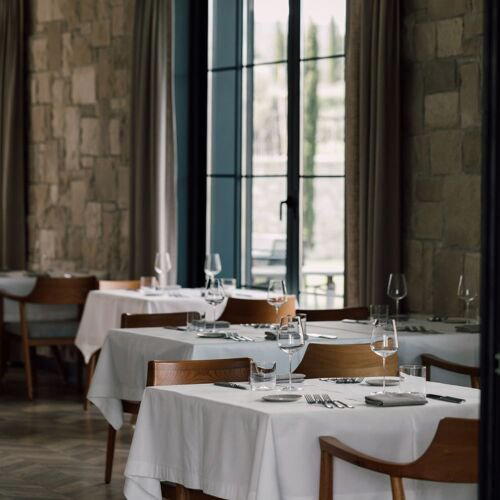
At a Glance
- Rustic
- Elegant
- Scenic
- Modern
- Date Night
- Special Occasion
- Wine Cellar
- Terrace
- Extensive Wine List
- Local Sourcing
- Vineyard
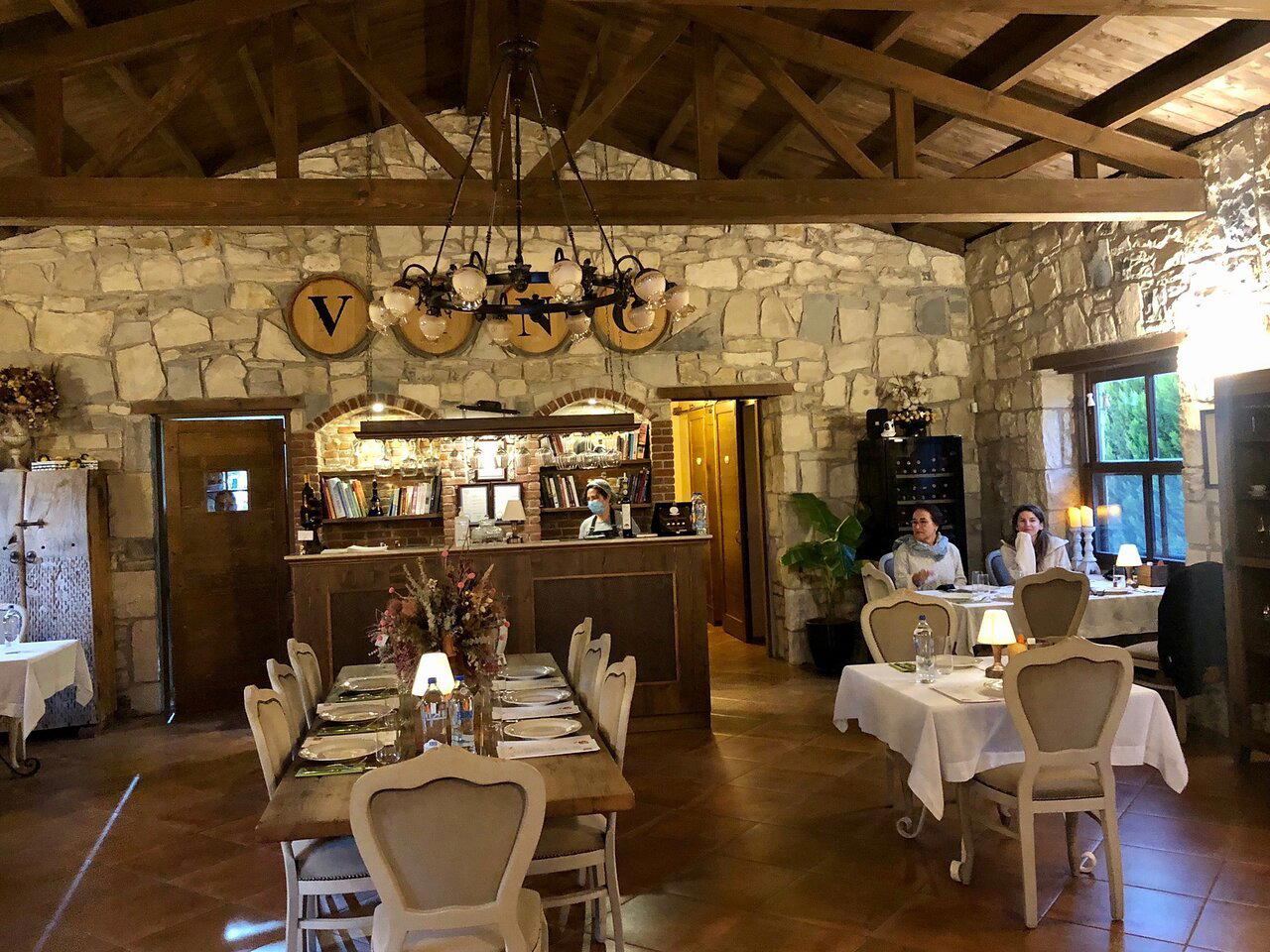
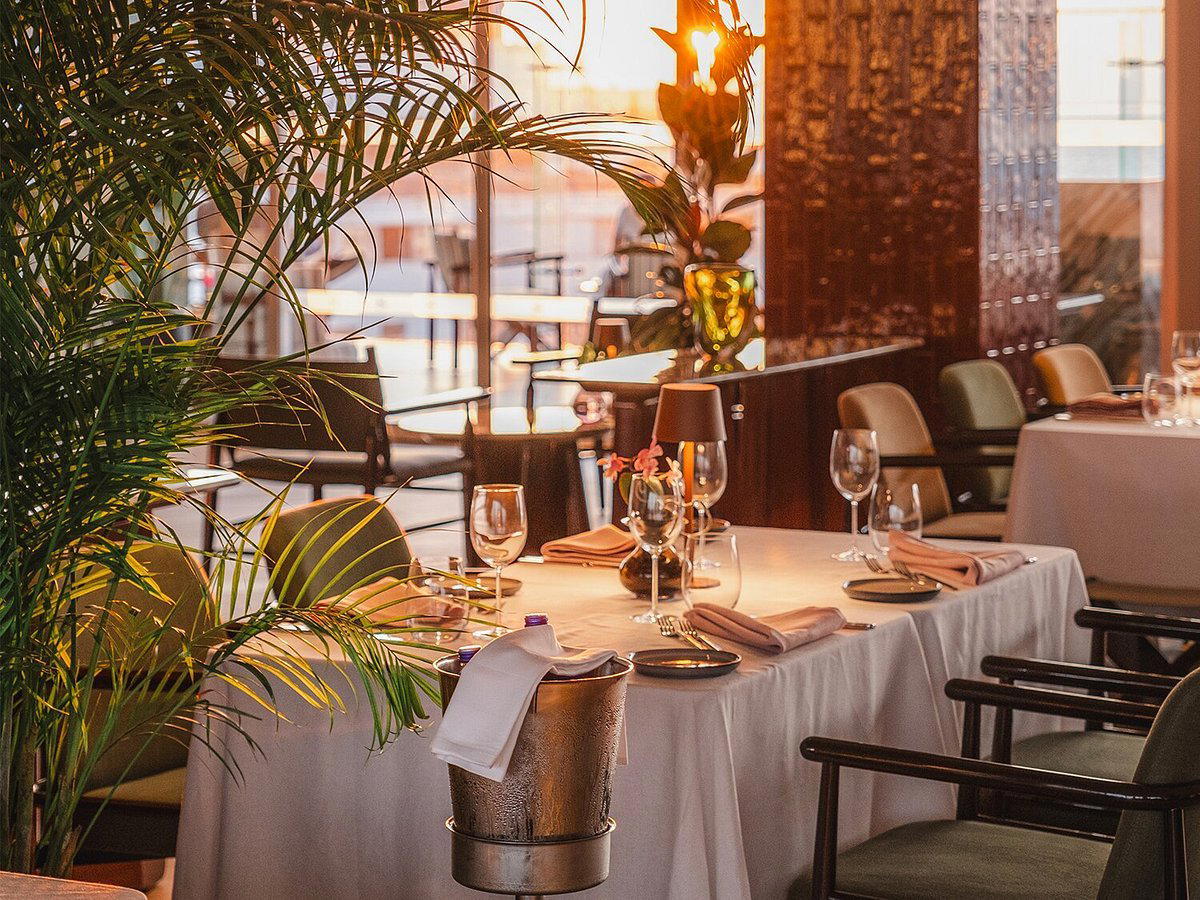
Vineyard views from terrace and tasting room create a scenic, relaxed atmosphere with elegant rustic charm.