

Michelin Bib Gourmand · Gault & Millau Türkiye 1 Toque
Our verdict
A back-to-basics Turkish kitchen in Urla that has earned consecutive Michelin Bib Gourmand recognition in 2024 and 2025, Beğendik Abi sits on a quiet side street in one of the Aegean coast's most food-serious towns. The cooking draws from the generous, abundant logic of Anatolian hospitality, where the table fills steadily and the bill stays modest.

Pearl is the En Primeur Club membership app — saves, bookings, and concierge access live there. Same editors, same standards.
- Address
- Camiatik, Tatar Cami Sk. No:12, 35430 Urla/İzmir, Türkiye
- Phone
- +90 232 754 20 71
- Hours
- Daily 11:30 AM–9 PM
- Directions
- Get directions
The menu
What to order
- Hünkar Beğendi
- Sakız artichokes with lamb
- Elbasan tava
- Girit böreği tatlısı
- Çalkama
- Urla güveci
Urla's Appetite for the Everyday Table
Arrive at Tatar Cami Sokak on a weekday afternoon and the rhythm of the street tells you something useful: this is a working neighbourhood in a town that eats seriously. Urla, the compact district roughly forty kilometres west of Izmir's centre, has developed a dining identity that sits apart from the city's waterfront bustle. It holds a Michelin one-star restaurant at OD Urla and another at Teruar Urla, with Vino Locale adding a third starred address — a concentration of recognition that would be notable for a city, let alone a town of this scale. Beğendik Abi occupies a different register within that scene, one where the Bib Gourmand designation marks the point at which quality and price converge rather than where ambition peaks.
That distinction matters in a town like Urla. The starred addresses here are destination restaurants, pulling visitors from Izmir and beyond for tasting menus built around the peninsula's produce. Beğendik Abi functions differently: it is the kind of place that a community actually eats at repeatedly, where the logic of the table is abundance rather than architecture. Two consecutive Michelin Bib Gourmand awards, in 2024 and 2025, confirm that the kitchen maintains a standard across time rather than peaking for an inspection cycle.
The Hospitality Logic Behind the Format
Across Turkey, the tradition of generous hosting shapes how food moves between kitchen and table. The model predates the restaurant as a format: you feed people fully, you do not hold back, and the measure of a good meal is whether everyone at the table felt looked after. This is the Anatolian hospitality register, and it operates at every price point — from the elaborate spreads of a meyhane to the simpler, more direct abundance of a neighbourhood esnaf lokantası. Beğendik Abi's single price tier (₺, the lowest available bracket) anchors it firmly in the latter tradition: food as everyday sustenance, accessible to the neighbourhood rather than reserved for occasion spending.
The contrast with nearby peers is instructive. Aslında Meyhane sits one tier higher at ₺₺, operating more explicitly in the meyhane format with its attendant meze culture. What separates Beğendik Abi within that tier is the Michelin signal, a credential that neither peer currently holds and that reframes the value proposition here as something the guide's inspectors returned to, not discovered once.
What the Rating Data Suggests
A 4.3 at over three thousand reviews is, in practical terms, a record of sustained satisfaction from a large and varied crowd, not a curated audience of regulars alone. Combined with back-to-back Bib Gourmand recognition from Michelin, it describes a kitchen that performs reliably rather than brilliantly on rare occasions.
The Bib Gourmand itself is worth contextualising. Michelin introduced it specifically to flag restaurants where quality does not require a high spend, the inspectors return because the food earns it, not because the setting or the price tag signal ambition. In the Turkish Michelin guide, where starred properties including Turk Fatih Tutak in Istanbul and Kitchen by Osman Sezener in Bodrum represent a different kind of ambition, the Bib Gourmand tier performs a distinct function: it legitimises the everyday table as worthy of the same critical attention.
Urla as a Dining Region
Understanding Beğendik Abi requires understanding Urla's position in the broader Aegean food conversation. The Urla peninsula produces wine, increasingly recognised, with a local viticulture scene that has drawn serious producers to the area, and its proximity to the Aegean means access to seasonal produce and seafood that the Izmir city market also draws from. The town's dining scene has developed with that agricultural and geographic context in mind, which is part of why it supports three starred restaurants and multiple Bib Gourmand addresses within a relatively small footprint.
For visitors arriving from Izmir, the journey to Urla functions as a half-day or full-day commitment rather than a quick dinner detour. That dynamic shapes who eats here: the audience skews toward people who came specifically for the food, which in turn raises the implicit standard for every address on the main street. Beğendik Abi's position in this environment, at the accessible end of the price range, with Michelin credibility, makes it the kind of anchor that a food-focused town benefits from having.
For a wider view of where to eat in the region, our full Izmir restaurants guide maps the city and its surrounding districts across cuisine types and price tiers. Elsewhere on the Aegean and beyond, Ahãma in Göcek and Agora Pansiyon in Milas offer points of comparison for how smaller Aegean towns are building food identities around local produce. For those interested in how Turkish cuisine reads in other international contexts, dede in Baltimore and 29 in Istanbul extend the picture. In Antalya, 7 Mehmet and Aravan Evi in Ürgüp show how the same broad Turkish hospitality logic plays out in different regional registers.
Planning a Visit
The ₺ price positioning means Beğendik Abi sits at a different planning logic than its Urla peers: this is not a meal that requires a special occasion budget, but it does reward the kind of unhurried afternoon that Urla's pace invites. Pair it with a visit to nearby wine producers or the town's market, and the half-day trip from Izmir becomes a coherent itinerary rather than a single stop. For accommodation context, our full Izmir hotels guide covers the base options, and our bars guide, wineries guide, and experiences guide complete the picture for anyone building a longer stay around the region's food and drink scene. Other Izmir restaurants worth considering alongside this visit include Narımor, Levan, and Ayşa Boşnak Börekçisi, each approaching the city's food culture from a distinct angle.
What Regulars Order at Beğendik Abi
The venue data does not specify signature dishes, and inventing them would misrepresent what is actually served. In Turkish kitchens operating at this price point, the reliable draws tend to be the dishes that take time and technique rather than expensive ingredients: slow-cooked meats, legume-based preparations, and the kind of vegetable work that relies on understanding the Aegean season rather than importing out-of-cycle produce. The Michelin inspectors, who visit anonymously and repeatedly, found enough here across at least two inspection years to recommend it in both 2024 and 2025. That pattern of return is the most reliable signal available, and in the Bib Gourmand tier, it is the signal that matters most.
Frequently asked questions
What price level is Beğendik Abi?
Pricing at Beğendik Abi is listed as ₺.
Does Beğendik Abi have a Michelin star or similar recognition?
Beğendik Abi has received recognition including: Michelin Bib Gourmand (2025); Michelin Bib Gourmand (2024).
What do regulars order at Beğendik Abi?
Beğendik Abi's menu specifics are not publicly itemised, but the venue's back-to-back Michelin Bib Gourmand awards in 2024 and 2025 confirm that the kitchen delivers Turkish cooking at a price point — marked ₺ — that makes repeat visits practical. The Bib Gourmand designation specifically recognises good food at moderate prices, which means regulars are likely returning for daily-rotation dishes typical of the Aegean Turkish table rather than a fixed tasting format. The residential address on Tatar Cami Sokak in Urla suggests a neighbourhood-facing operation where the menu follows what is seasonal and local.
What's the address for Beğendik Abi?
Beğendik Abi is located at Camiatik, Tatar Cami Sk. No:12, 35430 Urla/İzmir, Türkiye, Izmir.
Which chef is Beğendik Abi associated with?
The chef associated with Beğendik Abi is Paul DiBari.
| Venue | Cuisine | Price | Awards | Notes |
|---|---|---|---|---|
| Beğendik AbiThis venue — the venue you are viewing | Traditional Turkish Aegean | $10–20 | Michelin Bib Gourmand · Gault & Millau Türkiye 1 Toque | Not listed |
| Teruar Urla | Mediterranean with French Contemporary and Italian Influences | Not listed | 1 Michelin Star · Gault & Millau Türkiye 3 Toques | Mediterranean Cuisine, ₺₺₺₺ |
| Vino Locale | Seasonal Mediterranean Fine Dining | $50–100 | 2 Michelin Stars · Gault & Millau Türkiye 3 Toques | Country cooking, ₺₺₺ |
| OD Urla | Modern Turkish Farm-to-Table | $30–50 | 1 Michelin Star · La Liste Top Restaurants | Farm to Table, Creative French, ₺₺₺ |
| Adil Müftüoğlu | Traditional Turkish Lokanta | Not listed | Michelin Bib Gourmand | Turkish, ₺ |
| Aslında Meyhane | Traditional Turkish Meyhane | $30–50 | Michelin Bib Gourmand | Turkish, ₺₺ |
Recognition history
Dated appearances from independent guides and award organizations, with the underlying list record or original source where available.
Michelin Bib Gourmand
Michelin
Gault & Millau Türkiye 1 Toque
Gault & Millau · Gault & Millau Türkiye 2026 - 1 Toque
Full recognition history (3 entries)
Michelin Bib Gourmand
Michelin
Continue exploring
More in Izmir
Restaurants in Izmir
Browse all →
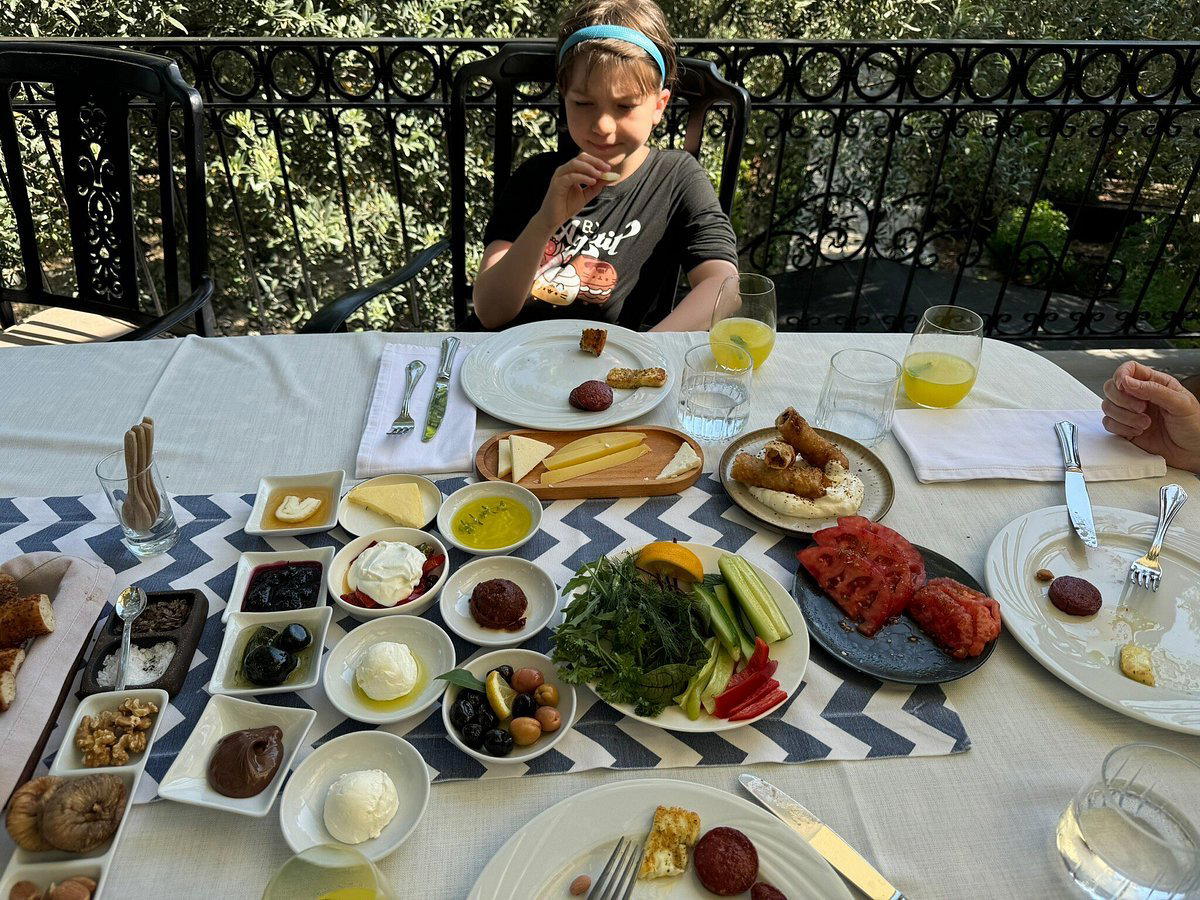
Bars in Izmir
Browse all →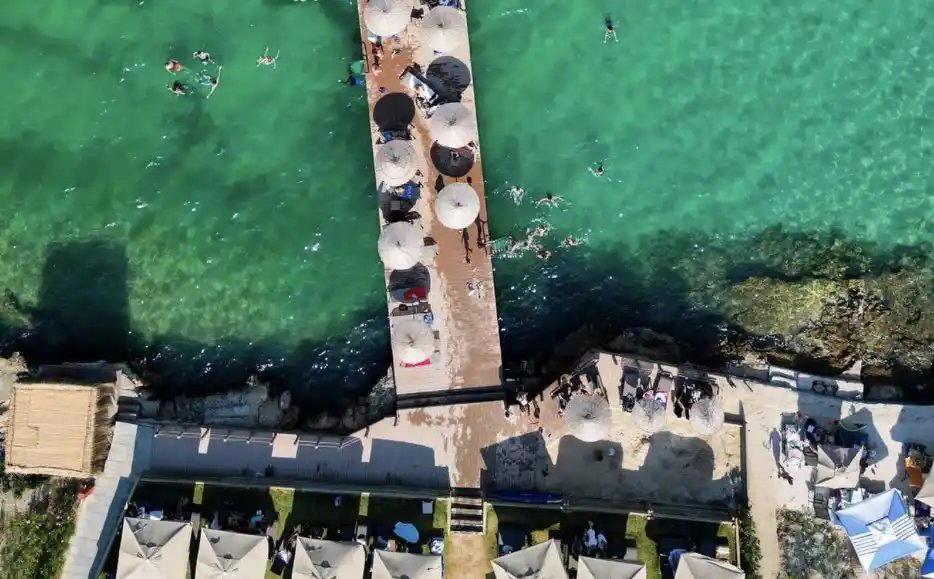

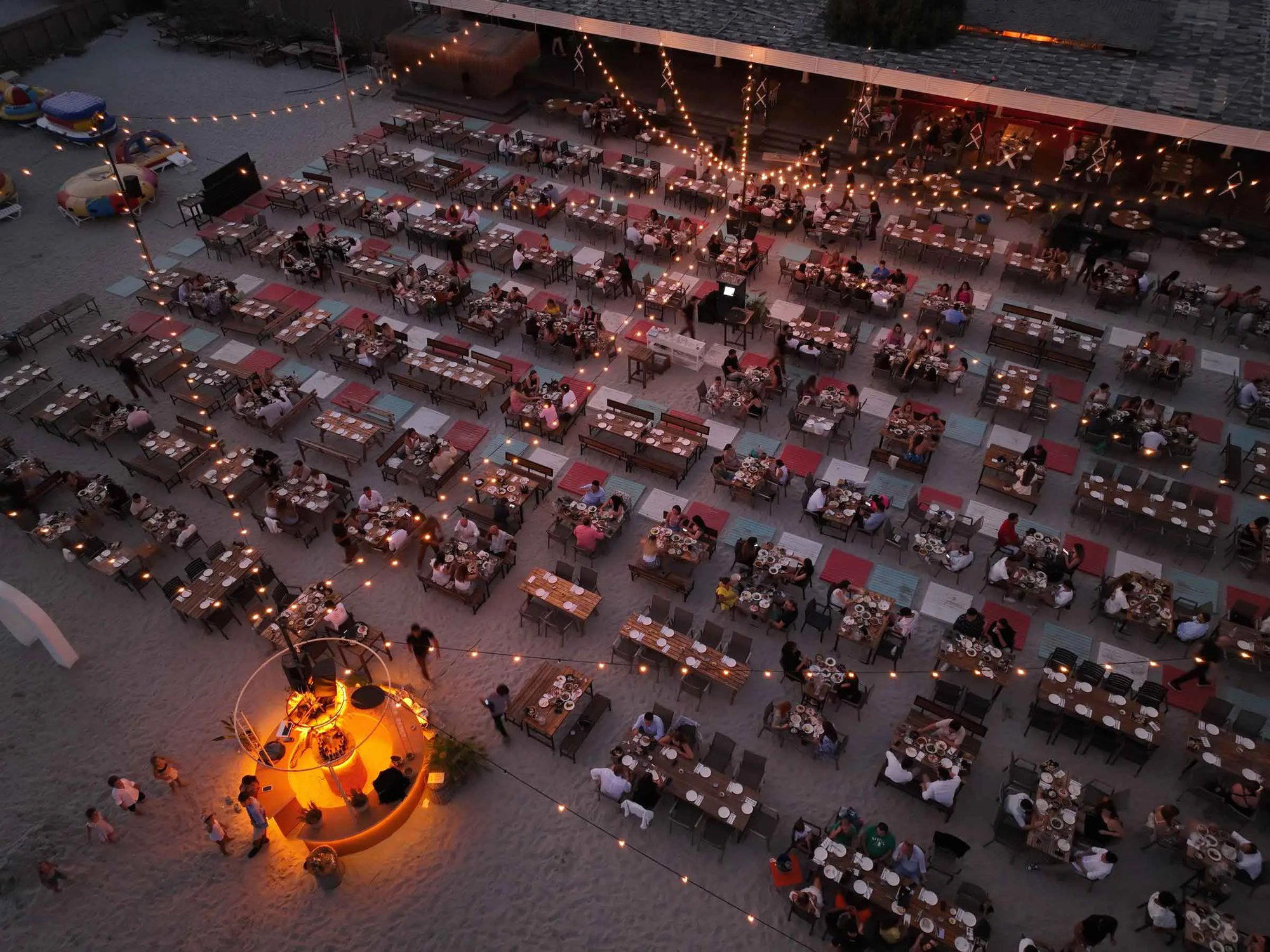
Hotels in Izmir
Browse all →
Details
- Rustic
- Cozy
- Classic
- Casual Hangout
- Family
- Group Dining
- Standalone
- Open Kitchen
- Local Sourcing
- A La Carte
- Counter Dining
- Family Style
- Vegetarian Friendly
- Vegan Options
- Halal
- Gluten Free Options
Current opening hours
- Monday
- 11:30 AM–9 PM
- Tuesday
- 11:30 AM–9 PM
- Wednesday
- 11:30 AM–9 PM
- Thursday
- 11:30 AM–9 PM
- Friday
- 11:30 AM–9 PM
- Saturday
- 11:30 AM–9 PM
- Sunday
- 11:30 AM–9 PM
Hours can change for holidays and private events. Last verified .
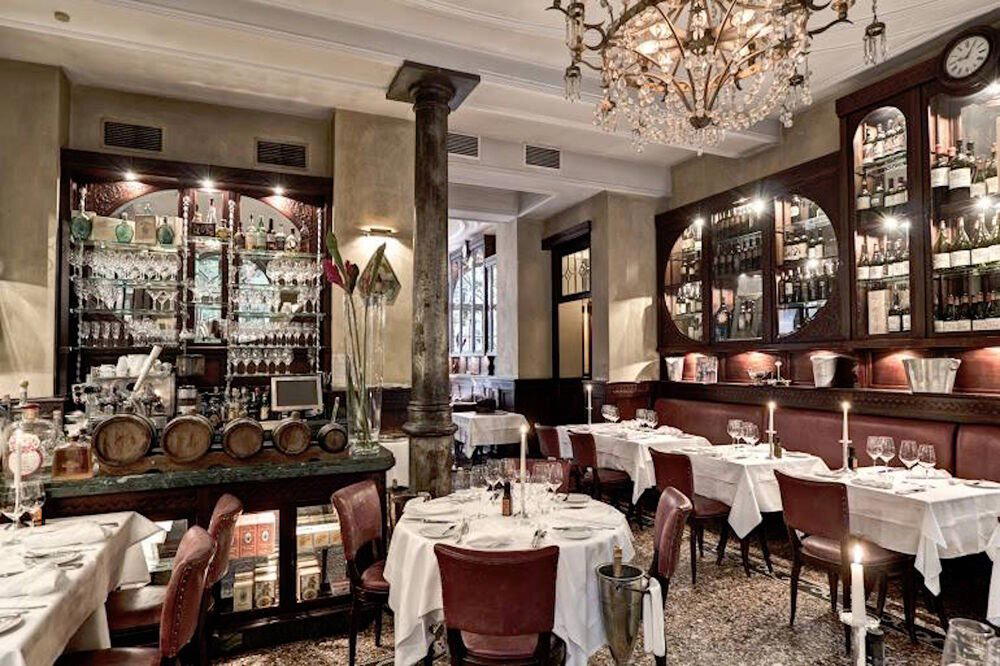
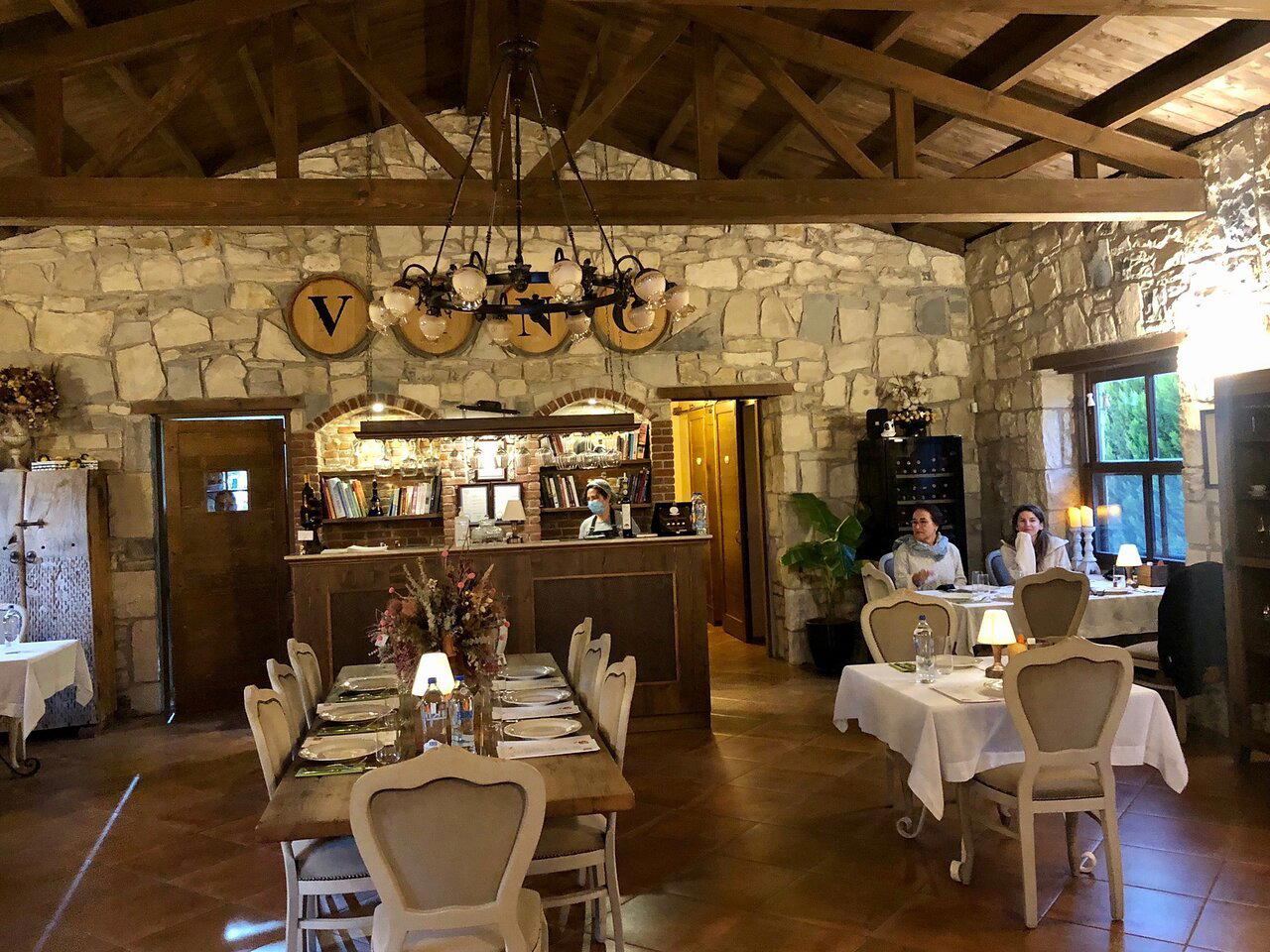
Warm, homey interior decorated with antiques and flowers; rustic charm reflecting traditional Turkish hospitality with a welcoming, familial atmosphere.