
A private kitchen in Fuzhou's Taijiang district drawing on Songxi County traditions, Hui Wei is the kind of place regulars discover once and quietly protect. The Lan Gu-style smoked yellow croaker and golden radish puff represent a strain of northern Fujian cooking rarely found at this level of execution in the city. Advance booking is strongly advised.
Pearl is the En Primeur Club membership app — saves, bookings, and concierge access live there. Same editors, same standards.
- Address
- 17-33 San Tong Qiao Xia Xiang, 17, Tai Jiang Qu, Fu Zhou Shi, Fu Jian Sheng, China, 350007
- Directions
- Get directions
 Saves & bookings on Pearl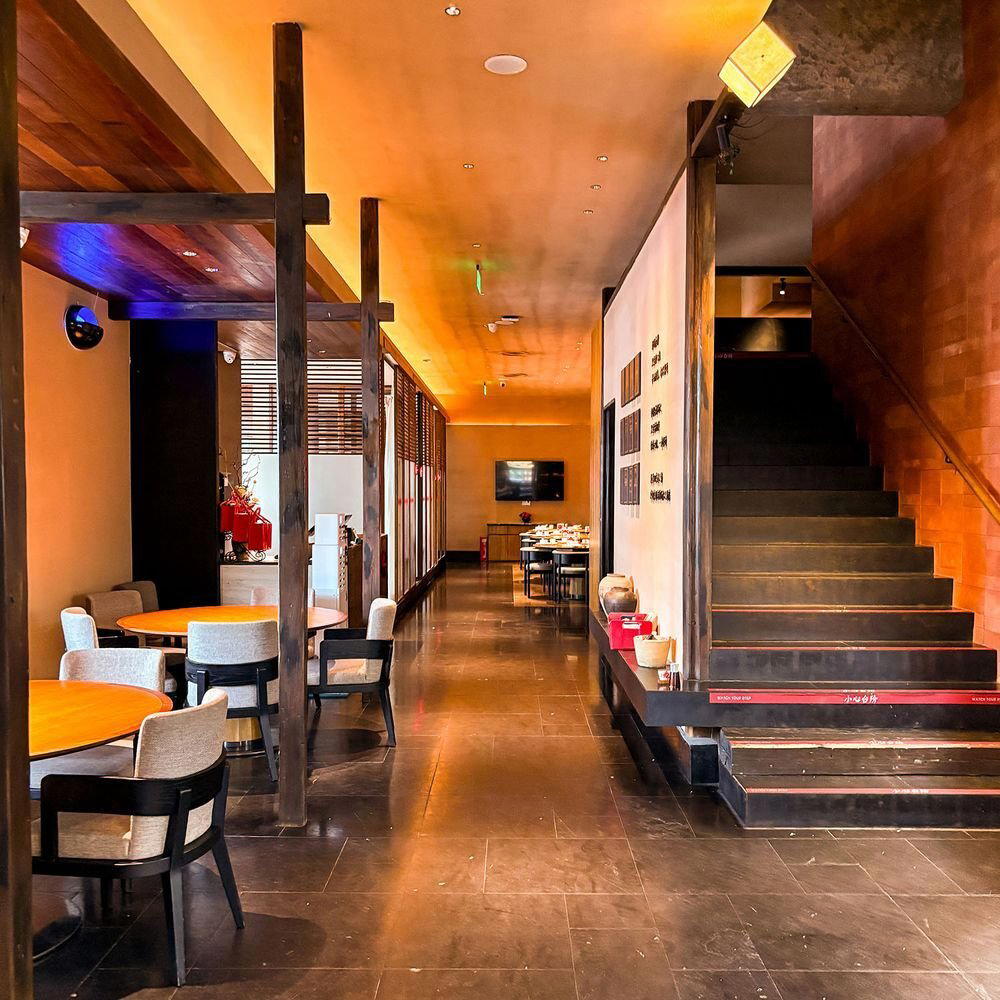
The Room, the Tank, and the Signal It Sends
Hui Wei Private Kitchen is a restaurant in Fuzhou serving Fujianese Songxi Specialties, with a price point of about $40 per person. Ingredients on display before you sit down communicate that the kitchen's sourcing is the first course. It is a format that draws a particular kind of regular, one who comes not to be surprised by a menu change, but to verify that the same standards hold.
Private kitchens occupy a distinct tier in Fuzhou's dining structure. They sit between the large-format Fujian banquet restaurants and the more casual noodle and snack shops that line the older neighbourhoods. The format implies a degree of deliberateness: smaller rooms, tighter ingredient focus, and an expectation that guests come prepared. Hui Wei fits that profile, anchored in Taijiang District, one of the city's older commercial and residential quarters.
Songxi in the City: Northern Fujian on the Table
The culinary identity of Fujian Province is not monolithic. Coastal Min cuisine, built on seafood, light broths, and fermented condiments, tends to dominate outside the province. But inland Fujian, particularly the mountainous north around Songxi County, produces a different register: earthier, more reliant on preservation techniques, and shaped by an agricultural interior rather than a fishing coast. Hui Wei draws directly from that tradition, and this is what keeps its regulars specific.
The Lan Gu-style smoked yellow croaker anchors the menu in northern Fujian technique. Smoking fish in this tradition is not about applying aggressive char; it is closer to cold-smoking in effect, coaxing a subtle aromatic layer into flesh that remains delicate enough to pull apart cleanly. The addition of chilli sauce alongside does not overpower, it amplifies the umami that the smoking process has concentrated in the fish. For anyone familiar with the smoked preparations found in Zhejiang or further up the coast, the Songxi version reads as quieter, more restrained. That restraint is the point.
Radish puff illustrates a different dimension of northern Fujian snack culture. Crispy pastry encasing a filling of soft, juicy radish and chilli achieves the kind of textural contrast that is harder to execute than it appears. The pastry must hold its structure through service; the filling must retain moisture without turning the crust soft. When it works, and at Hui Wei it does, the result is the sort of snack that regulars factor into their order before they sit down. Dishes like this, from traditions that rarely travel beyond their home counties, are precisely the reason private kitchens sustain loyal followings in cities where regional specificity gets flattened elsewhere.
What Keeps Regulars Returning
Logic of a private kitchen regular in Fuzhou is different from that of a regular at, say, a mid-range Cantonese restaurant or a chain hotpot. At Hui Wei, the return visit is about continuity of a particular regional expression. Songxi cooking is not well-represented across Fuzhou's broader dining scene, and the combination of a live-sourcing operation visible from the entrance, a focused regional menu, and the private kitchen format creates a set of conditions that are difficult to replicate or substitute.
Regulars at this level of private kitchen tend to self-select along lines of provenance interest. Someone from Songxi or northern Fujian more broadly will find in Hui Wei a reference point that validates memory. Someone from outside the province, or even from coastal Fuzhou, encounters a cuisine that reads as both familiar in form (the croaker, the pastry snack) and genuinely distinct in preparation and sourcing logic. That combination, legibility alongside specificity, is what sustains repeat visits. The menu is not a novelty to be consumed once; it is a standard to be returned to.
Compared to Fuzhou venues that operate in the mid-range Fujian tier, such as Wenru No.9, which focuses on a broader Fujian register, Hui Wei's Songxi emphasis is narrower and more committed. That narrowness is a feature, not a limitation. Similarly, the Huaiyang-focused Jiangnan Wok·Rong, which holds a Michelin star, operates in a different competitive tier and with a different regional logic. Hui Wei is not competing in that bracket; it competes on the strength of a specific tradition done at a high level of internal consistency.
Fuzhou in Context: Regional Depth Across the City
Fuzhou's restaurant scene has grown more regionally specific over the past decade. Alongside broad Fujian establishments, the city now supports a range of venues drawing on particular county and district traditions within the province. This mirrors a wider pattern in Chinese dining cities, where the appetite for hyper-regional cooking has created space for private kitchens and specialist restaurants that would have struggled to find an audience a generation ago.
For visitors to Fuzhou who have traced comparable regional depth elsewhere in China, through venues like Xin Rong Ji in Beijing or Ru Yuan in Hangzhou, Hui Wei represents a local equivalent: a place where regional specificity is the offering, and where the format is shaped around protecting that specificity. Broader Chinese fine dining, as practiced at venues like Chef Tam's Seasons in Macau or Imperial Treasure Fine Chinese Cuisine in Guangzhou, operates with a different ambition: synthesis and prestige. Private kitchens like Hui Wei operate with the inverse logic: depth over breadth, provenance over presentation.
Fuzhou also rewards visitors who combine dining research with broader exploration. 167 Shan Hai Li and the noodle specialist A Xin Xian Lao on Gongnong Road cover different parts of the local eating map, while Chosop brings a Sichuan lens to the city's increasingly varied mid-range offer. Our full Fuzhou restaurants guide maps the scene in more detail, and readers planning a broader trip can also consult our Fuzhou hotels guide, bars guide, wineries guide, and experiences guide.
Planning a Visit
Hui Wei Private Kitchen is located at 17 San Tong Qiao Xia Xiang in Taijiang District, a navigable neighbourhood within central Fuzhou. As a private kitchen format, the venue operates with a level of capacity and booking logic that differs from standard restaurants.
The Essentials
Comparable venues nearby, for context on price, style, and recognition.
| Venue | Cuisine | Price | Notes |
|---|---|---|---|
| Hui Wei Private KitchenThis venue — the venue you are viewing | Cangshan, Fujianese Songxi Specialties | $$$ | Not listed |
| Harmony Garden (Xierhuan North Road) | Gulou, Creative Fujian Cuisine | $$$ | Not listed |
| Chosop | Taijiang, Authentic Sichuan | $$ | Not listed |
| ZHENGCHUNFA | Not listed | $$$ | Sandi Center, Traditional Fujian Fotiaoqiang |
| MINHENANHUANXI | Min Cuisine | $$$ | Not listed |
| Ancient Steamed Swallow (古蒸燕) | 福州市, Ancient Steamed Swallow | Not listed | Not listed |
Recognition history
Dated appearances from independent guides and award organizations, with the underlying list record or original source where available.
Michelin Plate
Michelin
At a Glance
- Intimate
- Cozy
- Elegant
- Family
- Group Dining
- Business Dinner
- Special Occasion
- Private Dining
- Open Kitchen
- Local Sourcing
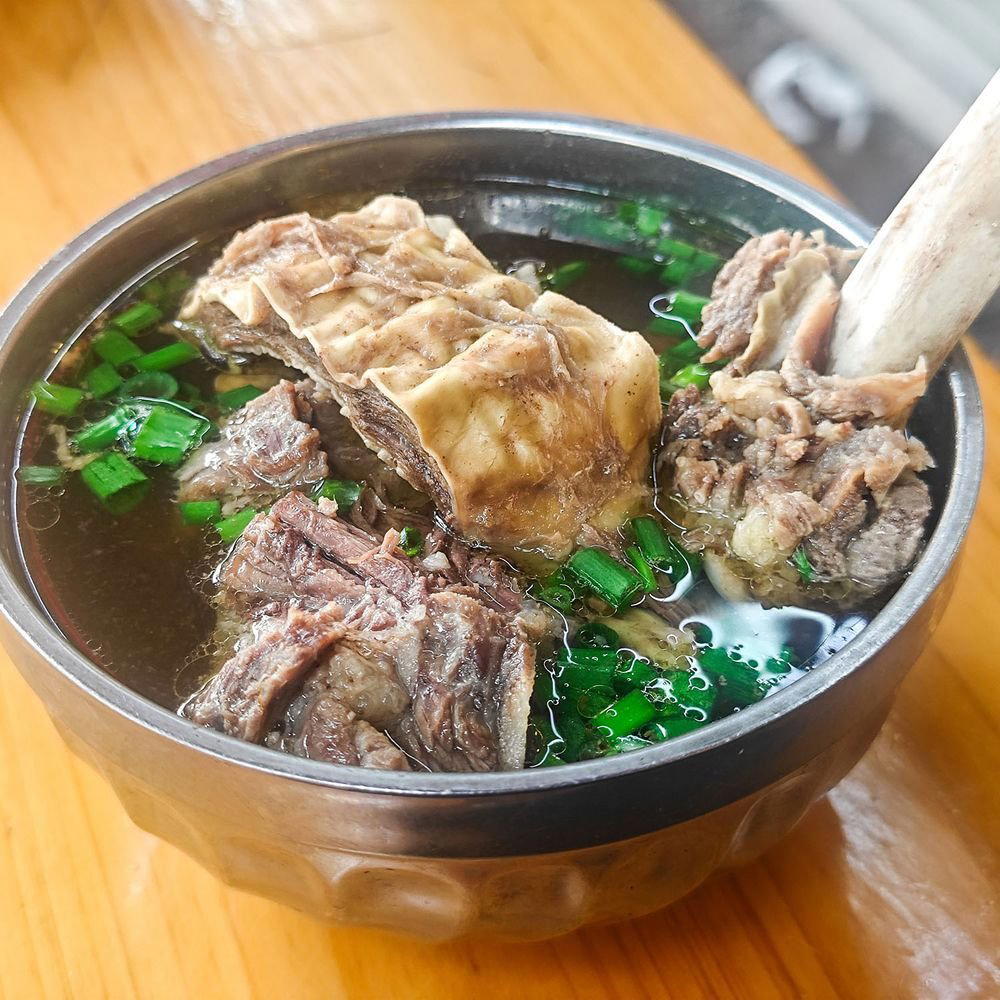
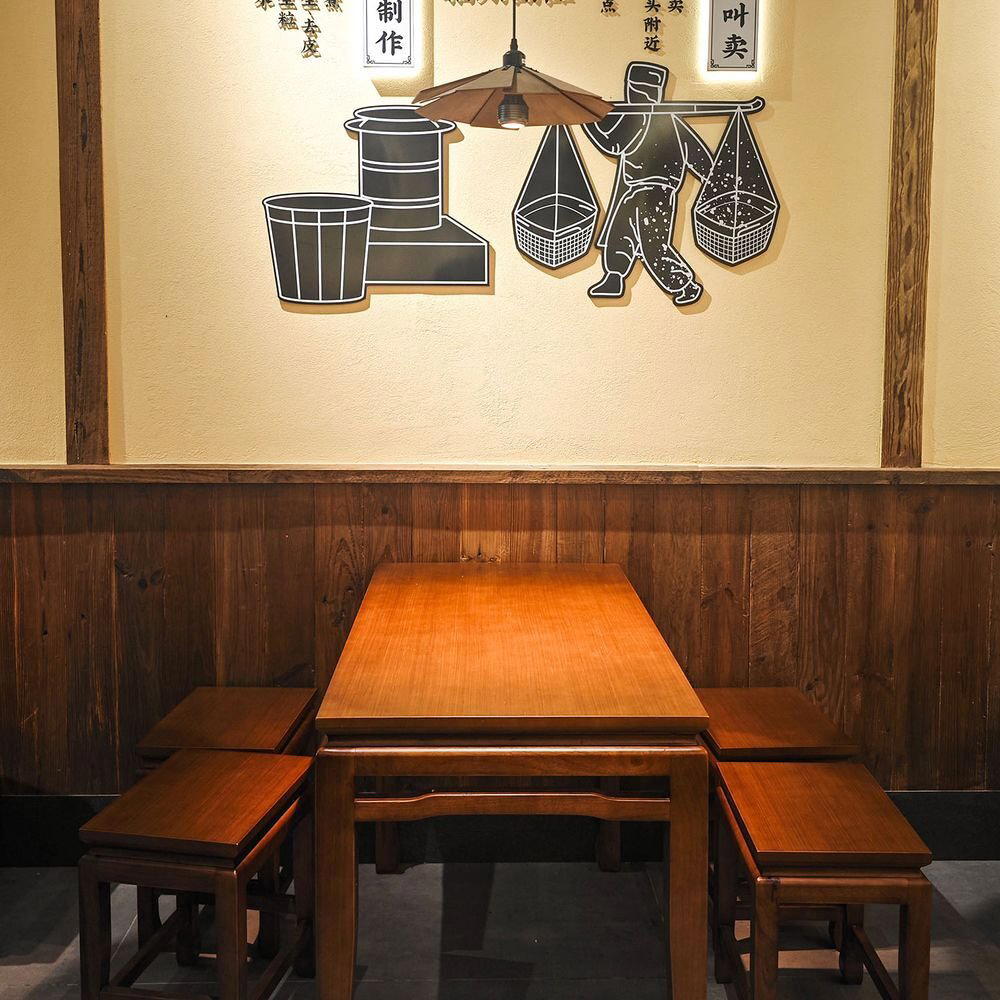
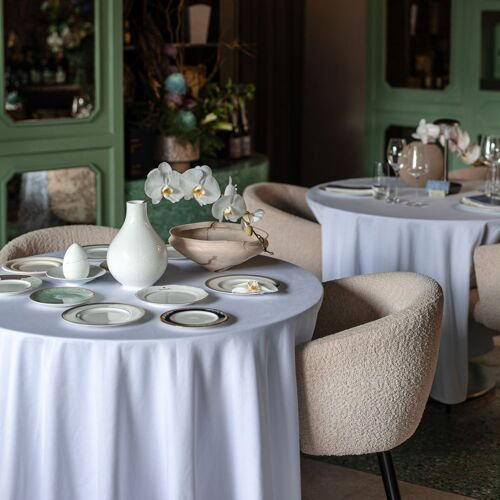
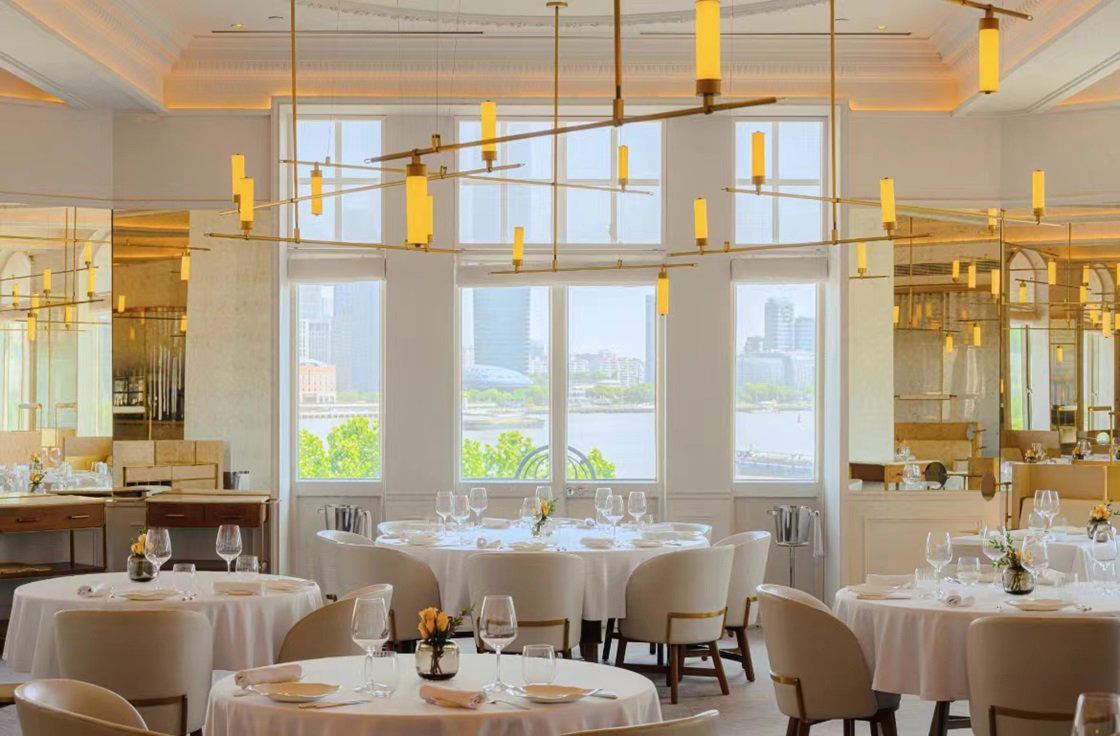
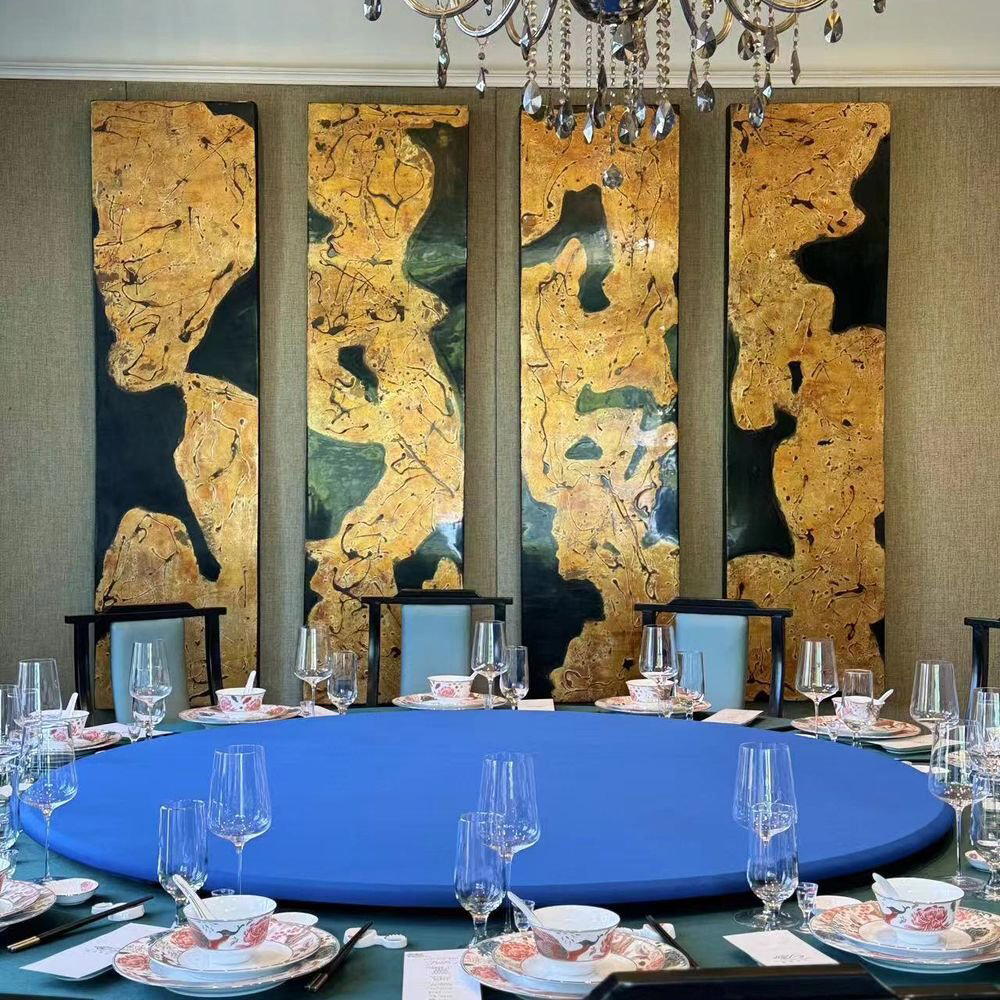
Warm and purposeful with spacious dining room, live fish tank, and uncluttered areas prioritizing food and company.