Hui Tou Xiang
Hui Tou Xiang brings northern Chinese cooking traditions to Hollywood, Florida, in a dining scene more accustomed to stone crab and steakhouses. The name references the classic Chinese braised pork dish, signaling a kitchen with regional specificity rather than pan-Asian generalism. For diners looking beyond the expected along the South Florida coast, it occupies a distinct position in the local mix.
 Discover on Pearl
Pearl is the En Primeur Club membership app — saves, bookings, and concierge access live there. Same editors, same standards.
- Address
- 1643 N Cahuenga Blvd, Los Angeles, CA 90028
- Phone
- (323) 645-7272
- Website
- huitouxiang.com
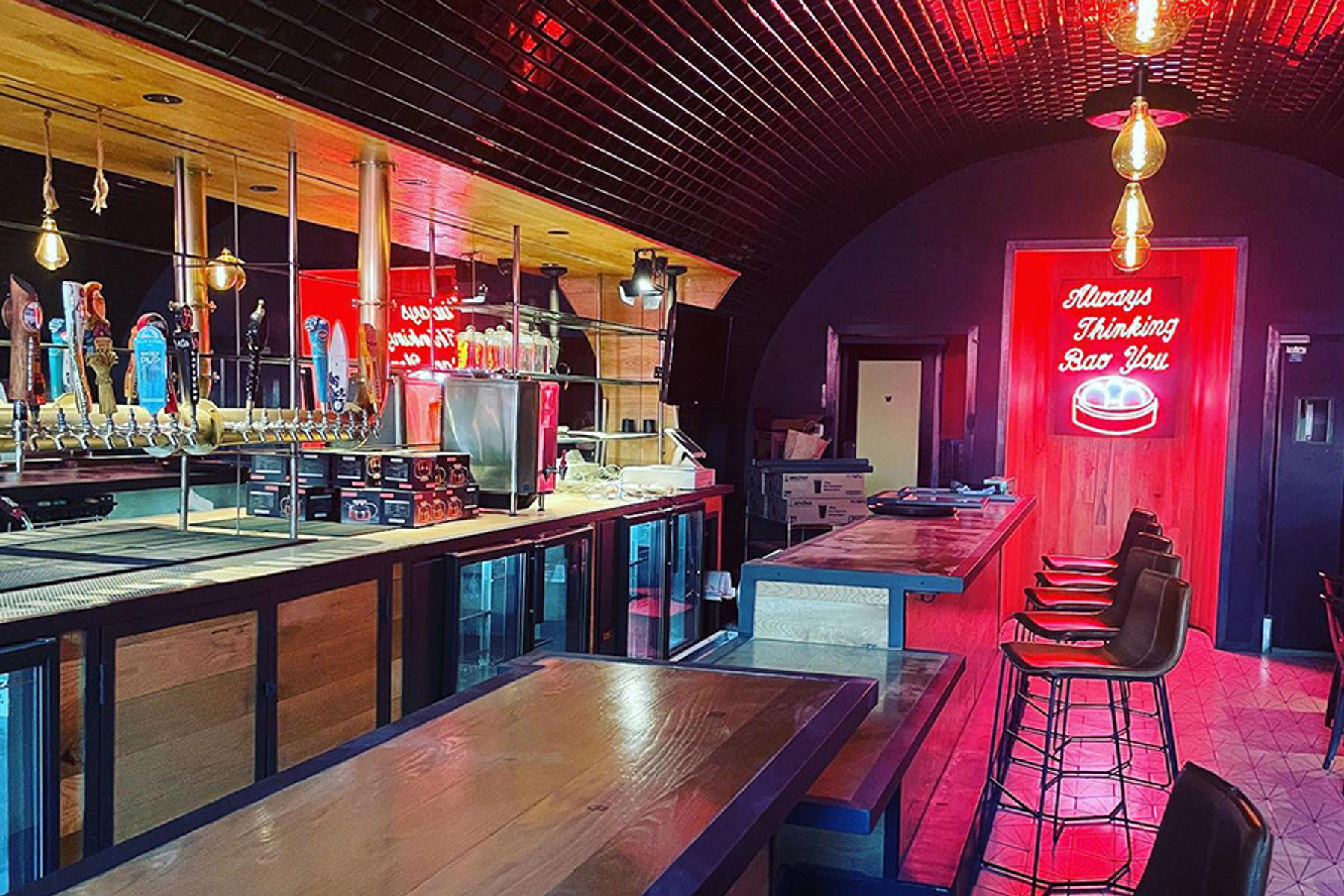
Northern Chinese Cooking on the South Florida Coast
Hollywood, Florida's dining scene has long organized itself around two gravitational poles: the beachfront seafood houses that trade on proximity to the Atlantic, and the steakhouses that serve the area's substantial year-round residential and visitor base. Places like Billy's Stone Crab and Blu Steakhouse represent those two established currents. Hui Tou Xiang sits outside both traditions, drawing instead on the repertoire of northern Chinese cooking, a tradition shaped by wheat rather than rice, by braised meats and hand-pulled doughs rather than the Cantonese and Sichuan preparations that dominate Chinese-American dining in most American cities.
The name itself is instructive. Hui tou xiang (回头香) translates roughly as "the fragrance that makes you turn back", a colloquial reference to food so compelling it stops you mid-stride. That framing gestures at a kitchen interested in depth and aromatics over novelty, and in the kind of slow-cooked intensity that characterizes the northern Chinese table at its most serious.
How the Meal Unfolds
Northern Chinese menus tend to resist the clean tasting-progression logic of French or contemporary American fine dining. The tradition is more communal and layered: cold starters arrive first, establishing a baseline of vinegar, sesame, and fermented heat, before heavier braised and stir-fried dishes take over. At a kitchen operating within that tradition, the sequencing tells you a great deal about where the cook's priorities lie.
The cold course in northern Chinese cooking is frequently underappreciated by diners unfamiliar with the tradition. Where Japanese kaiseki uses cold preparation to showcase delicacy, and where Spanish contemporary cuisine uses it to emphasize technique, the northern Chinese cold plate is fundamentally about contrast, the crunch of pickled vegetables against the density of spiced meat, the clean acid of vinegar-dressed greens against the richness of sesame. A kitchen that handles this phase well tends to demonstrate a understanding of balance that carries through the rest of the meal.
What follows typically divides into wheat-based preparations, dumplings, hand-pulled noodles, steamed buns, and braised proteins that have cooked long enough to absorb considerable depth. Red-braised pork, a preparation associated with China's northern and eastern provinces, represents this category at its most recognized. The technique involves extended cooking in soy, sugar, and aromatics, producing a dish where the fat has rendered completely and the sauce has concentrated to something close to lacquer. It is slow cooking in the most literal sense, and it does not translate well to kitchens that are cutting corners on time.
For those comparing approaches across the American fine dining circuit, the structural logic here differs substantially from what you encounter at benchmark restaurants like Alinea in Chicago or Le Bernardin in New York City, where tasting menus are engineered around dramatic escalation. The northern Chinese meal progresses through contrast and accumulation rather than climax. That is not a lesser structure, it is a different one, and understanding it changes how you read each course.
Hollywood's Chinese Dining Context
South Florida's Chinese restaurant infrastructure is thinner than its East Coast metropolitan peers. New York, Los Angeles, and the Bay Area each support deep, regionally specific Chinese dining ecosystems. South Florida's Chinese-American dining has historically leaned toward Cantonese-influenced formats, dim sum houses, Americanized takeout, with northern and inland Chinese traditions less represented. That relative scarcity gives Hui Tou Xiang a positioning advantage that has nothing to do with marketing and everything to do with geography.
Hollywood itself is increasingly a serious dining city rather than simply an annex to Fort Lauderdale or a beach stop. Restaurants like At Peru Hollywood, Carmela's Italian Ristorante, and CLASS Soiree Steakhouse together suggest a local scene that is diversifying beyond the coastal staples. Hui Tou Xiang fits inside that expansion, not as a curiosity but as part of a broader move toward culinary specificity in a city that has historically punched below its weight.
For context on how regional Chinese cooking has fared in American fine dining more broadly, the comparison is instructive: while Korean-American fine dining has received serious critical attention at places like Atomix in New York City, and farm-to-table American cuisine has been codified at destinations from Blue Hill at Stone Barns in Tarrytown to Single Thread Farm in Healdsburg, northern Chinese cooking remains substantially underrepresented in the American critical conversation. That gap is closing, but slowly.
Planning Your Visit
If you are visiting between November and April, planning further ahead than you would in the off-season is advisable for any establishment that has developed a local following.
Hollywood sits between Miami and Fort Lauderdale on the I-95 corridor, accessible from Fort Lauderdale-Hollywood International Airport in under fifteen minutes by car. For those building a broader South Florida dining itinerary, the city functions well as a base: close enough to Miami's more established restaurant infrastructure, but with a distinct character that Miami's density can obscure.
For diners whose points of reference are drawn from the broader American fine dining circuit, The French Laundry in Napa, Providence in Los Angeles, Emeril's in New Orleans, or Addison in San Diego, the Hui Tou Xiang experience operates in a different register entirely. The comparison is less useful than understanding northern Chinese dining on its own structural terms: communal rather than sequential, contrast-driven rather than climax-oriented, and built around techniques that reward patience both in the kitchen and at the table.
Standing Among Peers
Comparable venues nearby, for context on price, style, and recognition.
| Venue | Cuisine | Price | Awards | Notes |
|---|---|---|---|---|
| Hui Tou XiangThis venue — the venue you are viewing | Northern Chinese Dumplings & Noodles | $ | , | |
| Feast From The East | Chinese & Japanese | $ | , | Little Persia |
| Schezwan Club | Indo-Chinese | $$ | , | Silver Lake |
| Men & Beasts | Modern Plant-Based Chinese | $$ | , | Echo Park |
| The Gumbo Pot | Cajun & Creole | $ | , | Fairfax |
| Churros Calientes | Spanish Churros Cafe | $ | , | Sawtelle |
Continue exploring
More in Los Angeles
Restaurants in Los Angeles
Browse all →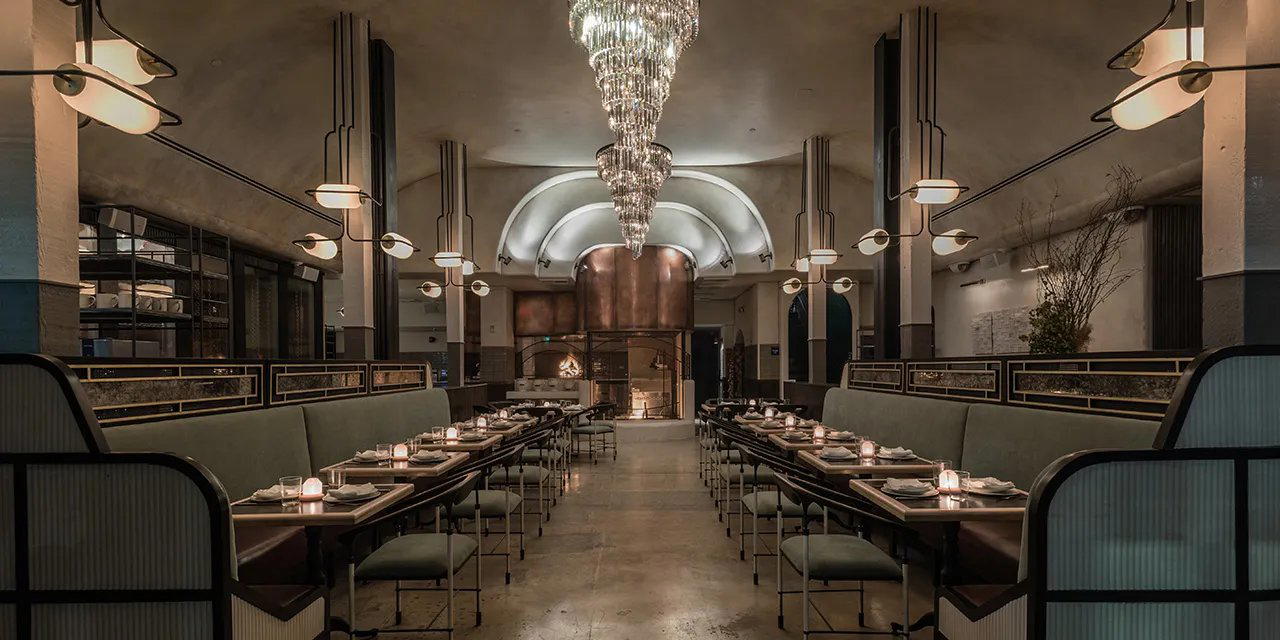
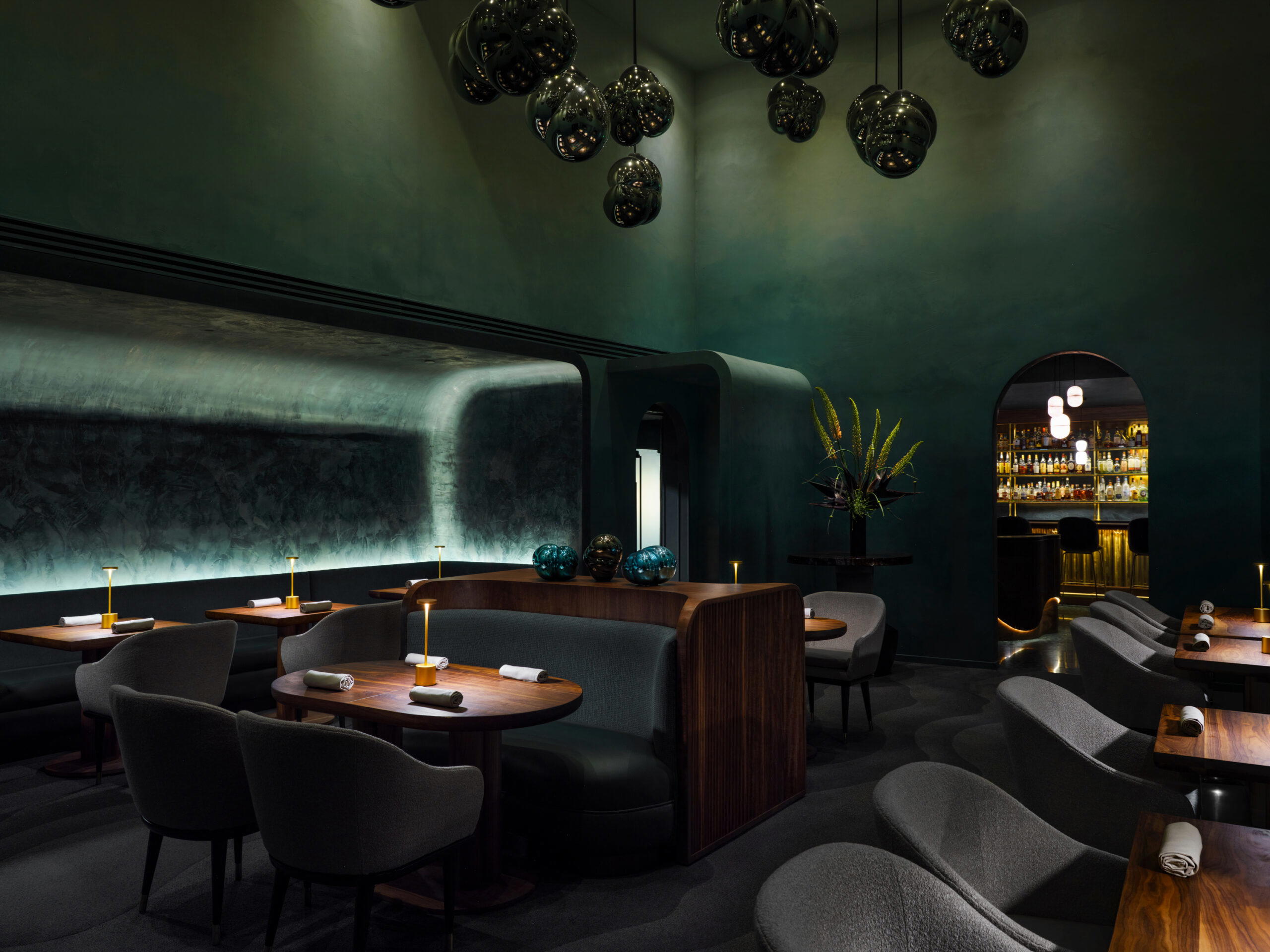
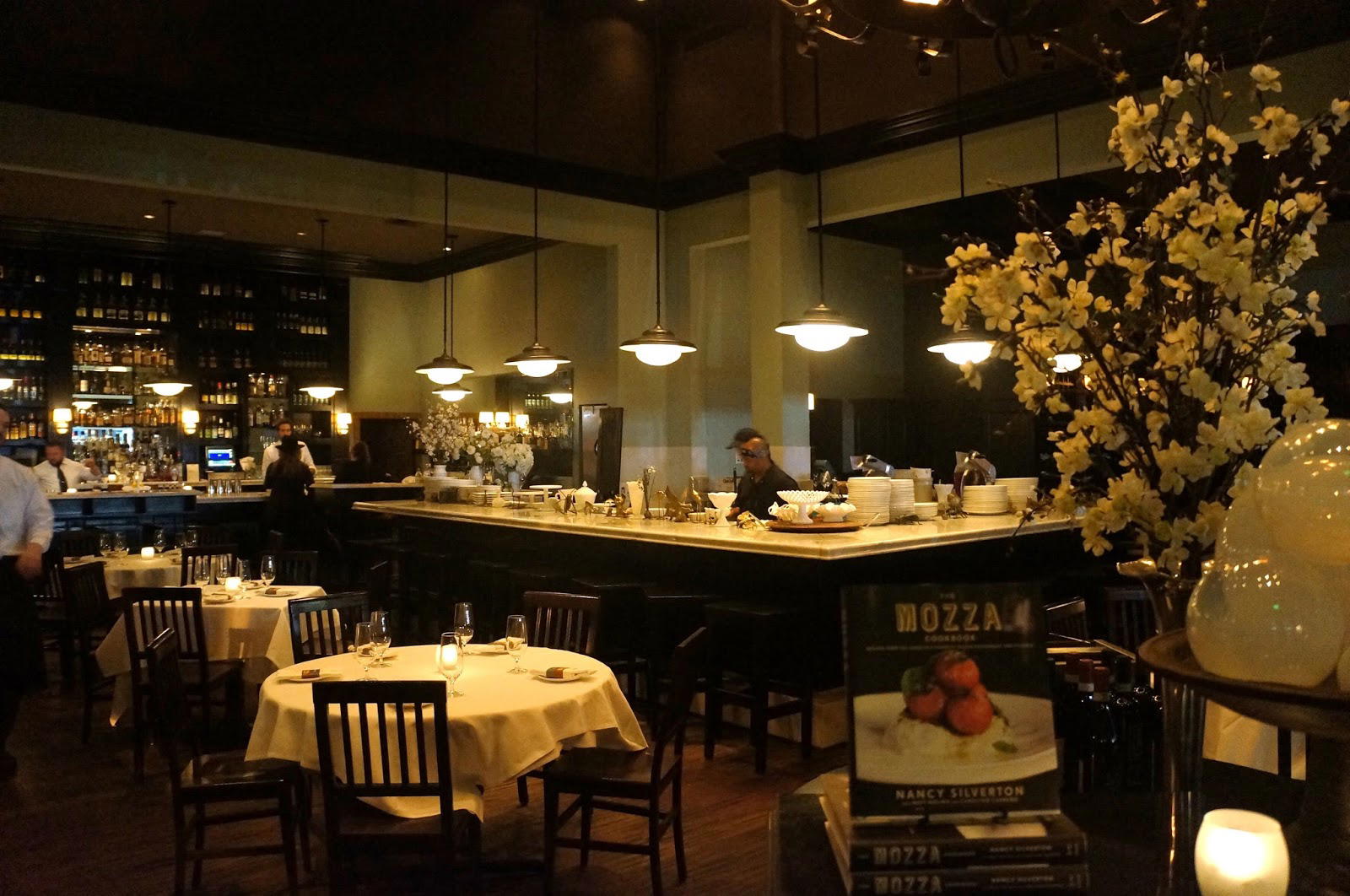
Bars in Los Angeles
Browse all →

Hotels in Los Angeles
Browse all →
Wineries in Los Angeles
Browse all →
At a Glance
- Casual Hangout
Casual noodle house atmosphere focused on simple, authentic Chinese comfort food.