The Gumbo Pot
The Gumbo Pot has anchored the Farmers Market at Third and Fairfax since the complex's mid-century heyday, serving Louisiana-rooted cooking in one of Los Angeles's most storied open-air settings. In a city where sit-down dining dominates critical conversation, this counter-service stall offers a direct, unpretentious line to Cajun and Creole tradition. It occupies a different register than the tasting-menu circuit, but within the Farmers Market it holds a specific institutional gravity.
Pearl is the En Primeur Club membership app — saves, bookings, and concierge access live there. Same editors, same standards.
- Address
- Parking lot, 6333 W 3rd St #312, Los Angeles, CA 90036
- Phone
- +13239330358
- Website
- thegumbopotsla.com
- Directions
- Get directions
 Saves & bookings on Pearl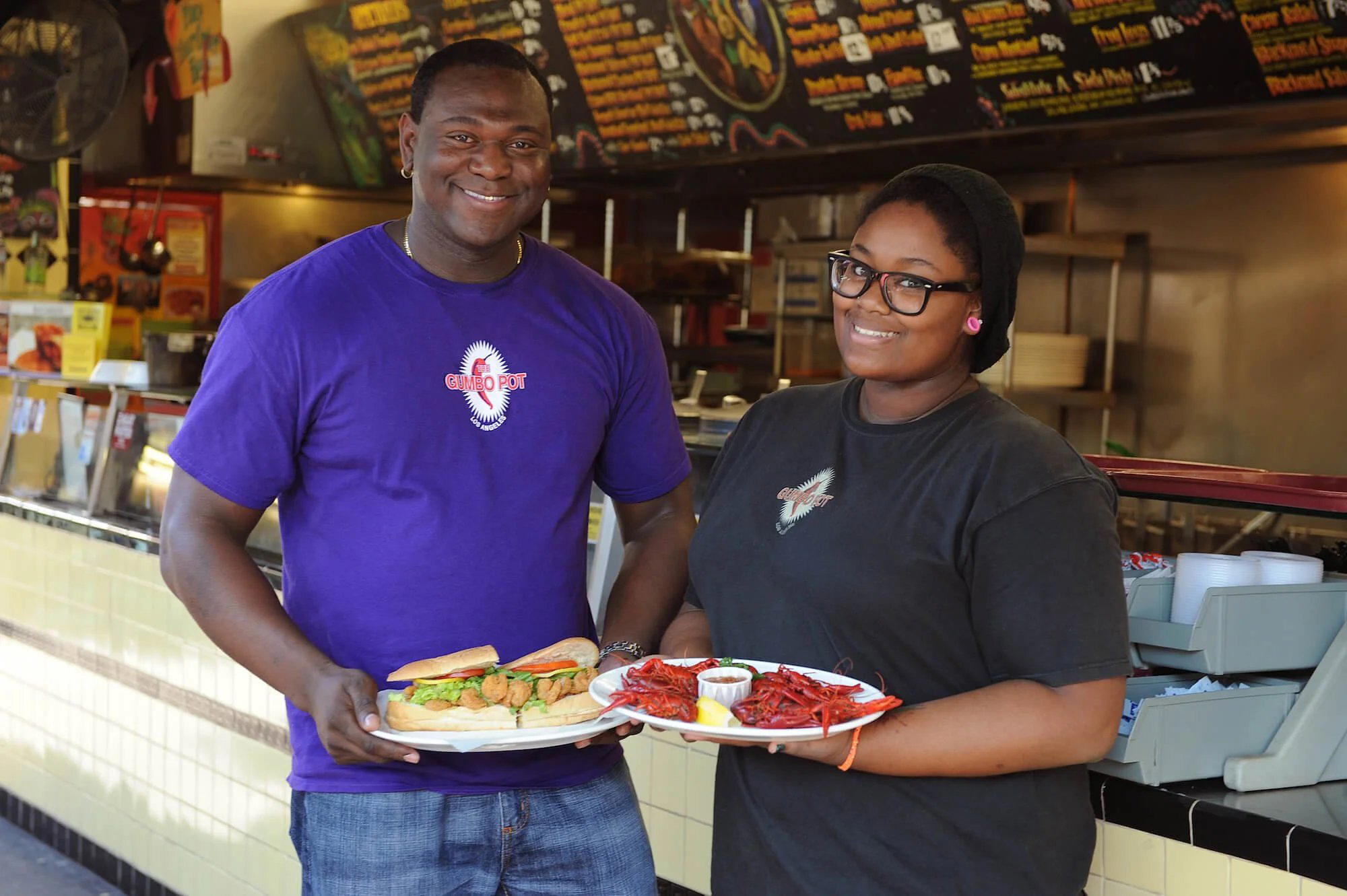
Louisiana Cooking at the Heart of a Los Angeles Institution
The Original Farmers Market at Third and Fairfax has been a fixed point in Los Angeles food life since 1934. What began as a Depression-era gathering of produce farmers on a leased lot has accumulated nearly a century of commercial sediment: stalls, counters, and vendors layered in over decades until the market became something closer to a neighbourhood in miniature than a shopping destination. The Gumbo Pot is a casual Cajun and Creole restaurant in Los Angeles, priced at about $15 per person.
Open-air food markets in American cities tend to follow one of two trajectories. Either they gentrify into artisan-vendor showcases priced for the weekend leisure class, or they calcify into tourist traps running on reputation rather than quality. The Farmers Market at Third and Fairfax has managed a more complicated path, retaining a regular local clientele while absorbing visitor traffic, and The Gumbo Pot operates within that ambiguity. It is not a restaurant in the conventional sense: there is no reservation system, no tasting menu pacing, and no sommelier directing the experience. The dining ritual here is self-governed.
The Ritual of Eating at a Market Counter
Counter-service Cajun cooking demands a different set of conventions from the diner than, say, the omakase progression at Hayato or the orchestrated sequences at Somni. At The Gumbo Pot, the meal begins at the ordering window. The customer determines the pacing. There is no kitchen brigade managing the rhythm of courses, no front-of-house choreography cueing transitions. What that format requires from the diner is a degree of deliberateness at the point of order: the menu at a Cajun counter rewards knowing what you want before you reach the front of the line.
Gumbo is the defining reference point for any kitchen carrying this name, and within Louisiana cooking it is a dish that encodes the entire regional tradition. The base roux, the trinity of onion, celery, and bell pepper, the choice between okra and filé powder as thickening agents, and the decision over whether to build a Creole tomato-based version or a darker, more austere Cajun roux: each of these variables signals something about where a cook's allegiances lie. Across the American South, debates about gumbo orthodoxy run deep. In Los Angeles, a city whose Louisiana diaspora is substantial but dispersed, a dedicated gumbo counter carries the additional weight of being one of relatively few places making the argument at all.
The communal seating at the Farmers Market reinforces a particular kind of meal. Tables fill with strangers eating different things from different stalls. The restaurant's bowls arrive alongside whatever else people have collected from the market's other counters. This is eating as assembly rather than as narrative, which suits the food: gumbo, jambalaya, and beignets do not require atmospheric staging to make their case.
Where The Gumbo Pot Sits in Los Angeles Dining
Los Angeles's most discussed restaurants in recent years have clustered at the tasting-menu end of the spectrum. Kato and Providence operate in a tier defined by long booking windows, multi-course formats, and price points that place them in the same conversation as Le Bernardin in New York City or Alinea in Chicago. Osteria Mozza and comparable full-service restaurants occupy a middle register. The restaurant occupies none of these. Its comparable set is the market stall, the walk-up counter, the neighbourhood fixture that earns loyalty through repetition and consistency rather than critical accolades.
That positioning is not a limitation so much as a different kind of argument about what dining in a city can mean. The Farmers Market format places the restaurant alongside dozens of other counters, which means it competes for attention in the immediate environment rather than across a city-wide reservation pool. Walk-in access is the norm. The crowd on any given day will include regulars who have been eating here for years and first-timers arriving from the adjacent Grove shopping complex. Everyone orders at the same window and finds their own table.
By contrast, controlled tasting-menu formats depend on removing the diner from ambient noise and social randomness. The restaurant's setting is the opposite proposition: the ambient noise and social randomness of the Farmers Market are precisely the context in which the food is meant to be eaten. Both approaches are deliberate; they simply define the meal differently.
Cajun and Creole cooking has a substantial presence in American cities but a thinner footprint in Los Angeles compared to its depth in cities like New Orleans, where Emeril's and its contemporaries operate in a city where the cuisine is the default register rather than a regional specialty. In Los Angeles, Southern cooking more broadly sits outside the dominant culinary identities of the city. That makes a long-running Cajun counter at one of the city's oldest food markets something worth noting in its own right.
Planning Your Visit
The restaurant is located at stall 312 within the Original Farmers Market, at 6333 West Third Street in the Fairfax District. The market's open-air format means the experience is weather-dependent in the way that enclosed restaurants are not: midday on a clear day produces a different atmosphere than a grey morning in January. Parking is available in the Farmers Market lot. The Fairfax corridor offers a range of formats, from the Farmers Market's stall culture to the full-service dining rooms further along Third Street and into West Hollywood.
A Tight Comparison
Comparable venues nearby, for context on price, style, and recognition.
| Venue | Cuisine | Price | Notes |
|---|---|---|---|
| The Gumbo PotThis venue — the venue you are viewing | Fairfax, Cajun & Creole | $ | Not listed |
| Randys Donuts | Toluca Lake, Classic American Donuts | $ | Not listed |
| Reddi Chick Rotisserie BBQ | Not listed | $ | Brentwood, Classic Rotisserie BBQ Chicken |
| COFAX | Not listed | $ | Fairfax, American Breakfast Burritos & Donuts |
| Jeff's Gourmet Sausage Factory | South Robertson, Kosher Sausages & Deli | $ | Not listed |
| Simplethings 3rd Street | Not listed | $ | Beverly Grove, American Sandwich & Pie Shop |
Continue exploring
More in Los Angeles
Restaurants in Los Angeles
Browse all →
Bars in Los Angeles
Browse all →
Hotels in Los Angeles
Browse all →
Wineries in Los Angeles
Browse all →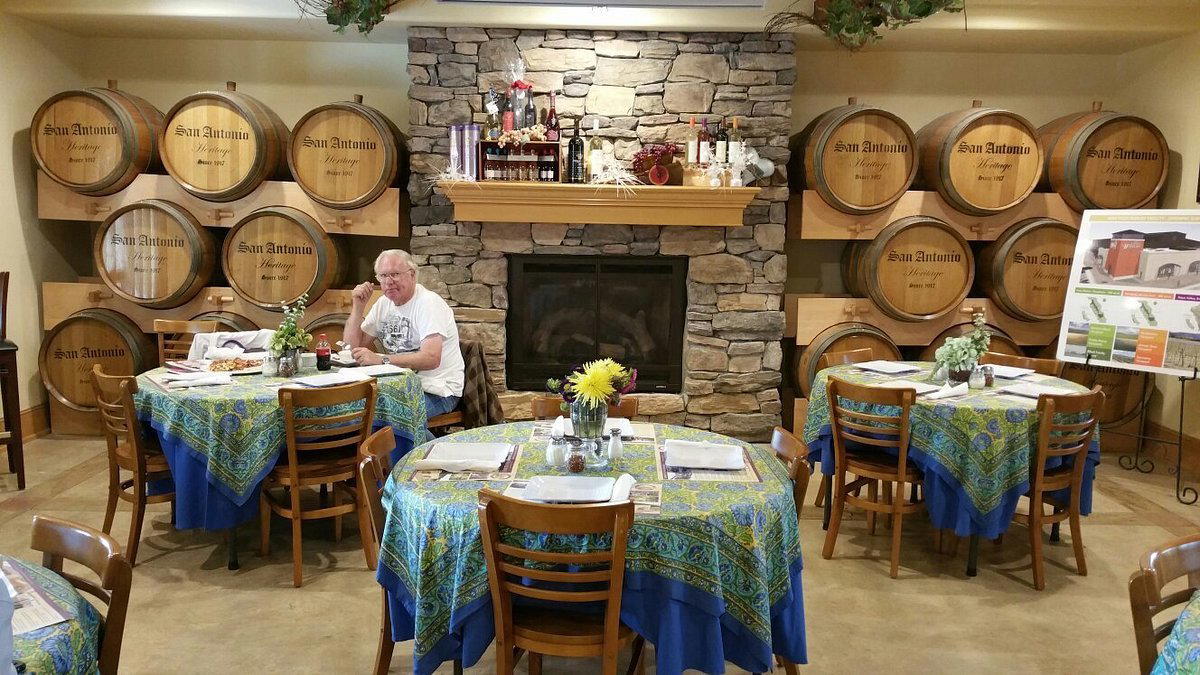
At a Glance
- Lively
- Rustic
- Cozy
- Casual Hangout
- Standalone
Current opening hours
- Monday
- 9 AM–9 PM
- Tuesday
- 9 AM–9 PM
- Wednesday
- 9 AM–9 PM
- Thursday
- 9 AM–9 PM
- Friday
- 9 AM–10 PM
- Saturday
- 9 AM–10 PM
- Sunday
- 9 AM–8 PM
Hours can change for holidays and private events. Last verified .
Funky, fun food stall atmosphere with outdoor seating in a bustling market setting.