Feast From The East
Our verdict
The address places it within reach of Westside diners who track the broader LA scene closely, and the name signals a commitment to Eastern-inflected cooking in a city that has long treated Asian cuisines as a primary, not peripheral, part of its restaurant identity.

Pearl is the En Primeur Club membership app, where members save venues, book tables and use the concierge.
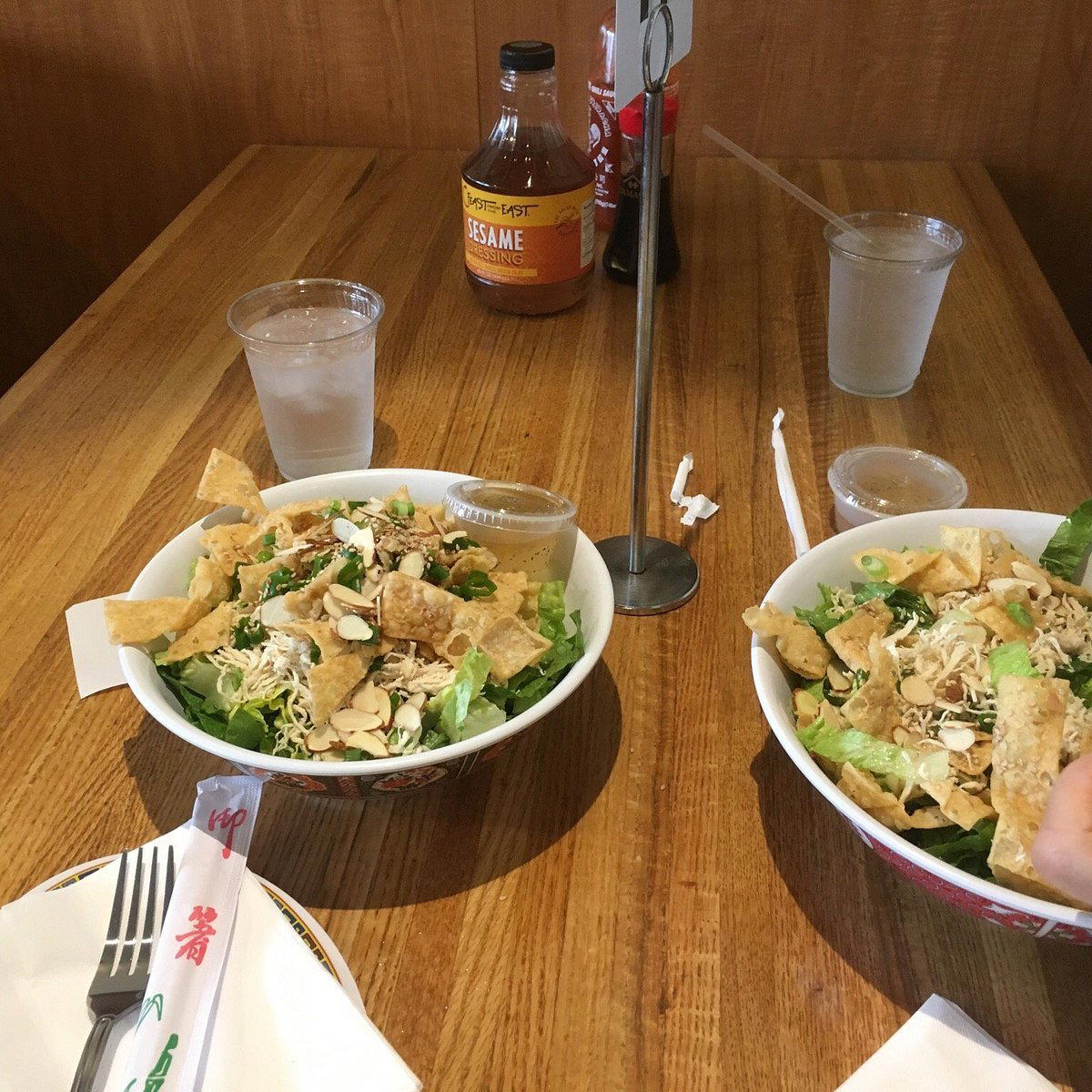
What the Name Signals and What the Address Confirms
The name Feast From The East makes a directional claim rather than a geographic one. In a city where Asian cuisines now occupy the full price spectrum, from the $$ Mexican seafood of Holbox to the $$$$ omakase precision of Sushi Kaneyoshi, the declaration of an Eastern identity functions as positioning rather than mere descriptor.
For context, the Westside's relationship with serious Asian dining has historically been mediated by Japanese cooking, with the Sawtelle corridor functioning as a reliable reference point for ramen, izakaya formats, and grocery-anchored food culture. Persian cooking fills in a different quadrant. What has been slower to develop on the Westside, compared to the San Gabriel Valley or Koreatown, is the kind of mid-to-premium tier Eastern restaurant that draws destination diners rather than neighborhood regulars.
The Wine Question on the Westside
The editorial angle that matters most for a restaurant named Feast From The East in 2024 is not simply what it serves, but what it pours. The wine program at any restaurant centered on Eastern cuisines faces a genuine structural challenge, one that has animated sommelier conversations at the serious end of the American dining market for at least a decade. The tannin weight and oak presence that dominates much of California's Cabernet production does not pair cleanly with the umami-forward, spice-driven, and often vinegar-bright flavors that characterize cooking from East and Southeast Asia, the Levant, and the Persian tradition. The counters that have solved this problem most convincingly tend to look toward lower-alcohol, higher-acid references: Alsatian Riesling and Gewurztraminer, Muscadet, Gruner Veltliner, skin-contact whites, and domestic producers working with varieties borrowed from those traditions.
Closer to home, the precedent is instructive. Kato has approached its beverage program as an extension of the same creative logic that governs its tasting menu, treating the pairing problem as an opportunity for lateral thinking rather than defaulting to a safe international list. At the premium end of the national market, restaurants like Le Bernardin in New York City and Atomix have demonstrated that a beverage program calibrated to non-European flavor frameworks can function as a genuine point of differentiation rather than an afterthought. The question worth asking of Feast From The East is whether its list reflects that kind of deliberate curation or defaults to the Westside wine bar shorthand of approachable Burgundy and domestic natural wine.
Further afield, the model set by Frasca Food and Wine in Boulder, with its deep Friulian focus, or by Single Thread Farm in Healdsburg, with its Japanese-inflected hospitality and beverage program built around similar precision, suggests that regional specificity in the cellar can be as powerful a signal as regional specificity on the plate.
Where It Fits in the LA Dining Ecosystem
Los Angeles's premium restaurant tier has consolidated around a recognizable set of references over the past five years. Providence holds the contemporary seafood standard. Somni occupies the molecular and progressive bracket. Osteria Mozza remains the Italian anchor. Restaurants working in Eastern culinary traditions have carved out space within that ecosystem, but the Westside has fewer concentrated examples than East LA or the Valley.enprimeurclub.com/restaurants/addison">Addison in San Diego or Smyth in Chicago that have built reputations on culinary specificity.enprimeurclub.com/cities/los-angeles">our full Los Angeles restaurants guide. For context on how other American cities have built premium programs around non-European culinary traditions, the work coming out of kitchens like Blue Hill at Stone Barns in Tarrytown, The French Laundry in Napa, Lazy Bear in San Francisco, Emeril's in New Orleans, The Inn at Little Washington, and Atelier Moessmer Norbert Niederkofler in Brunico offers useful comparative frameworks for understanding what culinary commitment looks like across different geographic and cultural starting points. Visitors coming from the Eastside should allow for significant commute time during peak hours. Reservation availability, current hours, pricing, and contact details are best confirmed directly with the venue before visiting, as operational specifics were not available at time of publication.
Frequently asked questions
What's the must-try dish at Feast From The East?
Specific menu details were not available at time of publication, which makes a direct dish recommendation unreliable. What the venue's name and location suggest is a focus on Eastern culinary traditions, a category that in Los Angeles spans a wide range from Japanese and Korean to Persian and Levantine cooking. Readers who track the broader LA Asian dining scene, including counters like Hayato and tasting menus like Kato, will find useful context for calibrating expectations.
Do I need a reservation for Feast From The East?
As a general rule in Los Angeles, Westside restaurants at the mid-to-premium tier tend to fill on weekends, particularly when they occupy a specific culinary niche with limited direct competition nearby. If the venue operates in the $$$$ price tier alongside peers like Kato or Hayato, advance booking is advisable.
What's the standout thing about Feast From The East?
The most editorially interesting claim Feast From The East makes is positional: Eastern cooking, delivered on the Westside, in a neighborhood where that culinary tradition is underrepresented relative to Koreatown or the San Gabriel Valley. Whether the kitchen and beverage program execute at the level that warrants destination-dining consideration, alongside recognized LA references like Somni and Providence, requires direct verification.
Is Feast From The East a good option for wine pairing with Asian cuisine in Los Angeles?
Pairing wine with Eastern culinary traditions is one of the more technically demanding briefs in the current American dining market, and Los Angeles has very few Westside restaurants that address it with explicit program depth. Confirm the current wine program directly with the venue, as list details were not available at time of publication.
Where the Accolades Land
Comparable venues nearby, for context on price, style, and recognition.
| Venue | Cuisine | Price | Notes |
|---|---|---|---|
| Feast From The EastThis venue (the venue you are viewing) | Chinese & Japanese | $10–20 | Not listed |
| Hui Tou Xiang | Northern Chinese Noodle House | $10–20 | Hollywood |
| ISO Fusion Cafe | Japanese-Korean Fusion | Not listed | Westwood |
| Farmer Boys | American Diner Burgers & Breakfast | $10–20 | Hollywood Studio District |
| Little Fatty | Modern Taiwanese | $30–50 | McLaughlin |
| Churros Calientes | Spanish Churros Cafe | $10–20 | Sawtelle |
Continue exploring
More in Los Angeles
Restaurants in Los Angeles
All restaurants in Los Angeles →
Bars in Los Angeles
All bars in Los Angeles →
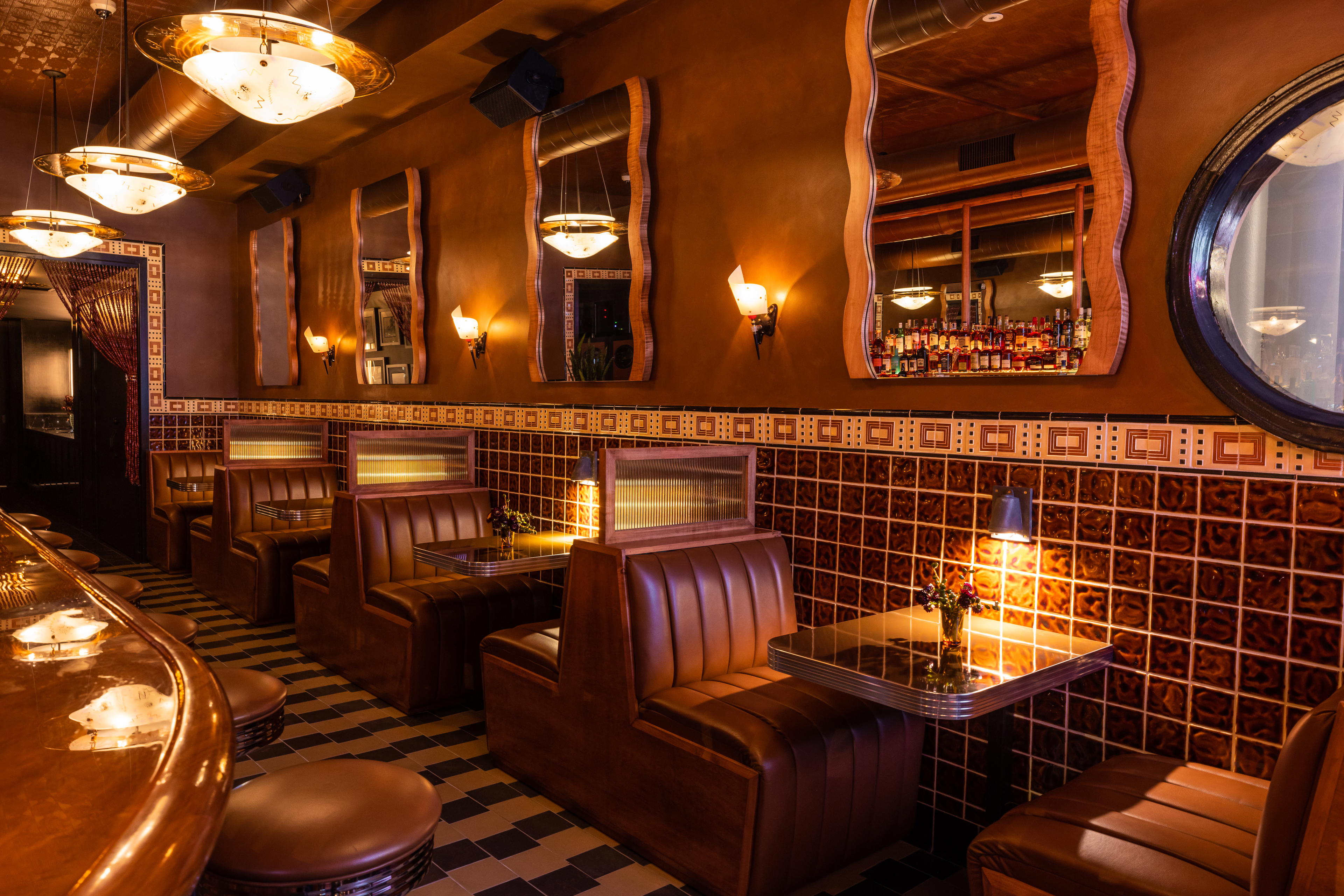
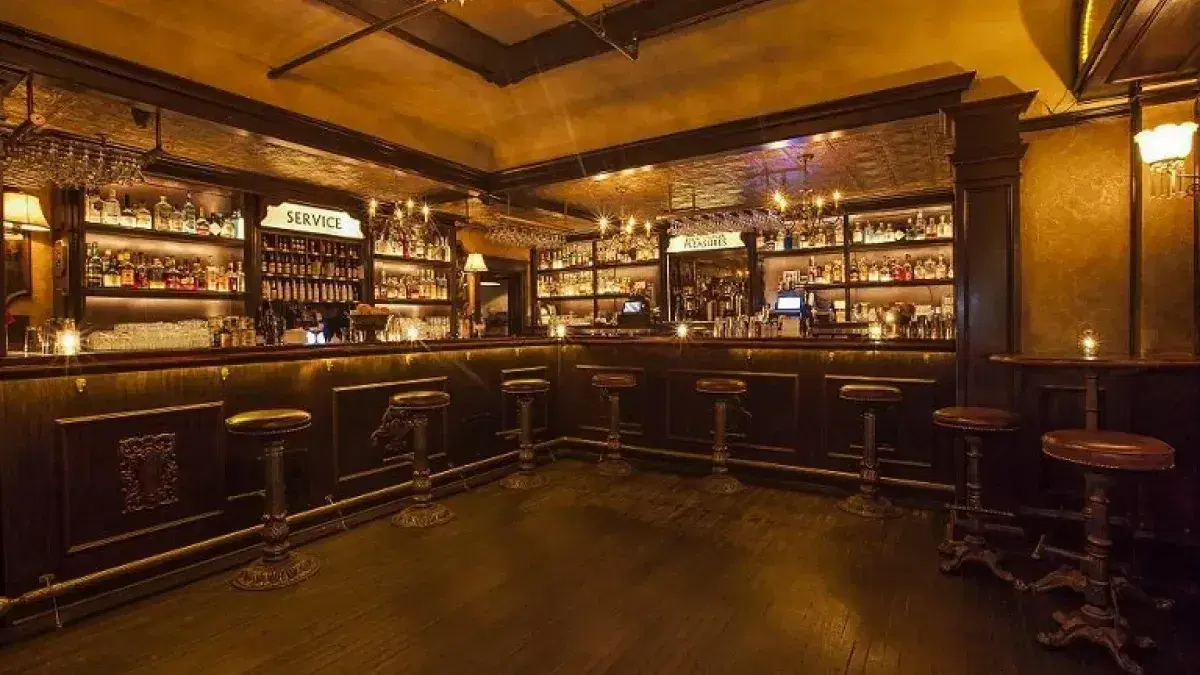
Hotels in Los Angeles
All hotels in Los Angeles →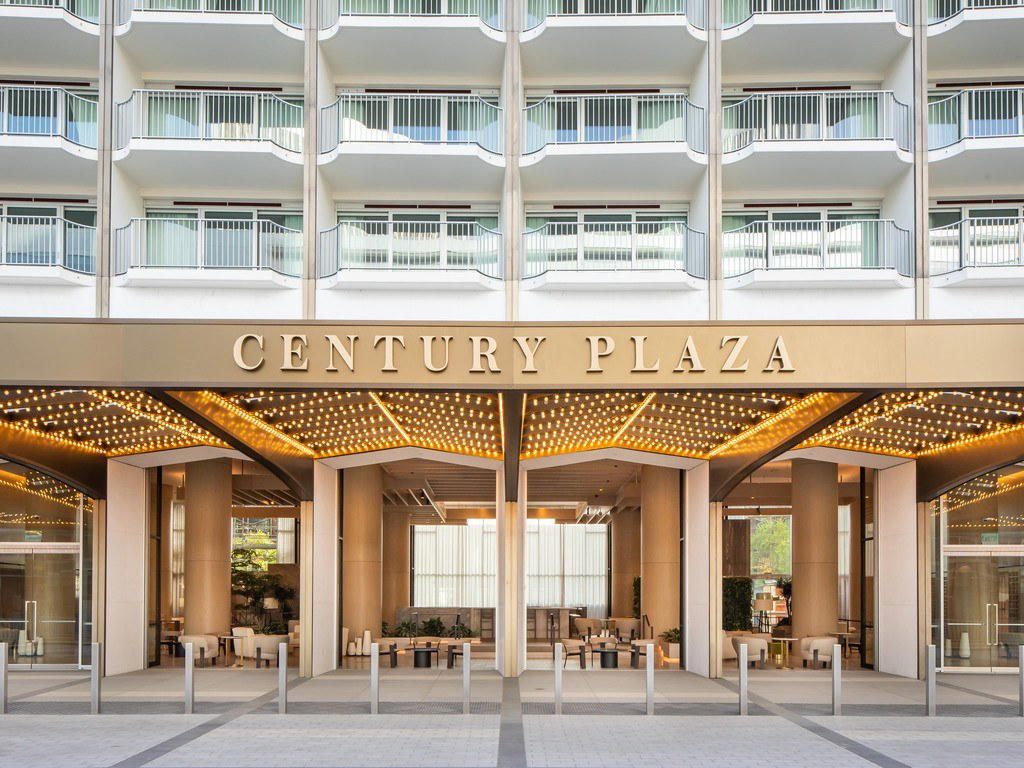
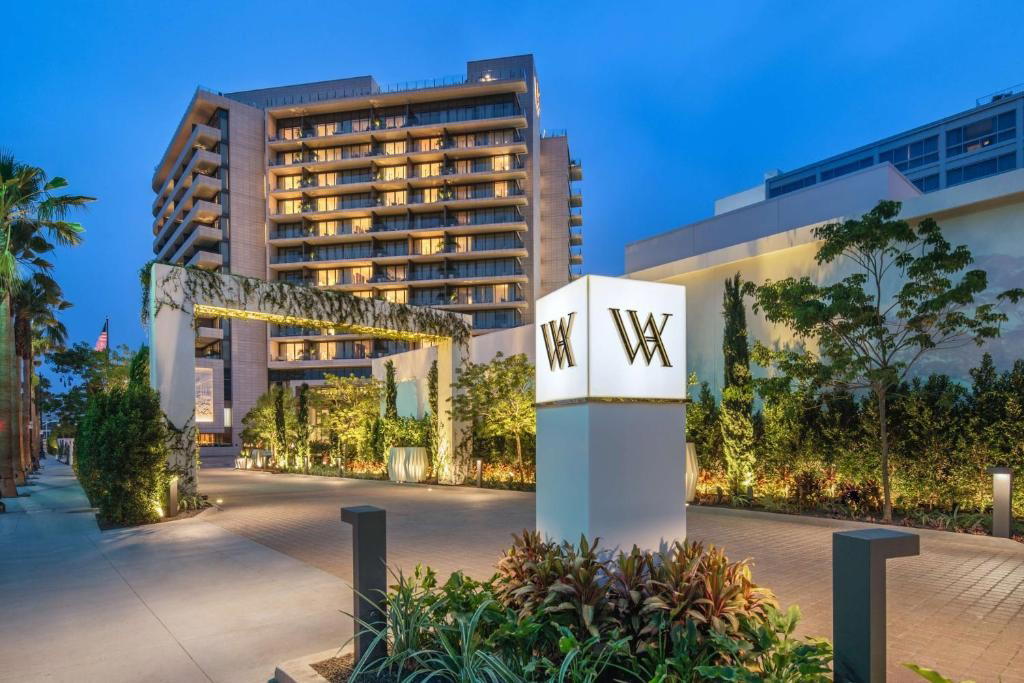
Wineries in Los Angeles
All wineries in Los Angeles →

Details
- Casual
- Casual Hangout
- Family
- Standalone
- Beer Program
- A La Carte
Current opening hours
- Monday
- 10:30 AM–5 PM
- Tuesday
- 10:30 AM–5 PM
- Wednesday
- 10:30 AM–5 PM
- Thursday
- 10:30 AM–5 PM
- Friday
- 10:30 AM–5 PM
- Saturday
- 10:30 AM–5 PM
- Sunday
- 10:30 AM–5 PM
Hours can change for holidays and private events. Hours as of .
Casual, family-friendly atmosphere with a focus on quick, fresh Asian dishes.