Schezwan Club
Los Angeles has a small but committed cohort of Indian-Chinese restaurants, and Schezwan Club occupies that niche with a menu built around the ma-la heat register that defines the cuisine's Kolkata-street origins. The kitchen works the line between Sichuan numbing spice and the vinegared chilli notes that Indian cooks layered onto Cantonese technique over decades of cross-cultural exchange.

Pearl is the En Primeur Club membership app — saves, bookings, and concierge access live there. Same editors, same standards.
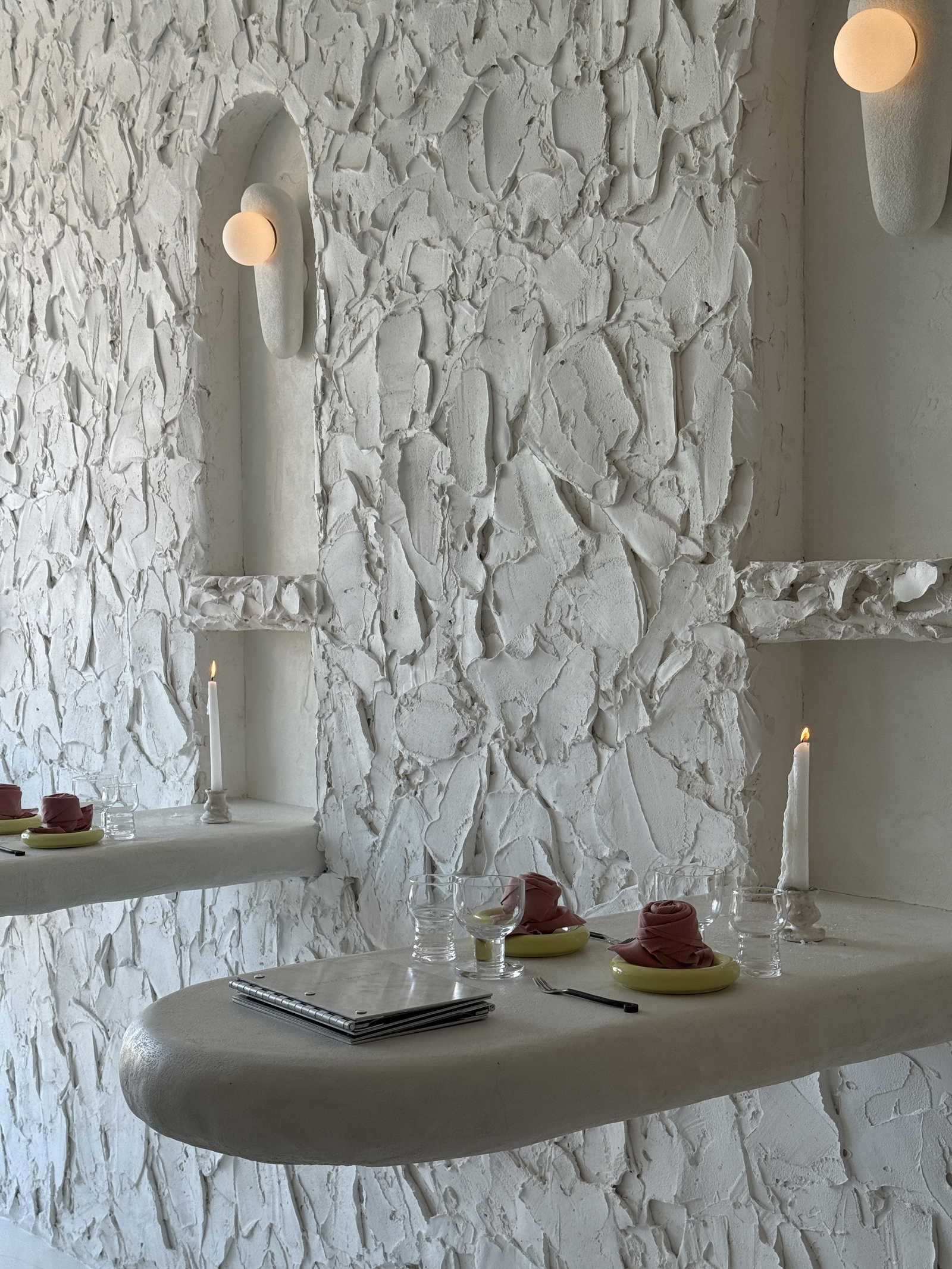
Where Two Spice Traditions Meet on a Single Plate
There is a particular kind of heat that defines Indian-Chinese cooking, and it is not the clean, direct burn of a fresh green chilli or the slow, building fire of a Sichuan doubanjiang alone. It is a layered thing: the ma-la numbing quality of Sichuan pepper sitting alongside the vinegared, dried-chilli notes that cooks in Kolkata's Tangra district grafted onto Cantonese technique over more than a century of immigrant exchange. That synthesis is the story of the cuisine, and Schezwan Club in Los Angeles brings it to a city whose Asian dining scene has historically privileged Japanese and Taiwanese registers over this particular subcontinental-Chinese hybrid.
The Ma-La Register in Indian-Chinese Cooking
Understanding what makes Schezwan Club's cuisine distinctive requires a short detour through culinary history. The Indian-Chinese tradition developed when Hakka Chinese immigrants settled in Calcutta in the nineteenth century and adapted their cooking to local ingredients, spice tolerances, and produce availability. The result was not a diluted Chinese food, nor a Chinese-inflected Indian food, but a third thing altogether: sauces thickened differently, heat pushed higher, and certain Sichuan techniques preserved while others were transformed beyond recognition. The "Schezwan" spelling itself is a marker of this tradition's Indianisation of the original "Sichuan."
The ma-la spectrum matters here because Indian-Chinese cooks tend to push the spicy end harder than the numbing end, producing dishes where chilli heat is prominent but the tingling anesthesia of Sichuan pepper is used as a seasoning accent rather than a dominant note. The result is a heat experience that is more insistent than a traditional Sichuan dish, layered with the sour-sweet notes that Indian cooking contributes. For diners whose reference point for Sichuan cooking is the Chengdu-lineage restaurants proliferating across American cities, the register here will read as related but distinct.
A Niche Cuisine in a City That Rewards Specificity
Los Angeles has enough population density and diaspora breadth to support genuine specialists in cuisines that would be invisible in most American cities. Indian-Chinese sits in that supported-niche category, with a Desi community large enough to have grown up eating the food and to seek it out with genuine reference points. Schezwan Club operates inside that community context while also drawing diners who arrive from adjacent curiosities, pulled in by the category rather than by nostalgia.
The broader Los Angeles dining scene has moved in a direction that rewards this kind of specificity. The city's high-end tier, represented by venues like Providence for seafood and Hayato for Japanese kaiseki, has demonstrated that hyper-focused technique and deep category knowledge attract serious diners. The same principle applies across the dining map: restaurants that know exactly what they are cooking and why tend to outperform generalist venues over time. Indian-Chinese specialists operate on that logic.
What the Kitchen Is Asked to Do
Indian-Chinese menus are built around a canon of dishes that any cook in the tradition would recognise: Manchurian preparations (cauliflower, chicken, or paneer tossed in a soy-chilli-ginger sauce with fried garlic), chilli-fried proteins with capsicums and onions, fried rice variants cooked at high heat with scrambled egg and soy, and noodle preparations ranging from wet hakka noodle to dry chow mein. The Schezwan variants of these dishes are the ones that push the chilli component hardest, and they represent the kitchen's real test: the sauce needs acid, sweetness, and heat in calibrated proportion, not just volume.
The cuisine also has a strong vegetarian tradition, reflecting its Indian context, and the vegetable Manchurian and paneer preparations sit on equal footing with the meat dishes in any serious kitchen cooking this food. This is worth noting for diners who approach the cuisine from a Chinese-food frame of reference and expect proteins to dominate the menu structure.
Peer Context and Where This Fits in the City
The restaurant operates in a different competitive register than the high-end Asian-fusion addresses. Somni and the molecular end of the spectrum, or the French-influenced tier represented by venues like Osteria Mozza in Italian, are not the comparison set. The relevant comparison is the ecosystem of South Asian and Chinese specialists across the city, where technique and generous portions matter more than room design or wine programs.
Nationally, the Indian-Chinese category has limited representation at the fine-dining tier. The cuisine has not gone through the same elevation cycle that Korean food has at venues like Atomix in New York, or that Taiwanese cooking is working through at places like Kato. That means the existing practitioners are mostly operating in a casual-to-mid register, which shapes what the restaurant can reasonably be compared against.
Planning Your Visit
Los Angeles is a driving city, and Indian-Chinese restaurants in the region tend to cluster in areas with strong South Asian residential and commercial density. Reservations are recommended, and visitors should confirm current hours before going. The cuisine travels well for delivery, but the fried preparations, particularly the Manchurian dishes and the chilli-fried proteins, are leading eaten immediately, before the coating softens.
A Credentials Check
Comparable venues nearby, for context on price, style, and recognition.
| Venue | Cuisine | Price | Notes |
|---|---|---|---|
| Schezwan ClubThis venue — the venue you are viewing | Indo-Chinese | $$ | Not listed |
| M Joy | Xinjiang-Style Lamb Rice | $$ | San Gabriel |
| Yang Chow | Mandarin & Szechuan Chinese | $$ | Chinatown |
| Antonio's Pizzeria and Italian Restaurant | Classic Italian Pizzeria | $$ | Sherman Oaks |
| San Antonio Winery | Traditional Italian Trattoria | $$ | Lincoln Heights |
| Araya's Place | Vegan Thai | $$ | Beverly Grove |
Continue exploring
More in Los Angeles
Restaurants in Los Angeles
Browse all →
Bars in Los Angeles
Browse all →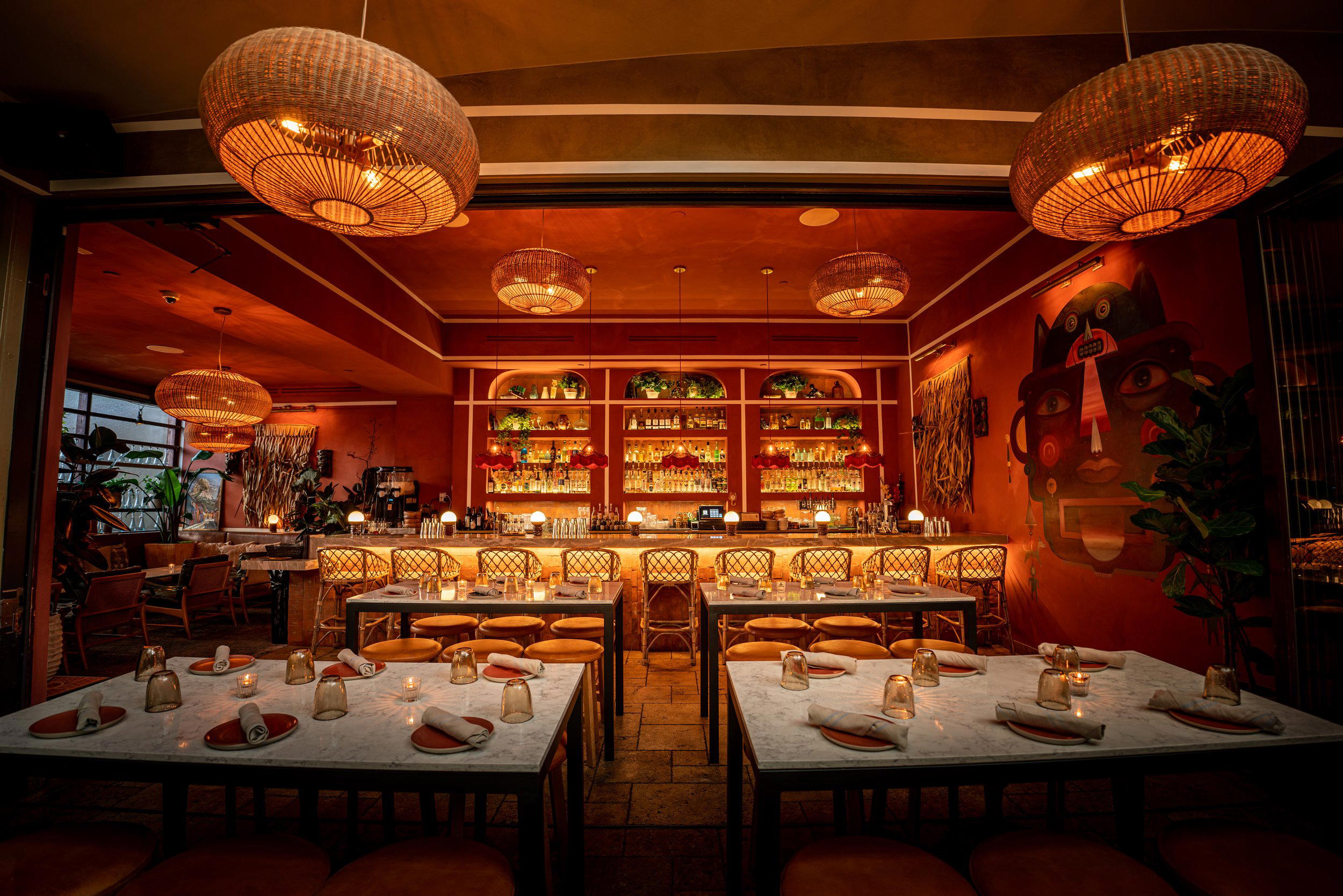
Hotels in Los Angeles
Browse all →
Wineries in Los Angeles
Browse all →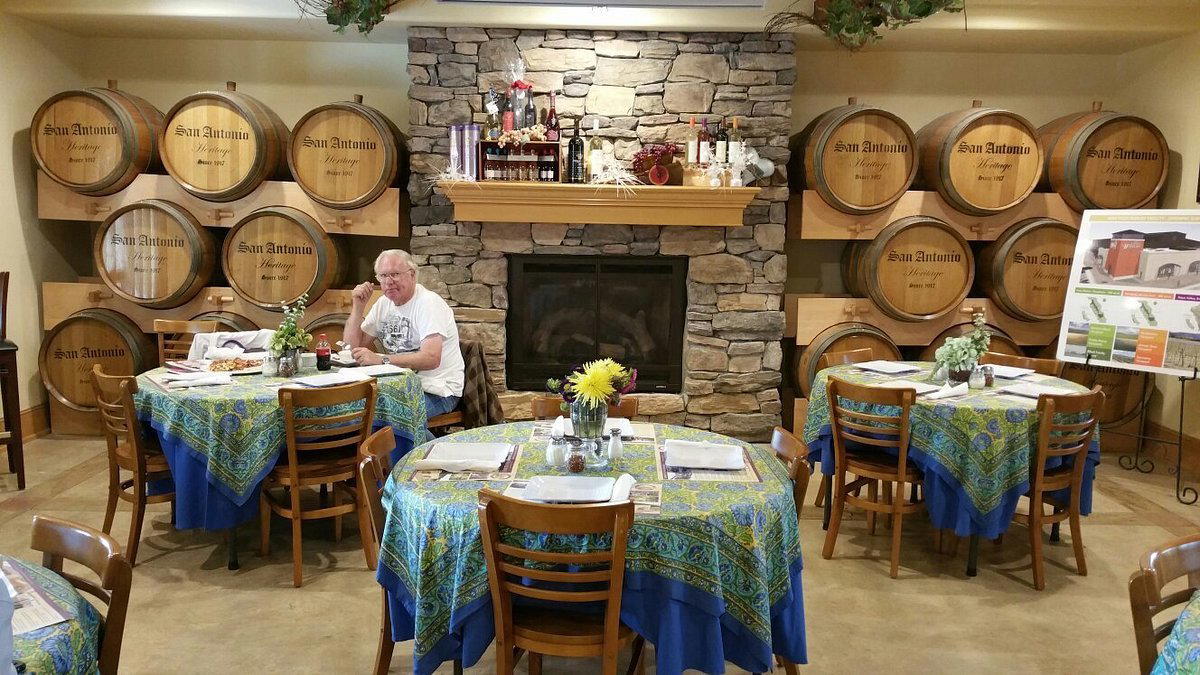
At a Glance
- Intimate
- Date Night
- Casual Hangout
- Craft Cocktails
Moody and intimate atmosphere with neon signage.