Hugo's
Hugo's sits on Santa Monica Boulevard in the heart of West Hollywood, drawing a neighborhood crowd that returns as much for the ritual of the meal as for the food itself. A long-standing presence on a stretch defined by casual energy and strong local loyalty, it occupies the kind of position that belongs to restaurants earning repeat visits rather than one-time reservations.
Pearl is the En Primeur Club membership app — saves, bookings, and concierge access live there. Same editors, same standards.
- Address
- 8401 Santa Monica Blvd, West Hollywood, CA 90069
- Phone
- +13236543993
- Website
- hugosrestaurant.com
- Directions
- Get directions
 Saves & bookings on Pearl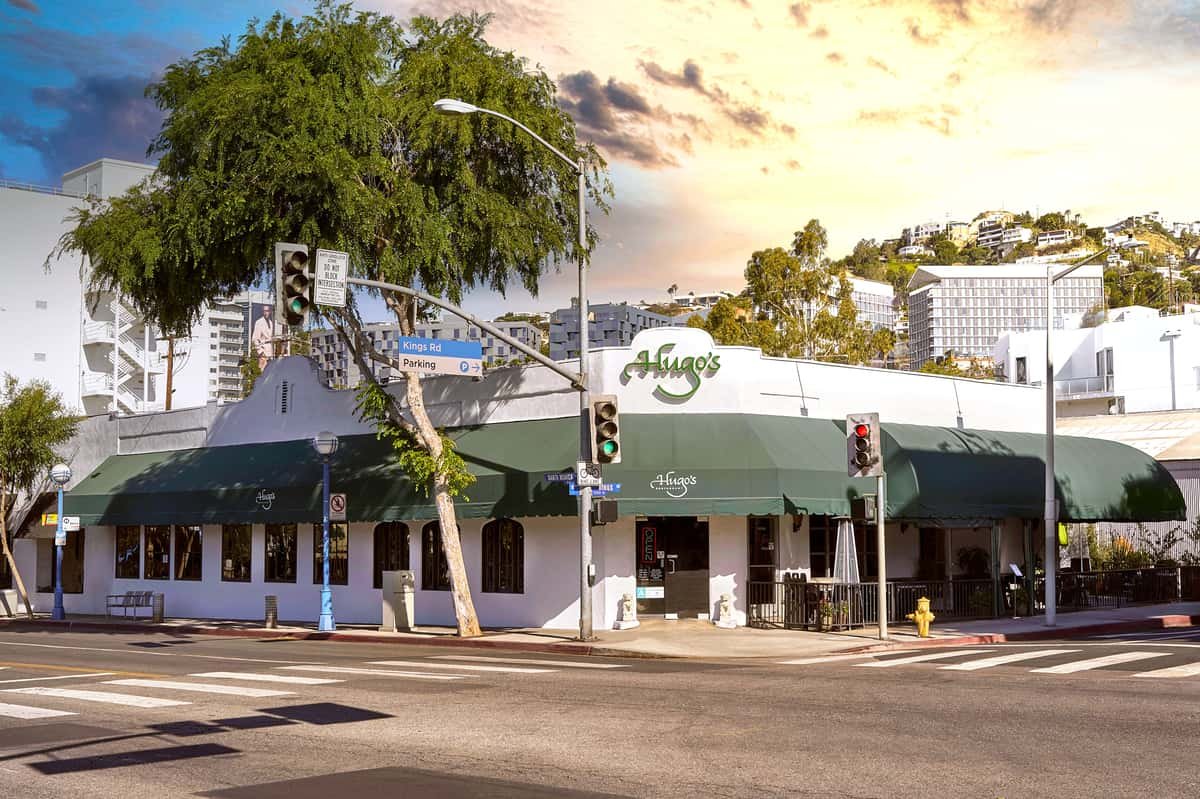
The Santa Monica Boulevard Rhythm
Santa Monica Boulevard through West Hollywood moves at a pace that most dining strips in Los Angeles do not. The foot traffic is purposeful, the regulars recognizable, and the restaurants that survive on this stretch tend to do so because they become part of how the neighborhood eats rather than how it performs. Hugo's, at 8401 Santa Monica Blvd, sits within that logic. The building and the block have the low-key legibility of a place that has figured out what it is and stopped trying to be anything else.
West Hollywood's dining character is worth understanding before framing any single address. The neighborhood runs a wide spectrum from fast-casual counters like Astro Burger to design-forward spaces such as Arden and wellness-coded all-day spots like Basix Cafe. Hugo's occupies a tier defined less by price signal or format spectacle and more by the expectation of a certain kind of meal: measured, familiar in the leading sense, and built around the assumption that the person across the table matters more than the room.
The Architecture of a Regular's Meal
The ritual dimension of dining at a neighborhood institution operates differently from the ritual at a tasting-menu counter or a buzzy opening. There are no theatrical plate arrivals, no printed narrative cards, no sommelier soliloquies timed to each course. The rhythm is set instead by how a room handles returning guests: whether the experience has enough structural consistency that a second or fifth visit feels like a return rather than a restart.
Hugo's functions in this mode. The meal here follows the logic of a place where the format is stable enough that regulars orient themselves within it without instruction. That kind of dining has its own etiquette: you arrive knowing roughly what you want, you let the room set the pace, and you leave having had a meal that did what it was supposed to do without requiring you to decode it first. In a city where many restaurants ask the diner to do significant interpretive work, that is a meaningful position to occupy.
For context on how the broader West Hollywood dining scene maps across formats and price points, the full West Hollywood restaurants guide covers the neighborhood's range from casual spots to more formal addresses including Boxwood and plant-forward destinations like Blushington.
Where Hugo's Sits in California's Wider Dining Conversation
California's dining culture has spent the last decade fragmenting into increasingly specialized sub-categories. At one end, destination restaurants operating at the level of The French Laundry in Napa or Single Thread Farm in Healdsburg demand advance planning, commitment, and a particular kind of attention from the diner. Providence in Los Angeles occupies a similar tier within the city itself. At the other end, the neighborhood restaurant has remained a distinct and necessary category: a place whose value is proximity, familiarity, and the absence of friction.
Hugo's belongs to that second category. It does not compete with the formal tasting rooms or with the kind of technically ambitious cooking found at Lazy Bear in San Francisco or Alinea in Chicago. Its comparable set is closer to the reliable neighborhood anchor than to the destination occasion. That is not a limitation; it is a different kind of competence, and one that is harder to sustain over time than a single ambitious opening.
Nationally, the restaurants that tend to endure in the neighborhood-anchor tier share certain traits: consistent kitchen output, a dining room that functions without high staff turnover, and a menu that evolves slowly enough that regulars feel oriented but not bored. Comparing that model to the commitment required by operators like Blue Hill at Stone Barns in Tarrytown or The Inn at Little Washington clarifies how different the operating logic is, and why both categories matter to a complete dining culture.
The West Hollywood Context for This Kind of Eating
West Hollywood's neighborhood restaurants operate under specific pressures that restaurants in lower-density parts of Los Angeles do not face in the same way. Foot traffic is higher, the resident population is dense and has options, and the competition for regular custom is constant. A block away from Hugo's, any given evening might pull the same diner toward a dozen viable alternatives including Laurel Hardware or plant-focused destinations like Gracias Madre.
Surviving in that environment over multiple years requires something more durable than a good opening. It requires the kind of operational consistency that produces repeat visitors rather than relying on first-timers drawn by novelty. The restaurants on this stretch that have built genuine local loyalty tend to share a quality that is difficult to manufacture: they feel like they belong to the neighborhood rather than having been placed within it.
The broader Los Angeles dining scene that Hugo's operates within includes restaurants of considerable national and international standing. Addison in San Diego and Atomix in New York City represent the kind of technical and curatorial ambition that defines one end of American fine dining. Internationally, restaurants like Le Bernardin in New York City, Emeril's in New Orleans, and 8 1/2 Otto e Mezzo Bombana in Hong Kong define what sustained culinary ambition looks like across decades. Hugo's operates in a different register entirely, but the register is no less necessary.
Planning a Visit
Hugo's is located at 8401 Santa Monica Blvd in West Hollywood, a direct address on one of the neighborhood's main commercial arteries with public street access and the usual West Hollywood parking options nearby.
Where It Fits
Comparable venues nearby, for context on price, style, and recognition.
| Venue | Cuisine | Price | Notes |
|---|---|---|---|
| Hugo'sThis venue — the venue you are viewing | Modern California Cafe | $$ | Not listed |
| Laurel Hardware | New American Farm-to-Table | $$$ | West Hollywood |
| Le Petit Four | French Bistro | $$ | West Hollywood |
| Night + Market Weho | Dining | $$ | West Hollywood |
| JOE & THE JUICE | Healthy American Cafe | $ | West Hollywood |
| Astro Burger | Classic American Burgers | $ | West Hollywood |
Continue exploring
More in West Hollywood
Restaurants in West Hollywood
Browse all →
Bars in West Hollywood
Browse all →
Hotels in West Hollywood
Browse all →
Wineries in West Hollywood
Browse all →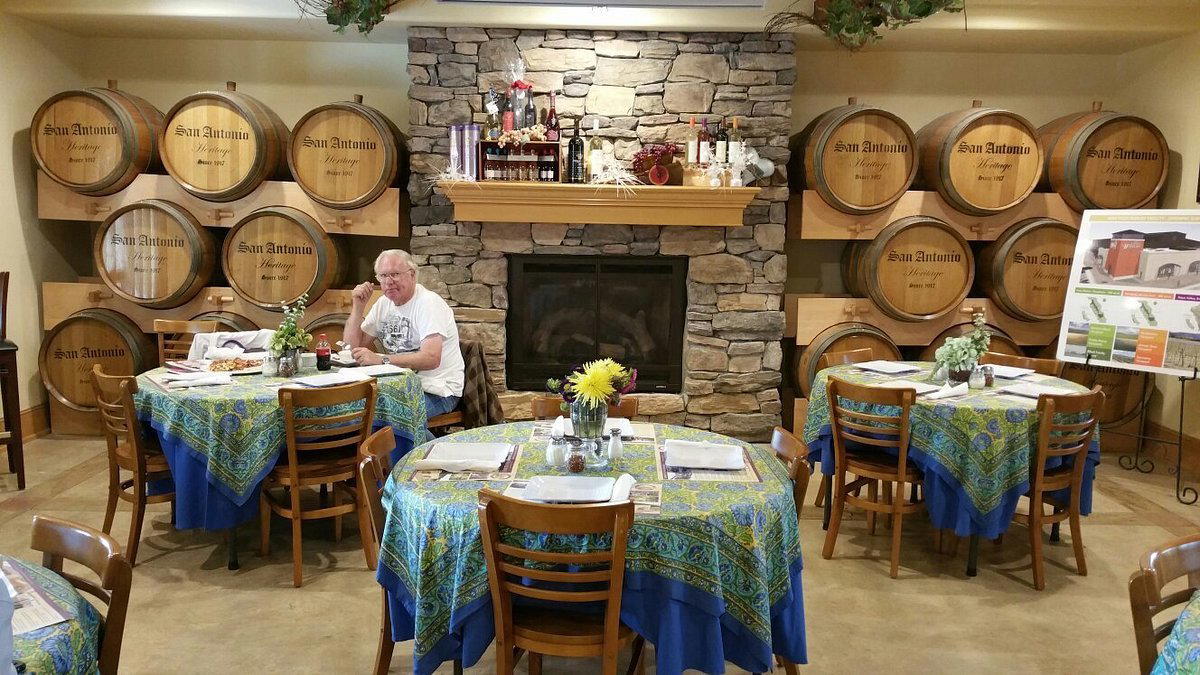
At a Glance
- Cozy
- Classic
- Brunch
- Family
- Casual Hangout
- Terrace
- Organic
Current opening hours
- Monday
- 8 AM–9 PM
- Tuesday
- 8 AM–9 PM
- Wednesday
- 8 AM–9 PM
- Thursday
- 8 AM–9 PM
- Friday
- 8 AM–9 PM
- Saturday
- 8 AM–9 PM
- Sunday
- 8 AM–9 PM
Hours can change for holidays and private events. Last verified .
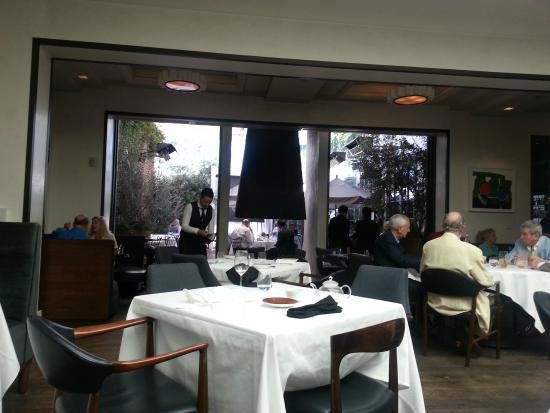
Warm, clean atmosphere with a chill vibe, featuring indoor and sheltered outdoor patio seating.