Arden
On Santa Monica Boulevard in West Hollywood, Arden occupies the more considered end of a dining strip where sourcing credentials and environmental intent now carry as much weight as kitchen pedigree. Positioned against a neighbourhood field that runs from casual all-day cafes to destination-level tasting menus, Arden reads as a restaurant where the supply chain is as deliberate as the plate.
Pearl is the En Primeur Club membership app — saves, bookings, and concierge access live there. Same editors, same standards.
- Address
- 8289 Santa Monica Blvd, West Hollywood, CA 90046
- Phone
- +12134863339
- Website
- ardenweho.com
- Directions
- Get directions
 Saves & bookings on Pearl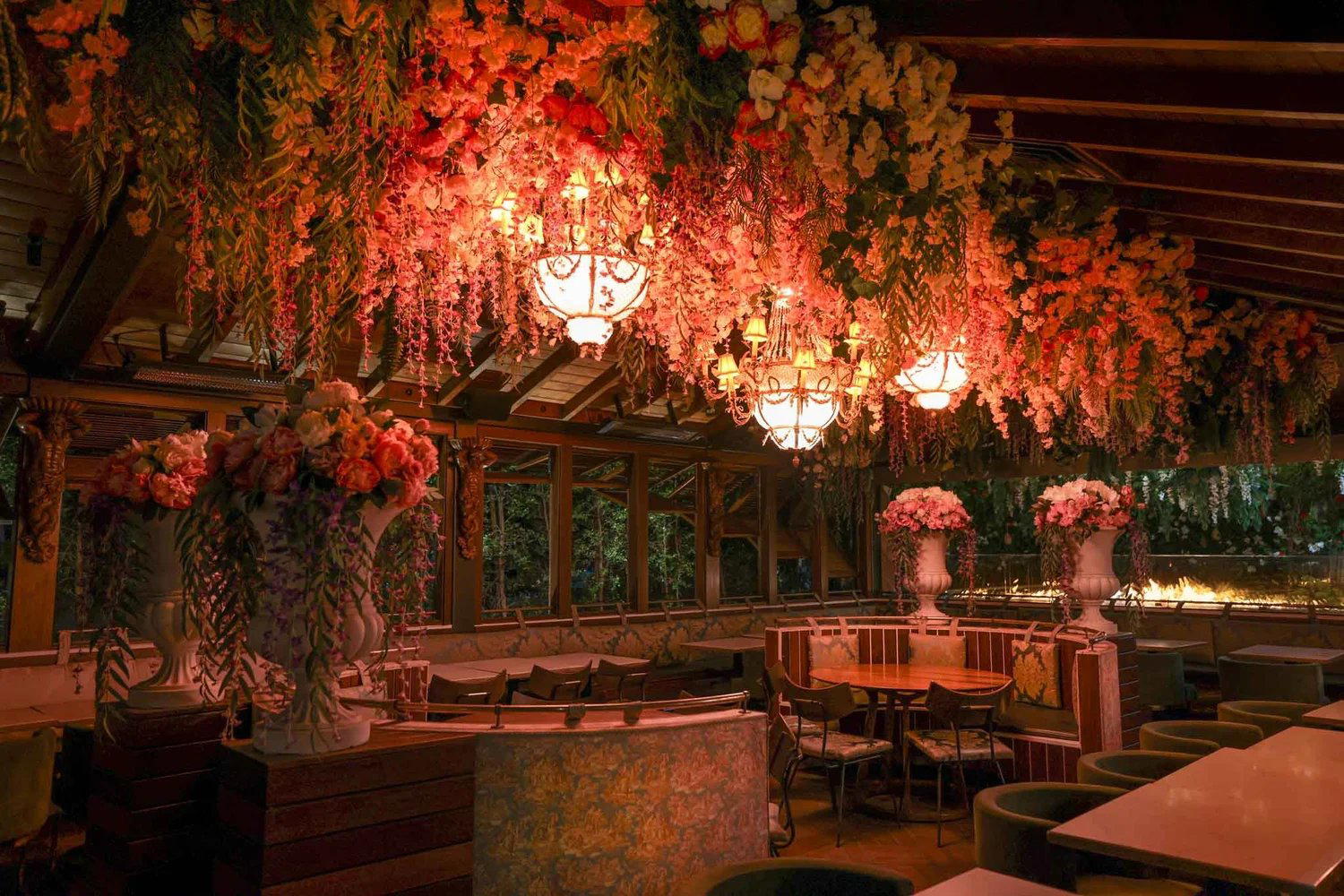
Santa Monica Boulevard and the Shift Toward Accountable Dining
West Hollywood's dining corridor along Santa Monica Boulevard has always reflected the city's appetite for reinvention. What has changed in recent years is the axis of reinvention: the conversation has moved from format novelty toward sourcing transparency and environmental intent. Across American restaurant culture, the operations that have attracted sustained critical attention — from Blue Hill at Stone Barns in Tarrytown to Single Thread Farm in Healdsburg — have made the supply chain legible to the guest. Arden, at 8289 Santa Monica Blvd, enters that conversation from a West Hollywood address that puts it in proximity to a neighbourhood accustomed to reading menus carefully.
The strip itself positions Arden against a varied competitive field. Casual all-day spots like Basix Cafe and Astro Burger anchor one end of the spectrum. Destination-level tasting formats occupy the other. Arden's particular register within that range is shaped less by price tier alone, data on pricing is not currently confirmed, and more by the sensibility it brings to the question of where ingredients come from and how waste is handled.
What Sustainability Actually Means at This Level of the Market
The word sustainability has been sufficiently overused in American restaurant marketing that it has nearly lost descriptive value. The operations that carry the term with any credibility tend to demonstrate it through structure rather than statement: procurement relationships with named farms, kitchen protocols around whole-animal or whole-vegetable utilisation, composting programs integrated into daily operations, and beverage programs that reflect similar sourcing logic. In California, the regulatory and agricultural conditions for this kind of practice are genuinely favorable. The state's produce density, its proximity to responsible fishing operations along the Pacific coast, and its cluster of biodynamic and organic wine producers create a supply infrastructure that serious operators can build around.
Restaurants that have made this framework central to their identity, and made it hold up under scrutiny, tend to command a specific kind of guest loyalty. Smyth in Chicago runs its own farm operation. Lazy Bear in San Francisco has built a communal-table format around California seasonal produce with documented sourcing depth. Providence in Los Angeles has held Michelin recognition partly on the strength of its sustainable seafood commitments, which are among the most documented of any California restaurant. These are the peer references against which a sustainability-forward operation in the greater LA area is implicitly measured.
The West Hollywood Context: A Neighbourhood That Reads Labels
West Hollywood's dining guest tends to be more ingredient-literate than the average urban diner. The neighbourhood's demographic reality, high concentration of wellness-adjacent industries, proximity to the entertainment sector's creative class, a long-established LGBTQ+ community with strong independent business culture, produces a guest who treats sourcing claims as a baseline expectation rather than a differentiator. That makes the credibility of an environmental commitment harder to fake and more valuable when it holds up.
The surrounding block reinforces this reading. Wellness and personal care businesses like Blushington and Andy LeCompte Salon occupy the same retail corridor, and the shared customer base between personal care and accountable dining is well-documented in urban consumer research. A restaurant that positions on environmental values in this specific block is making a coherent bet on its immediate market.
Placing Arden in a Wider Sustainability Tier
Across the United States, the restaurants that have built the most durable reputations around environmental practice share a few structural traits. They tend to be chef-driven rather than group-operated, which allows for faster iteration on sourcing decisions. They maintain direct relationships with producers rather than working through broadline distributors. And they communicate those relationships through menu language and staff knowledge rather than through marketing copy alone.
At the national level, operations like The French Laundry in Napa and Le Bernardin in New York City have embedded sourcing discipline into their kitchen culture at a level that shapes everything from prep protocols to plate composition. In Europe, Atelier Moessmer Norbert Niederkofler in Brunico has made Alpine regional sourcing the structural premise of the entire menu, with ingredient provenance documented to a degree unusual even at three-star level. These are not direct competitive comparisons for a West Hollywood restaurant, but they define the framework of ambition within which sustainability-forward dining is now evaluated.
Closer to home, Addison in San Diego and Atomix in New York City represent the tier of American fine dining where sourcing philosophy and kitchen technique are treated as equally weighted. Emeril's in New Orleans established early precedent for making regional sourcing a public-facing identity in American restaurants. The Inn at Little Washington in Washington has operated a kitchen garden for decades. The infrastructure for this kind of practice is not new; what is new is the expectation that it be transparent and verifiable.
Practical Notes for Planning a Visit
Arden sits at 8289 Santa Monica Blvd in West Hollywood, accessible by car with street and lot parking typical of this stretch of the boulevard. For a neighbourhood dining corridor that includes both walk-in casual formats and reservation-required destination restaurants, Arden's specific booking requirements and service hours are best confirmed directly with the venue before planning, as published details are limited at this time. The surrounding block offers pre- or post-dinner options across several categories, and our full West Hollywood restaurants guide maps the neighbourhood's broader dining and drinking options with neighbourhood-level specificity. For those comparing options along the Santa Monica corridor, Boxwood represents a different register on the same stretch.
Continue exploring
More in West Hollywood
Restaurants in West Hollywood
Browse all →
Bars in West Hollywood
Browse all →

Hotels in West Hollywood
Browse all →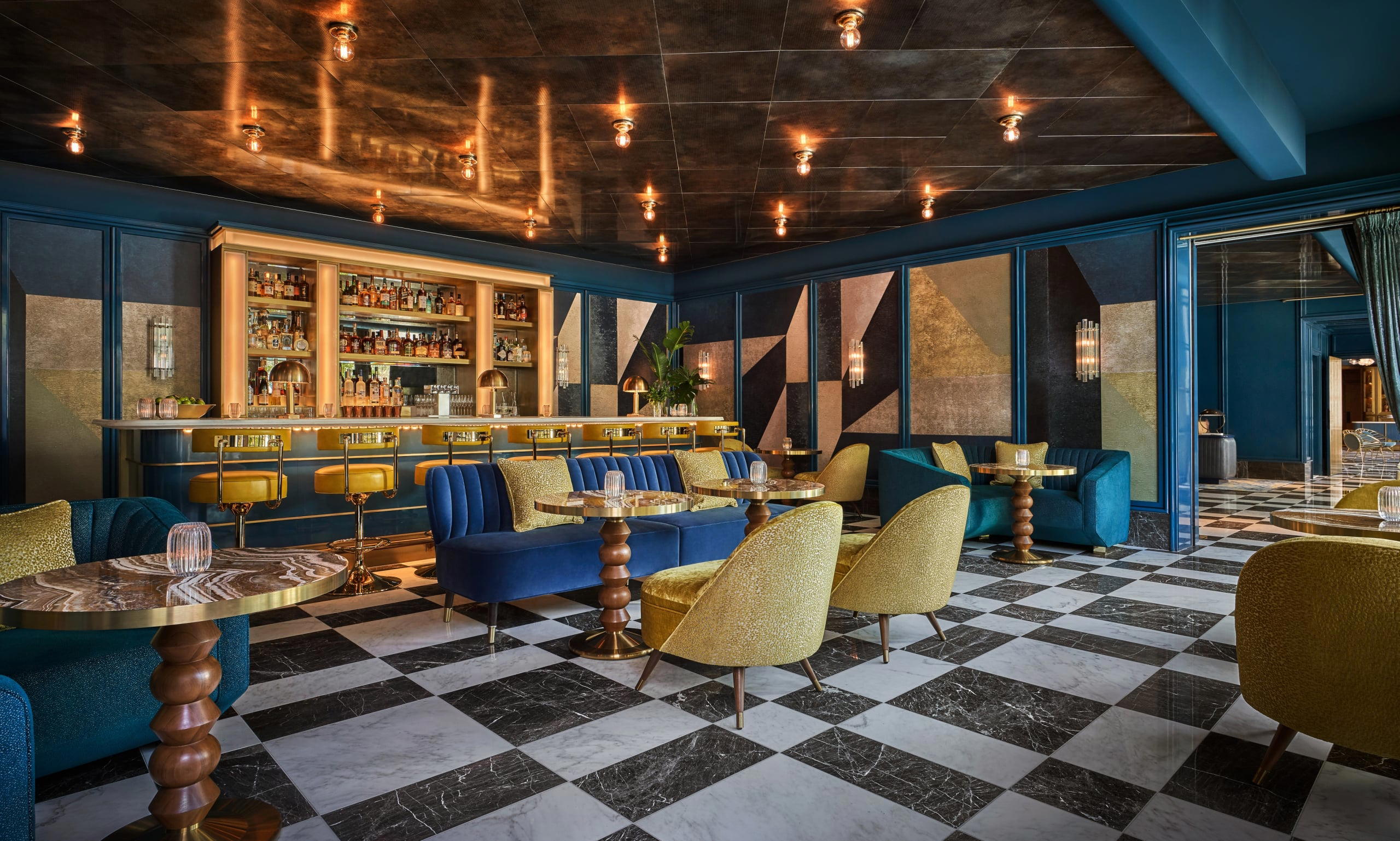
Wineries in West Hollywood
Browse all →
At a Glance
- Trendy
- Elegant
- Romantic
- Cozy
- Modern
- Intimate
- Date Night
- Brunch
- Special Occasion
- Garden
- Terrace
- Craft Cocktails
- Farm To Table
- Garden
Current opening hours
- Monday
- Closed
- Tuesday
- Closed
- Wednesday
- 6–9:30 PM
- Thursday
- 6–9:30 PM
- Friday
- 10:30 AM–3 PM, 6–10:30 PM
- Saturday
- 10:30 AM–3 PM, 6–10:30 PM
- Sunday
- 10:30 AM–3 PM, 5:30–9:30 PM
Hours can change for holidays and private events. Last verified .
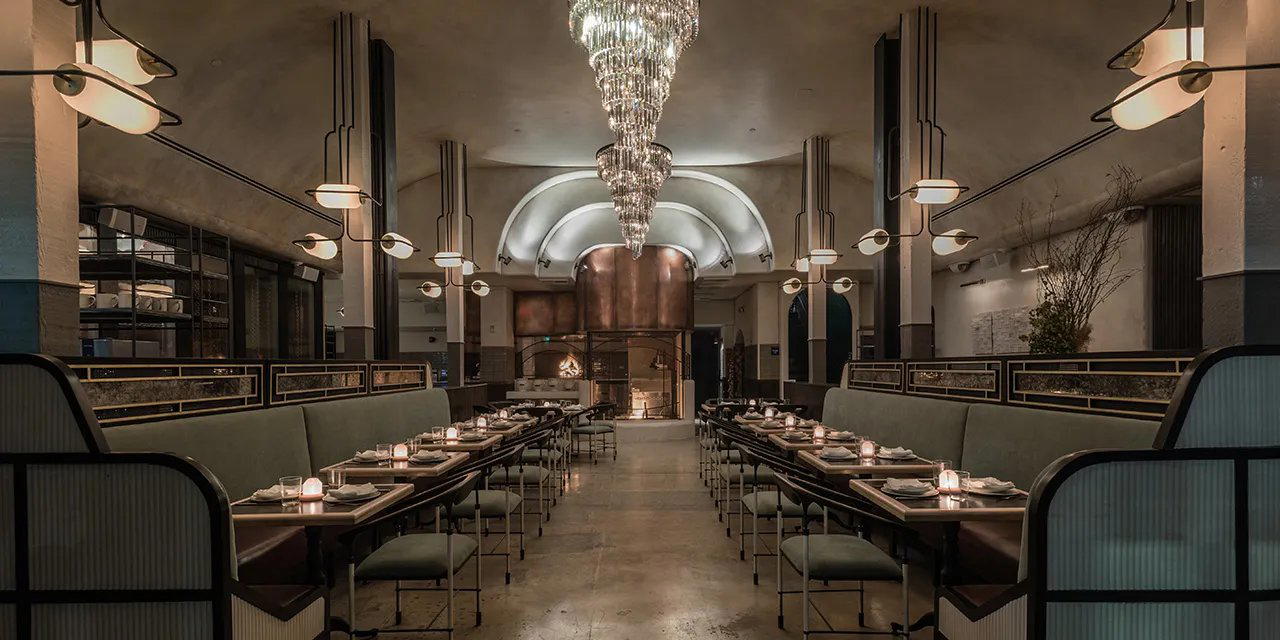
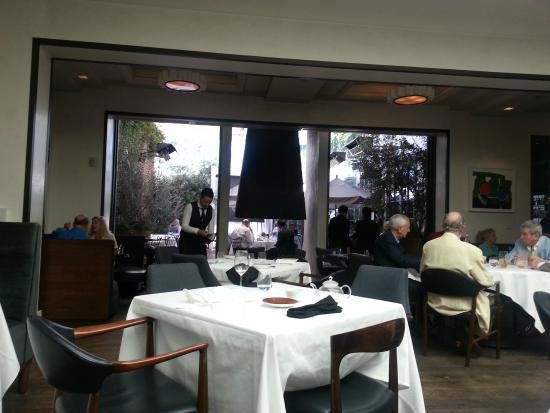
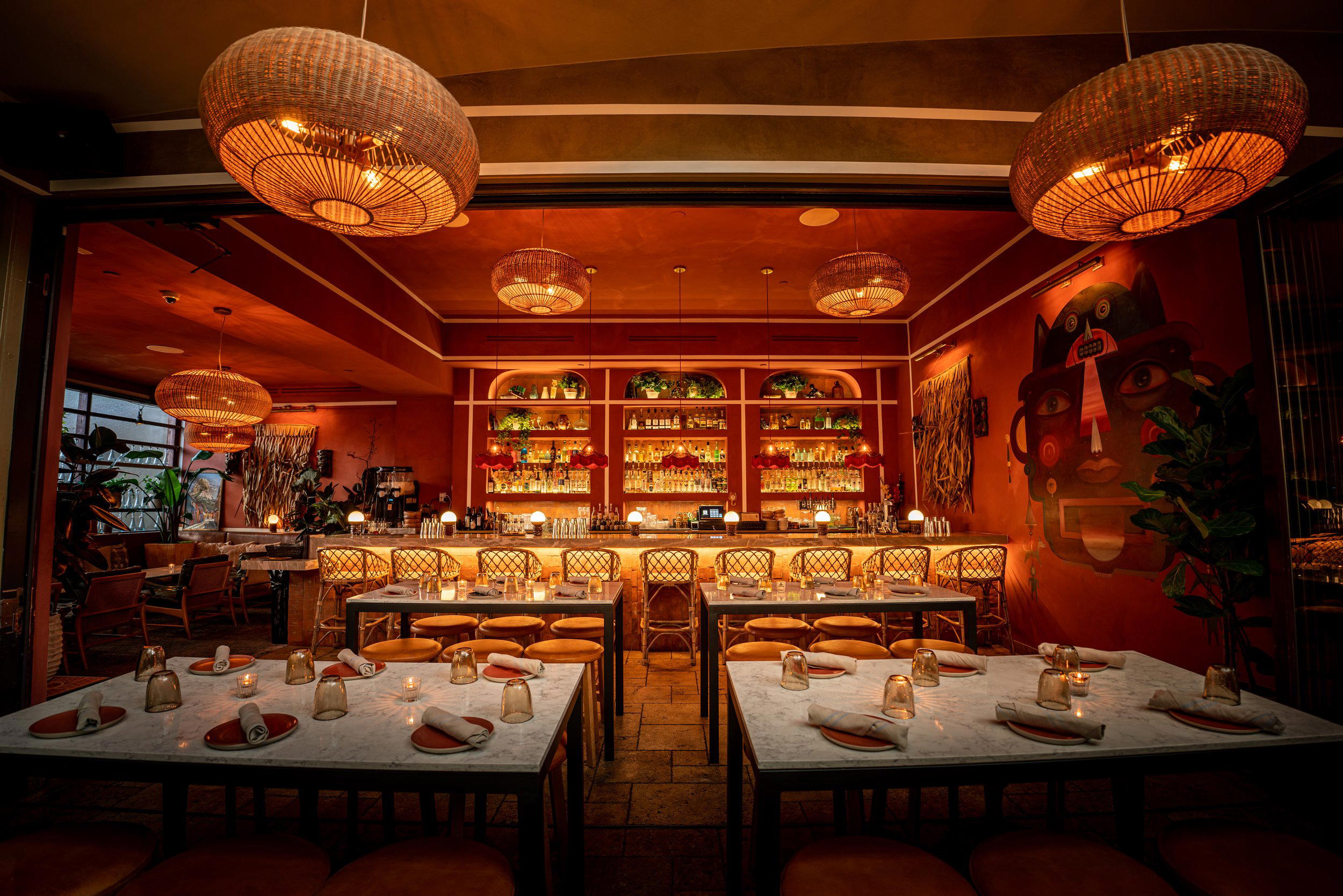
Modern feminine chic with soft dim lighting, earthy tones, potted plants, big bouquets, and wooden accents creating an intimate, romantic, and festive atmosphere.
Know Before You Go
- Getting there
- 8289 Santa Monica Blvd, West Hollywood, CA 90046