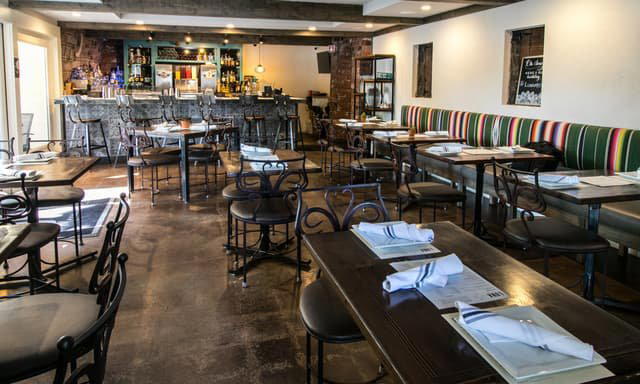
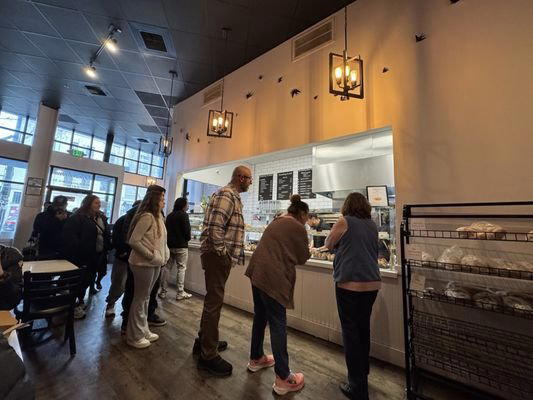
Hue Restaurant
Our verdict
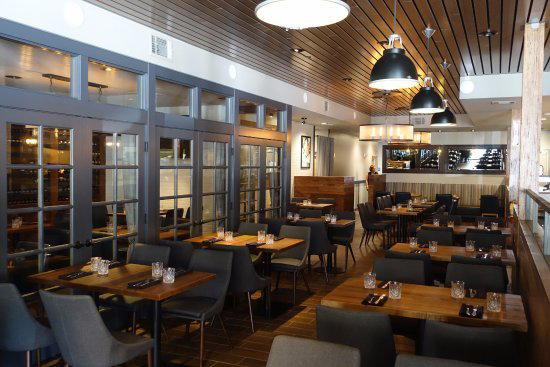
Hue Restaurant occupies a suite address on Silver Creek Road in the Evergreen district of San Jose, operating within a part of the city where Vietnamese-inflected dining anchors much of the neighbourhood's food identity. The space sits in a commercial corridor that rewards those who understand the local dining geography, and it draws a regular crowd from the surrounding community.

Pearl is the En Primeur Club membership app — saves, bookings, and concierge access live there. Same editors, same standards.
- Address
- 3005 Silver Creek Rd STE 190, San Jose, CA 95121
- Phone
- (408) 223-1021
- Hours
- Mon–Thu 10 AM–8:30 PMFri–Sat 10 AM–9 PMSun 10 AM–8:30 PM
- Website
- hue-restaurant.com
- Directions
- Get directions
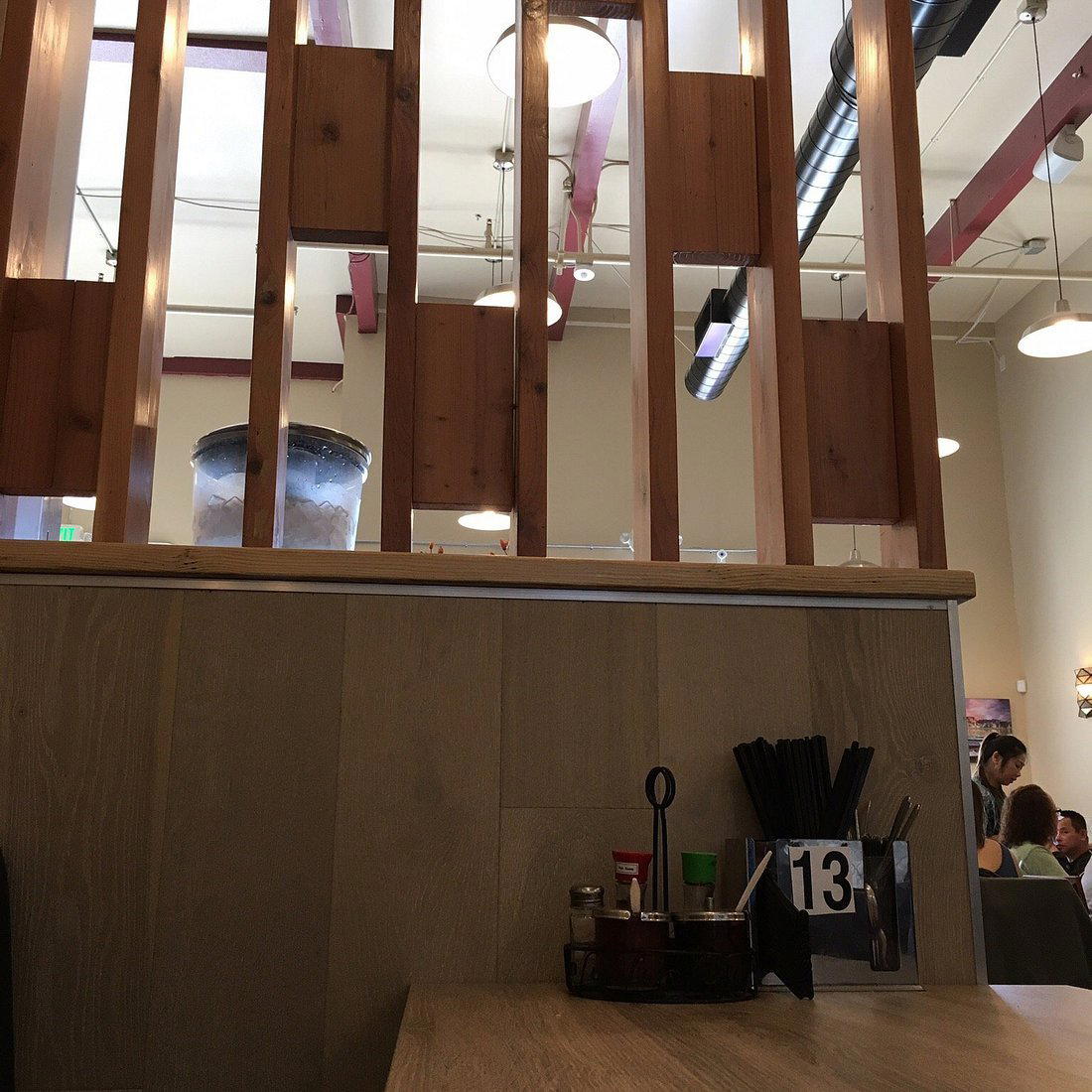
Silver Creek and the Broader Evergreen Dining Scene
San Jose's Evergreen district does not generate the same editorial attention as downtown's tasting-menu corridor or the Portuguese-forward kitchens of the Ironhorse neighbourhood, yet it sustains some of the city's most consistent community dining. The Silver Creek Road stretch, where Hue Restaurant occupies suite 190 at number 3005, is representative of this pattern: a commercial strip that functions less as a destination for visiting critics and more as a working dining ecosystem for the surrounding residential areas. Vietnamese, pan-Asian, and Southeast Asian kitchens dominate the price range here, and they do so with a directness that the city's higher-profile venues rarely attempt.
This is relevant context for anyone assessing Hue Restaurant. The venue is not positioned against the formal Portuguese precision of Adega (Portuguese) in downtown San Jose, nor does it operate in the casual Mexican register of a place like Back A Yard Caribbean Grill. Its competitive set is the neighborhood itself: the kitchens within a few blocks that serve a community with genuine culinary expectations shaped by proximity to one of the largest Vietnamese-American populations in the United States.
A Neighbourhood Frame, Not a Destination Pitch
San Jose's dining geography has a structure that visitors rarely decode on a first trip. The downtown core holds venues oriented toward expense-account meals and special occasions — places like Augustine and Alma de Amón that have invested in room design and curated wine programs. The outer districts, including Evergreen, operate on a different logic: regulars return multiple times a month, menus hold steady across seasons, and the kitchen's relationship with its dining room is built over years rather than via reservation platforms.
Hue Restaurant fits that second model. The address itself signals the audience: a suite in a strip-adjacent complex on a road that serves commuters and families rather than hotel guests or conference-weekend visitors. That is not a criticism — some of the most technically sound cooking in any American city happens in precisely these settings, away from the overhead costs that force downtown kitchens toward tasting-menu pricing and theatrical plating. It is, however, a framing device.
Team Dynamics in Neighbourhood Restaurants
The editorial angle of team collaboration, the interplay between kitchen leadership, floor service, and any beverage program, reads differently at this price tier and address type than it does at the kind of multi-department operations running at Le Bernardin in New York City or Alinea in Chicago. At neighbourhood-scale Vietnamese and pan-Asian restaurants in San Jose's Evergreen corridor, the team dynamic is often compressed: fewer staff covering more roles, kitchen and floor communication happening informally across a smaller physical space, and the beverage program limited to beer, house wine, and perhaps a focused list of Vietnamese iced coffee preparations and fresh juices.
This compression is not a weakness. It is one of the structural reasons why neighbourhood restaurants in dense immigrant-community corridors can price below downtown competitors while maintaining high consistency. The absence of a separate sommelier function, the lean floor team, and the kitchen's direct relationship with regular guests all reduce friction in the service model. For context, Vietnamese restaurant operations in California's South Bay have sustained some of the country's most reliable pho, banh mi, and regional specialty cooking precisely because this economic model allows for lower margins on protein-heavy dishes that would otherwise be unsustainable at fine-dining price points.
What distinguishes better-run operations in this tier from average ones is usually the degree of alignment between kitchen output and floor communication. When a kitchen is producing dishes that require some explanation, regional Vietnamese preparations less familiar to non-specialist diners, for instance, the floor team's ability to contextualize without condescending becomes the invisible service variable. That alignment, when it exists, is the neighbourhood equivalent of the chef-sommelier dialogue that draws so much attention at venues like Atomix in New York City or Providence in Los Angeles.
How Hue Fits the San Jose Vietnamese Dining Map
San Jose holds one of the highest concentrations of Vietnamese restaurants per capita of any American city outside of Houston and the Virginia suburbs of Washington D.C. The competition within the Evergreen district alone is substantial, and restaurants that survive beyond their first two years in this environment do so through a combination of kitchen consistency, family-scale operational efficiency, and genuine repeat custom rather than review-driven discovery cycles. That survival filter is, in its own way, a form of editorial signal.
For a broader picture of where Hue sits within the full spectrum of San Jose dining, from the street-level to the tasting-counter, the full San Jose restaurants guide provides neighbourhood-by-neighbourhood coverage. Other venues worth cross-referencing for a sense of the city's range include Antipastos by DeRose and the Ethiopian kitchen at Alma de Amón, both of which illustrate how San Jose's immigrant-community dining operates at different price points and with distinct service logics.
Nationally, the farm-to-service integration model at Blue Hill at Stone Barns in Tarrytown and the kitchen-floor philosophy at The Inn at Little Washington represent the opposite end of the team-collaboration spectrum, operations where the chef-sommelier-service triad is the explicit editorial subject. Hue operates in a register where that triad collapses into something smaller and more immediate, but the underlying principle, that kitchen output and floor delivery need to move together, applies at every price point.
Planning Your Visit
Hue Restaurant is located at 3005 Silver Creek Road, Suite 190, San Jose, CA 95121, in the Evergreen district in the city's southeast quadrant. The Silver Creek corridor is car-accessible and has standard strip-commercial parking. Current contact details, hours, and booking arrangements are best confirmed directly with the venue before visiting, as operating schedules at this tier can shift without advance notice to third-party platforms. For comparison venues operating at a higher information density, confirmed hours, online reservations, and published menus, the San Jose guide above provides a structured starting point.
Frequently asked questions
Where exactly is Hue Restaurant?
Hue Restaurant is located at 3005 Silver Creek Rd STE 190, San Jose, CA 95121, San Jose.
Is Hue Restaurant in San Jose connected to central Vietnamese cuisine rather than the broader Vietnamese-American mainstream?
The name Hue directly references the central Vietnamese city that produced a distinct culinary tradition separate from the southern Vietnamese cooking dominant in most American Vietnamese restaurants. In San Jose, which holds one of the highest per-capita concentrations of Vietnamese restaurants of any U.S. city outside Houston and the Virginia suburbs of Washington D.C. restaurants that signal a regional central Vietnamese identity occupy a specific and less crowded part of that market. Whether the menu at this Evergreen location reflects that heritage fully or partially is best confirmed by visiting at 3005 Silver Creek Road, Suite 190, CA 95121.
What's the best thing to order at Hue Restaurant?
Given that San Jose's Evergreen district hosts a concentration of Vietnamese restaurants drawing on both northern and southern Vietnamese traditions, a practical approach is to ask staff directly which dishes represent the kitchen's focus on arrival at 3005 Silver Creek Road. Regional Vietnamese menus in this corridor typically centre on pho, bun bo Hue, and rice plate combinations.
How hard is it to get a table at Hue Restaurant?
Hue Restaurant operates in the Silver Creek Road retail corridor in San Jose's Evergreen district, a neighbourhood format that generally runs on a walk-in basis rather than advance reservations. Suite 190 at 3005 Silver Creek Road is accessible by car with surrounding parking typical of the area's strip-mall layout. Peak lunch and weekend dinner hours at Vietnamese restaurants in this part of San Jose can generate waits, so arriving early or at off-peak times is the practical move.
What's the signature at Hue Restaurant?
The restaurant's name references Hue, the former imperial capital of central Vietnam and the origin of dishes like bun bo Hue — a spicier, more complex broth-based noodle than the pho associated with Saigon.
Do they accommodate allergies at Hue Restaurant?
Vietnamese cuisine commonly involves fish sauce, shellfish-based stocks, and gluten-containing soy products, so guests with specific dietary restrictions should check the venue's official channels before visiting to confirm what substitutions the kitchen can manage.
Quick Comparison
Comparable venues nearby, for context on price, style, and recognition.
| Venue | Cuisine | Price | Notes |
|---|---|---|---|
| Hue RestaurantThis venue — the venue you are viewing | Authentic Hue Vietnamese | $10–20 | Not listed |
| Pho Kim Long | Authentic Vietnamese Pho | $10–20 | Northwood |
| Castillo's Mexican Restaurant | Traditional Mexican | $20–30 | Village Oaks |
| Original Joe's | Classic Italian-American | $30–50 | Paseo de San Antonio |
| Vito's Trattoria | Authentic Sicilian Trattoria | $30–50 | Metro/Airport |
| Faz - San Jose | Modern Mediterranean with Persian Influences | $30–50 | Westwinds |