Fuji
Fuji occupies a downtown San Jose address on West Santa Clara Street, positioning it inside the city's compact but growing bar corridor. The editorial angle here is spirits depth: the back bar and curation model place Fuji alongside the more deliberate cocktail programs emerging in mid-sized California cities. Check current hours and booking directly before visiting.
Pearl is the En Primeur Club membership app — saves, bookings, and concierge access live there. Same editors, same standards.
- Address
- 56 W Santa Clara St, San Jose, CA 95113
- Phone
- +1 408 298 3854
- Website
- sjfujisushi.com
- Directions
- Get directions
 Saves & bookings on Pearl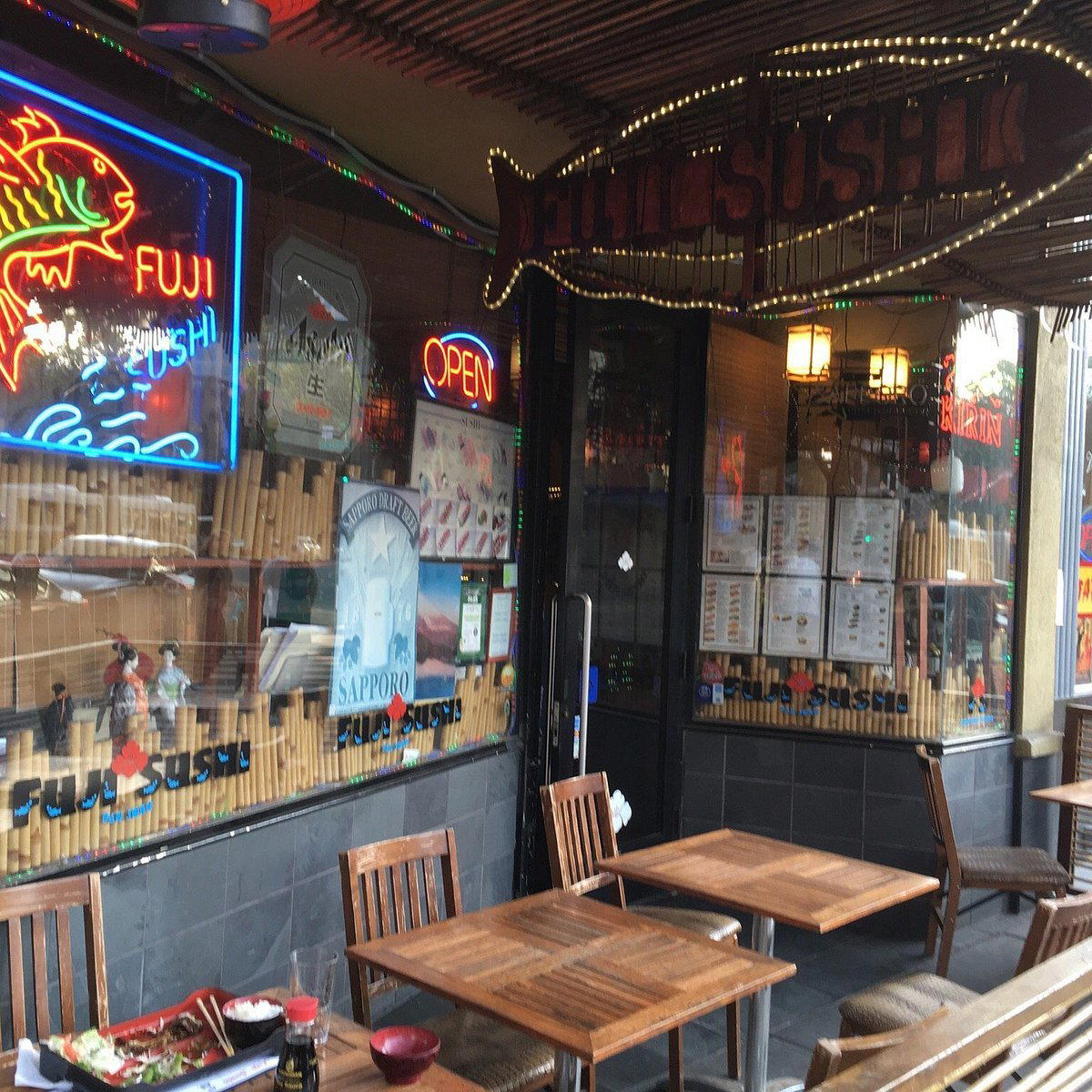
West Santa Clara Street and the Shift in Downtown San Jose Drinking
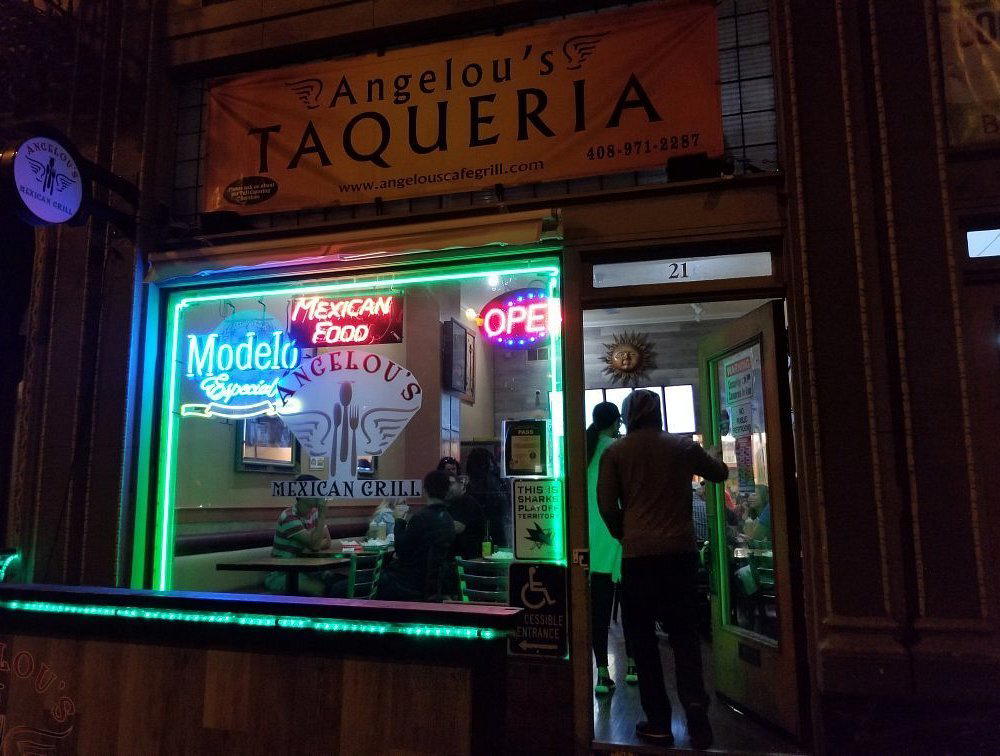
Downtown San Jose has spent the better part of a decade recalibrating what a serious bar looks like. The strip along West Santa Clara Street, where Fuji sits at number 56, has moved from a corridor of sports bars and late-night volume accounts toward something with more considered programming. That shift mirrors what has happened in comparable mid-sized California cities: the arrival of a handful of bars that compete on spirits depth and curation rather than on capacity or concept theatrics. Fuji belongs to that second wave, and its address on West Santa Clara places it within walking distance of the broader downtown dining cluster that includes Angelou's Mexican Grill, Cha Cha Sushi, and Eos & Nyx.
The Back Bar as Editorial Statement
In the current wave of American cocktail culture, the back bar has become a form of argument. What a bar chooses to stock — and, more pointedly, what it chooses not to stock — communicates more about a program's philosophy than any menu copy. The most deliberate programs in the country, from Kumiko in Chicago to Bar Leather Apron in Honolulu, have built their reputations partly on the coherence of their spirits selection: a clear point of view about category, provenance, and depth that makes the menu feel like a curated collection rather than a wholesale order.
Fuji's positioning in that broader context is worth noting for anyone arriving from a city with a denser cocktail scene. San Jose does not yet operate at the volume of programming found in San Francisco or Los Angeles, which means individual bars carry more weight in defining what the category looks like locally. A bar that maintains genuine spirits depth here shapes the conversation for the whole market, not just its own customer base. That dynamic has played out similarly in Houston, where Julep helped define serious whiskey culture for an entire city, and in New Orleans, where Jewel of the South brought a research-led cocktail program to a city that already had strong bar traditions of its own.
Atmosphere and Format
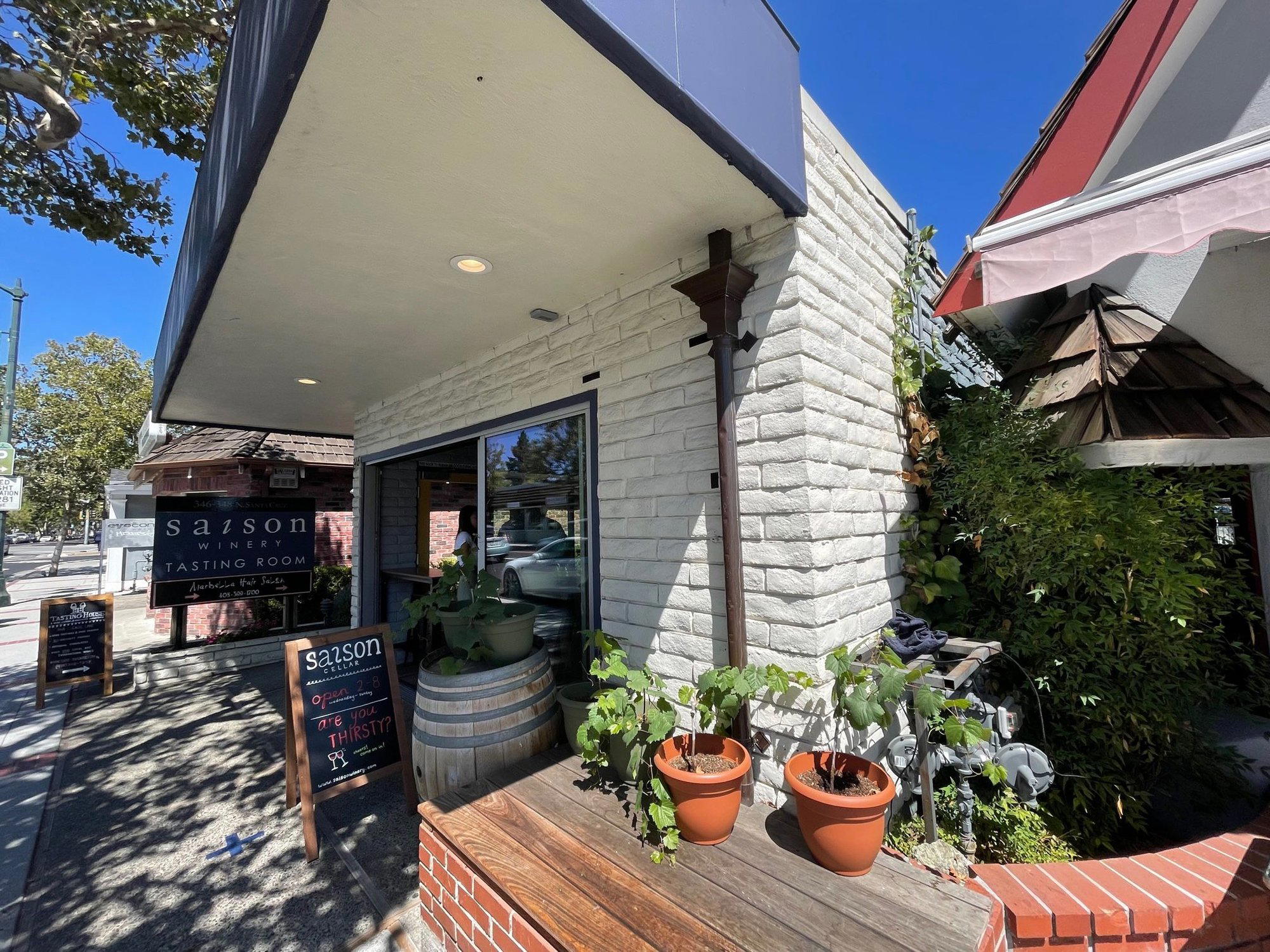
The physical environment on West Santa Clara tells a specific kind of downtown California story. The block carries the mix of converted ground-floor retail, older signage, and newer bar fitouts that characterizes mid-cycle urban revival in cities that have not yet fully gentrified their cores. Approaching Fuji from the street, the scale reads as a neighborhood bar rather than a destination venue, which in practice means the experience orients around the bar itself rather than around a theatrical entrance or a multi-room format. That scale, common to the more serious cocktail rooms in the country, puts the focus where it should be: on what is in the glass and what is on the shelves behind the bartender.
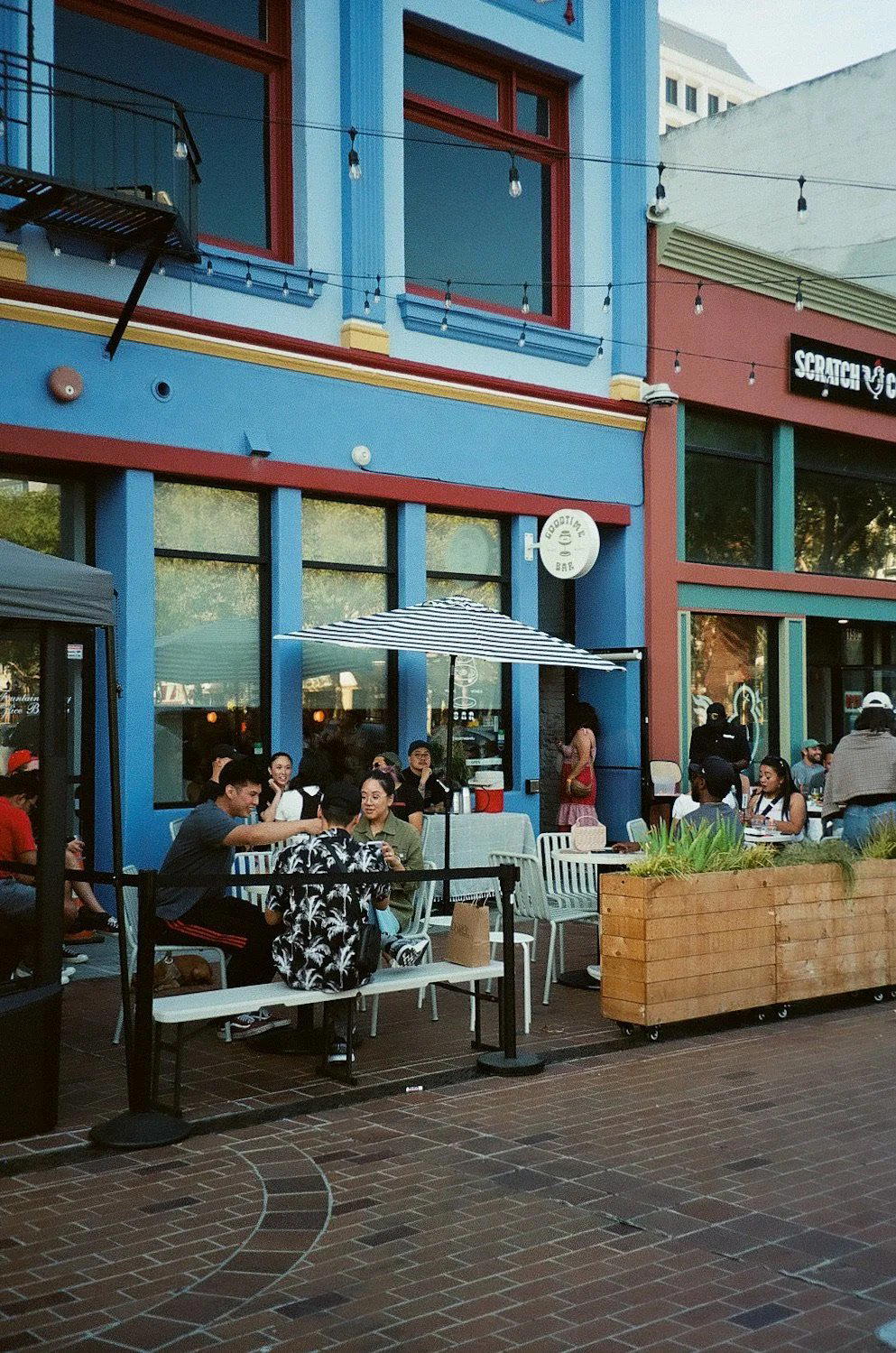
The energy at Fuji runs on the quieter end of the downtown San Jose spectrum. Where nearby options like Goodtime Bar skew toward higher-volume, more social formats, Fuji reads as a bar where conversation is possible at normal volume and where the program itself is worth attention. That is not a criticism of either approach; they serve different needs. But it does mean Fuji fits a specific visit type: the one where you want to drink something considered and talk about it.
San Jose in the Broader California Spirits Conversation
California's cocktail culture has historically concentrated in San Francisco and Los Angeles, with the Bay Area's program depth sitting almost entirely north of the San Mateo County line. San Jose, despite being the largest city in the Bay Area by population, has operated as an afterthought in that conversation. That gap is narrowing, and the presence of bars with genuine back-bar ambition is part of the mechanism. ABV in San Francisco represents the kind of spirits-led, daytime-capable bar format that the Bay Area has produced at its most disciplined; the question for San Jose is whether it can develop a comparable cluster. Fuji is part of that argument.
For the broader comparison, it is useful to look at what has happened in cities that went through this transition earlier. New York's shift from speakeasy theatrics to transparent technical programs, visible in venues like Superbueno, took roughly a decade to consolidate. Frankfurt's The Parlour shows how a single serious program can anchor a bar scene in a city that does not have deep cocktail infrastructure. San Jose is at an earlier stage, but the trajectory is recognizable.
Planning Your Visit
Fuji is located at 56 West Santa Clara Street in downtown San Jose, which puts it in the walkable core of the city and within reach of the light rail network. The downtown location means parking is limited on weeknights and weekends; public transit or rideshare is the more reliable option. For a fuller picture of what the city offers across restaurants, bars, and experiences, see our full San Jose restaurants guide.
Continue exploring
More in San Jose
Bars in San Jose
Browse all →

Restaurants in San Jose
Browse all →
Hotels in San Jose
Browse all →
At a Glance
Current opening hours
- Monday
- 11:30 AM–2:30 PM, 5–10 PM
- Tuesday
- 11:30 AM–2:30 PM, 5–10 PM
- Wednesday
- 11:30 AM–2:30 PM, 5–10 PM
- Thursday
- 11:30 AM–2:30 PM, 5–10 PM
- Friday
- 11:30 AM–2:30 PM, 5–10:30 PM
- Saturday
- 5–10 PM
- Sunday
- Closed
Hours can change for holidays and private events. Last verified .