BE.STEAK.A


Michelin Plate · Wine Spectator Best of Award of Excellence
Our verdict
BE.STEAK.A brings an Italian-inflected steakhouse format to South Bascom Avenue in Campbell, earning back-to-back Michelin Plate recognition in 2024 and 2025. The wine program, 3,200 bottles across 700 selections with depth in Burgundy, Piedmont, and California, punches well above the suburban-steakhouse category. For the South Bay, it represents a serious confluence of beef cookery and cellar curation.

Pearl is the En Primeur Club membership app, where members save venues, book tables and use the concierge.
The menu
What to order
- Bacon-wrapped Filet Mignon
- Bone-in Rib-eye
- Hamachi Crudo
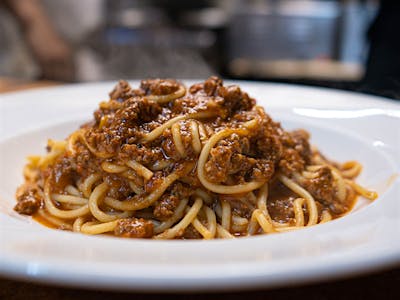
- Tajarin al Tartufo
- Sanuki A5 Wagyu
Where the South Bay Takes Its Steak Seriously
South Bascom Avenue in Campbell is not a street that announces itself as a dining destination. The corridor runs through the kind of suburban commercial fabric that defines much of Silicon Valley's mid-peninsula sprawl: strip centers, parking lots, the occasional independent holdout. BE.STEAK.A at 1887 S Bascom Ave occupies that context without apology, and the contrast is part of what makes it worth understanding. Inside, the register shifts. The format is steakhouse-meets-Italian-kitchen, a pairing that has genuine precedent in the American dining tradition, the chophouse that keeps a serious pasta on the menu, the red-sauce institution that anchors the table with a prime cut. Here, that combination has earned back-to-back Michelin Plate recognition in 2024 and 2025, which, in the Bay Area's densely scrutinized dining scene, is not a token credential.
The Cut Question: How to Read a Steakhouse Menu
The editorial angle at any serious steakhouse is always the same: which cuts are doing the work, and how? The ribeye and the strip are the two poles around which most American steakhouse menus orbit. The ribeye draws from the longissimus dorsi and spinalis muscles, delivering fat-marbled richness that rewards high-heat searing and benefits from dry-aging programs that concentrate flavor. The New York strip, taken from the short loin, runs leaner and firmer, with a tighter grain that holds char differently. The filet, cut from the tenderloin, is the outlier: the least fatty, the most tender, and, for purists, the least interesting in terms of beefy depth. The tomahawk, a ribeye with an extended frenched rib bone, has migrated from steakhouse theater to mainstream menu in the last decade, occupying the high-ticket shareable slot that Dover sole and Chateaubriand once held.
BE.STEAK.A's Italian inflection matters here because Italian-American beef traditions, the bistecca fiorentina lineage, the influence of Emilian technique on how fat is rendered and rested, suggest a different frame than the purely American chophouse. Florentine T-bone service, for instance, typically comes from Chianina cattle, grilled over wood, served rare and carved tableside at a thickness that American steakhouses rarely attempt. Whether BE.STEAK.A explicitly references that tradition is less important than understanding that an Italian-kitchen sensibility tends to reorient a beef-forward menu toward restraint: fewer compound butters, more attention to the quality of the base ingredient, a preference for simplicity that lets the cut speak. Chef Patrick Capurro leads the kitchen, and the cuisine is listed across both Italian and steakhouse categories, a dual identity that shapes the menu's logic.
The Wine Program as a Competitive Differentiator
Suburban steakhouses in the South Bay generally operate wine programs that mirror the format: approachable California Cabernet, some recognizable Napa names, a few token French bottles. BE.STEAK.A diverges from that model in measurable terms. The cellar runs to 700 selections and 3,200 bottles, with declared strengths in Burgundy, Italy and Piedmont specifically, and California. The pricing tier is $$$, indicating a significant presence of bottles above $100. Corkage is set at $50 for those bringing their own.
A Burgundy-anchored list in a steakhouse context is not accidental: the region's Pinot Noir, particularly from the Côte de Nuits, has a structural affinity with high-quality beef that the bigger Napa Cabernets sometimes overwhelm. The Piedmont inclusion, Barolo and Barbaresco being the obvious anchors, extends that logic. Nebbiolo's acidity and tannic structure make it one of the most food-progressive choices at a meat-focused table. The sommelier team includes Brian Nicholas, Enrique Leon, and Erika Andrade, which represents more floor-level credentialed staff than most venues of comparable scale maintain.
For comparison: the wine programs at places like Le Bernardin in New York City or The French Laundry in Napa represent what cellar depth looks like at the very top tier of the American dining hierarchy. BE.STEAK.A is not in that conversation by scale, but the orientation of its list, toward Old World structure rather than New World fruit-weight, signals a similar instinct. Among Bay Area steakhouses specifically, that positioning matters. Lazy Bear in San Francisco and Single Thread Farm in Healdsburg operate at a different price and format tier, but they share the same commitment to wine as a programmatic statement rather than an afterthought.
Michelin Recognition in Suburban Context
Michelin Plate designation, awarded for good cooking that doesn't yet reach star level, is sometimes read as a consolation signal. It is more usefully read as a quality floor. In a metro area where Alinea in Chicago and Addison in San Diego represent what three-star ambition looks like in the American context, the Plate sits at the entry point of the guide's quality acknowledgment. Holding it for two consecutive years, 2024 and 2025, in a suburban South Bay location where the dining room is not serving a tourist or expense-account crowd, carries more signal than the designation might in a higher-profile ZIP code.
Google's corroborates consistent execution over time. That kind of rating stability, particularly at a $$$ price point, suggests repeat visitors rather than a single opening wave of enthusiasm. Visitors to comparable steakhouse formats at Capa in Orlando or A Cut in Taipei operate within purpose-built destination contexts. BE.STEAK.A builds its case from the inside out, on a street that offers no ambient dining theater to borrow from.
Planning Your Visit
BE.STEAK.A serves lunch and dinner. The price point is $$$ for cuisine, expect a typical two-course meal without beverages to run above $66 per person, and the wine list carries the same tier designation, so a bottle from the cellar will likely add meaningfully to that figure. Corkage is $50, which is standard for a list of this depth; the calculation generally favors ordering off the menu unless you're bringing something the cellar is unlikely to carry. General Manager Kevin Goossen and owner Jeffery Stout round out the senior team. The venue sits within the broader Campbell dining scene, which has developed a small cluster of serious independent restaurants; for other options in the area, Orchard City Kitchen represents the international end of the local spectrum. For a wider picture of what Campbell's restaurant scene offers, our full Campbell restaurants guide maps the current field, and our Campbell bars guide, hotels guide, wineries guide, and experiences guide cover the rest of what the area has to offer.
Frequently asked questions
Can I bring kids to BE.STEAK.A?
Nothing in the venue's profile restricts younger diners, but the $$$ price point, two courses without beverages typically runs above $66 per person, and the formal Italian-steakhouse format at 1887 S Bascom Ave suggest this is an adult-oriented outing for most families. A special occasion dinner for older children who appreciate a sit-down meal would be the appropriate fit.
What's the vibe at BE.STEAK.A?
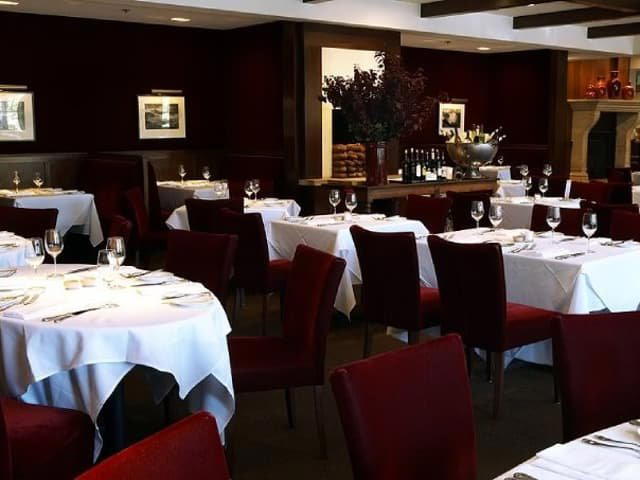
The room operates as a serious Italian-inflected steakhouse, not a casual South Bay grill. The $$$ price tier, a 3,200-bottle wine inventory overseen by Wine Director Corey Reis, and back-to-back Michelin Plate recognition (2024 and 2025) set a deliberate, purpose-driven tone rather than a lively neighbourhood hangout.
What kind of recognition has BE.STEAK.A received?
BE.STEAK.A has received recognition including: Michelin Plate (2025); WINE: Wine Strengths: Burgundy, Italy, Piedmont, Bordeaux, California Pricing: $$$ i Wine pricing: Based on the list\'s general markup and high and low price points:$ has many bottles < $50;$$ has a range of pricing;$….
What's the signature dish at BE.STEAK.A?
What the record does confirm is that the kitchen, led by Chef Patrick Capurro, operates across Italian and steakhouse categories, the Michelin Plate awarded in both 2024 and 2025 suggests the cooking across that range is consistently worth the visit.
What should I expect cuisine-wise at BE.STEAK.A?
BE.STEAK.
Is BE.STEAK.A more mid-range or high-end?
Pricing at BE.STEAK.A is listed as $$$.
Where is BE.STEAK.A located?
BE.STEAK.A is located at 1887 S Bascom Ave, Campbell, CA 95008, Campbell.
Comparison Snapshot
| Venue | Cuisine | Price | Awards | Notes |
|---|---|---|---|---|
| BE.STEAK.AThis venue (the venue you are viewing) | Contemporary Italian-Influenced Steakhouse | $100–150 | Michelin Plate · Wine Spectator Best of Award of Excellence | Not listed |
| Le Bernardin | French Seafood Fine Dining | $300–500 | 3 Michelin Stars · World's 50 Best #13 | French, Seafood |
| Atomix | Modern Korean Tasting Menu | $300–500 | 2 Michelin Stars · World's 50 Best #7 | Modern Korean, Korean |
| Lazy Bear | Modern American Tasting Menu | Not listed | 2 Michelin Stars · World's 50 Best #25 | Progressive American, Contemporary |
| Alinea | Avant-Garde Molecular Gastronomy | $300–500 | 2 Michelin Stars · World's 50 Best #37 | Progressive American, Creative |
| Masa | Seasonal Hokkaido Tempura Omakase | $150–200 | Tabelog 100 #34 | Sushi, Japanese |
Recognition history
Dated appearances from independent guides and award organizations, with the underlying list record or original source where available.
Michelin Plate
Michelin · 2026 Michelin Plate
Wine Spectator Best of Award of Excellence
Wine Spectator
Full recognition history (5 entries)
Michelin Plate
Michelin
Wine Spectator Best of Award of Excellence
Wine Spectator
Michelin Plate
Michelin
Continue exploring
More in Campbell
Restaurants in Campbell
All restaurants in Campbell →
Bars in Campbell
Browse all →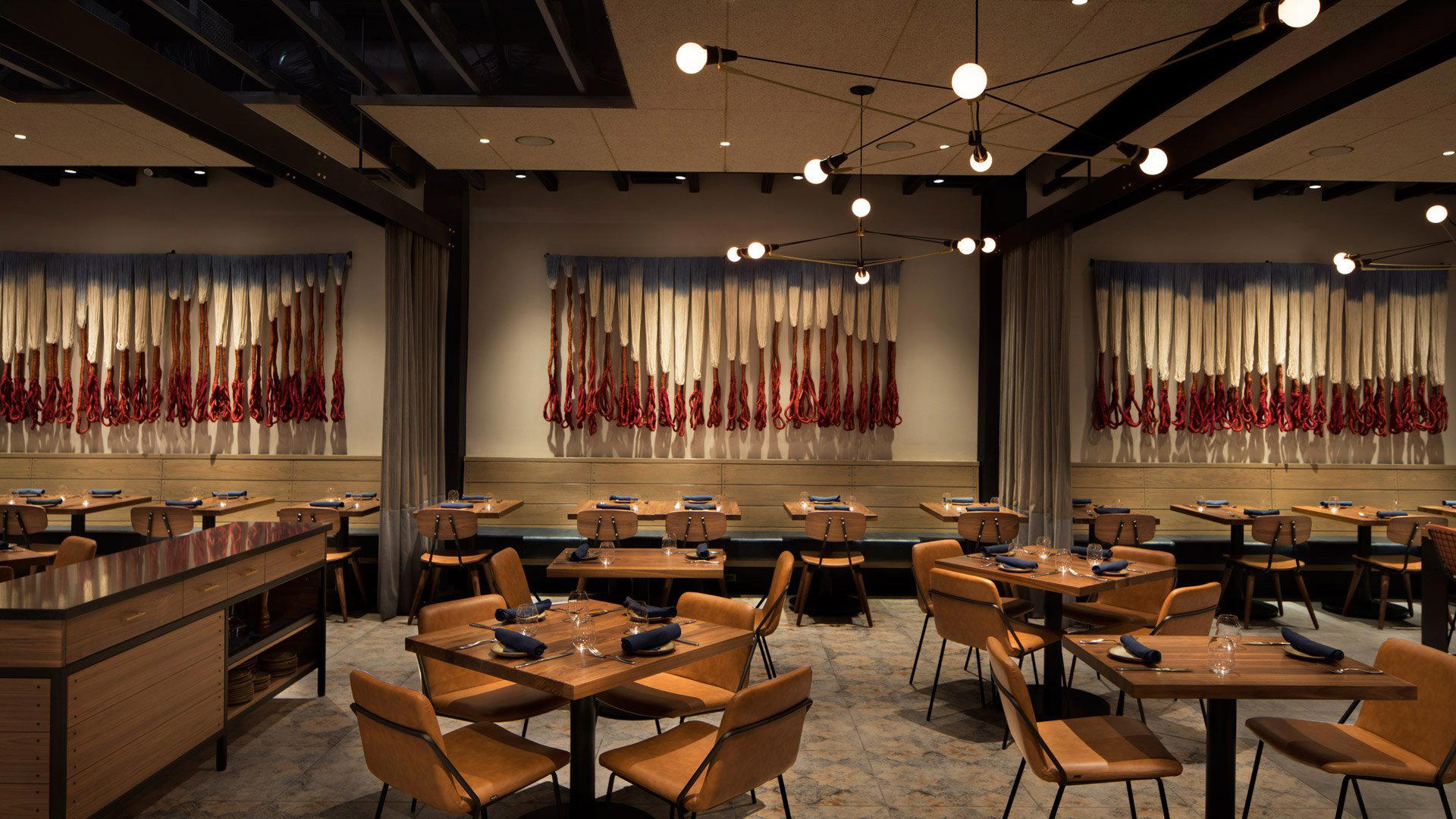
BE.STEAK.A
The wine
BE.STEAK.A holds the Wine Spectator Best of Award of Excellence, which Wine Spectator gives to lists of usually 350 or more selections.
- Wine program
- Deep wine list
- Wine Spectator
- Wine Spectator Best of Award of Excellence
- Selections
- 700
- Bottles in cellar
- 3,200
- List strengths
- Burgundy, Italy, Piedmont, Bordeaux, California
- Wine director
- Corey Reis
- Extensive wine list
- Sommelier-led
- Craft cocktails
Details
- Elegant
- Sophisticated
- Romantic
- Date Night
- Business Dinner
- Group Dining
- Celebration
- Special Occasion
- Open Kitchen
- Private Dining
- Terrace
- Extensive Wine List
- Craft Cocktails
- Sommelier Led
- Local Sourcing
- Sustainable Seafood
Current opening hours
- Monday
- 5–9 PM
- Tuesday
- 5–9 PM
- Wednesday
- 5–9 PM
- Thursday
- 5–9 PM
- Friday
- 11:30 AM–2 PM, 5–10 PM
- Saturday
- 11:30 AM–2 PM, 5–10 PM
- Sunday
- 10 AM–2 PM, 5–9 PM
Hours can change for holidays and private events. Last verified .
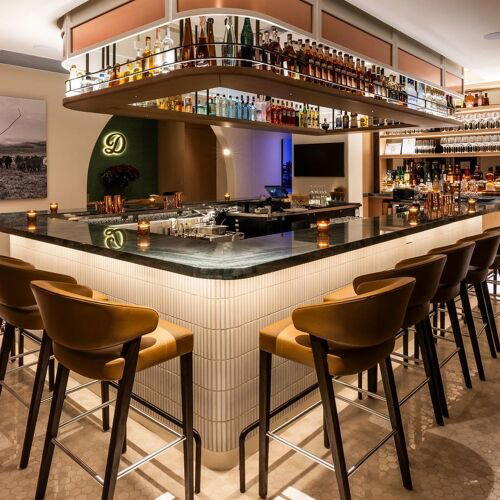
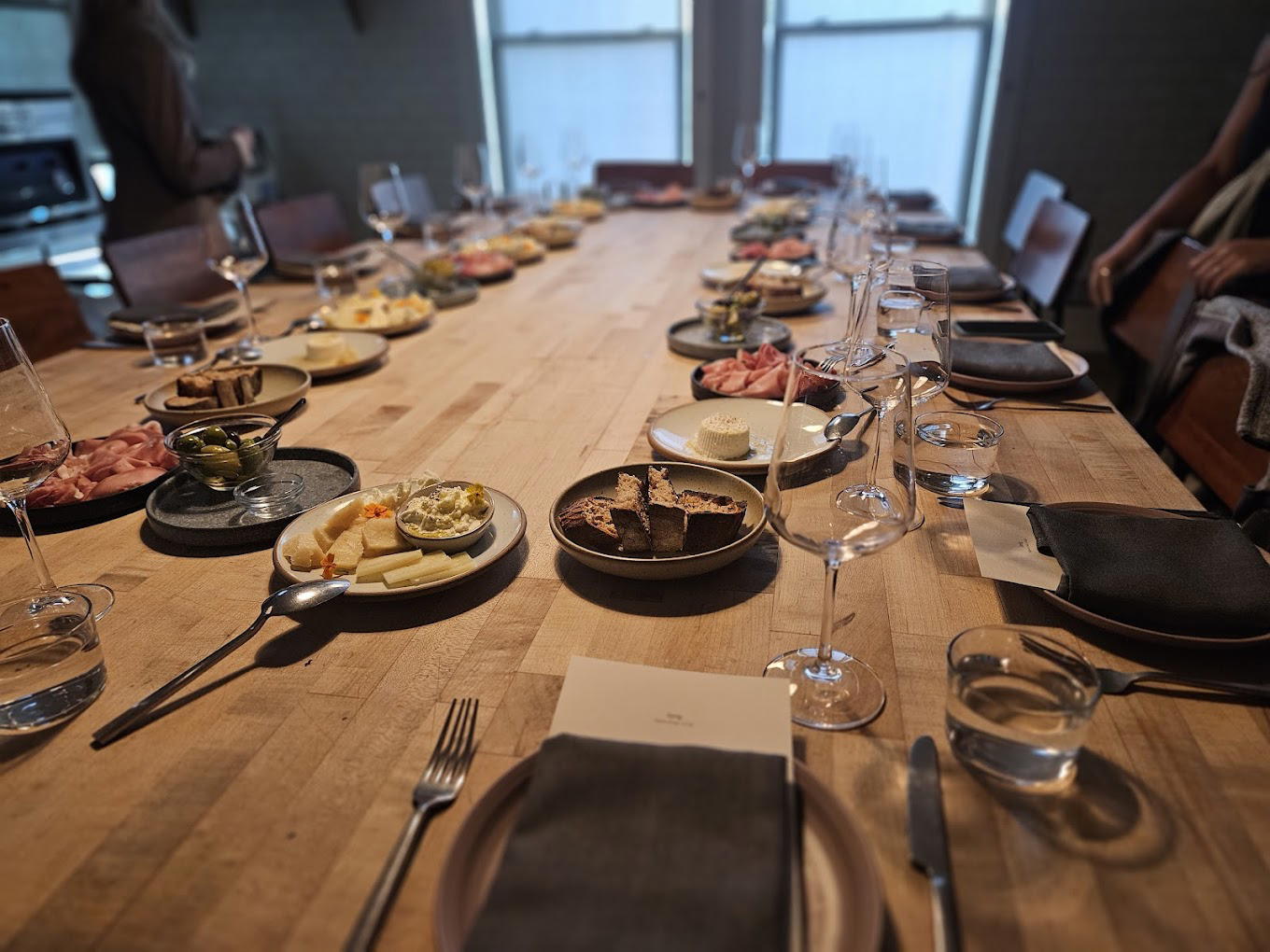
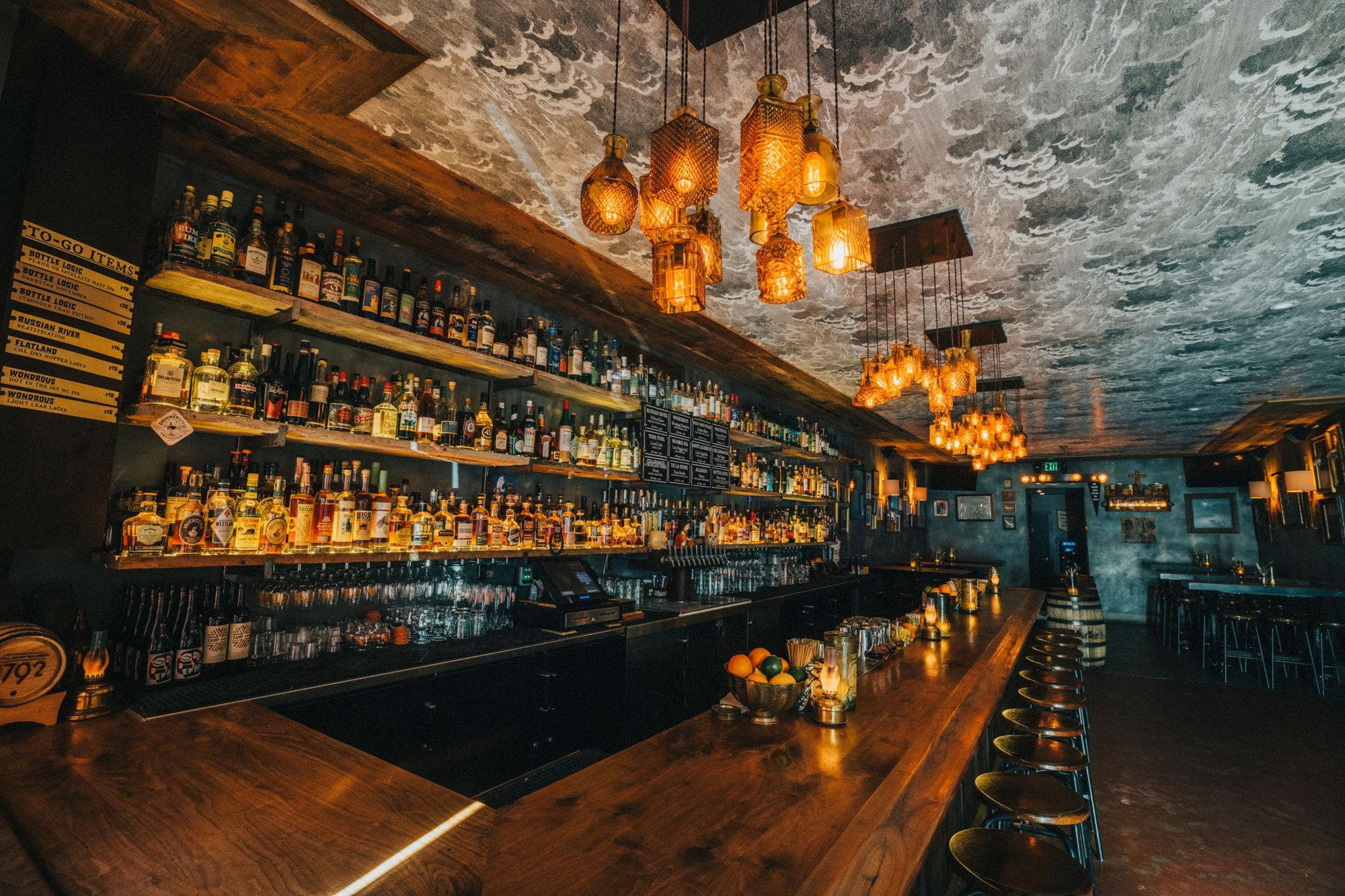
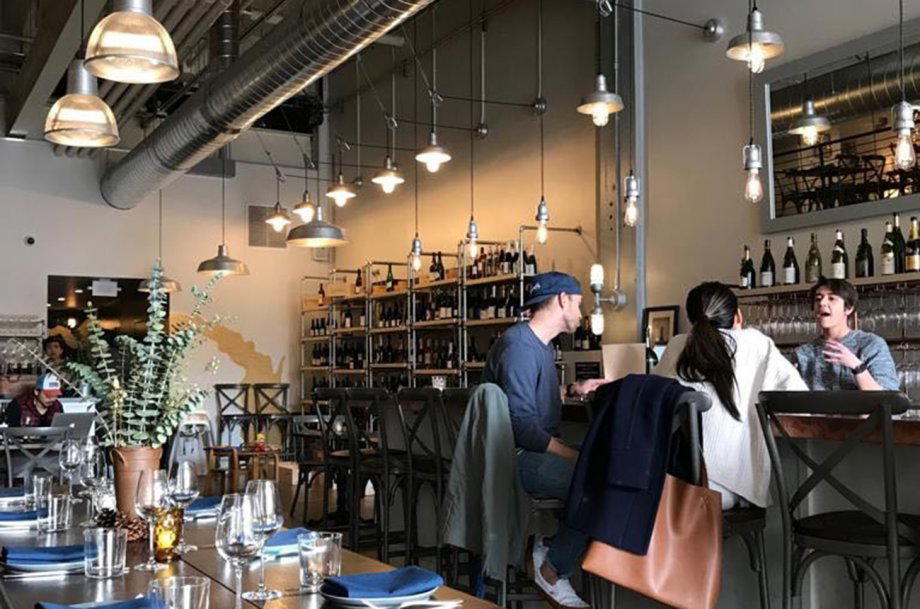
Elegant dining spaces with bright Mediterranean-themed interiors, glass window views into the zen-like kitchen, and refined service ware creating an upscale yet welcoming atmosphere.