Kazoo Japanese Sushi Boat Restaurant
Kazoo Japanese Sushi Boat Restaurant on Jackson Street is a kaiten-style spot in San Jose's SoFA district, where conveyor-belt sushi formats have built a loyal neighborhood following. The floating-plate format keeps the experience accessible and social, drawing regulars who treat it as a weeknight institution rather than an occasion restaurant.

Pearl is the En Primeur Club membership app, where members save venues, book tables and use the concierge.
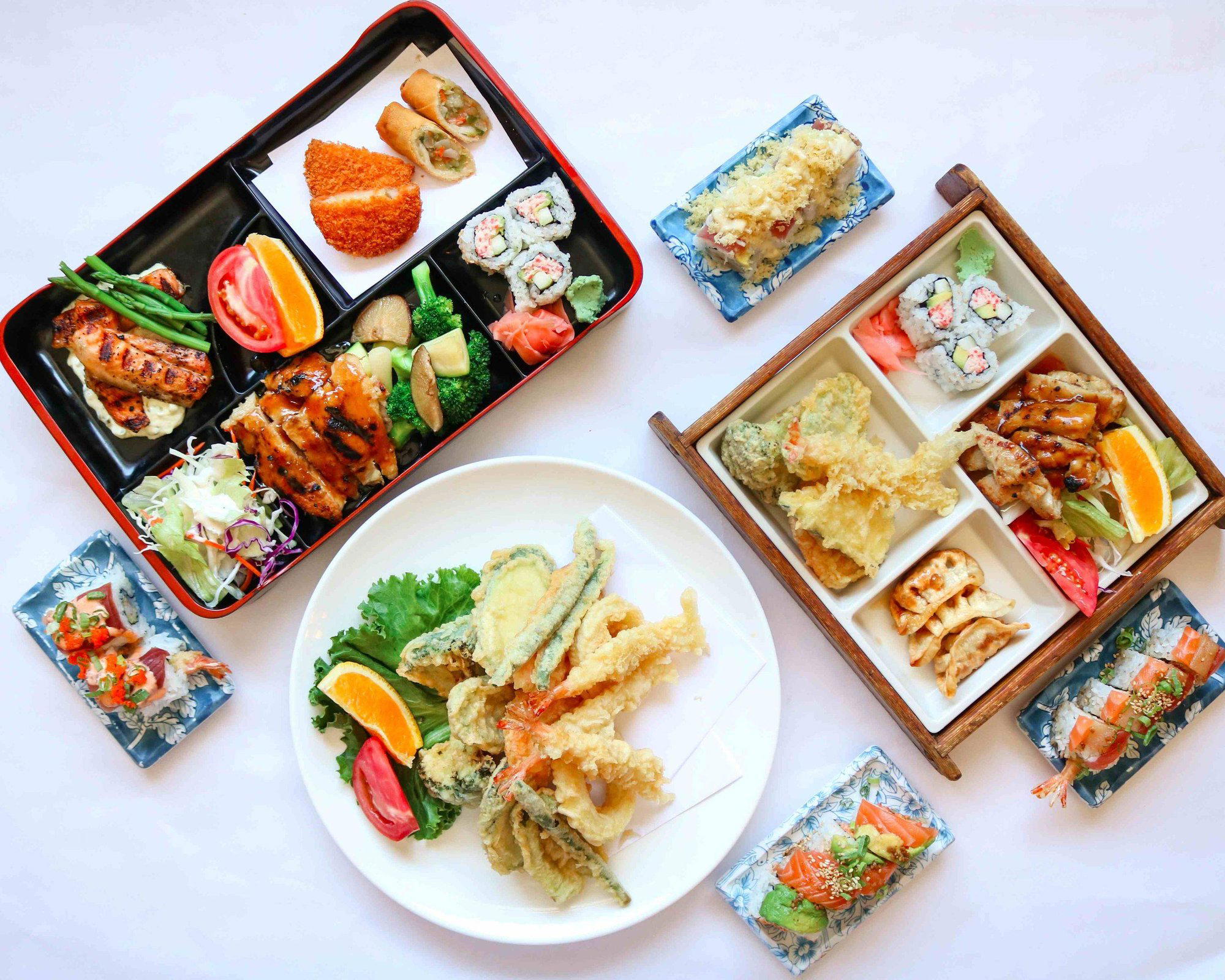
Conveyor-Belt Culture in Downtown San Jose
Kaiten sushi, the conveyor-belt format that originated in Osaka in the late 1950s, has always functioned differently from the omakase counter model that dominates premium sushi discourse. Where the counter demands deference to a chef's sequence, the boat or belt format hands control back to the diner: you take what looks good, at your own pace, without a tasting menu structure dictating the evening. In San Jose's SoFA district, Kazoo Japanese Sushi Boat Restaurant at 250 Jackson Street operates squarely within that democratic tradition, and its neighborhood following reflects exactly what kaiten-style dining does well in a mid-sized American city.
The rotating-plate format is inherently social. Conversations don't stop while dishes are presented and explained; the conveyor carries the rhythm instead. Groups lean across the table, point at plates drifting past, and build their own sequence. That interactivity has made kaiten restaurants a reliable gathering format in urban Japanese neighborhoods for decades, and it translates directly into the kind of regular-return culture that defines a neighborhood institution rather than a destination restaurant.
SoFA District and the Venue's Place in It
San Jose's SoFA (South of First Area) district has carried the city's arts and late-night character for years, with independent food businesses clustered around First and Jackson streets. Kazoo's Jackson Street address puts it in that orbit: close enough to the city's entertainment corridors to benefit from foot traffic, but operating on a register that's more local-weeknight than special-occasion-weekend. That positioning matters when reading the room. The crowd at a sushi boat restaurant in this location skews toward people who live or work nearby, not visitors triangulating between landmarks.
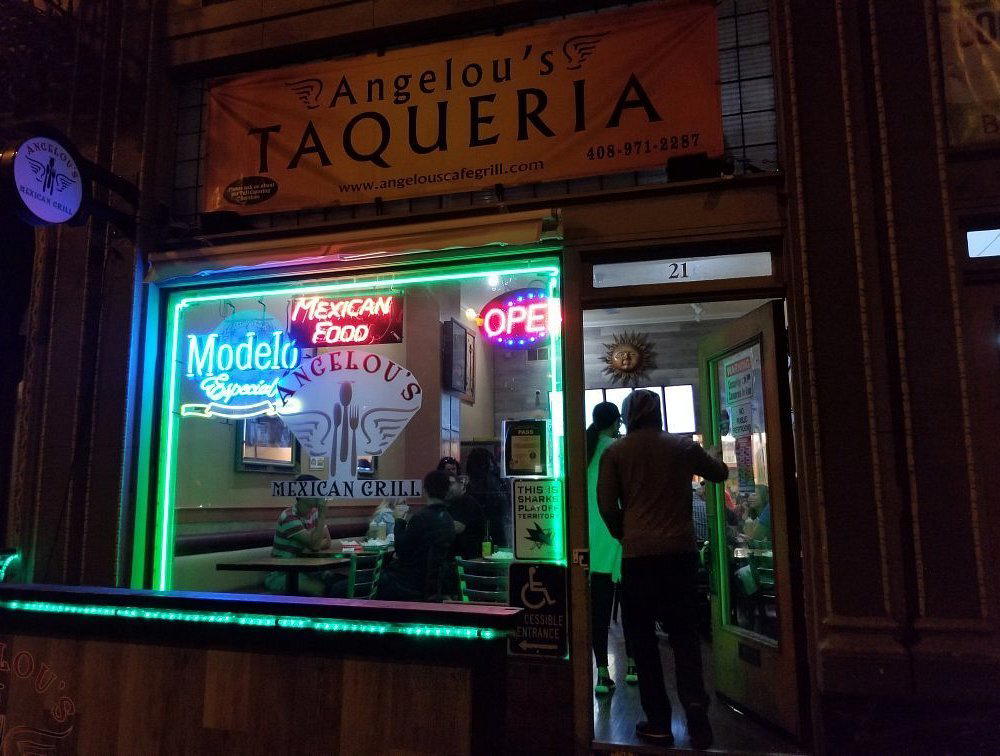
For comparative context, San Jose's Japanese food options span a range from fast-casual rolls to more considered sushi programs. Cha Cha Sushi and Fuji represent adjacent positions in the city's Japanese dining spread, while venues like Angelou's Mexican Grill and Eos & Nyx illustrate the broader SoFA-area mix of cuisines competing for the same regular-rotation diner. Kazoo sits in a specific niche within that field: it offers a format that is neither fast-food nor formal, which is precisely the gap that sustains neighborhood sushi restaurants in American cities with a meaningful Japanese-American dining culture.
What the Format Delivers
Kaiten sushi's commercial logic is worth understanding before you arrive. Plates are typically priced by color-coded tier, with the conveyor carrying a rotating selection and direct ordering often available for items not currently on the belt. The format rewards regular visitors who know which tiers represent the leading return and which time of day the conveyor carries the widest selection. Across the kaiten format broadly, peak service windows, typically early evening on weekdays, tend to produce faster turnover on the belt, meaning fresher plates cycling through more frequently.
The sushi boat or floating-dish variant, referenced in Kazoo's name, adds a secondary layer of presentation: plates arrive on small boats moving along a water channel rather than a dry belt, a format more common in dedicated kaiten rooms than in converted casual spaces. That presentation distinction is primarily visual and social rather than culinary, but it does shape the atmosphere in a way that separates these restaurants from standard belt-only operations.
How It Compares to Broader Kaiten Trends
Kaiten sushi has undergone significant evolution in Japan over the past decade, with technology-integrated ordering systems, fresher high-grade fish on premium tiers, and QR-based menus becoming standard at chains like Sushiro and Kura Sushi. American kaiten operations have generally moved more slowly along that curve, maintaining a format closer to the mid-2000s kaiten experience: color-coded plates, a core selection of nigiri and rolls, and a pricing structure that keeps the check accessible. That gap between Japanese-market kaiten and American-market kaiten is worth naming, because it sets realistic expectations. Kazoo operates in the American mid-market kaiten tradition, not the high-tech Japanese chain model.
For diners familiar with more technically ambitious sushi programs, the reference points are different. The kind of precision sourcing and aging protocols that define, say, the programs at places like Kumiko in Chicago operate in an entirely separate category. Kaiten restaurants in the American mid-market are not competing with omakase counters; they serve a different purpose for a different visit type entirely.
The Regulars and the Draw
Kaiten restaurants build their repeat business on a specific promise: low-friction dining that delivers familiar, consistent plates without requiring a reservation or a large spend. The regulars at a venue like Kazoo are not chasing novelty; they are relying on the format to deliver a known quantity on a Tuesday evening or a weekend lunch. That consistency is a feature, not a limitation.
The main draw at Kazoo, in the context of what kaiten-format sushi does in this market, is that combination of accessibility, interactivity, and neighborhood proximity. Diners who ask what regulars tend to order at a sushi boat restaurant are generally asking about the pull-off-the-belt instincts that frequent visitors develop: which plate colors represent the tier worth reaching for, which rolls tend to appear more frequently, and whether the direct-order option extends the menu meaningfully beyond the belt selection.
Planning Your Visit
Kazoo Japanese Sushi Boat Restaurant is at 250 Jackson Street in San Jose's SoFA district, accessible from the downtown core on foot or by short drive.
For a fuller picture of San Jose's dining options, the EP Club San Jose restaurants guide covers the broader field. Travelers building a multi-city itinerary around bar and restaurant programs might also reference ABV in San Francisco, Bar Leather Apron in Honolulu, Jewel of the South in New Orleans, Julep in Houston, Superbueno in New York City, and The Parlour in Frankfurt on the Main for comparative programming across formats.
Reputation Context
A quick peer check to anchor this venue’s price and recognition.
| Venue | Price |
|---|---|
| Kazoo Japanese Sushi Boat RestaurantThis venue (the venue you are viewing) | $20–30 |
| Angelou's Mexican Grill | $10–20 |
Continue exploring
More in San Jose
Bars in San Jose
All bars in San Jose →
Restaurants in San Jose
All restaurants in San Jose →
Details
- Casual
- Cozy
- Casual Hangout
- Group Outing
- Standalone
- Communal Tables
- Sake
Current opening hours
- Monday
- 11:30 AM–2 PM, 4:30–9 PM
- Tuesday
- 11:30 AM–2 PM, 4:30–9 PM
- Wednesday
- 11:30 AM–2 PM, 4:30–9 PM
- Thursday
- 11:30 AM–2 PM, 4:30–9 PM
- Friday
- 11:30 AM–9:30 PM
- Saturday
- 11 AM–9:30 PM
- Sunday
- 11:30 AM–9 PM
Hours can change for holidays and private events. Hours as of .
Casual and cozy atmosphere in Japantown with a fun conveyor belt style dining.