Hôtel Restaurant Moulin Neuf
Our verdict
Hôtel Restaurant Moulin Neuf occupies a mill building in the rural commune of Roggenburg, in Switzerland's Jura district near the French border. The setting positions it within a regional tradition of country-house dining that draws on close agricultural networks and seasonal produce. Travellers passing through northwestern Switzerland's quieter cantons will find it a considered stop between Basel and the Ajoie plateau.

Pearl is the En Primeur Club membership app — saves, bookings, and concierge access live there. Same editors, same standards.
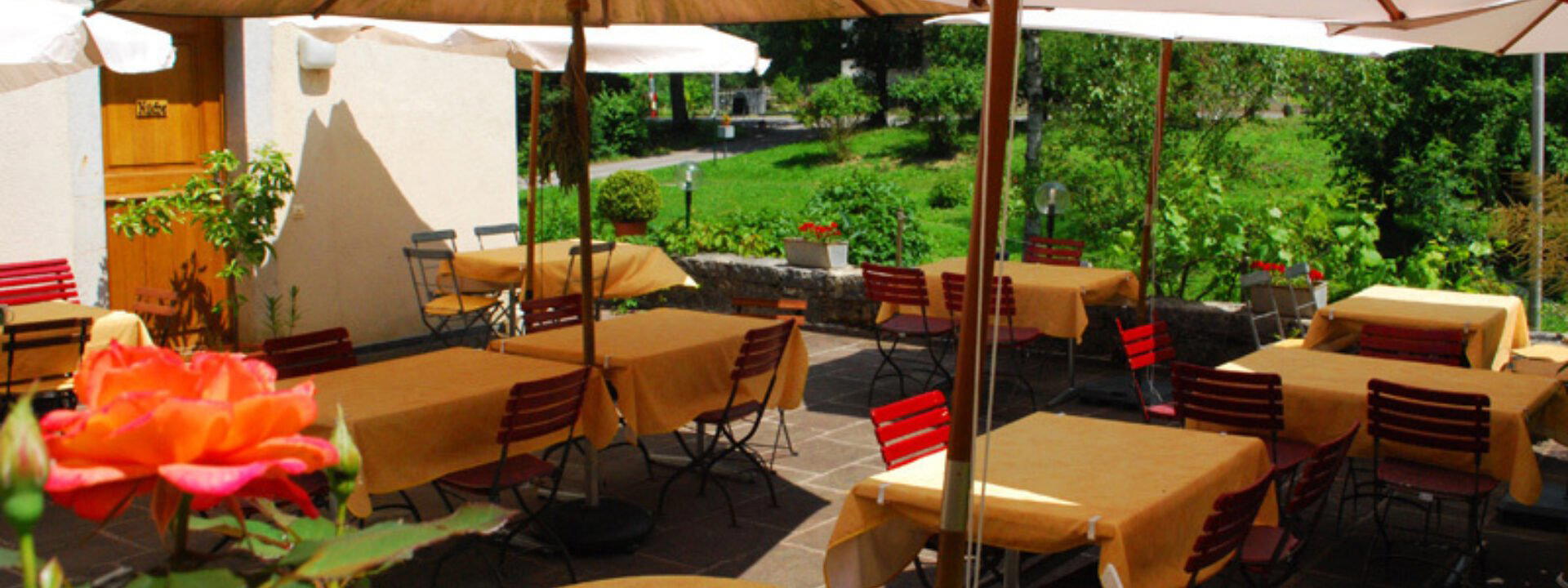
Where the Jura Border Country Sets the Table
Northwestern Switzerland does not announce itself loudly. The canton of Jura, and the cluster of small communes that sit at its southern edge near the border with canton Solothurn, operates on a different register than the well-trodden routes between Basel and Bern. Roggenburg, a settlement of barely a few hundred residents, belongs to this quieter geography: agricultural land, a gentle mill stream, and the kind of built fabric that marks a working rural past rather than a curated heritage present. It is in this context that Hôtel Restaurant Moulin Neuf, occupying a mill building on the Ederswilerstrasse, reads not as an anomaly but as a natural continuation of a long tradition of Swiss country-house hospitality. See our full Roggenburg restaurants guide for further context on dining in the area.
The Mill as Sourcing Logic
Mill buildings in rural Switzerland carry a specific culinary implication. Historically, they were the intersection point of agricultural supply and local processing: grain, water, and the surrounding farmland all converging at a single structure. A restaurant that occupies such a building in the Jura district is, whether consciously or not, inheriting that logic. The landscape around Roggenburg supports cattle farming, market gardening along the Ajoie plain to the west, and the kind of mixed small-scale agriculture that feeds regional kitchens with seasonal consistency rather than commodity supply chains.
Swiss country-house restaurants in this mould tend to anchor their menus to what arrives from nearby farms and, in season, from foraged sources in the surrounding woodland and field margins. This is not a marketing posture in the Jura region the way it can be in more urbane dining settings; it is structural. The distance between producer and kitchen is short, the relationships are often longstanding, and the menu follows the season because the supply does. Venues like Schloss Schauenstein in Fürstenau have made this approach central to their international recognition, but the tradition runs far deeper in Swiss rural hospitality than any single celebrated property.
Country-House Dining in a Cross-Border Setting
Roggenburg sits within a few kilometres of the French border, and that proximity shapes the culinary register of the wider area. The Franche-Comté tradition across the border, with its emphasis on aged cheese, smoked meats, river fish, and mustard-inflected preparations, bleeds into the Jura district's own cooking sensibility. Swiss Jura cooking at its most considered draws from both sides: the precision and structural discipline associated with Swiss kitchens alongside a French country directness that values flavour over finesse.
This cross-border culinary character distinguishes the Jura district from the more German-influenced kitchens of canton Solothurn to the east, and from the urban-French registers of Geneva or Lausanne further south. Diners accustomed to the polish of, say, La Table du Lausanne Palace in Lausanne or the technical ambition of Memories in Bad Ragaz will find the Jura country idiom operates on different premises: the room is less formal, the produce more explicitly local, and the cooking vocabulary closer to the farmhouse than the tasting-menu counter.
The Ingredient Argument for Rural Switzerland
There is a coherent case for why ingredient quality in rural Swiss cantons can hold its own against more celebrated restaurant destinations. Swiss agricultural standards are among the most stringent in Europe, and the density of small-scale producers per square kilometre in cantons like Jura means that a kitchen with functioning supplier relationships can access milk, meat, vegetables, and herbs at a quality that urban restaurants must pay a significant premium to source and transport. The short chain is not just an ethical preference here; it is a practical advantage that shows up on the plate.
The broader Swiss fine-dining tier has absorbed this logic explicitly. Properties like focus ATELIER in Vitznau and IGNIV Zürich by Andreas Caminada in Zurich have built their identities in part on articulating Swiss provenance at a high technical level. The country-house tier does something structurally similar without the formal apparatus: the sourcing is the premise, and the cooking exists to make the most of what arrives.
Placing Moulin Neuf in the Swiss Country-House Tier
Switzerland's hotel-restaurant combination in rural settings occupies a specific market position. These are not destination restaurants in the same sense as Hotel de Ville Crissier in Crissier or Cheval Blanc by Peter Knogl in Basel, where the restaurant itself is the journey. They function instead as genuine hospitality anchors for their communities and for travellers who choose to move through Switzerland at a slower pace, staying overnight in a working rural inn rather than a city hotel. The meal and the room are part of the same proposition.
That format has its own disciplined logic. The kitchen must perform consistently across lunch and dinner service, often serving local regulars alongside visiting guests. The wine list in this context tends toward regional Swiss producers and accessible French selections rather than the deep cellar architecture of a formal tasting-menu house. The pace is set by the room rather than by a choreographed service sequence. For travellers who have spent time in similar formats in Alsace, Burgundy, or the Black Forest, the Swiss Jura iteration will feel familiar in structure while differing in its specific agricultural character.
For a broader sense of how Switzerland's restaurant range operates from this rural register up through its most technically demanding rooms, the comparison list is instructive: Einstein Gourmet in Sankt Gallen, Magdalena in Schwyz, Maison Wenger in Le Noirmont, and further afield, 7132 Silver in Vals and Colonnade in Lucerne, all illustrate how Switzerland's kitchen ambitions operate across very different scales and formats. Even internationally, the contrast is useful: the produce-led precision of Le Bernardin in New York City or the detail-oriented tasting format of Atomix in New York City represent the formal end of a spectrum that the Swiss country-house inn anchors at the other, more rooted end. Likewise, La Brezza in Ascona and L'Atelier Robuchon in Geneva show how Switzerland's southern and western cantons interpret hospitality through very different geographic and cultural lenses. Da Vittorio in St. Moritz adds yet another register: resort luxury rather than rural rootedness.
Planning a Visit
Roggenburg is accessible by road from Basel, roughly 25 to 30 kilometres to the northeast, making it a viable lunch or overnight excursion from the city. The village sits close to the French border and the Route de Bourgogne corridor, which means it can be incorporated into a cross-border itinerary taking in both the Swiss Jura and the Franche-Comté. Given the hotel component, an overnight stay allows for a more unhurried engagement with the setting; arriving in the evening to find the mill building lit against the surrounding countryside is the kind of quiet arrival that rural Swiss hospitality does well. Current specific hours, pricing, and booking availability should be confirmed directly with the property, as this information was not available at the time of writing.
Frequently asked questions
Is Hôtel Restaurant Moulin Neuf child-friendly?
The venue is a rural Swiss hotel-restaurant at Ederswilerstrasse 1 in Roggenburg, a setting that typically suits families travelling through the Jura border region. No specific children's menu or facilities are confirmed in the venue's published details. For families planning a visit, contacting the property directly before arrival is advisable to confirm what provisions are in place.
How would you describe the vibe at Hôtel Restaurant Moulin Neuf?
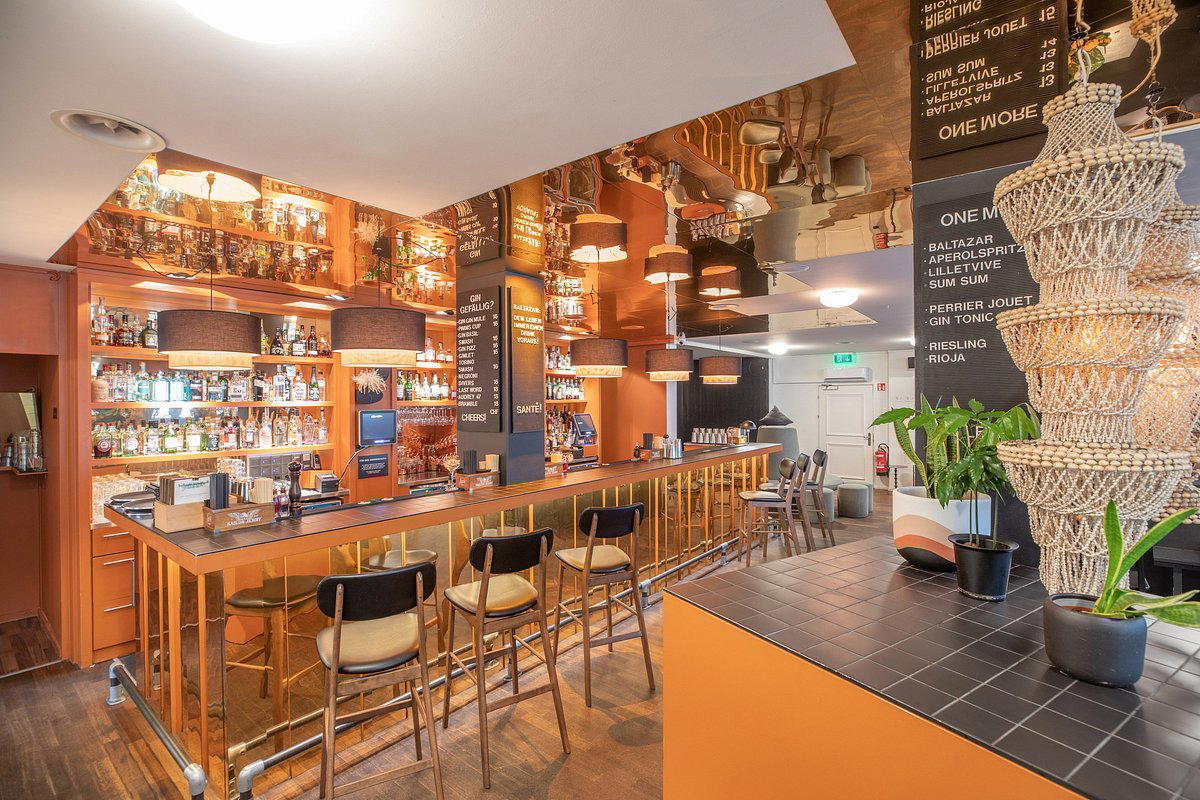
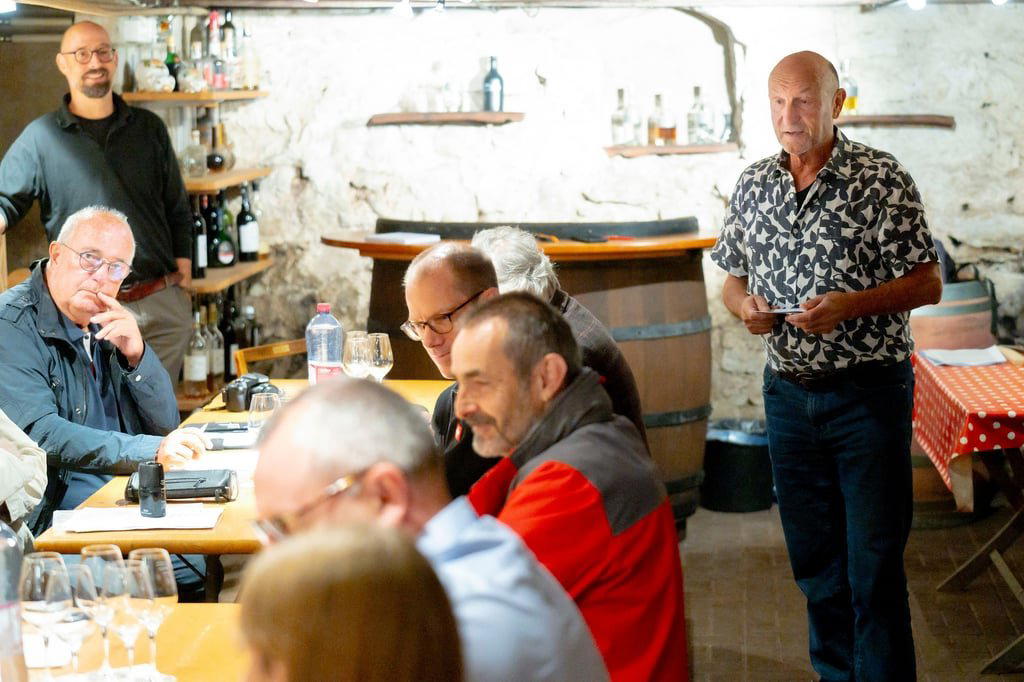
Moulin Neuf occupies a converted mill building in Roggenburg, a small commune in the canton of Jura near the French border, and that setting defines the atmosphere. Expect the quiet, unhurried register of Swiss country-house dining rather than a destination-restaurant scene. The cross-border proximity to Franche-Comté shapes the culinary context, giving the room a regional coherence that distinguishes it from the more urban hotel-restaurants of Basel, roughly 25 to 30 kilometres to the northeast.
Is Hôtel Restaurant Moulin Neuf a good base for exploring the Jura border region from Basel?
Roggenburg sits approximately 25 to 30 kilometres southwest of Basel, making Moulin Neuf a practical overnight option for those wanting to reach the quieter Jura and Franche-Comté countryside without a long transfer. The mill property at Ederswilerstrasse 1 combines lodging and dining in one address, which suits travellers covering the northwest Swiss corner on a multi-day circuit. Road access from Basel is the primary route into the village.
What dish is Hôtel Restaurant Moulin Neuf famous for?
No signature dish is documented in the venue's available record. What is clear is that the mill's location in Roggenburg, close to the Swiss-French border, places it within a culinary zone influenced by Franche-Comté traditions alongside Swiss agricultural sourcing. Any specific menu highlights are best confirmed directly with the restaurant before visiting.
What's Hôtel Restaurant Moulin Neuf's location?
Hôtel Restaurant Moulin Neuf is located at Ederswilerstrasse 1, 2814 Roggenburg, Switzerland, Roggenburg.
Side-by-Side Snapshot
| Venue | Cuisine | Price | Awards | Notes |
|---|---|---|---|---|
| Hôtel Restaurant Moulin NeufThis venue — the venue you are viewing | Organic Swiss Regional | $30–50 | Not listed | Not listed |
| Schloss Schauenstein | Creative Swiss Country Fine Dining | $300–500 | 3 Michelin Stars · World's 50 Best #52 | Modern European, Creative |
| Memories | Modern Swiss Alpine Cuisine | $300–500 | 3 Michelin Stars · La Liste Top Restaurants | Modern Swiss |
| focus ATELIER | Modern French Fine Dining | $200–300 | 2 Michelin Stars · La Liste Top Restaurants | Modern Swiss, Creative |
| IGNIV Zürich by Andreas Caminada | Modern Swiss Fusion Sharing | $150–200 | 2 Michelin Stars · La Liste Top Restaurants | Sharing |
| La Table du Lausanne Palace | Contemporary French Fine Dining | $200–300 | 2 Michelin Stars · La Liste Top Restaurants | Modern French |
Continue exploring
More in Roggenburg
Restaurants in Roggenburg
All restaurants in Roggenburg →
Bars in Roggenburg
Browse all →

Details
- Cozy
- Rustic
- Scenic
- Quiet
- Family
- Casual Hangout
- Hotel Restaurant
- Historic Building
- Organic
- Local Sourcing
- A La Carte
- Vegetarian Friendly
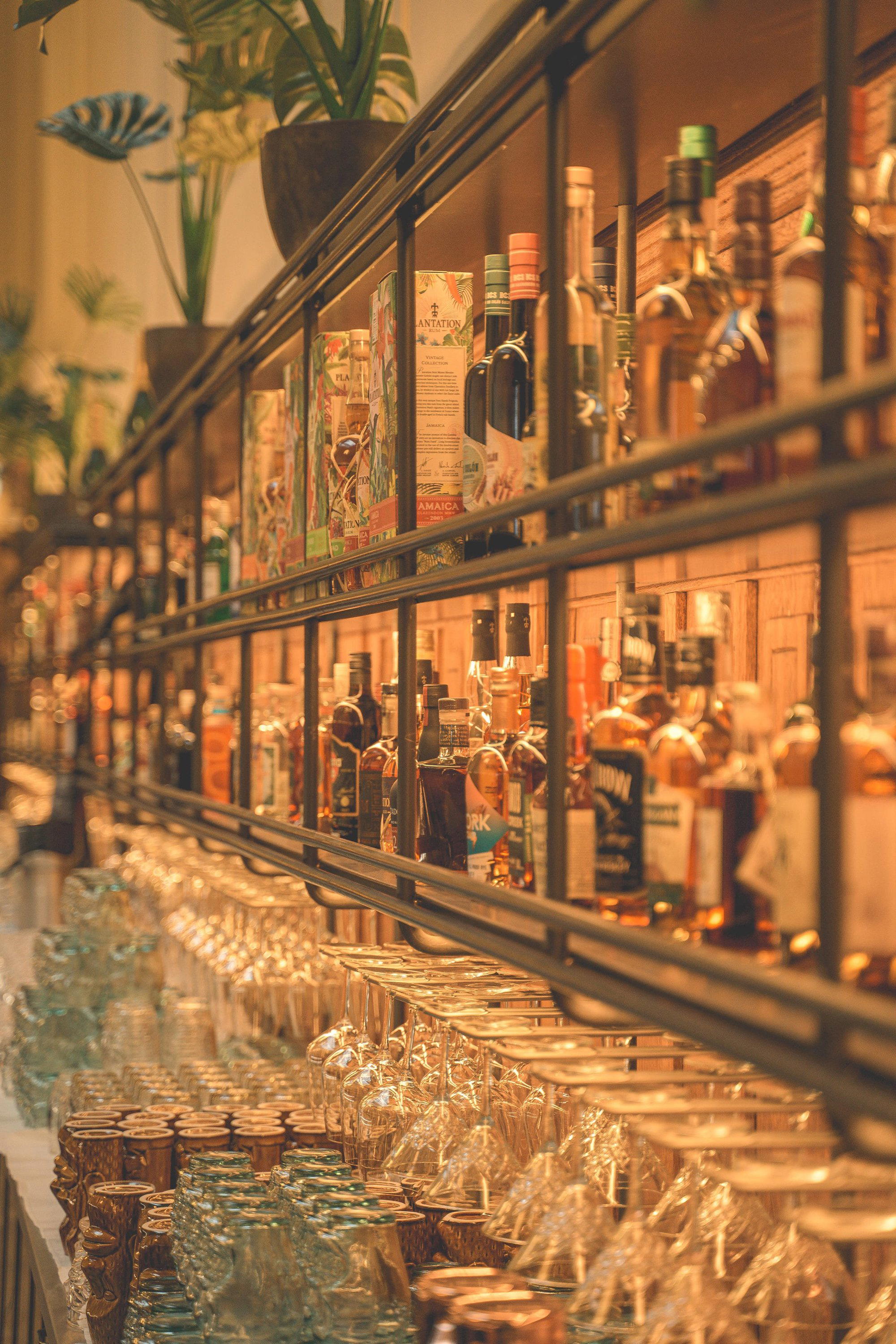
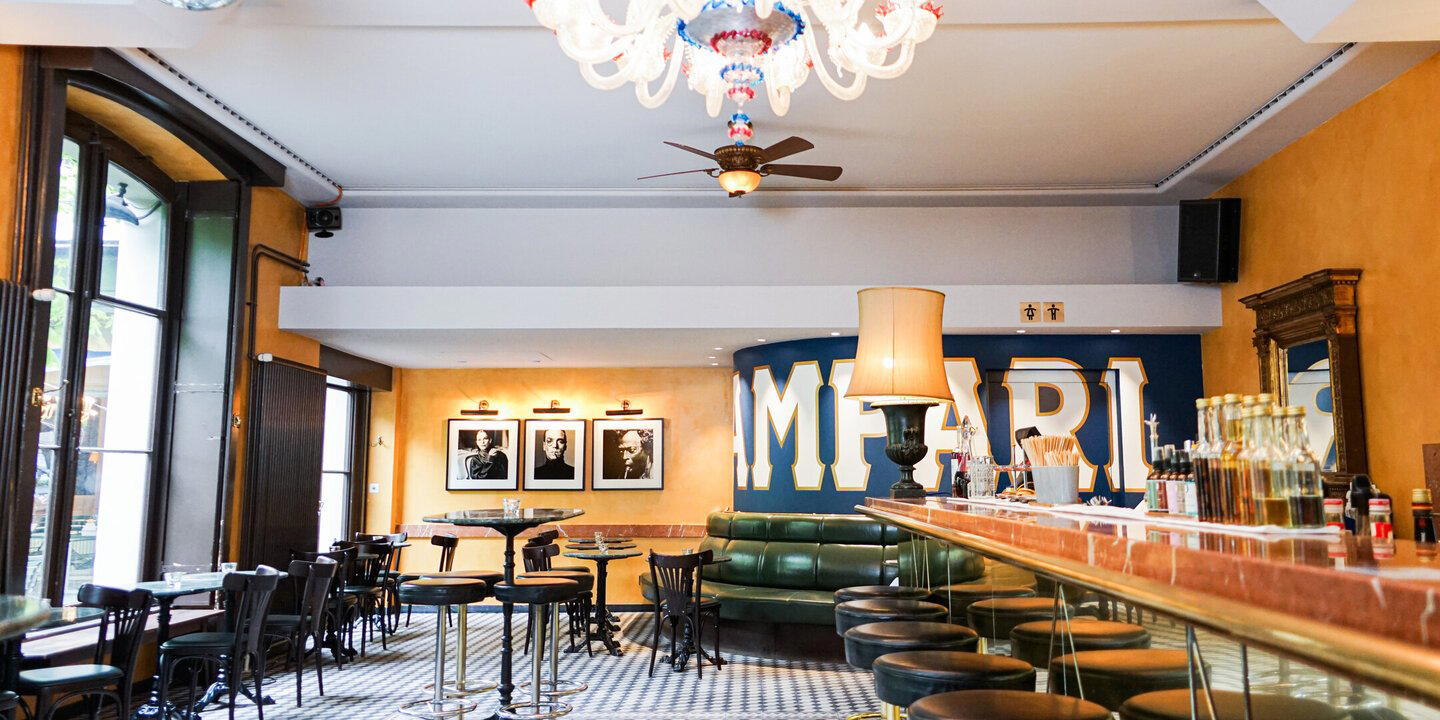
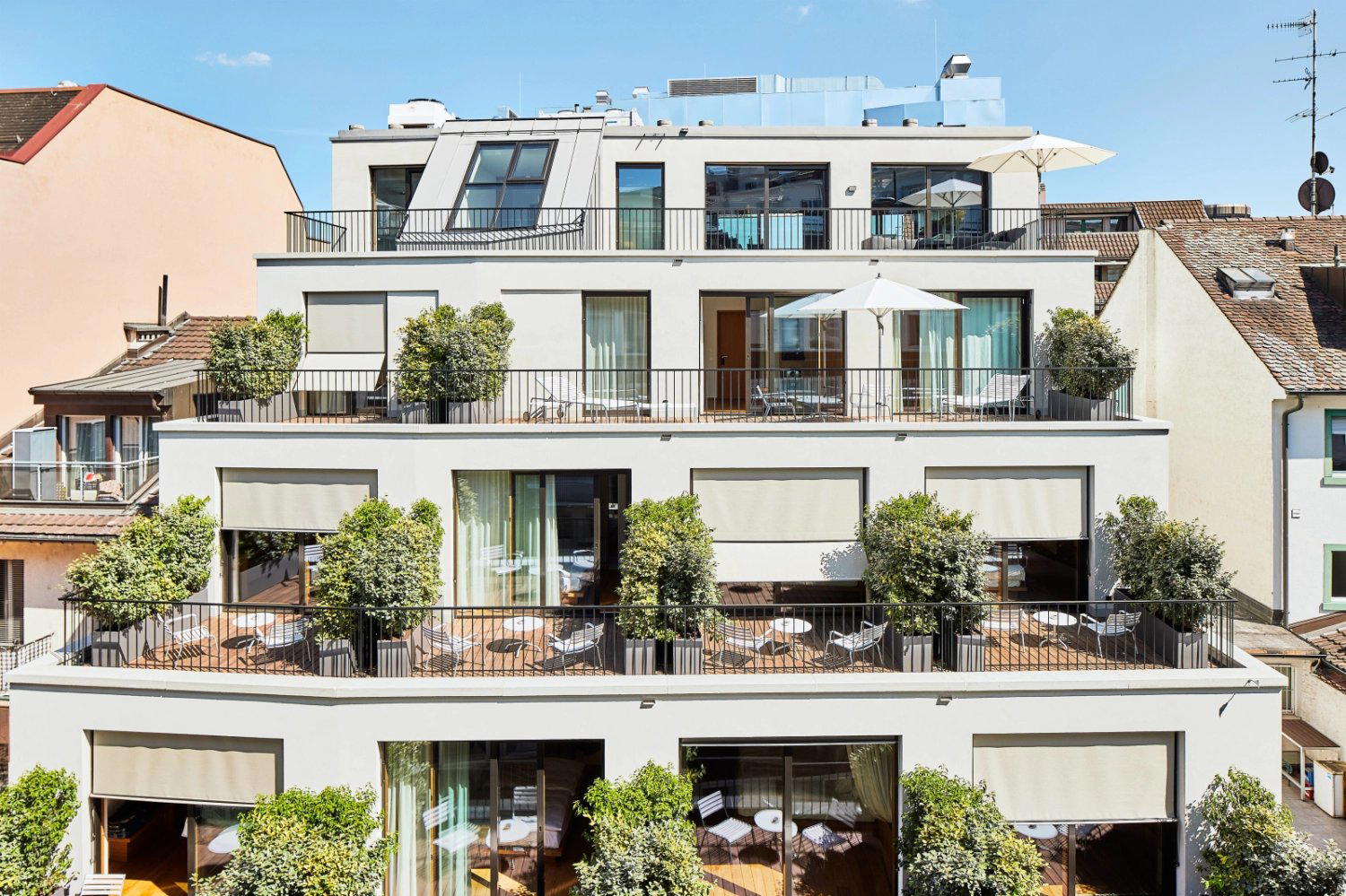
Charming and relaxing atmosphere with tasteful cozy decor.