PAPA ORO's Brugg
PAPA ORO's Brugg occupies a direct address on Hauptstrasse in the centre of Brugg, a small Swiss town in Aargau canton that sits between Zurich and Basel. While detailed records on cuisine style and format remain sparse, the restaurant draws local interest in a market where Italian-inflected dining names carry weight.
Pearl is the En Primeur Club membership app — saves, bookings, and concierge access live there. Same editors, same standards.
- Address
- Hauptstrasse 66, 5200 Brugg, Switzerland
- Phone
- +41795997979
- Website
- papaoros.ch
- Directions
- Get directions
 Saves & bookings on Pearl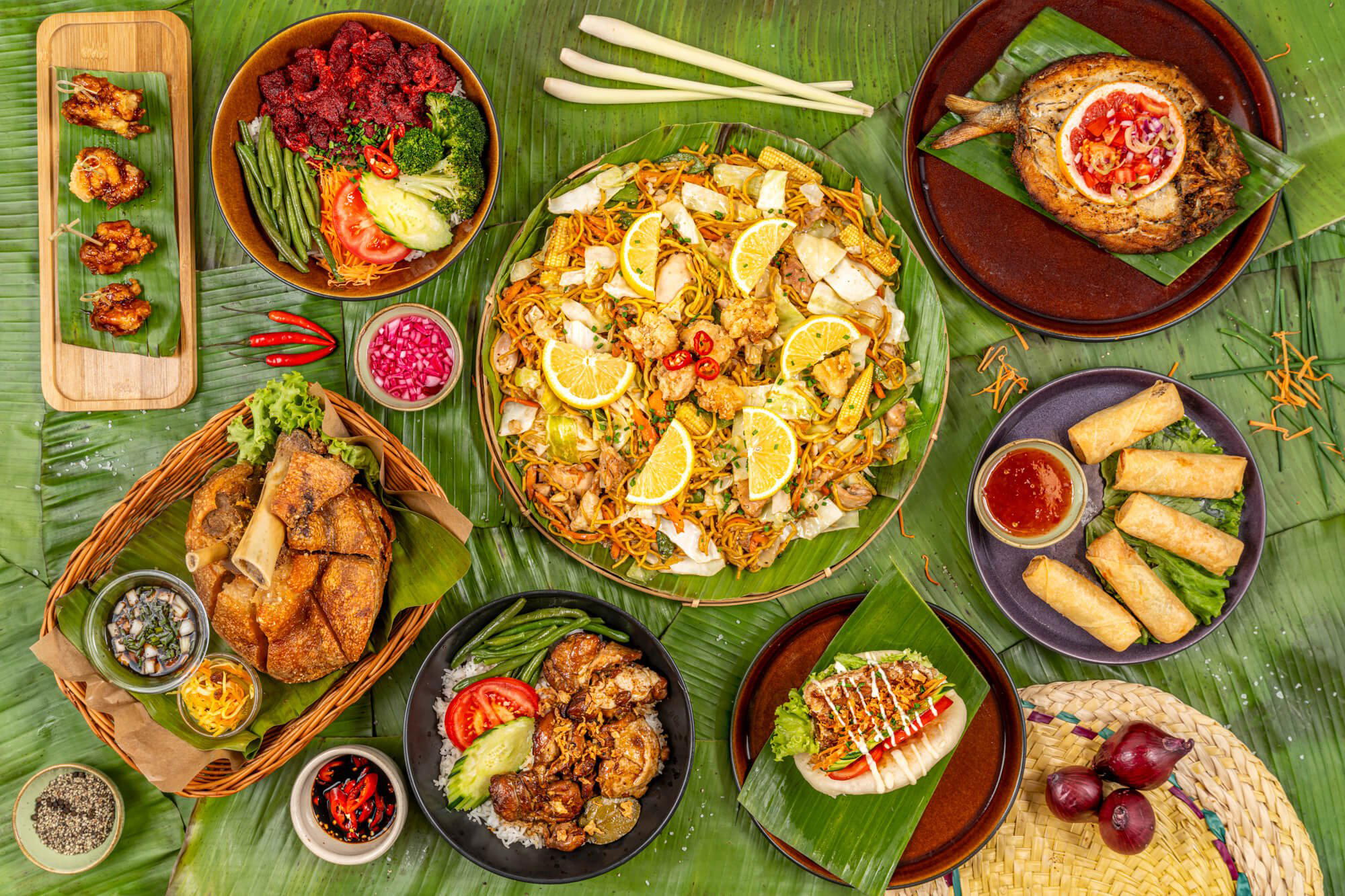
Brugg's Dining Position in the Aargau Canton
Switzerland's German-speaking interior rarely draws the same editorial attention as the arc running from Geneva through Lausanne to Zurich, but the towns along the Aare valley have their own dining logic. Brugg, sitting at the confluence of the Aare, Reuss, and Limmat rivers in Aargau canton, functions as a market town rather than a destination, which shapes how its restaurants operate. They serve a local population with working knowledge of what Swiss and Italian kitchens produce, not a tourist trade expecting novelty. That context matters when reading any restaurant here: the standard is set by regulars who return weekly, not by visitors arriving once.
In that setting, PAPA ORO's Brugg is a casual Filipino Ricebowls & More restaurant at Hauptstrasse 66 in Brugg, Switzerland. It holds a position on Hauptstrasse 66, the main artery through the town centre, where foot traffic and neighbourhood proximity matter more than destination draw. The name, with its Italian inflection, places it in a category of Italian-origin restaurants that have operated across Swiss towns for decades, serving as a bridge between Swiss produce and Mediterranean cooking traditions. That lineage is worth understanding before the specifics.
The Italian Restaurant Tradition in Swiss Market Towns
Switzerland's relationship with Italian cuisine is older and more structural than in most of northern Europe. Post-war migration brought Italian workers, and with them, a restaurant culture that embedded itself into Swiss towns at every price point. By the 1970s and 1980s, Italian-run trattorias and ristorantes were the default dining-out option in many German-Swiss towns, not an imported novelty. What followed was a decades-long evolution: some of those establishments stayed close to their regional Italian roots, while others absorbed Swiss ingredients and local produce into their menus, creating a hybrid that is neither purely Italian nor conventionally Swiss.
The ingredient sourcing question sits at the centre of that evolution. Switzerland's agricultural output, from Aargau's fruit orchards to the dairy farms spread across the canton, offers raw material that any kitchen committed to local sourcing can draw on. Italian cooking traditions, particularly those from the north, translate well to Swiss produce: risotto made with locally grown grains, pasta paired with Aargau vegetables, and sauces built around dairy products that reflect the same mountainous terroir that defines northern Italian alpine cuisine. Where a restaurant in this category positions itself on that spectrum, leaning toward imported Italian ingredients or toward Swiss regional sourcing, determines much of its character. That specific positioning is the defining one for any restaurant in this tradition.
How Brugg Fits the Broader Swiss Restaurant Picture
Switzerland's Michelin-starred tier concentrates in specific cities and destinations. Cheval Blanc by Peter Knogl in Basel and Schloss Schauenstein in Fürstenau represent the country's upper formal tier. Further along the canton arc, Memories in Bad Ragaz and focus ATELIER in Vitznau operate in the Modern Swiss creative mode that has defined Switzerland's contemporary fine dining identity. IGNIV Zürich by Andreas Caminada in Zurich takes a sharing format approach that sits in a different register again.
Brugg operates apart from that tier. The town's dining scene functions on neighbourhood logic: regular clientele, accessible pricing, and a relationship between kitchen and community that the destination-dining circuit does not replicate. Restaurants at this level across Switzerland are not competing with Hotel de Ville Crissier in Crissier or La Table du Lausanne Palace in Lausanne. They are competing with the habits of a local population that could easily cook at home or drive twenty minutes to a larger town. Holding that trade over years is its own form of credibility, distinct from awards and press recognition.
Brugg is neither of those contexts, which is precisely what defines its local character.
Arriving and Planning a Visit
Brugg is served by the Swiss federal rail network, with the Brugg AG station placing most of the town centre within a short walk. The main SBB line connecting Zurich and Basel stops here, making Brugg direct to reach from either city without a car. Hauptstrasse runs through the pedestrian and commercial core, so finding the address at number 66 does not require local knowledge.
Booking is recommended before a visit. The restaurant is open daily from 10 AM to 9 PM. Planning around that rhythm is the practical reality of dining in market-town Switzerland, regardless of the specific restaurant.
For those building an extended Swiss itinerary that includes dining of this character alongside more formal options, the Aargau and broader northeast Switzerland region offers a range: Magdalena in Schwyz, Einstein Gourmet in Sankt Gallen, and Colonnade in Lucerne each represent different expressions of what the German-Swiss dining scene produces across format and price tiers. Further afield, 7132 Silver in Vals and Maison Wenger in Le Noirmont show how remote Swiss locations can sustain serious kitchens. For global reference points on what Italian-rooted technique can produce at the highest levels, Le Bernardin in New York City and Atomix in New York City offer instructive contrasts in how ingredient sourcing and kitchen philosophy define a restaurant's identity at scale. And for a different expression of French-rooted precision, L'Atelier Robuchon in Geneva sits at the opposite end of Switzerland's dining register.
Comparable Spots, Quickly
Comparable venues nearby, for context on price, style, and recognition.
| Venue | Cuisine | Price | Notes |
|---|---|---|---|
| PAPA ORO's BruggThis venue — the venue you are viewing | Filipino Ricebowls & More | $$ | Not listed |
| The Jack's House | Authentic Balkan Grill | $$ | Altstetten |
| Viadukt | Modern Swiss | $$ | Industriequartier |
| Jaybees | Vegan Street Food | $$ | Unterstammheim |
| Gonzo | Club Bar | $$ | Aussersihl |
| Burro Concept | Modern Streetfood Concept | $$ | Fluntern |
At a Glance
- Cozy
- Family
- Casual Hangout
- Group Dining
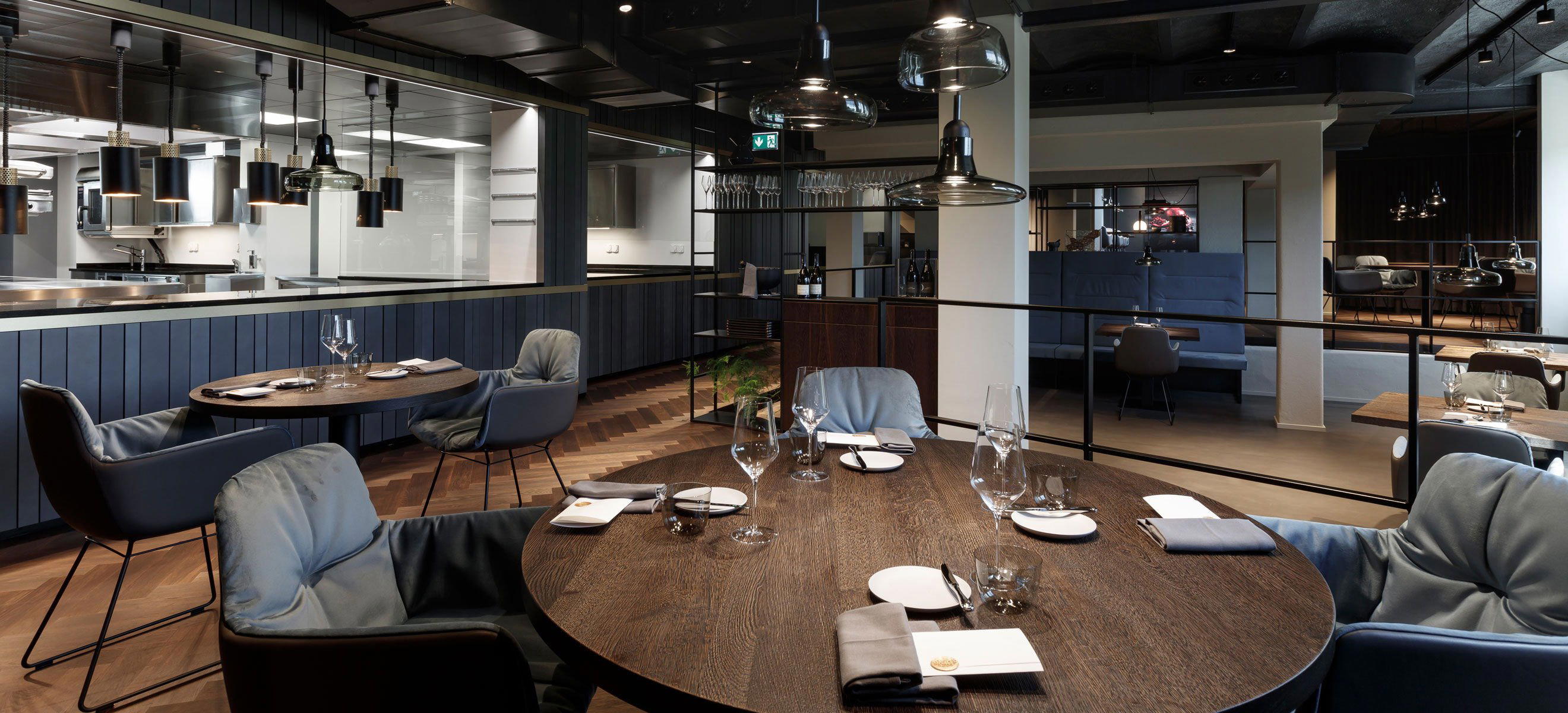
- Open Kitchen
- Beer Program
Current opening hours
- Monday
- 10 AM–9 PM
- Tuesday
- 10 AM–9 PM
- Wednesday
- 10 AM–9 PM
- Thursday
- 10 AM–9 PM
- Friday
- 10 AM–9 PM
- Saturday
- 10 AM–9 PM
- Sunday
- 10 AM–9 PM
Hours can change for holidays and private events. Last verified .
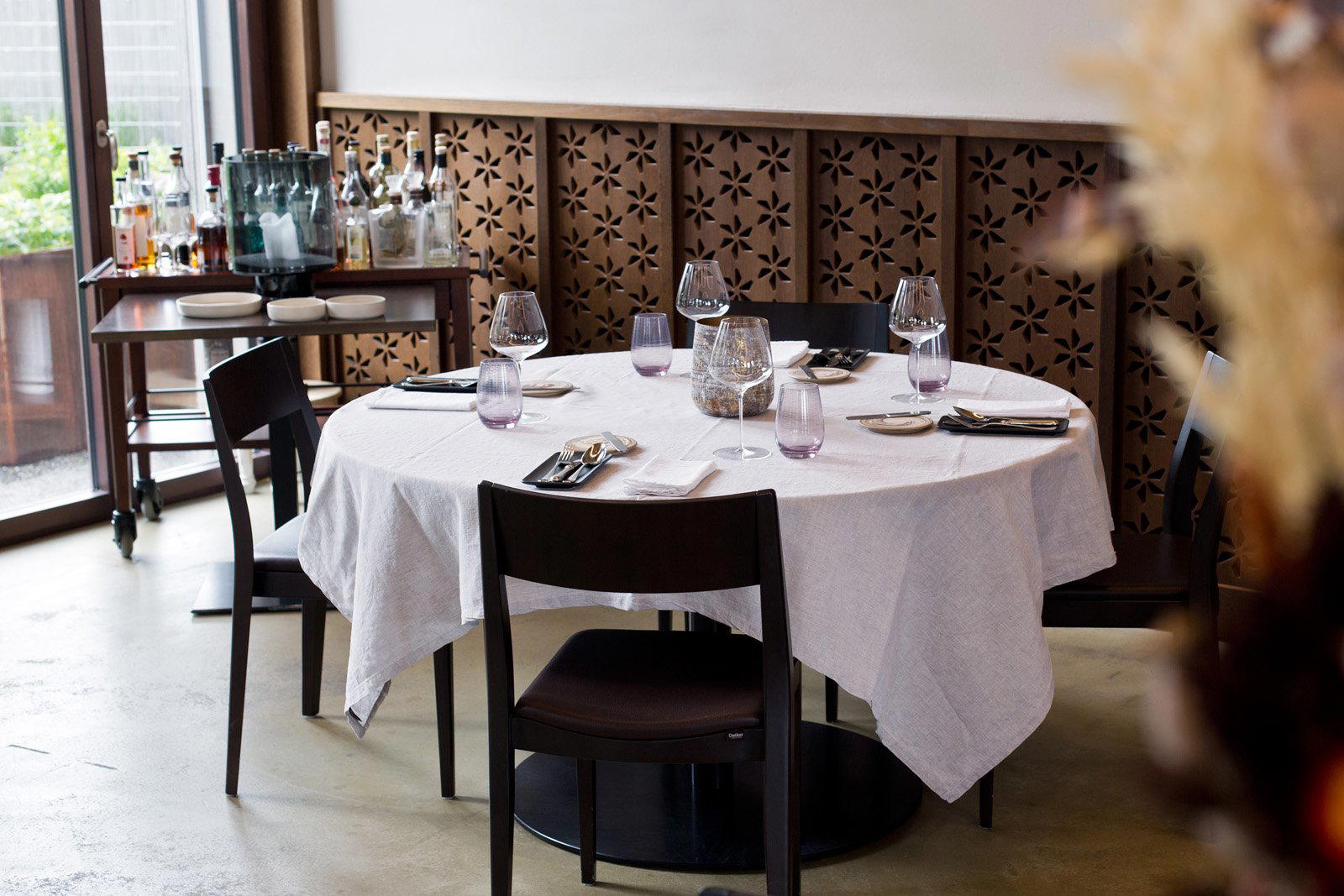
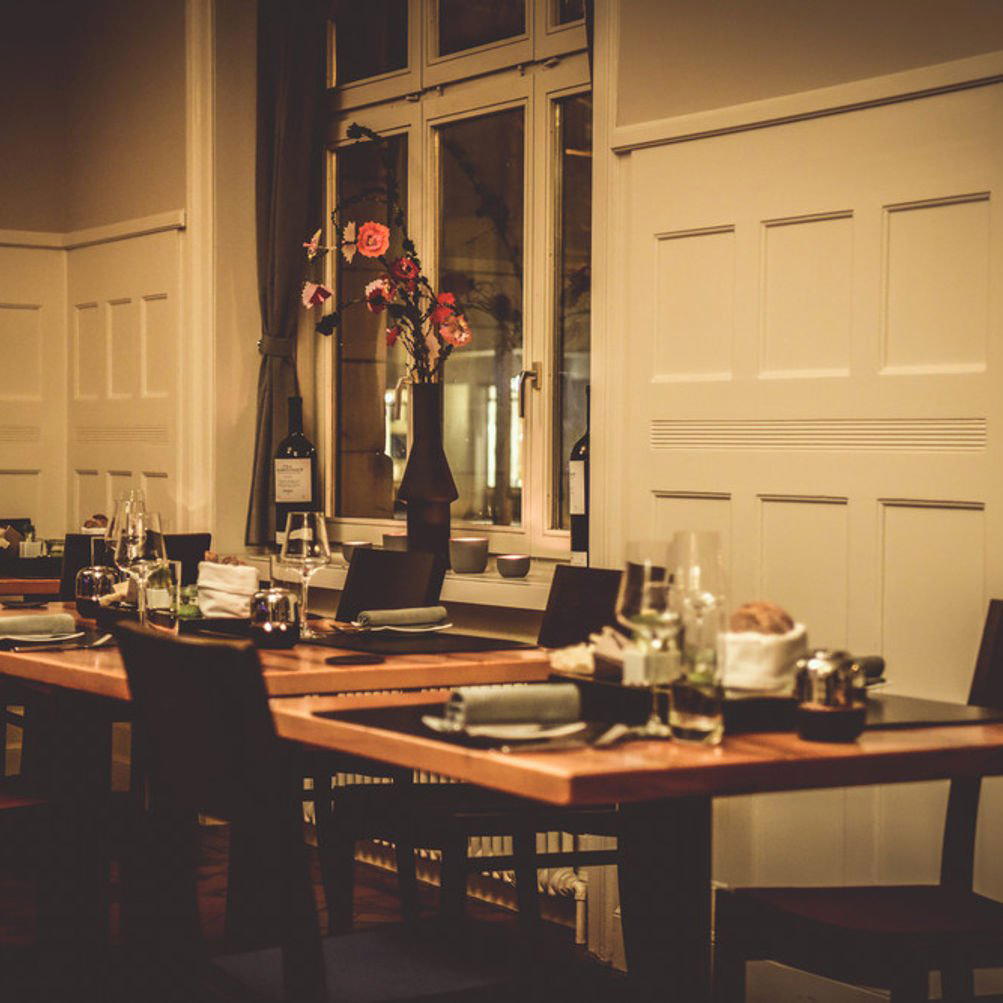
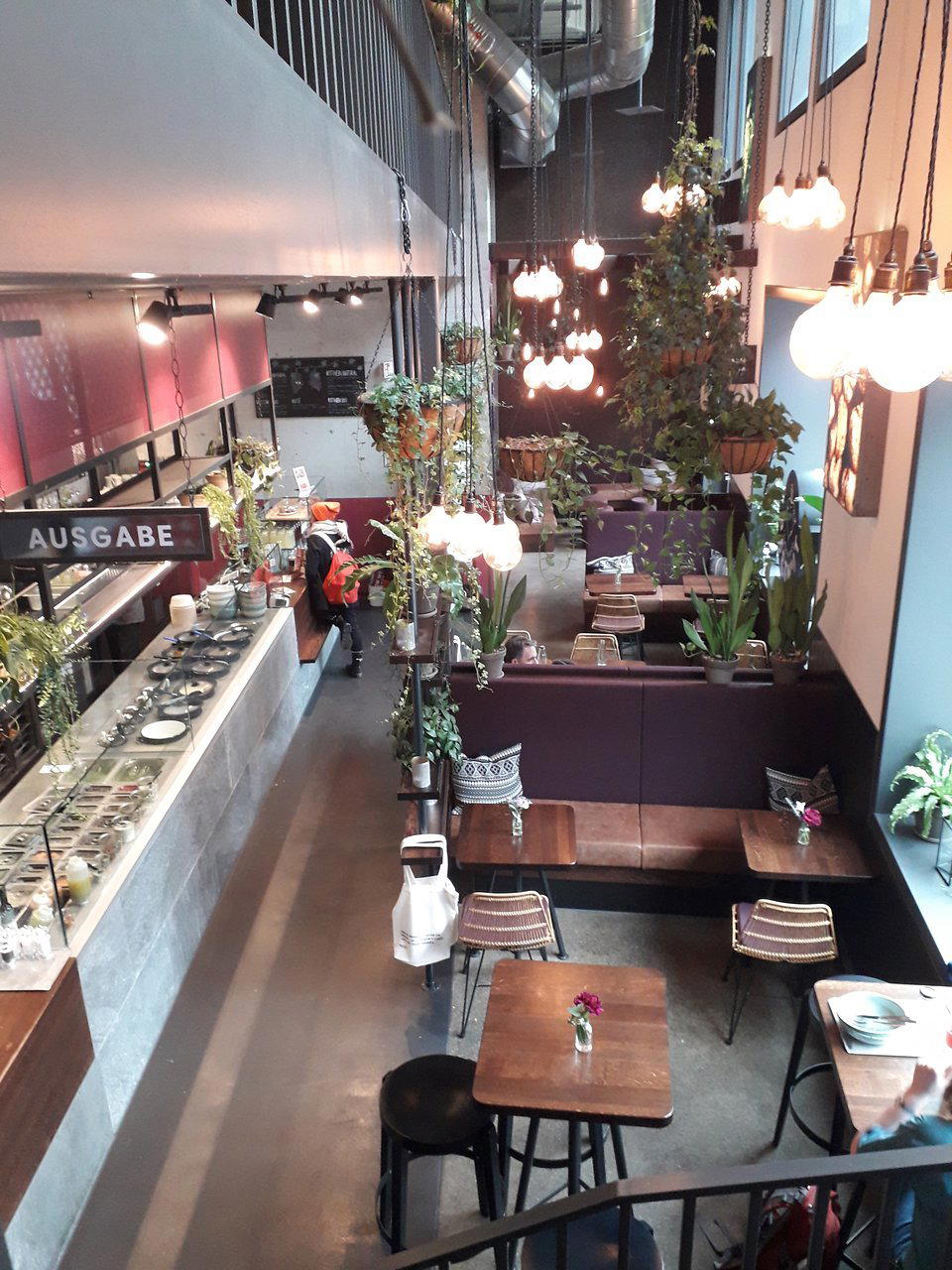
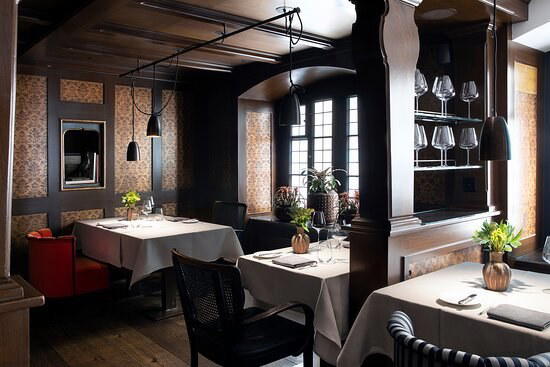
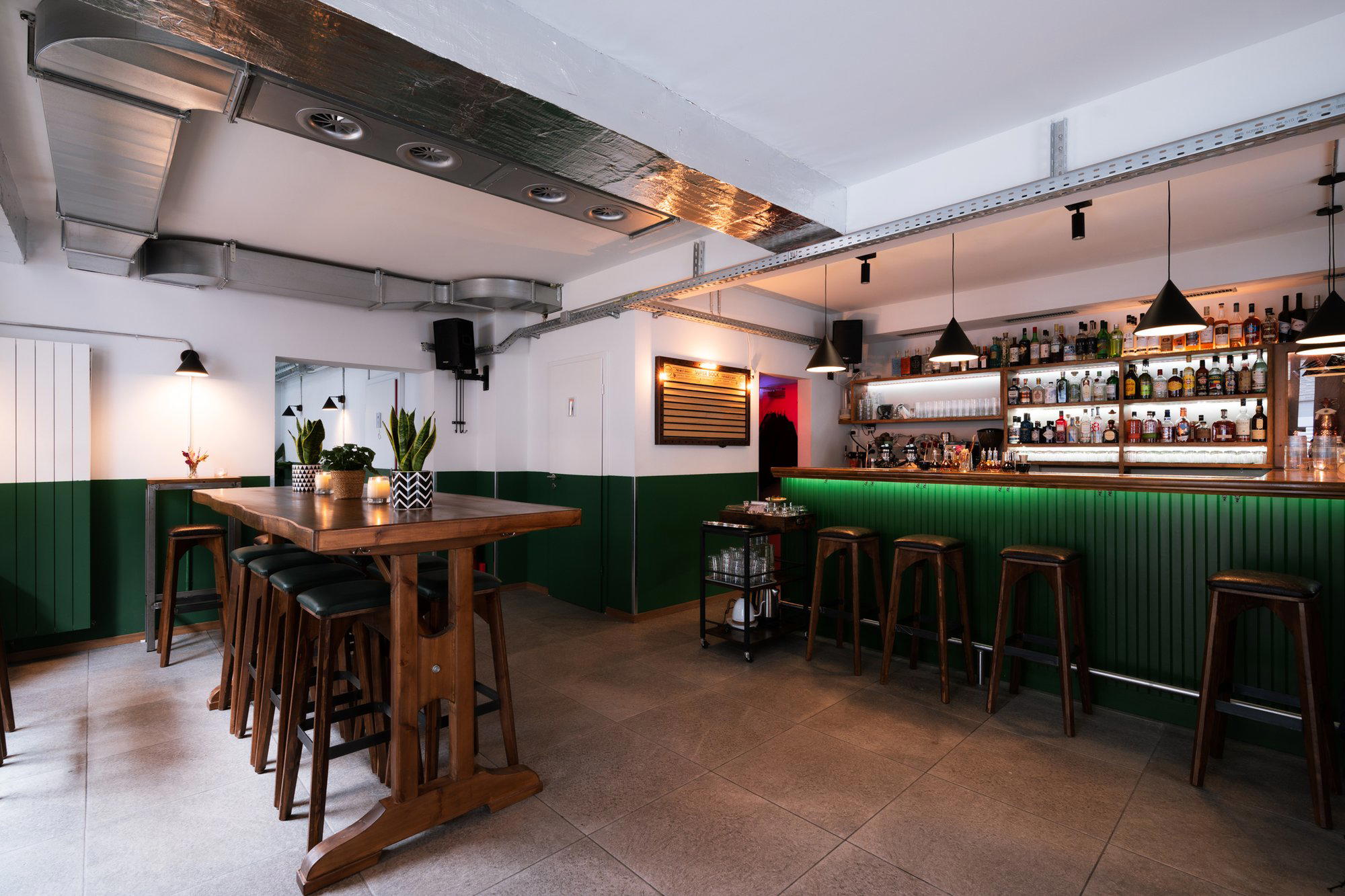
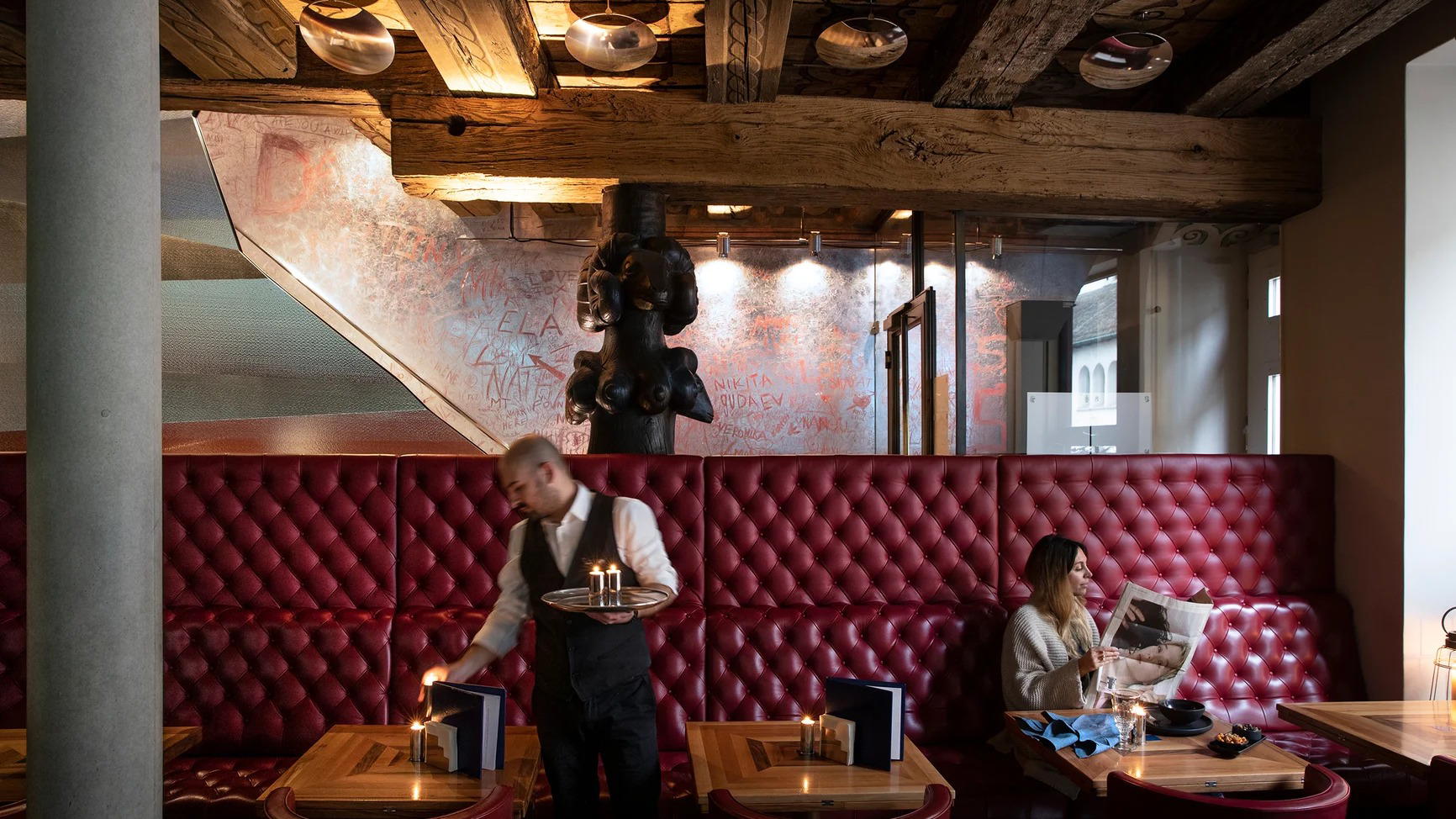
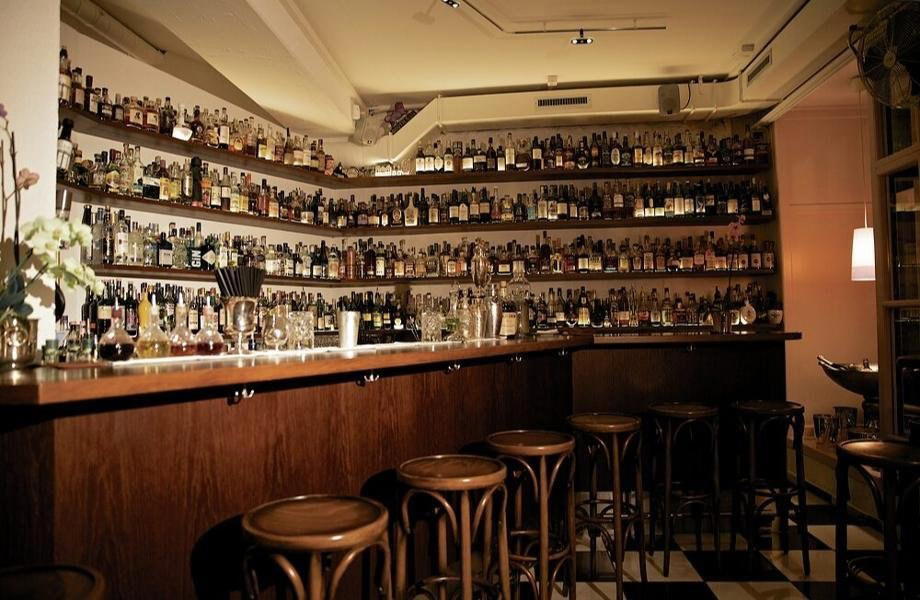
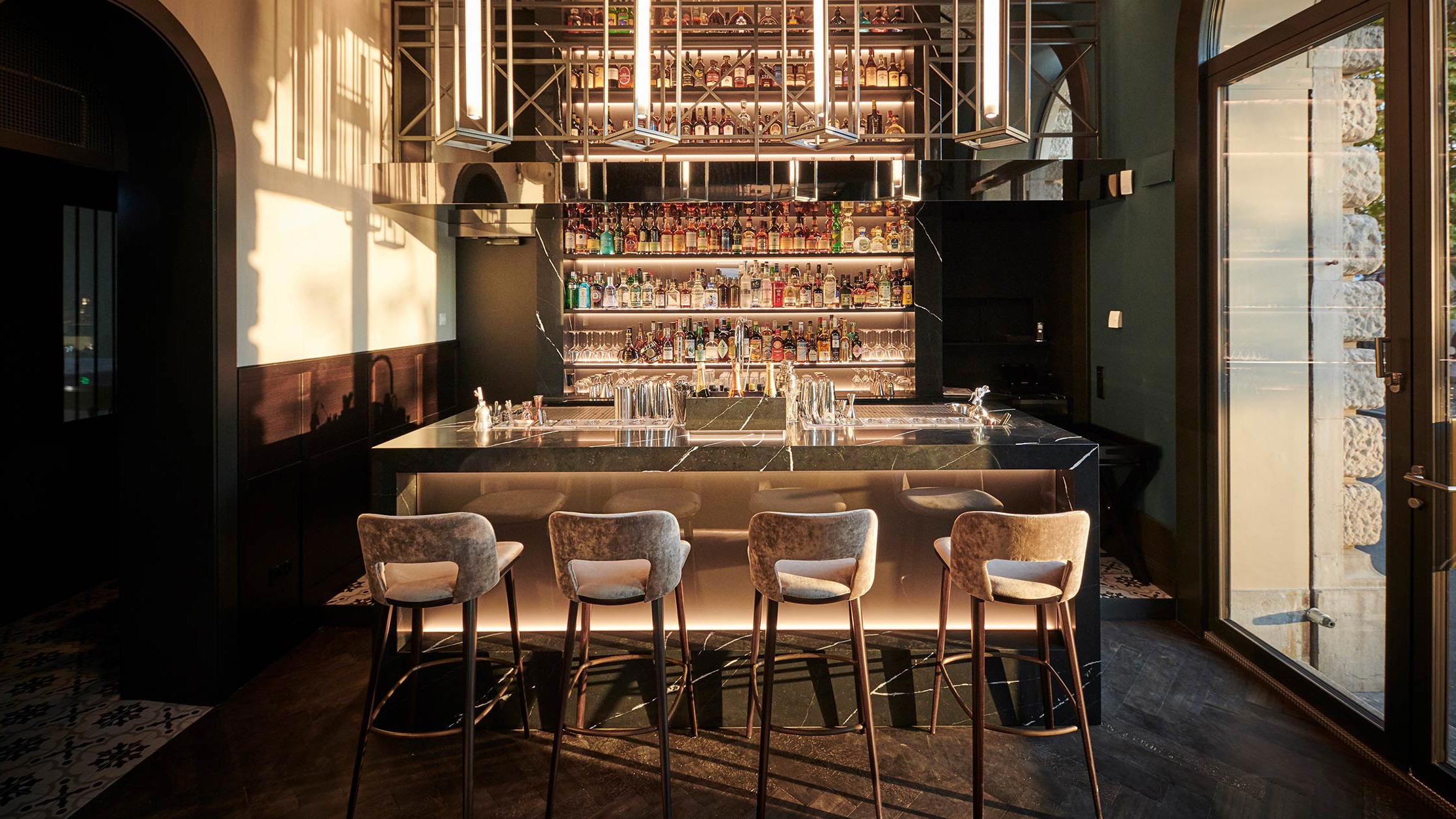
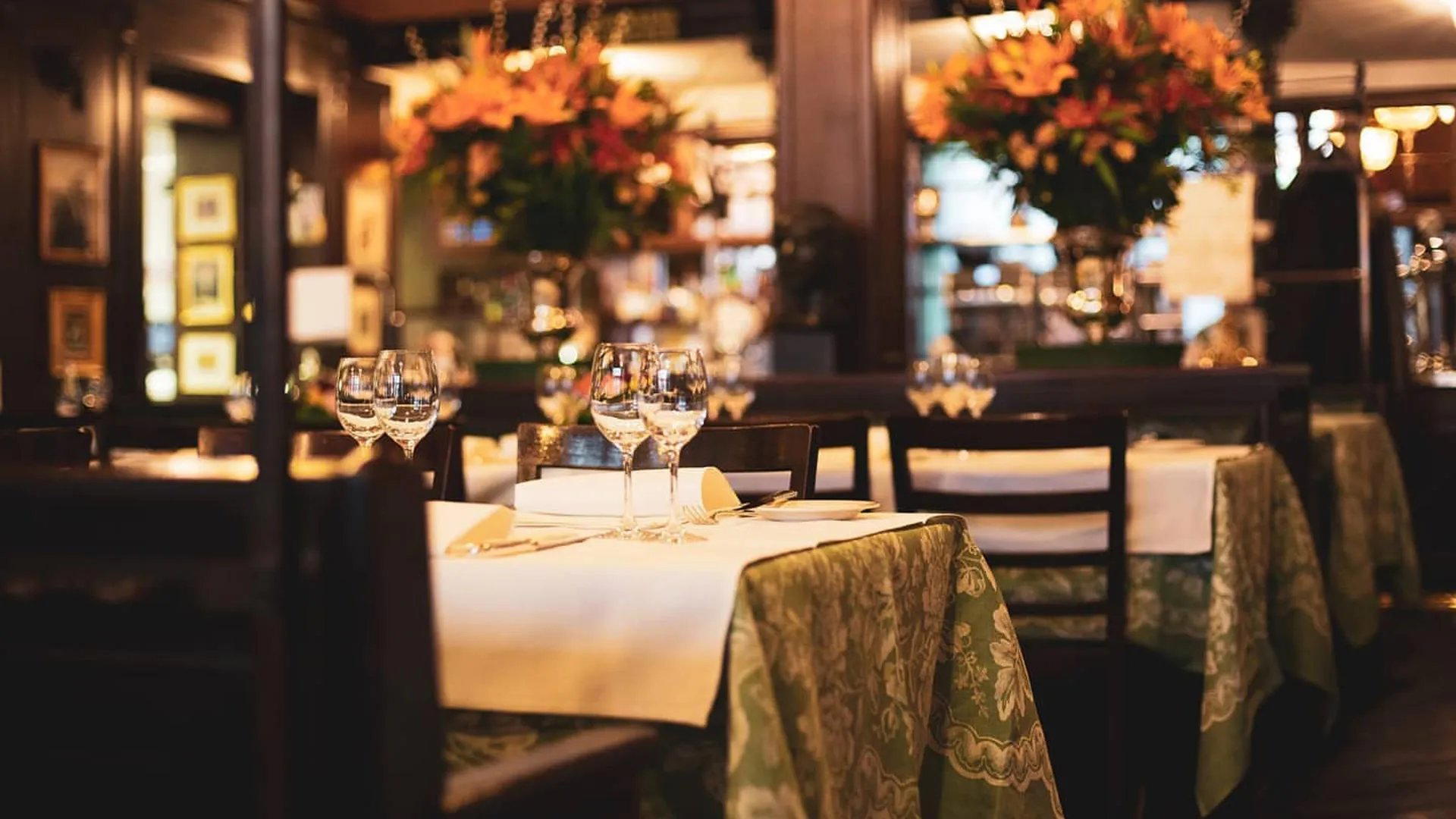
Warm, family-table atmosphere with contemporary Filipino flair.