Viktor
Viktor occupies a corner address at Viktoriaplatz in Bern's residential Länggasse district, operating at a remove from the old town's tourist circuit. The surrounding neighbourhood sets a particular expectation: this is a local dining room first, a destination second. For visitors working through Bern's mid-to-upper tier of independent restaurants, it belongs on the same itinerary as Wein & Sein and Steinhalle.
Pearl is the En Primeur Club membership app — saves, bookings, and concierge access live there. Same editors, same standards.
- Address
- Viktoriapl. 3, 3013 Bern, Switzerland
- Phone
- +41313333013
- Website
- allcatsarebeautiful.ch
- Directions
- Get directions
 Saves & bookings on Pearl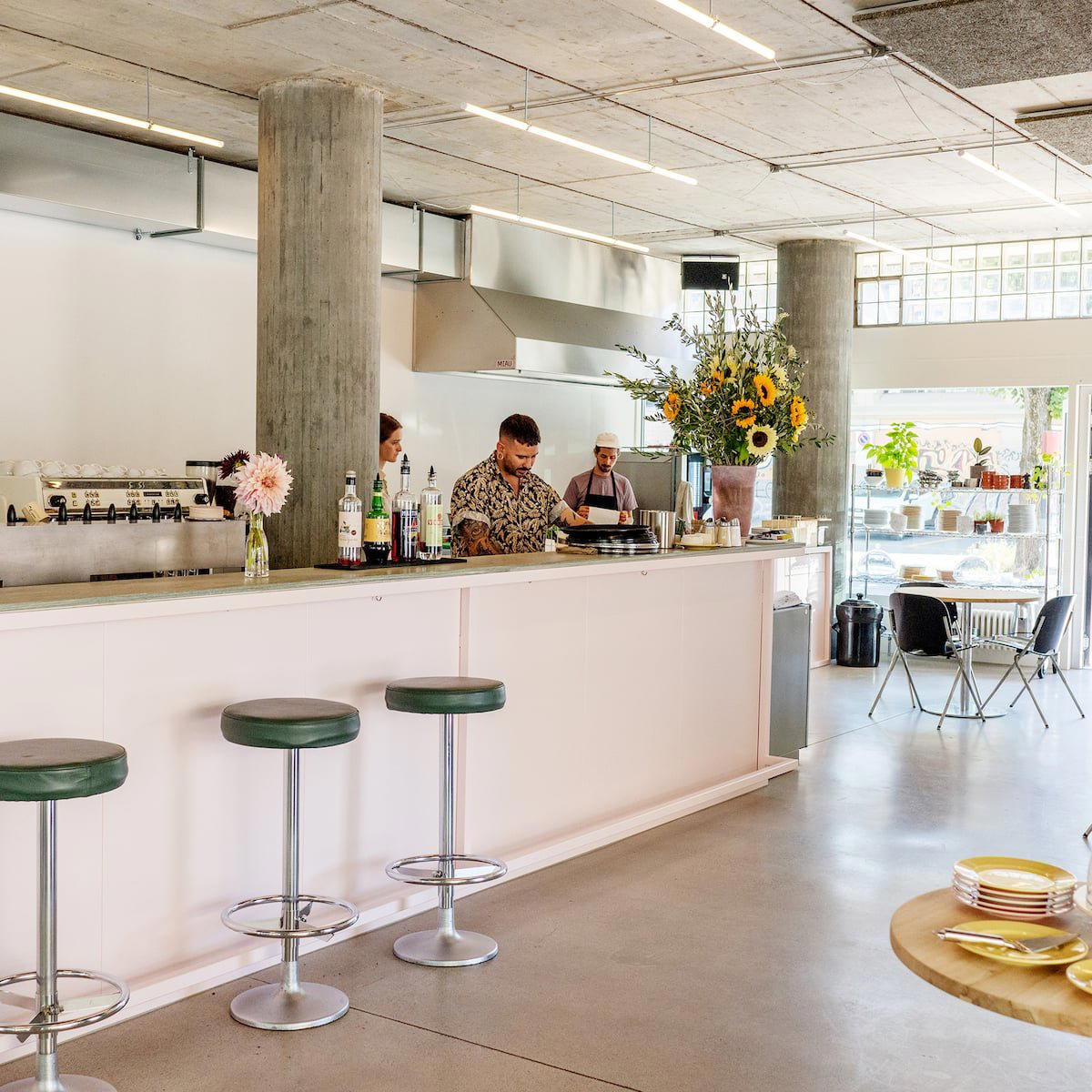
Viktoriaplatz and What It Signals
Bern's dining geography divides fairly cleanly between the medieval old town, where restaurants compete for tourist footfall along the arcaded Lauben, and the quieter residential quarters that ring it. Länggasse, the district that holds Viktoriaplatz, belongs firmly to the second category. The square itself is a neighbourhood node: tram stops, a cluster of local businesses, apartment buildings with ground-floor retail. Arriving at Viktoriapl. 3 involves a short tram or walk from the Bundesplatz axis, and that short distance is meaningful. Restaurants that choose this kind of address are, by implication, building for repeat local customers rather than passing trade. That positioning shapes what a diner should expect before they even open the door.
In Swiss cities, neighbourhood placement is a reliable proxy for dining register. The heavily awarded Swiss table — think Hotel de Ville Crissier in Crissier or Schloss Schauenstein in Fürstenau — tends to occupy landmark or destination addresses. Neighbourhood restaurants occupy a different tier: less theatrical, more consistent, built on the economics of local loyalty rather than special-occasion pilgrimage. Viktor operates in that second mode, which is not a limitation but a distinct set of strengths.
Where Viktor Sits in Bern's Independent Scene
Bern's upper tier of independent restaurants has consolidated around a handful of addresses in recent years. Wein & Sein holds a position in modern cuisine at the €€€€ price point, with a format that prioritises wine programme depth alongside the kitchen. Steinhalle occupies the creative tier at a comparable price, working inside a historic industrial space that gives it a different atmospheric register entirely. ZOE sits a bracket lower on price while making vegetarian cooking its organising principle. Viktor's Viktoriaplatz address places it outside this central cluster, which means it draws a different kind of diner: one who is either a local regular or has made a deliberate choice to seek it out.
That deliberate-choice dynamic is increasingly common in mid-sized European cities. As central-area rents in places like Bern have risen, credible kitchens have pushed into inner residential districts where overheads allow more focus on the plate. The pattern is visible in Zurich's outer quarters and in Basel's left-bank neighbourhoods. Viktor fits that broader urban-dining trend, whether or not it consciously positions itself that way.
For comparison, Bern's broader dining alternatives include Al Toque and Azzurro – Terra e Mare, each working different culinary registers. The city's scene is compact enough that the distinctions between these addresses are worth understanding before booking. Our full Bern restaurants guide maps the relationships between price tier, neighbourhood, and format across the city's relevant dining addresses.
The Swiss Fine-Dining Frame
Switzerland's broader fine-dining infrastructure is denser than most visitors realise. Cheval Blanc by Peter Knogl in Basel and Memories in Bad Ragaz operate at the Michelin three-star level; 7132 Silver in Vals, Colonnade in Lucerne, and focus ATELIER in Vitznau each anchor a different region. Da Vittorio in St. Moritz and Einstein Gourmet in Sankt Gallen extend the pattern to the east. IGNIV Zürich by Andreas Caminada represents the sharing-format model in the country's largest city.
Bern, as the federal capital, sits within easy reach of this broader network, but its own dining infrastructure has historically punched below its administrative weight. The city's population of around 140,000 supports a limited pool of ambitious independent kitchens, which is part of why each address carries more significance than it might in a larger city. An international comparison is instructive: the density of serious restaurants per capita in Bern sits far below what a visitor arriving from New York, where Le Bernardin and Atomix represent just two entries in a deep competitive field, would be used to. That scarcity makes the independent addresses that do exist more worthy of attention, and more dependent on a local-loyal customer base to sustain themselves.
Planning a Visit
Viktor's address at Viktoriapl. 3, 3013 Bern, is served by Bern's tram network, with Viktoriaplatz itself a recognised stop on the city's public transit grid. For visitors staying in the old town or around Hauptbahnhof, the journey takes under fifteen minutes. Spontaneous visits to neighbourhood restaurants in Bern are more viable outside peak dinner hours on weekends, when the city's limited supply of tables at credible addresses tends to fill quickly among regulars.
Bern's restaurant week and seasonal programmes occasionally shift availability across the city's mid-tier addresses, so timing a visit around these periods, if flexibility allows, can affect both pricing and menu ambition. The federal capital's event calendar, tied to parliamentary sessions and international institutional activity, generates mid-week demand spikes that neighbourhood restaurants feel less acutely than old-town addresses, another small advantage of Viktor's Länggasse-adjacent position.
Continue exploring
More in Bern
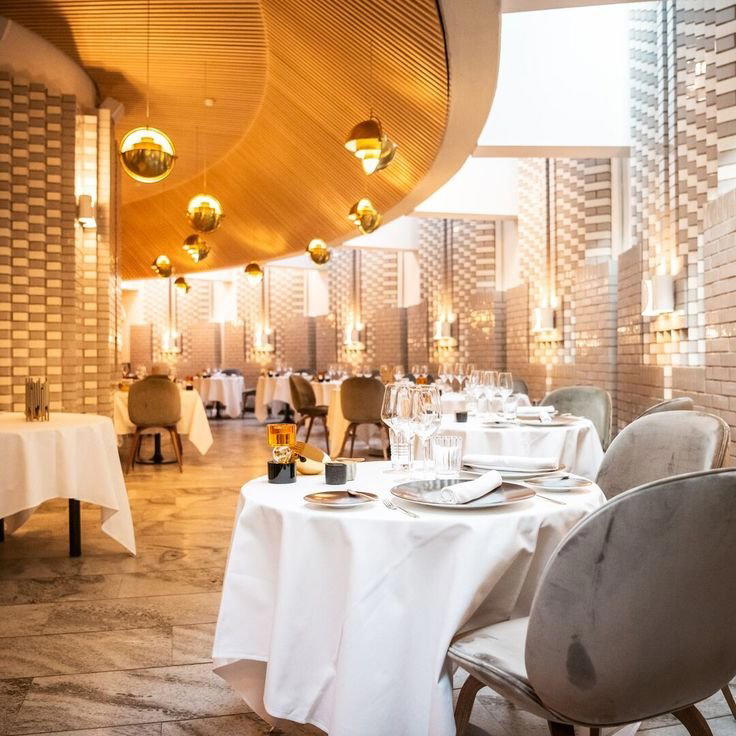
Restaurants in Bern
Browse all →
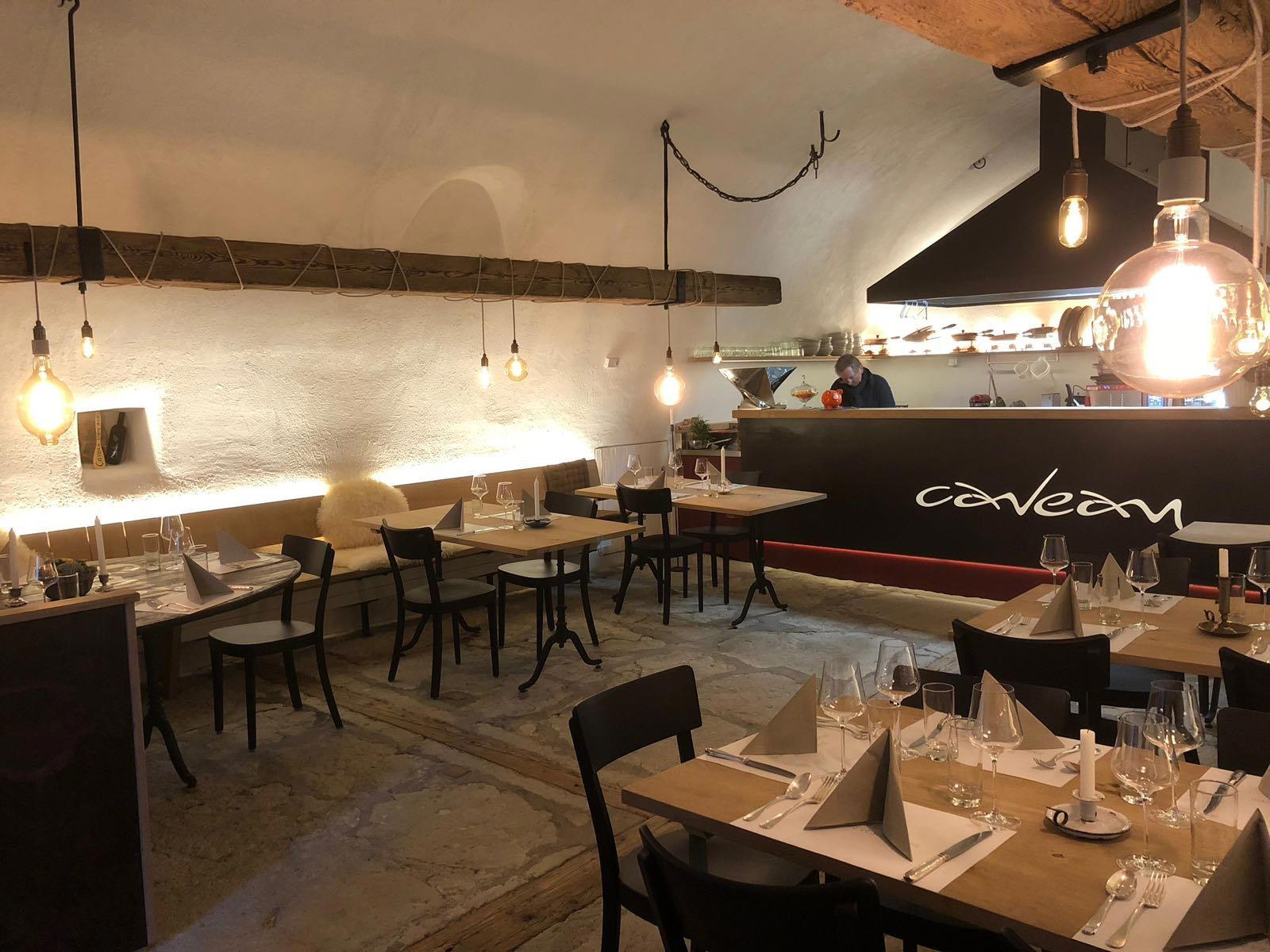
Bars in Bern
Browse all →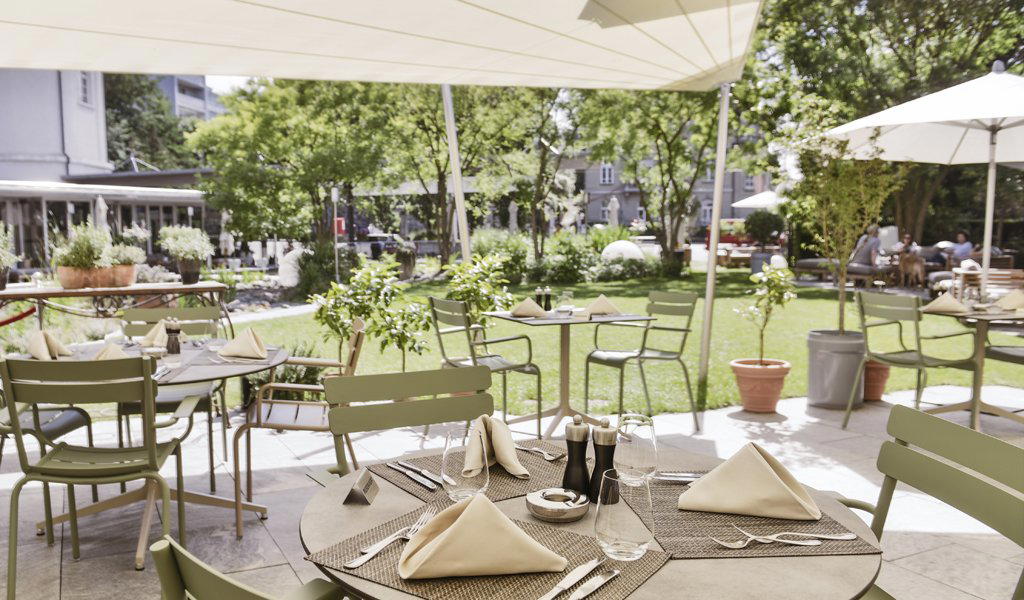
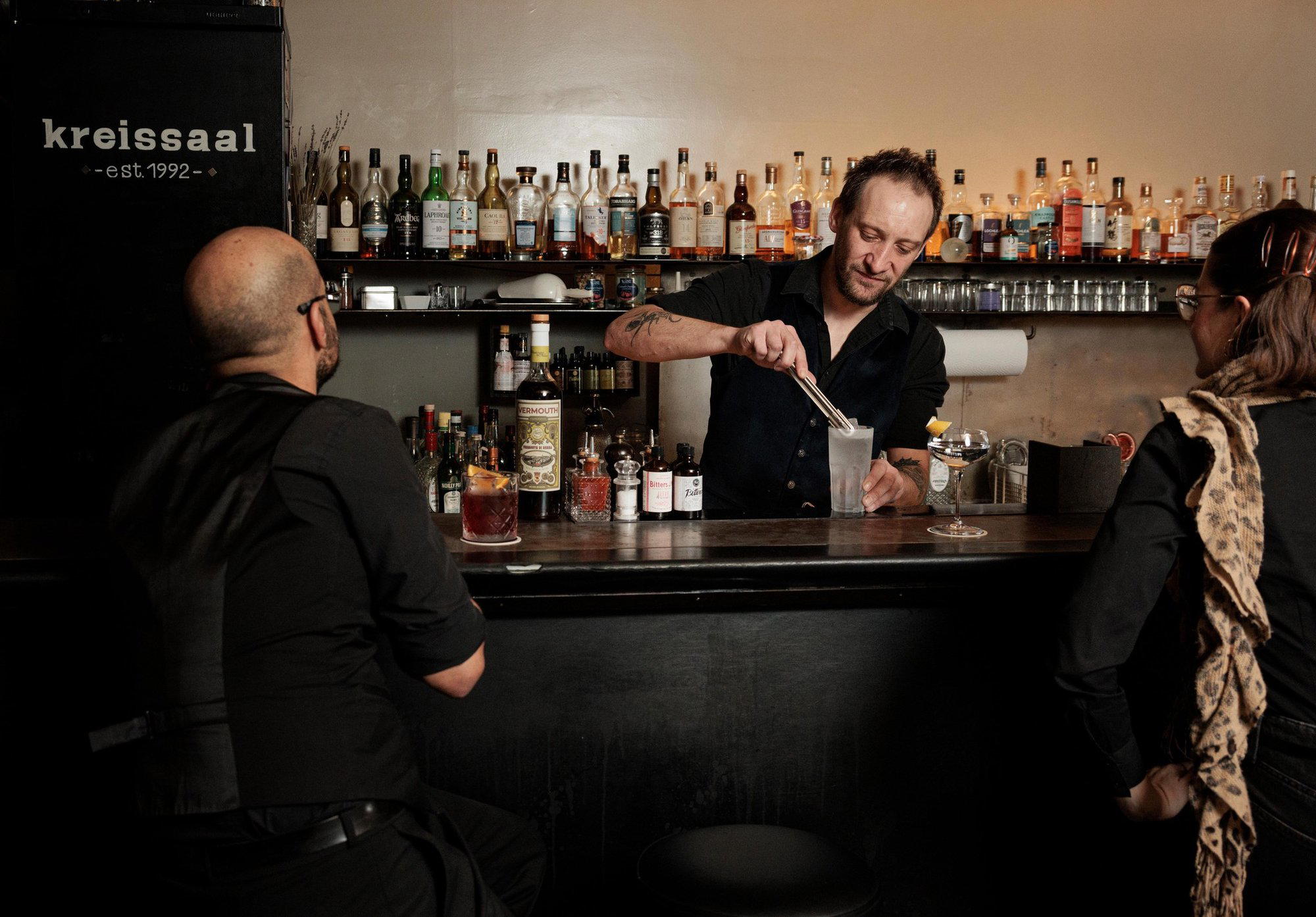
Hotels in Bern
Browse all →

At a Glance
- Cozy
- Trendy
- Intimate
- Casual Hangout
- Brunch
- Standalone
- Natural Wine
- Local Sourcing
- Organic
Current opening hours
- Monday
- 8 AM–10 PM
- Tuesday
- 8 AM–10 PM
- Wednesday
- 8 AM–10 PM
- Thursday
- 8 AM–12 AM
- Friday
- 8 AM–12 AM
- Saturday
- 8 AM–12 AM
- Sunday
- 9 AM–4 PM
Hours can change for holidays and private events. Last verified .
Know Before You Go
- Getting there
- Viktoriapl. 3, 3013 Bern, Switzerland