


Michelin Plate · Star Wine List
Our verdict
In the Sundgau's quiet southern Alsace villages, Cheval Blanc has held its place in the Opinionated About Dining Classical in Europe rankings for three consecutive years, reaching number five in 2025. Run by Eric and Claire Ispa with the warmth of a family institution, the kitchen delivers traditional cuisine at a price point that makes it one of the more accessible entries in the region's serious dining tier. A Michelin Plate recognises the consistency that keeps locals and destination diners returning.

Pearl is the En Primeur Club membership app, where members save venues, book tables and use the concierge.
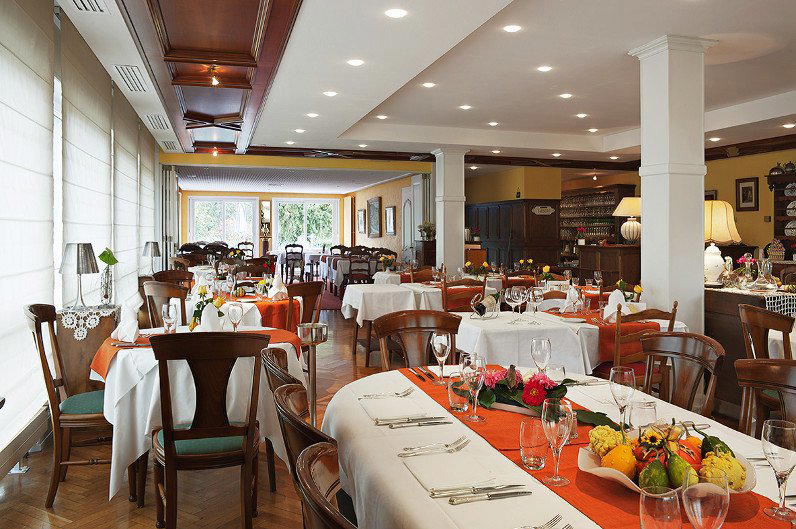
Where Southern Alsace Still Cooks Without Apology
The Sundgau is not a region that announces itself. This patchwork of small villages and gentle hills between the Rhine plain and the Jura foothills sits in France's deep south-Alsatian corner, close to the Swiss and German borders, unhurried by the tourist circuits that run through Colmar or Strasbourg to the north. Arriving in Feldbach means arriving somewhere that operates on its own rhythm, and Cheval Blanc, on Rue de Bisel, fits that register precisely. The building does not pitch itself as a destination restaurant in the contemporary sense. It reads instead as what it is: a house that has been feeding the surrounding community for long enough that the distinction between local institution and serious kitchen has ceased to matter.
That dual identity, family bistro and ranked classical table, is increasingly rare in French regional dining. The broader tendency across the country's traditional restaurant tier has been toward either full formalisation (the tasting menu, the minimalist interior, the sommelier with a script) or the casualisation that strips cooking of ambition entirely. Cheval Blanc occupies the space between those poles, a position that Opinionated About Dining has now recognised three years running in its Classical in Europe ranking, with the restaurant climbing from eighth in 2023 to sixth in 2024 to fifth in 2025. That trajectory inside a ranking system that tracks the discipline and consistency of classical French cooking, rather than novelty, says something about how the kitchen has been operating over time.
The Classical Tradition This Kitchen Belongs To
French classical cooking in 2025 exists in a complicated position. The country's marquee tables, places like Mirazur in Menton, Flocons de Sel in Megève, or Alléno Paris au Pavillon Ledoyen, operate in a creative register that has largely moved beyond classical technique as the primary language. The €€€€ tier in Paris and the three-starred provincial houses have, in many cases, used classical foundations as a launching point rather than an endpoint. Meanwhile, the OAD Classical in Europe list represents a different claim: that the discipline of cooking within a tradition, without the overlay of creative reinterpretation for its own sake, remains a legitimate and demanding form of excellence.
Alsace has a particular stake in that argument. The region's cooking identity, built on choucroute, baeckeoffe, flammekueche, and the long shadow of the Auberge tradition, has always sat closer to the classical-generous end of the spectrum than the austere-creative one. Tables like Auberge de l'Ill in Illhaeusern or Au Crocodile in Strasbourg have historically defined what serious Alsatian hospitality looks like at the formal end. Cheval Blanc, at the €€ price point rather than the €€€ or €€€€ tier those addresses occupy, represents a different access point into the same tradition: serious cooking, a wide choice of dishes and wines, and the kind of warm atmosphere that a ranking like OAD Classical specifically seeks to capture as part of its assessment criteria.
In the context of regional classical cooking, that dual structure, a chef executing the food and proprietors cultivating the atmosphere and guest relationship, remains one of the more durable models. The great auberge tradition of Alsace and Burgundy was built on it. Where that model has survived in recognisable form, at places like Bras in Laguiole or Troisgros in Ouches, the result tends to be cooking that feels rooted rather than performed. The OAD assessors appear to read Cheval Blanc inside that tradition.
Inside the Dining Room: Atmosphere as a Deliberate Position
The Michelin Plate award, which recognises good cooking without the additional layer of star distinction, places Cheval Blanc in a tier that the Guide uses to flag kitchens worth the trip even absent the formal three-criteria evaluation that produces stars. In Alsace, a region with its own concentrated pool of serious tables, holding a Plate alongside a top-five OAD Classical ranking signals a kitchen that inspects well from multiple angles. The warmth described in the OAD citation is not incidental. Classical in Europe rankings weight atmosphere and hospitality as part of the overall experience score, meaning that the room's character, the generosity of service, the sense that regulars and first-time visitors are treated with equal seriousness, is part of what earned the number-five position.
The wide choice of dishes and wines noted in the OAD record positions Cheval Blanc closer to the à la carte-led model than the locked tasting format that dominates the starred tier. That choice matters to a certain kind of diner: those who want to eat exactly what they want, in the order they prefer, without the pacing constraints of a set menu. Regional Alsatian wine coverage fits naturally into that model, given the area's proximity to some of the Alsace appellation's most interesting sub-regional producers.
For those building a broader Alsace or eastern France itinerary, Feldbach sits within range of several significant tables. Auberge de l'Ill in Illhaeusern and Au Crocodile in Strasbourg represent the region's higher-formality end. Elsewhere in France, those who value classical cooking at a serious level over novelty might also look at Auberge du Vieux Puits in Fontjoncouse, Auberge Grand'Maison in Mûr-de-Bretagne, or Paul Bocuse at Collonges-au-Mont-d'Or as reference points for the tradition Cheval Blanc operates within. For a contrasting perspective on what classical training produces when applied in a more inventive frame, Assiette Champenoise in Reims and AM par Alexandre Mazzia in Marseille offer useful counterpoints.
Planning a Visit
Cheval Blanc sits at 1 Rue de Bisel in Feldbach, in the Haut-Rhin department of Alsace. The village is accessible by car from Basel (approximately 35 kilometres south) and Mulhouse (approximately 25 kilometres northwest), making it a plausible detour within a longer Alsace or Rhine corridor itinerary. The €€ price range positions a full meal here well below the region's starred tier without any compromise in the seriousness of what arrives on the table. For those staying in the area, our full Feldbach hotels guide covers accommodation options in the vicinity. Anyone building a fuller picture of the Sundgau's drinking and eating scene should also consult our Feldbach bars guide, our wineries guide, and our experiences guide, alongside our full Feldbach restaurants guide for the broader table context.
Frequently asked questions
What price level is Cheval Blanc?
Pricing at Cheval Blanc is listed as €€.
| Venue | Cuisine | Price | Awards | Notes |
|---|---|---|---|---|
| Cheval BlancThis venue (the venue you are viewing) | Modern Alsatian Fine Dining | Not listed | Michelin Plate · Star Wine List | Not listed |
| Alléno Paris au Pavillon Ledoyen | Modern French Fine Dining | $150–200 | 3 Michelin Stars · World's 50 Best #79 | Creative |
| Kei | Contemporary French, Modern Cuisine | Not listed | Michelin 3 Star | Not listed |
| L'Ambroisie | Classic French Haute Cuisine | $300–500 | 2 Michelin Stars · World's 50 Best #23 | French, Classic Cuisine |
| Le Cinq - Four Seasons Hôtel George V | Modern French Fine Dining | $300–500 | 3 Michelin Stars · World's 50 Best #24 | French, Modern Cuisine |
| Plénitude | Modern French Sauce-Led Fine Dining | $300–500 | 3 Michelin Stars · World's 50 Best #14 | Contemporary French |
Recognition history
Dated appearances from independent guides and award organizations, with the underlying list record or original source where available.
Michelin Plate
Michelin
Star Wine List
Star Wine List
Opinionated About Dining Classical in Europe Ranked #5
Opinionated About Dining
Full recognition history (6 entries)
Michelin Plate
Michelin
Opinionated About Dining Classical in Europe Ranked #6
Opinionated About Dining
Opinionated About Dining Classical in Europe Ranked #8
Opinionated About Dining
Continue exploring
More in Feldbach
Restaurants in Feldbach
All restaurants in Feldbach →
Bars in Feldbach
Browse all →

Cheval Blanc
The wine
- Wine program
- Deep wine list
- Extensive wine list
- Sommelier-led
Details
- Elegant
- Sophisticated
- Cozy
- Classic
- Special Occasion
- Date Night
- Celebration
- Family
- Private Dining
- Terrace
- Hotel Restaurant
- Extensive Wine List
- Sommelier Led
- Local Sourcing
- Farm To Table
- Tasting Menu
- A La Carte
- Wine
- Vegetarian Friendly
- Vegan Options
- Gluten Free Options
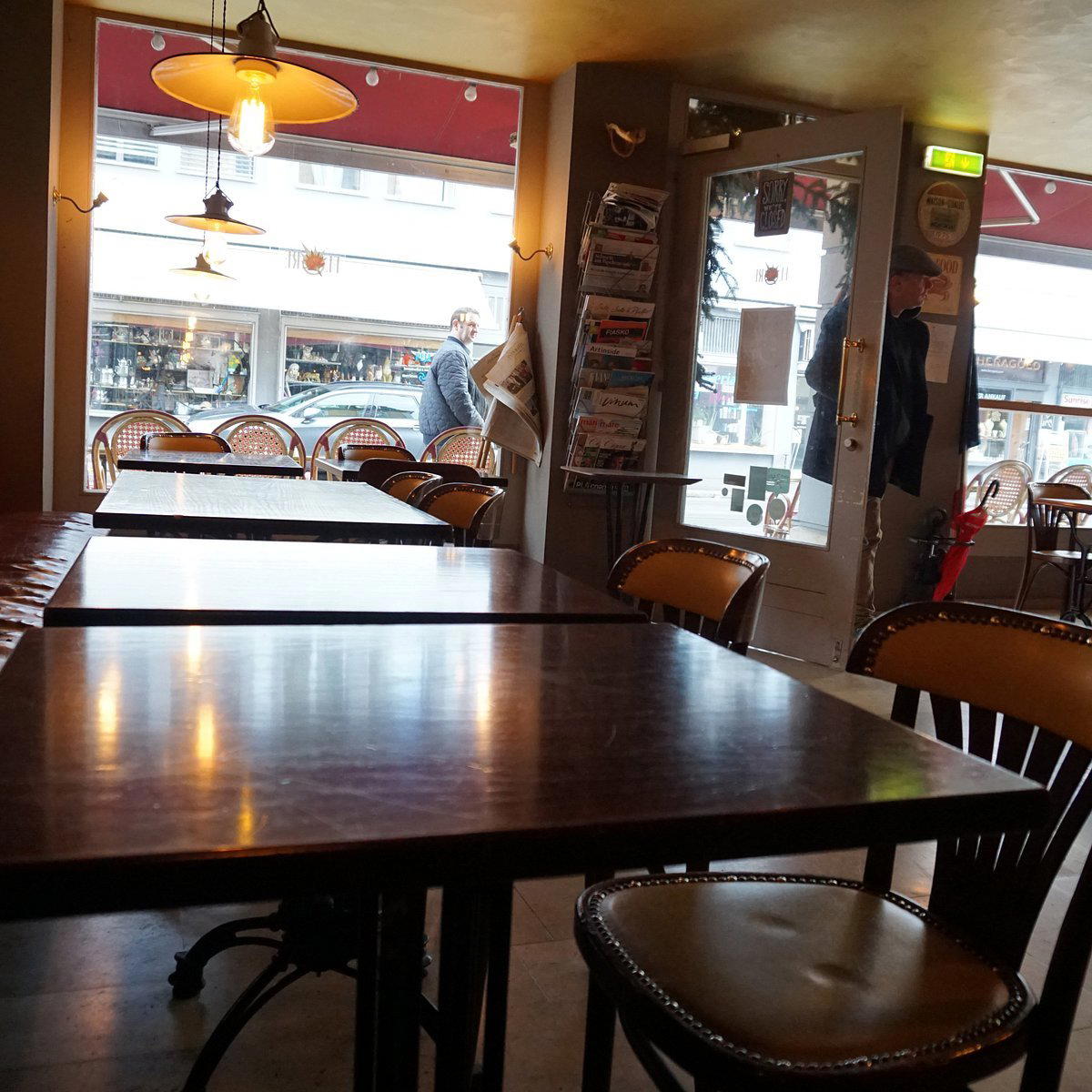
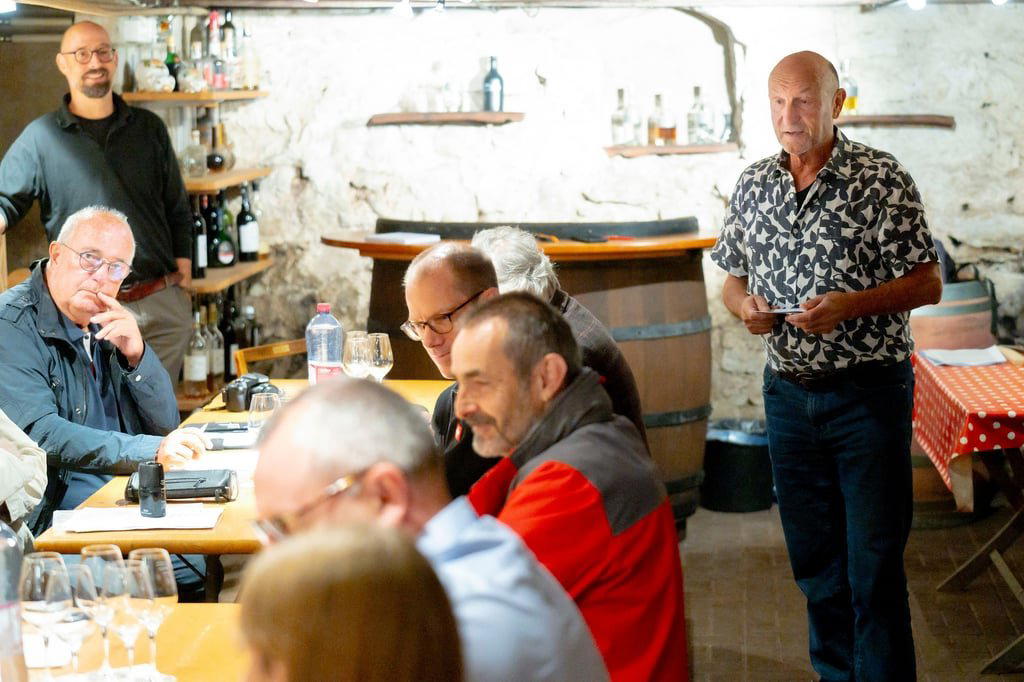
Intimate sophistication with warm Alsatian hospitality in historical walls, balancing refined lighting and authentic rustic charm.