
Hosoi gives Kasukabe’s sweets scene a serious traditional anchor: Japanese wagashi, dorayaki, and daifuku treated as daily craft rather than souvenir-counter filler. Its Tabelog 100 selections for sweets and Japanese sweets place it in a regional conversation that reaches beyond the city, while the take-out format keeps the experience focused on ingredients, timing, and freshness.
Pearl is the En Primeur Club membership app — saves, bookings, and concierge access live there. Same editors, same standards.
- Address
- 18 Kamikanasaki, Kasukabe, Saitama 344-0111, Japan
- Phone
- +81 48-746-2703
- Website
- tabelog.com
 Saves & bookings on Pearl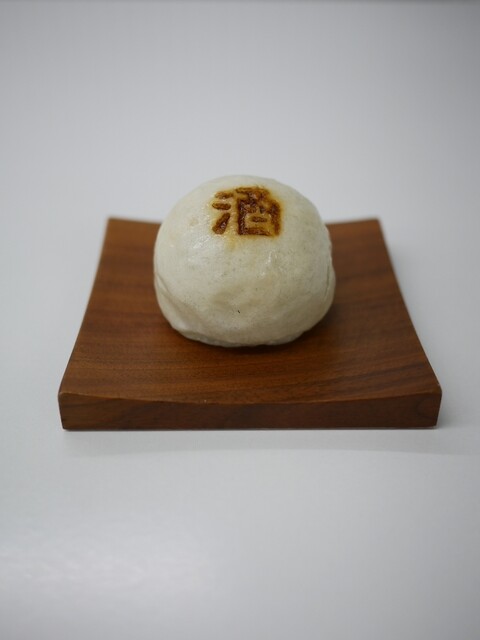
Approaching a rural-edge sweets shop in Kasukabe changes the tempo of eating. The cues are modest: a house-like setting, a take-out rhythm, and the practical knowledge that wagashi is often at its strongest when bought close to production rather than displayed as a luxury object. In Saitama, where commuter towns meet agricultural districts, that matters. Rice, beans, and seasonal fillings carry more weight than interior theatre.
Hosoi belongs to that quieter branch of Japanese sweets culture. The category is not built around long tasting menus or chef narration; it is built around texture, balance, and the short life of perishable confections. Dorayaki and daifuku sound simple on paper, but they are unforgiving forms. Pancake batter, bean paste, rice-cake elasticity, and sweetness have to sit in proportion, because there is nowhere to hide.
Wagashi in Kasukabe is judged by restraint, not spectacle
Kasukabe’s dining map is broader than visitors often assume. Ramen counters, burger specialists, cafés, and neighborhood sweets shops occupy different price and occasion bands, with Niboshi Ranbu, BurgerPOLICE Kasukabe, 3931WORKS., and Oak wood marking different local appetites. Within that spread, traditional sweets carry a different kind of authority: they are less about dining-room performance and more about how carefully everyday ingredients are handled.
That is where Hosoi’s recognition has editorial weight. Selection for Tabelog 100 in Japanese traditional sweets and Japanese sweets café, EAST, in 2023 places the shop among a curated regional group rather than merely inside Kasukabe’s local listings. Earlier Tabelog 100 selections in sweets in 2020 and 2022 reinforce the point: this is not a single-season spike, but a recurring signal in a category where small variations in dough, bean paste, and rice-cake texture separate serious craft from routine retail.
Ingredient sourcing is rarely visible in wagashi through grand claims. It appears through discipline: azuki beans cooked to a clean sweetness, mochi that keeps its pull without turning heavy, and dorayaki that depends on batter consistency rather than decoration. Those are category truths rather than invented tasting notes. The value of a shop like this is that it keeps attention on the raw materials and the timing of production, which is why take-out can feel more appropriate than table service for this style of eating.
The take-out format keeps the focus on freshness
Japanese sweets shops often reward decisiveness. The stronger experience is usually to treat the purchase as part of the day’s route, not as a lingering meal. Hosoi’s format follows that logic: no seated restaurant ritual, no private-room theatre, no extended service arc. The exchange is compressed, and the product carries the argument. For travelers used to Tokyo’s reservation-driven counters, this is a useful reminder that Japanese food culture also has a serious take-away tradition with its own standards.
The shop’s family-friendly signal also fits the category. Wagashi is not an adult-only performance format; it is tied to home visits, seasonal gifting, tea, school-age familiarity, and neighborhood habit. In that sense, Kasukabe makes sense as a setting. The city is not selling itself through spectacle. It gives context to a kind of sweets culture that depends on repeat local use as much as destination eating.
Comparisons inside Kasukabe should be made by occasion rather than hierarchy. A ramen stop such as Niboshi Ranbu answers a different craving from a pastry-oriented address such as Oak wood. BurgerPOLICE Kasukabe sits in a higher spend bracket, while 3931WORKS. occupies a more casual local tier. Hosoi’s point is narrower: traditional sweets, purchased for immediate use or gifting, with recognition that gives the stop more weight than an ordinary errand.
How to place Hosoi in a wider Japan itinerary
For travelers building a food route through Saitama and beyond, Hosoi is better understood as a precision stop than a long-format meal. It pairs naturally with broader Kasukabe planning through Our full Kasukabe restaurants guide, while visitors staying in the area can cross-check Our full Kasukabe hotels guide. The city’s drinking, winery, and activities coverage sits separately in Our full Kasukabe bars guide, Our full Kasukabe wineries guide, and Our full Kasukabe experiences guide.
The broader lesson is useful across Japan: not every serious food address announces itself through tasting menus, imported tableware, or international awards. Some sit in categories that visitors under-prioritize because the format looks too ordinary. Wagashi shops, onigiri counters, curry specialists, and small cafés often reveal how a region eats between formal meals. That logic connects Hosoi with addresses as different as Onigiri Time in Pasadena, Jōdo Saké Bar in Los Angeles, [Curry Senmon Ten] Maruyama Kyoju. in Sapporo, and [ki:] in Kyoto: the format may be compact, but the cultural signal is large.
For readers mapping Japanese food beyond the familiar Tokyo circuit, the takeaway is clear. Kasukabe’s sweets scene deserves attention when it is anchored by a shop selected for Tabelog 100 in its category, and Hosoi gives that attention a concrete reason. Fold it into a day that also accounts for casual local dining, then widen the lens with comparable city-specific entries such as -Grilled beef Sukiyaki- KAMAKURA TANUKIAN 鎌倉 たぬき庵 in Kamakura. 鮪と炭火焼き うお炭 秋葉原店 in Tokyo.cafe in Osaka.know in Kumamoto, and (Shoku) Vietnam in Kawasaki. The pleasure is not scale. It is seeing how a small category, handled with care, can define a city’s eating habits as clearly as a full dinner reservation.
Snapshot
Comparable venues by cuisine and price in the same metro.
| Venue | Cuisine | Price | Notes |
|---|---|---|---|
| HosoiThis venue — the venue you are viewing | Japanese Traditional Sweets | $ | Not listed |
| Niboshi Ranbu | Japanese Ramen | $ | Takesato |
| BurgerPOLICE Kasukabe | Wagyu Burger & Steak Bistro | $$ | Chuo |
| 3931WORKS. | Modern Ramen & Tsukemen | $$ | Ichinowari |
| Oak wood | Patisserie Cafe | $$ | Hachichome |
| Niboshi Soba Ru. | Niboshi-focused Ramen Shop | $ | Kita |
Recognition history
Dated appearances from independent guides and award organizations, with the underlying list record or original source where available.
Tabelog 100 #76 · No. 76
Tabelog · Tabelog 100 - Japanese traditional sweets / Japanese sweets cafe - EAST - 2023








At a Glance
- Cozy
- Rustic
- Classic
- Family
- Casual Hangout
- Solo
- Standalone
- Historic Building
Current opening hours
- Monday
- 10 AM–6 PM
- Tuesday
- 10 AM–6 PM
- Wednesday
- 10 AM–6 PM
- Thursday
- 10 AM–6 PM
- Friday
- 10 AM–6 PM
- Saturday
- 10 AM–6 PM
- Sunday
- 10 AM–6 PM
Hours can change for holidays and private events. Last verified .
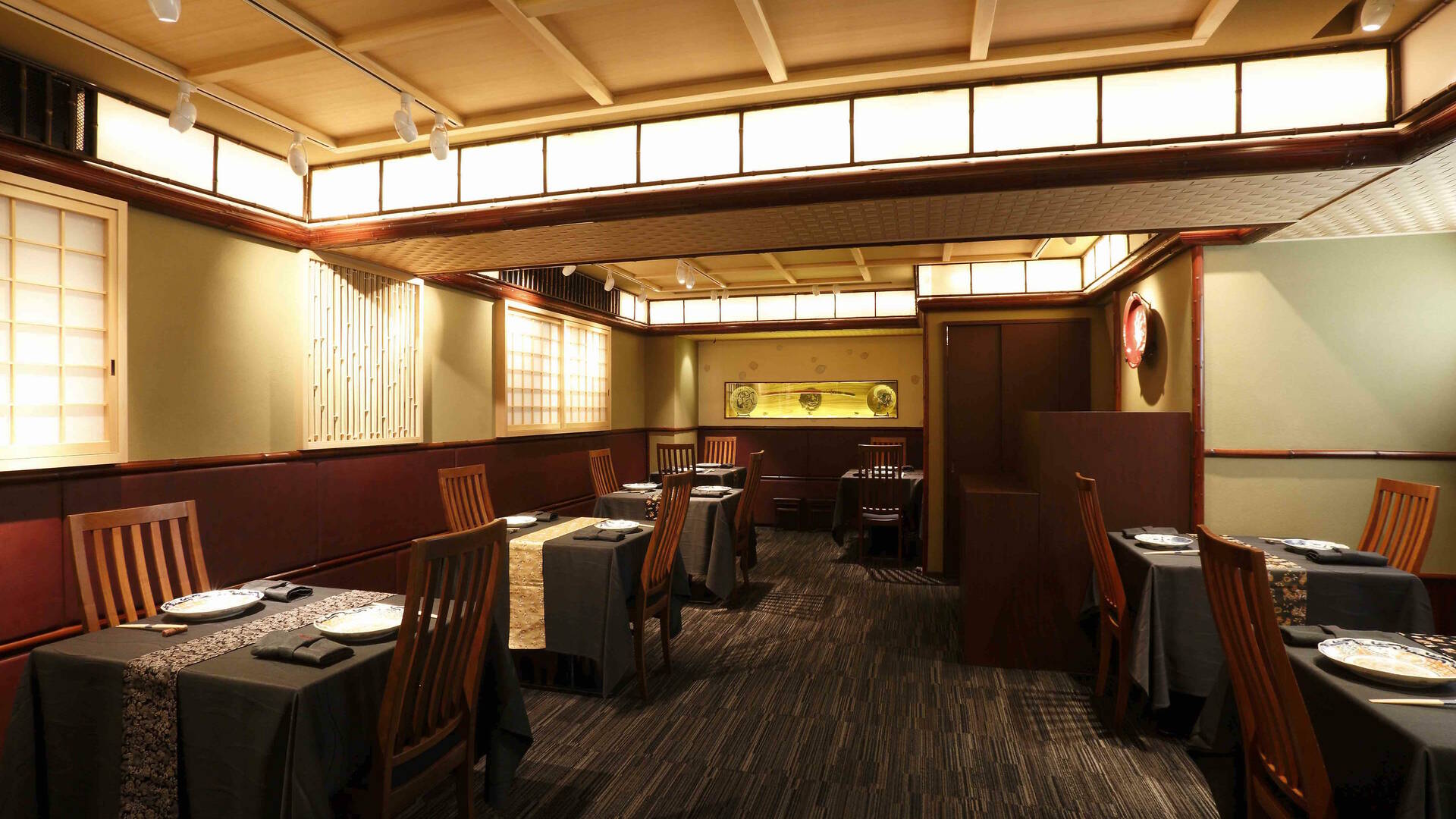
Relaxing, house-restaurant atmosphere with a hidden-retreat feel, based on guest reviews and Tabelog’s ‘hideout’ description.