

Michelin Bib Gourmand · Tabelog 100 #10
Our verdict
A third-generation tonkatsu counter tucked into the back alleys behind Ueno's Ameya-Yokocho market, Tompachitei fries thick pork loin cutlets in cool lard using a slow, European-influenced technique that separates it from Tokyo's higher-volume katsu shops. The queue outside forms early. Condiment options, rock salt, Worcestershire, tonkatsu sauce, and soy sauce, invite comparison at the table.

Pearl is the En Primeur Club membership app, where members save venues, book tables and use the concierge.
The menu
What to order
- Pork Loin Cutlet Set Meal
- Pork Fillet Cutlet
Ueno's Back-Alley Tonkatsu Tradition
The noren curtain at the entrance of Tompachitei marks a threshold between two different versions of Tokyo. On one side sits Ameya-Yokocho, the open-air market corridor that runs under the Yamanote Line tracks, loud with vendors selling dried fish, discount clothing, and cheap street food since the postwar black-market era. Step behind it, into the narrower lane where Tompachitei occupies its spot at 4 Chome-3-4 Ueno, Taito City, and the register drops. This is the older Ueno: neighbourhood restaurants that have outlasted generations of foot traffic without migrating toward the more polished dining districts of Ginza or Roppongi.
Ueno has never been Tokyo's gastronomic centre of gravity, that pressure belongs to areas further south. But that positioning has preserved something worth paying attention to. Restaurants here are written for residents and regulars before tourists, which keeps formats honest and prices grounded. Tompachitei sits firmly in that category, charging single-digit thousands of yen for a full meal in a city where comparable protein preparation at a premium address would cost four or five times as much.
What the Queue Signals
Before the food, the queue. Tompachitei does not take reservations in the conventional sense, and the line outside forms before service begins. That detail alone positions it inside a specific Tokyo dining tradition: the neighbourhood specialist that earns its reputation through consistency rather than booking infrastructure. Across the city, the tonkatsu category splits between high-end counters with advance reservations, tasting formats, and prized heritage-breed pork, venues like Butagumi and Ginza Katsukami, and the smaller neighbourhood category, where craft is no less present but the operating model is built around throughput, directness, and value. Tompachitei belongs to the latter tier, but it is not interchangeable with it.
The kitchen's approach sets it apart from the standard back-street tonkatsu template. The current chef, third generation in this location, trained in Europe and applied that exposure to a traditionally Japanese format. The result is a frying technique that differs from what most Tokyo tonkatsu shops use: thick pork loin cuts fried in lard at a lower temperature than conventional hot-oil methods, which extends the cooking time and yields a different texture profile. The connection between French technique and Japanese tonkatsu is less unusual than it might seem, the dish itself evolved in the Meiji era from European cutlet preparations, but executing it at a neighbourhood price point in a back-alley Ueno setting is a specific choice that shapes every plate that leaves the kitchen.
The Condiment Comparison
Tonkatsu is one of the few Japanese dishes where condiment selection carries genuine analytical weight. At Tompachitei, four options arrive at the table: rock salt, Worcestershire sauce, the standard sweet-savory tonkatsu sauce, and soy sauce. The invitation to work through all four is not gimmickry. Each condiment pulls the pork loin in a different direction, salt isolates the fat quality and the fry, Worcestershire adds fermented acidity, tonkatsu sauce provides the familiar umami depth that most Japanese diners default to, and soy sauce brings a sharper salinity. The fact that the kitchen offers all four without a prescribed recommendation reflects confidence in the base product. The meat has to hold its own against four distinct chemical environments, and the slow lard technique appears calibrated precisely for that.
For reference across the Tokyo tonkatsu spectrum, Katsuyoshi, Katsusen, and Fry-ya each take a different approach to the same foundational dish. Understanding where Tompachitei sits in that spread, lower price, neighbourhood location, European-influenced frying method, makes the visit sharper.
Ueno as Context
The neighbourhood matters as much as the restaurant. Ueno's identity in Tokyo is layered: major museums cluster here, Ueno Park draws seasonal crowds for cherry blossom and autumn foliage, and Ameya-Yokocho functions as one of the last surviving open-market corridors in central Tokyo. The area's food culture runs toward the unpretentious, ramen shops, standing sushi bars, yakitori alleys, rather than the destination-dining formats that dominate Ginza or Shinjuku. Tompachitei fits that pattern precisely. It is a third-generation business embedded in a working neighbourhood, not a concept restaurant that selected Ueno for its aesthetic contrast.
That generational continuity carries weight in a city where restaurant turnover is high and neighbourhood identity erodes quickly under development pressure. Ueno has held its character longer than most central Tokyo districts, partly because the Taito ward retains a denser residential base than the commercial cores. Restaurants with multi-generational histories in this area are not performing authenticity, they are the result of actual community relationships sustained over decades.
Planning the Visit
Tompachitei's address places it within walking distance of Ueno Station, which sits on the JR Yamanote Line and connects directly to Narita via the Narita Express and Ueno-Tokyo Line, making this one of the more accessible neighbourhood dining detours for visitors arriving or departing through Narita. The practical constraint is the queue: arriving close to opening time is the direct approach, as lines build quickly once service begins. The price range lands in the single-symbol tier, meaning a full meal is achievable for well under ¥2,000 per person in most orderings, a significant differential from the ¥4,000–¥8,000 range that covers mid-tier tonkatsu counters in Ginza or Shinjuku.
For broader Tokyo trip architecture, our full Tokyo restaurants guide covers the full spectrum from neighbourhood specialists to Michelin-rated counters. If you're extending beyond Tokyo, the tonkatsu tradition continues in other forms: Jukuseibuta Kawamura in Kyoto and Kyomachibori Nakamura in Osaka offer regional variations on the same discipline. For fine dining reference points elsewhere in Japan, HAJIME in Osaka, Gion Sasaki in Kyoto, akordu in Nara, Goh in Fukuoka, 1000 in Yokohama, and 6 in Okinawa provide contrasting points of reference. Within Tokyo, our hotels guide, bars guide, wineries guide, and experiences guide cover the surrounding infrastructure.
Frequently asked questions
What is the signature dish at Tompachitei?
The kitchen centres on pork loin tonkatsu, fried in lard at a lower temperature than the hot-oil standard used at most Tokyo katsu shops. That slow-fry approach reflects the third-generation chef's European training applied to a Japanese format. The condiment lineup, rock salt, Worcestershire, tonkatsu sauce, and soy sauce, is designed for sequential comparison rather than a single prescribed pairing. Tompachitei sits in a different tier from higher-priced Tokyo specialists like Butagumi or Ginza Katsukami, but the technique distinction is real rather than merely positional.
How far ahead should I plan for Tompachitei?
Tompachitei operates on a queue basis rather than an advance reservation system. In practical terms, that means same-day planning is the norm, but timing matters: the restaurant draws a loyal Ueno neighbourhood crowd alongside visitors to the Ameya-Yokocho area, and queues form before opening. Arriving at or just before service begins is the standard approach. The cherry blossom season in Ueno Park (late March to early April) pulls additional foot traffic to the entire neighbourhood, making that period the highest-competition window for walk-in dining at spots across the Ueno and Taito ward area.
Comparable Options
Comparable venues nearby, for context on price, style, and recognition.
| Venue | Cuisine | Price | Awards | Notes |
|---|---|---|---|---|
| TompachiteiThis venue (the venue you are viewing) | Traditional Tonkatsu | $20–30 | Michelin Bib Gourmand · Tabelog 100 #10 | Not listed |
| IRUCA TOKYO | Modern Ramen | $20–30 | Michelin Bib Gourmand · Tabelog 100 #94 | Minato |
| Mochibuta Tonkatsu Taiyo | Tonkatsu | $20–30 | Michelin Bib Gourmand · Tabelog 100 #28 | Shinagawa |
| Mejiro Shunkotei | Modern Yoshoku (Japanese-Style Western) | $20–30 | Michelin Bib Gourmand · Tabelog 100 #16 | Toshima |
| REI | Traditional Japanese Kaiseki and Oden | $50–100 | Michelin Bib Gourmand | Shibuya |
| Tonkatsu Enraku | Traditional Tonkatsu | $10–20 | Michelin Bib Gourmand · Tabelog 100 #89 | Ōta |
Recognition history
Dated appearances from independent guides and award organizations, with the underlying list record or original source where available.
Michelin Bib Gourmand
Michelin
Tabelog 100 #10 · No. 10
Tabelog · Tabelog 100 - Tonkatsu - 2026
Continue exploring
More in Tokyo
Restaurants in Tokyo
All restaurants in Tokyo →








Details
- Cozy
- Classic
- Casual Hangout
- Local Sourcing
- A La Carte
Current opening hours
- Monday
- Closed
- Tuesday
- 11:30 AM–2 PM
- Wednesday
- 11:30 AM–2 PM
- Thursday
- 11:30 AM–2 PM
- Friday
- 11:30 AM–2 PM
- Saturday
- 11:30 AM–2 PM
- Sunday
- 11:30 AM–2 PM
Hours can change for holidays and private events. Last verified .
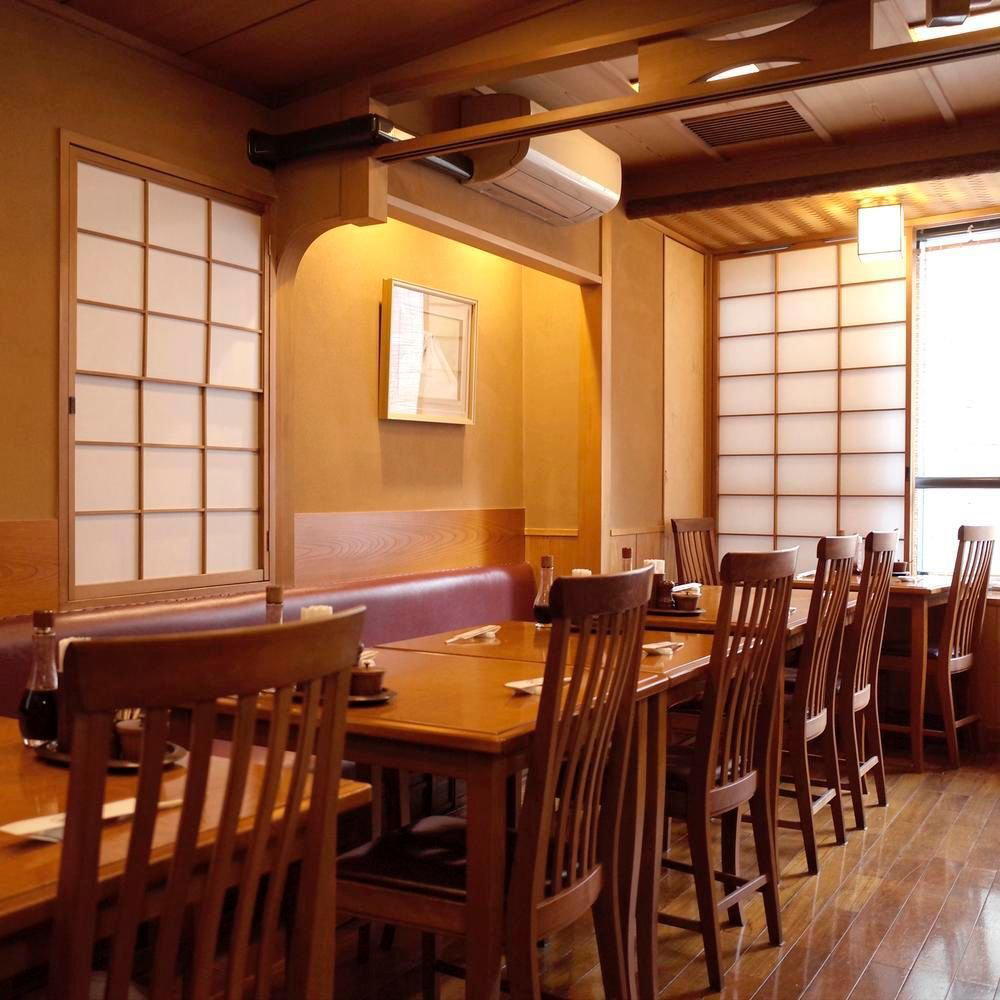
Warm, homely, and nostalgic family-run atmosphere tucked in a quiet alley.