Honey Pig
Our verdict
Honey Pig sits in Duluth's densely packed Korean dining corridor along Old Norcross Road, where tabletop grills and communal eating define the format. The restaurant draws from the Korean BBQ tradition that has made Gwinnett County one of the most compelling Korean dining destinations outside Los Angeles. For those tracing where the food comes from and how it arrives at the table, this stretch of Duluth rewards close attention.

Pearl is the En Primeur Club membership app — saves, bookings, and concierge access live there. Same editors, same standards.
- Address
- 3473 Old Norcross Rd #304, Duluth, GA 30096
- Phone
- (770) 476-9292
- Hours
- Mon–Thu 11 AM–11 PMFri–Sat 11 AM–12 AMSun 11 AM–11 PM
- Website
- honeypigusa.com
- Directions
- Get directions
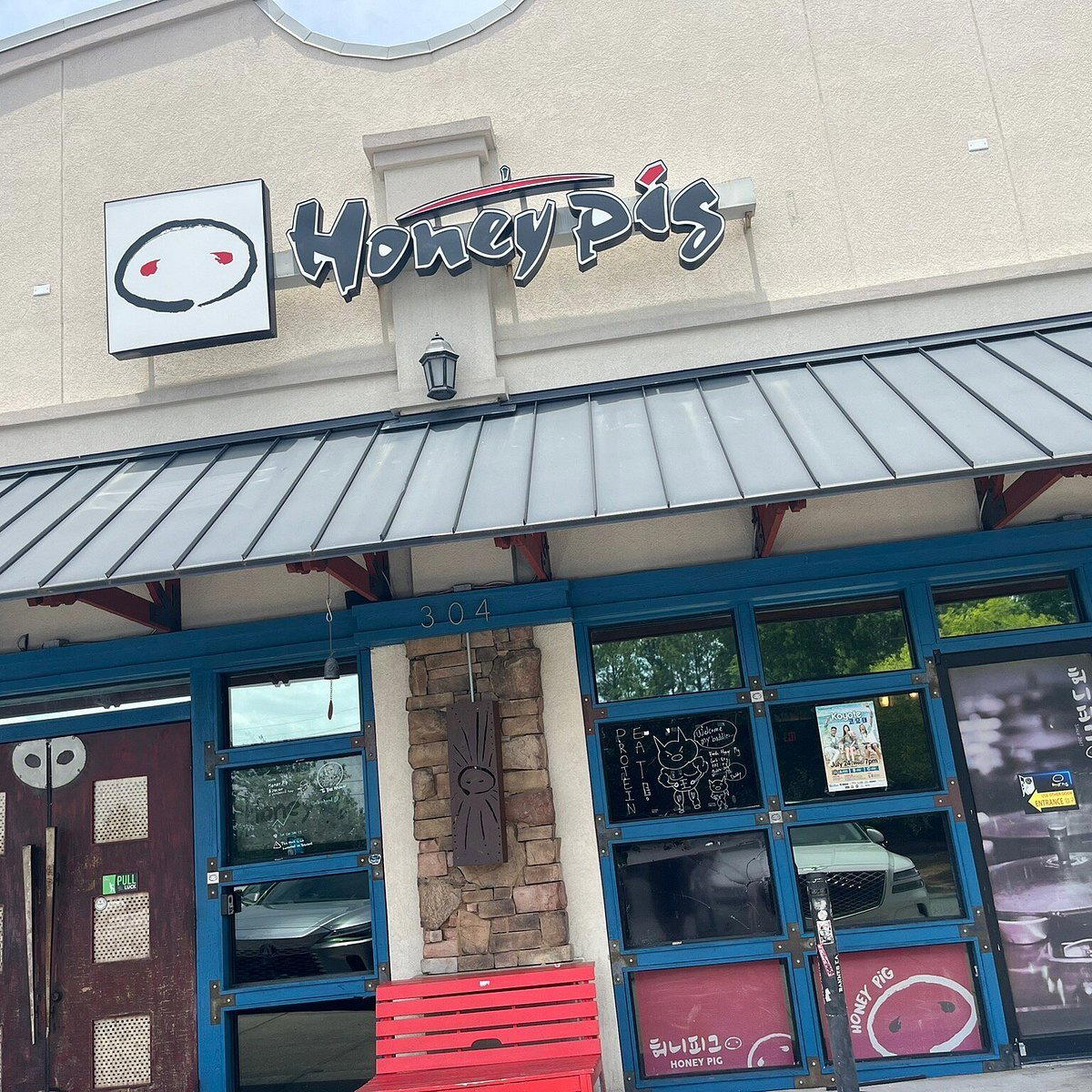
The Korean BBQ Strip That Rivals Any in America
Old Norcross Road in Duluth, Georgia does not announce itself. Strip mall signage competes for attention, parking lots fill early on weekends, and the restaurants here are built for eating rather than atmosphere in the conventional sense. But the cumulative effect of this corridor, anchored by a dense cluster of Korean restaurants serving Gwinnett County's large Korean-American population, is something that serious eaters recognize immediately. This is one of the most concentrated zones of Korean dining outside Los Angeles, and Honey Pig at 3473 Old Norcross Road is positioned inside that competitive block.
Korean BBQ as a format is built on the sourcing and preparation of specific cuts: galbi (short rib), samgyeopsal (pork belly), and brisket, each requiring the kind of supply relationships that sustain a community of restaurants rather than a single destination. The Duluth corridor, including venues like Breakers Korean BBQ & Grill, has developed those supply relationships over decades, which is what separates it from Korean BBQ outposts in cities without the demographic foundation. Honey Pig operates within that ecosystem.
What the Gwinnett County Korean Dining Scene Actually Means
Gwinnett County's Korean population began arriving in significant numbers in the 1980s and 1990s, settling in and around Duluth and Suwanee. By the 2000s, the commercial corridors had shifted to reflect that community, with Korean grocery stores, bakeries, karaoke venues, and restaurants forming a self-sustaining circuit. The restaurants that emerged were not serving a tourist demographic; they were feeding a community with specific expectations about quality, portion, and price. That context matters when assessing any single venue here, because the competition is real and the customer base is informed.
Honey Pig fits into this pattern. The name itself references a well-known Korean BBQ chain with locations in Los Angeles and other markets, and the Duluth location at Suite 304 in a multi-tenant commercial building follows the strip-mall-with-excellent-food formula that defines the corridor. The physical environment is functional: ventilation hoods above the tables, gas or charcoal grills embedded in the cooking surface, banchan arriving in small dishes before the main proteins. These are not decorative choices. They reflect a format that prioritizes the cooking experience over room design.
For reference on what a different register of Korean cuisine looks like at the fine-dining end, Atomix in New York City represents the tasting-menu interpretation of Korean flavors in a controlled, omakase-adjacent format. The Duluth corridor operates on entirely different terms: generous portions, communal tables, and a format where the diner does a significant portion of the cooking at the table. Neither is a lesser version of the other; they are distinct modes addressing different intentions.
Ingredient Sourcing and Why It Matters Here
The ingredient question in Korean BBQ is not abstract. The quality of pork belly depends on fat distribution and breed; the quality of short rib depends on marbling and cut thickness; the quality of marinated meats depends on the sauce ratios and the time allowed for the marinade to penetrate. Restaurants in a corridor like Old Norcross Road compete partly on these sourcing and preparation details because their customer base can identify the difference.
Korean BBQ also arrives with a supporting cast: doenjang jjigae (fermented soybean paste stew), kimchi in various stages of fermentation, pickled vegetables, and steamed egg are standard accompaniments that add context to the main proteins. The fermentation culture embedded in Korean cuisine, from kimchi to doenjang to ganjang, represents a sourcing and preparation chain that operates at the restaurant level and the household level simultaneously. Restaurants along the Duluth corridor, competing for a customer base that makes kimchi at home, are held to a standard that most Korean BBQ restaurants in other American cities do not face.
This is the competitive pressure that shapes what Honey Pig and its neighbors serve. A closer look at the broader Duluth dining scene, including Chinese venues like East Pearl and Japanese options like Haru Ichiban, illustrates how Gwinnett County's Asian dining ecosystem extends well beyond Korean BBQ into a genuinely diverse range of regional cuisines. For non-Korean options in the same area, Georgia Diner and Frankie's The Steakhouse represent different points on the local spectrum.
Placing Honey Pig in the National Conversation
American dining has spent the last decade reconnecting sourcing to story, with farm-to-table credentials driving menus at venues ranging from Blue Hill at Stone Barns in Tarrytown and Single Thread Farm in Healdsburg to the prix-fixe programs at The French Laundry in Napa and Le Bernardin in New York City. At the other end of the format spectrum, the Korean BBQ corridor in Duluth represents a different version of sourcing consciousness, one embedded in community expectation rather than editorial recognition.
The distinction is worth holding. Korean BBQ in Duluth operates within a framework where community trust and repeat local patronage are the primary signals. Both frameworks produce serious food; they simply use different currencies. For international reference, 8 1/2 Otto e Mezzo Bombana in Hong Kong illustrates yet another axis of the same conversation about how ingredient sourcing and cultural authority intersect at the table.
Planning Your Visit
Frequently asked questions
Is Honey Pig child-friendly?
Korean BBQ at table-grill restaurants like Honey Pig on Old Norcross Road tends to suit families well — the format is communal, the pacing is relaxed, and children generally engage with the cook-at-the-table setup. Parents should keep younger children supervised around the live grill. The commercial plaza at 3473 Old Norcross Road also offers easy parking, which helps with groups traveling with kids.
How would you describe the vibe at Honey Pig?
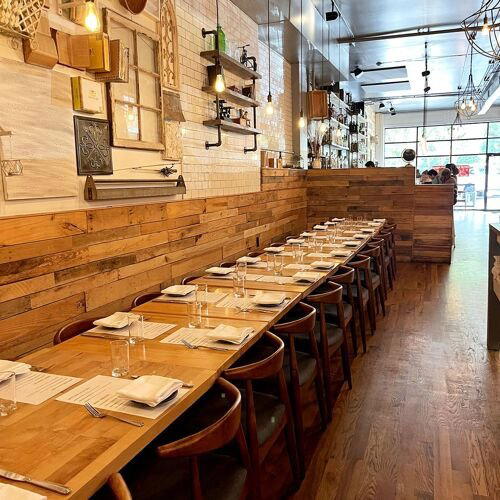
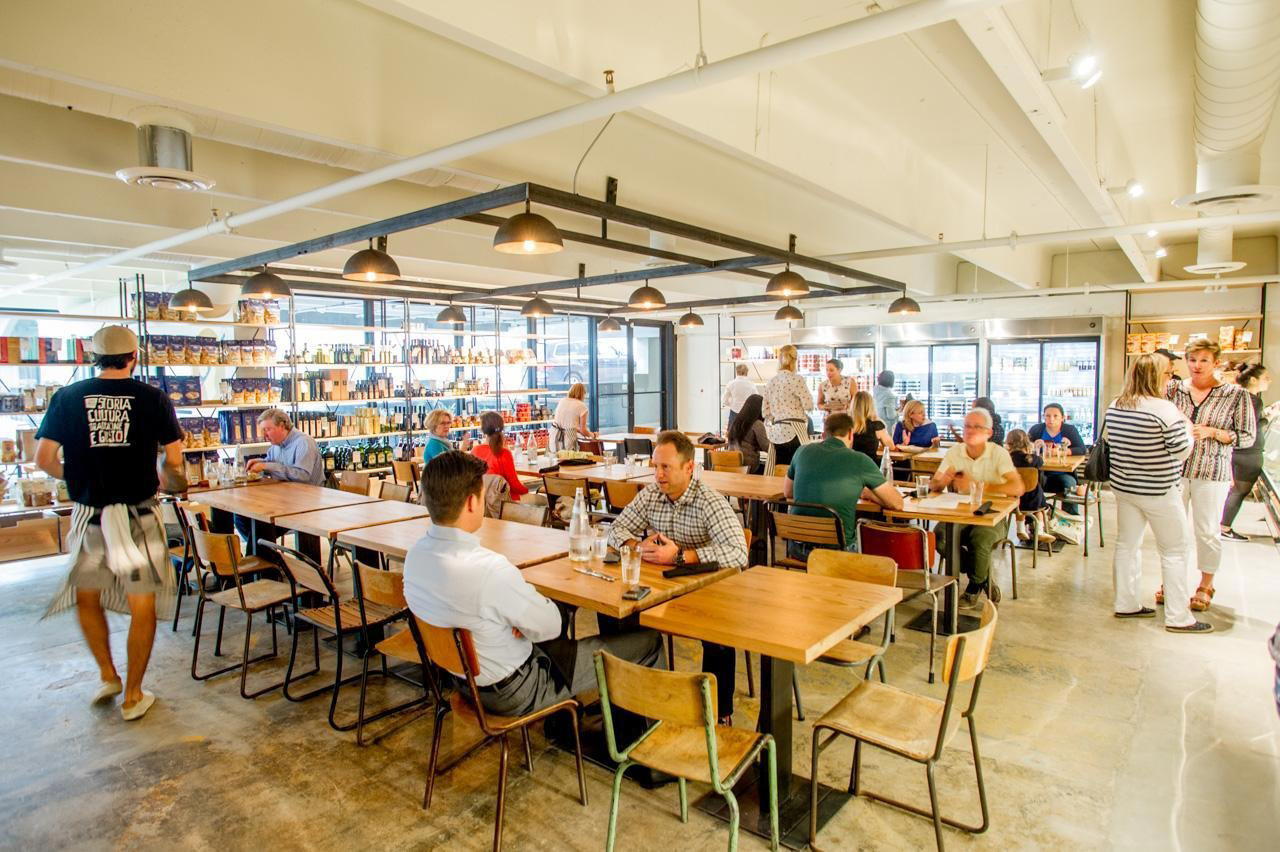
Expect a busy, no-frills strip-mall dining room where the focus is on the food rather than the decor. Old Norcross Road in Duluth draws a predominantly Korean-American crowd alongside suburban Atlanta regulars, which means the energy is genuine rather than performed. Weekends fill early, and the room gets loud — smoke, sizzle, and conversation are all part of it.
How does Honey Pig fit into Duluth's broader Korean restaurant scene on Old Norcross Road?
Duluth's Old Norcross Road corridor developed alongside Gwinnett County's Korean-American population growth from the 1980s onward, producing one of the most concentrated Korean dining strips outside of Los Angeles's Koreatown or New York's Flushing. Honey Pig at Suite 304 occupies a spot within a commercial plaza that houses multiple Korean-owned restaurants and retail, making the immediate block a genuine dining destination rather than an isolated outpost. For visitors coming from Atlanta proper, the roughly 30-mile drive northeast to Duluth delivers a density of Korean food options that the city itself cannot match.
What should I eat at Honey Pig?
At a Korean BBQ counter in Duluth's Gwinnett corridor, pork belly and marinated short rib are the anchors — fat distribution and cut quality determine the outcome, so these are the dishes that separate serious BBQ spots from average ones. Banchan spread alongside the grill items gives you the full picture of a kitchen's standards. Order both the unmarinated and marinated cuts to compare the kitchen's sourcing directly.
Where is Honey Pig located?
Honey Pig is located at 3473 Old Norcross Rd #304, Duluth, GA 30096, Duluth.
Is Honey Pig reservation-only?
No reservation policy is publicly documented for Honey Pig at 3473 Old Norcross Road, Suite 304, Duluth, GA 30096. Korean BBQ restaurants in this corridor typically seat on a walk-in basis, but weekend evenings draw crowds early enough that arriving before peak hours is advisable.
At-a-Glance Comparison
Comparable venues nearby, for context on price, style, and recognition.
| Venue | Cuisine | Price | Notes |
|---|---|---|---|
| Honey PigThis venue — the venue you are viewing | Korean BBQ | $20–30 | Not listed |
| Iron Age | Korean BBQ All-You-Can-Eat | $20–30 | Duluth |
| The Stone Grill - Korean BBQ and Grill | Authentic Korean BBQ | Not listed | Duluth |
| KITCHEN 121 | Korean-Japanese Fusion | $10–20 | Duluth |
| Breakers Korean BBQ & Grill | Korean BBQ | Not listed | Gwinnett Place |
| The Best BBQ | Hong Kong-Style Roast Meats & Dim Sum | $10–20 | Duluth |





Details
- Lively
- Energetic
- Industrial
- Group Dining
- Family
- Casual Hangout
- Open Kitchen
- Beer Program
- A La Carte
Current opening hours
- Monday
- 11 AM–11 PM
- Tuesday
- 11 AM–11 PM
- Wednesday
- 11 AM–11 PM
- Thursday
- 11 AM–11 PM
- Friday
- 11 AM–12 AM
- Saturday
- 11 AM–12 AM
- Sunday
- 11 AM–11 PM
Hours can change for holidays and private events. Last verified .
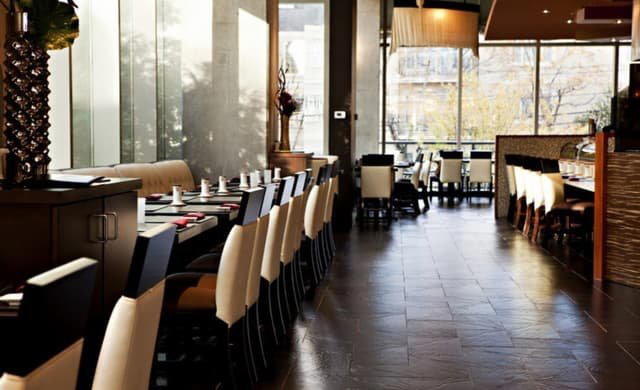
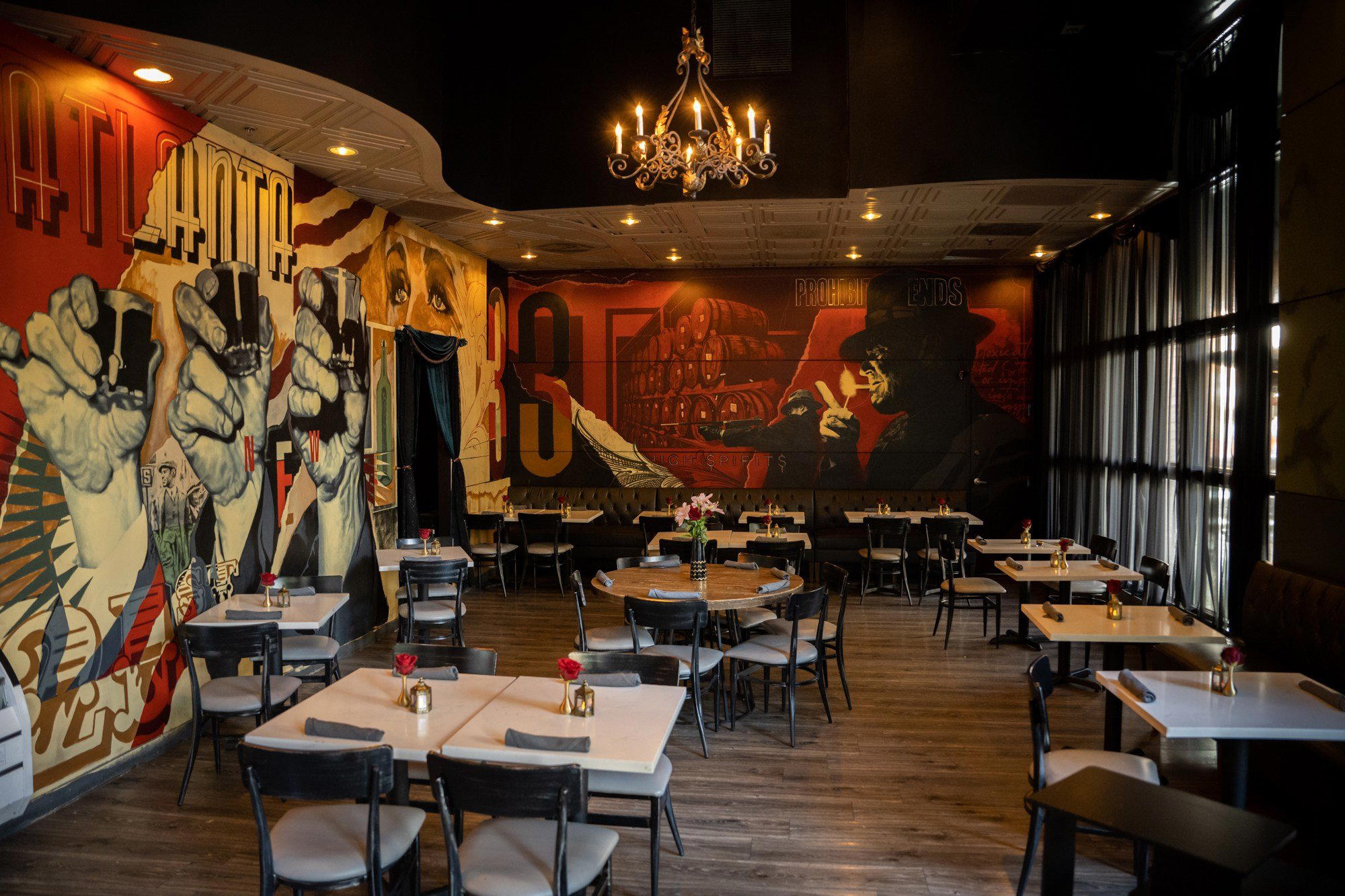
Casual, exciting, industrial decor with hands-on grilling creating a fun, lively atmosphere.