Haru Ichiban
Our verdict
Haru Ichiban occupies a strip-mall address on Satellite Boulevard in Duluth, Georgia, the kind of location that signals a kitchen focused on the plate rather than the room. The restaurant sits within one of metro Atlanta's most concentrated pockets of Japanese dining, where competition keeps standards honest and menus tend to speak clearly about what a kitchen actually does well.

Pearl is the En Primeur Club membership app — saves, bookings, and concierge access live there. Same editors, same standards.
- Address
- 3646 Satellite Blvd, Duluth, GA 30096
- Phone
- (770) 622-4060
- Hours
- Mon–Thu 11:30 AM–2:30 PM, 5:30–9:30 PMFri–Sat 11:30 AM–2:30 PM, 5:30–10 PMSun 12–2:30 PM, 5:30–9:30 PM
- Directions
- Get directions
- Booking
- Book on OpenTable
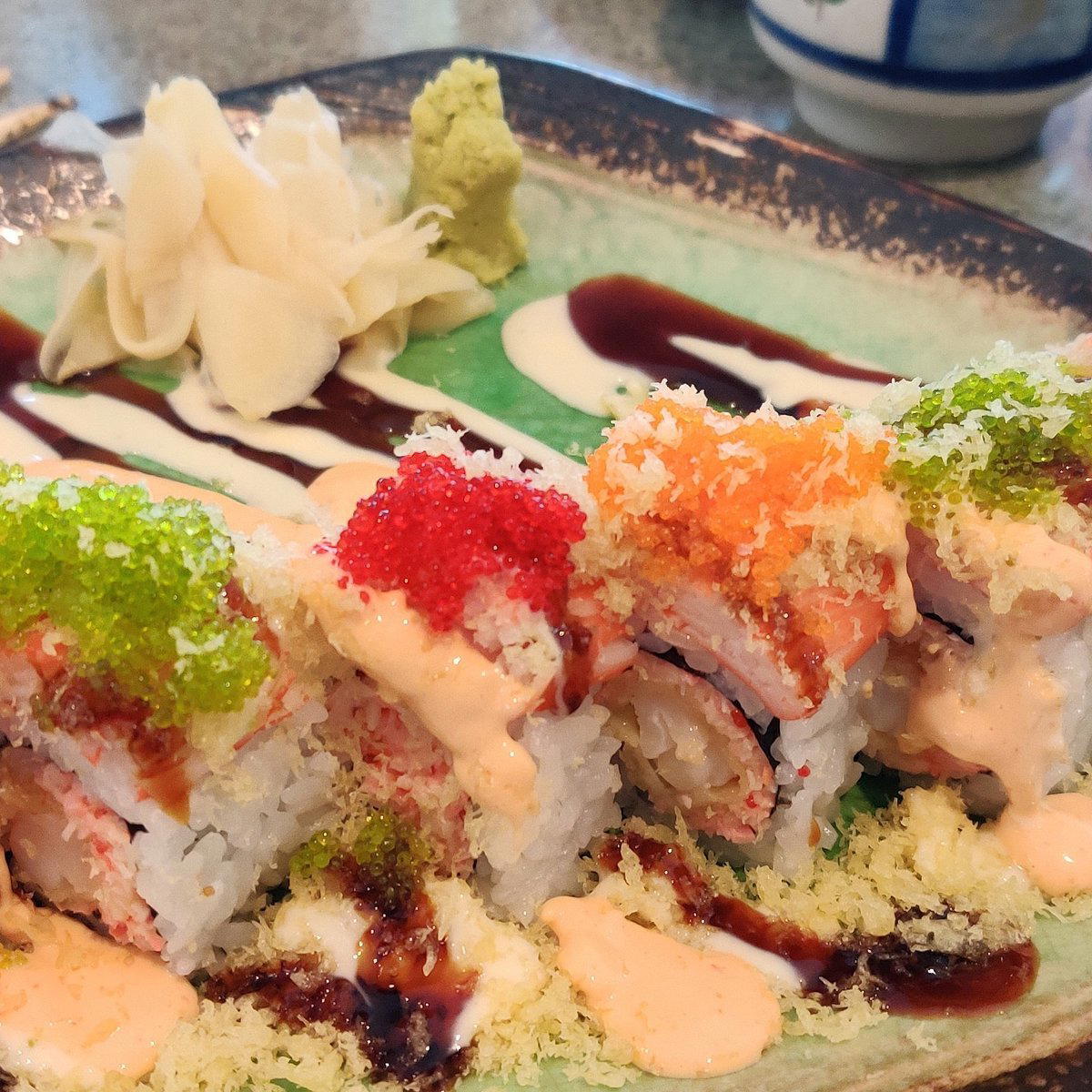
Reading the Room on Satellite Boulevard
Duluth's Satellite Boulevard corridor has developed, over the past two decades, into one of the more quietly serious dining strips in metro Atlanta. Strip-mall facades line the road, and the area's demographic mix — heavily Korean American and East Asian, with a restaurant scene to match — means the audience is informed and expectations run high. Operators who survive here tend to do so because the food earns repeat visits, not because the signage is persuasive. In this company, a Japanese restaurant earns its place by precision rather than novelty.
Menu Architecture as a Statement of Intent
In Japanese dining, the structure of a menu communicates as much as the dishes themselves. At the ambitious end of the American spectrum, think Atomix in New York City or Lazy Bear in San Francisco, menus are curated progressions designed to eliminate choice and impose a single narrative arc. At the opposite end, izakaya-style formats and neighborhood sushi houses offer breadth: a long card of rolls, hot plates, donburi, and supplemental small dishes that allow a table to eat according to its own logic. Haru Ichiban's positioning within that spectrum shapes the entire dining experience. Menu architecture in community-anchored Japanese restaurants in the American South typically reflects both the kitchen's technical range and its reading of local appetite. The balance struck between rolls and nigiri, between izakaya-style shared plates and composed entrees, tells you how a kitchen wants to be judged, and by whom.
That structure matters because it sets the terms of engagement before a dish arrives. A restaurant that leads with specialty rolls is positioning itself around accessible, crowd-facing flavor combinations; one that extends its sashimi and nigiri section, or includes less familiar formats like chirashi or omakase options, is inviting a more exacting conversation. The Duluth dining corridor, in this respect, functions as a testing ground: the density of knowledgeable diners means menus that overreach technically or underdeliver on value tend to self-correct quickly.
Duluth's Japanese Dining Context
Georgia's Japanese restaurant scene has traditionally concentrated in Midtown and Buckhead Atlanta, with suburban outposts calibrated to neighborhood demographics. Gwinnett County, where Duluth falls, shifted the calculus significantly as its Asian American population grew through the 2000s and 2010s. The result is a suburban dining corridor that operates more like an urban ethnic neighborhood in terms of competition depth and consumer sophistication. Restaurants here are not filling a vacuum; they are competing for a diner who has options and uses them regularly.
Within that context, the Satellite Boulevard strip functions something like a self-regulating market. Georgia Diner and Frankie's The Steakhouse occupy the American comfort and steakhouse tier; the Korean grill operators (Breakers Korean BBQ & Grill, Honey Pig) anchor one end of the Asian dining spectrum; and Chinese, Vietnamese, and Lao kitchens fill out the middle. A Japanese restaurant in this environment competes not just within its own category but against the full range of well-executed Asian dining that surrounds it. That cross-category pressure tends to keep any individual kitchen honest about where its strengths actually lie. For a broader map of where Haru Ichiban fits within the city's dining options, the full Duluth restaurants guide is the most useful starting point.
How It Compares Regionally and Nationally
Placing Duluth-area Japanese dining within the national frame requires some calibration. The reference points at the top of American Japanese cuisine, Le Bernardin in New York City for the precision-driven end of fine seafood, Providence in Los Angeles for Japanese-influenced tasting menus, Addison in San Diego or The French Laundry in Napa for multi-Michelin formats, set a ceiling that most suburban restaurants neither claim nor need. The more instructive comparison is with destination-driven American restaurants that have built loyal regional followings without national acclaim: places like Blue Hill at Stone Barns in Tarrytown or Single Thread Farm in Healdsburg, which demonstrate that serious cooking and community anchoring are not mutually exclusive. The distinction, at the suburban end of the market, lies in consistency and value proposition rather than conceptual ambition. A neighborhood Japanese kitchen that maintains quality across its core formats, sashimi, nigiri, cooked dishes, earns a different kind of trust than a high-concept operation. The audience is local, repeat-visit-driven, and attuned to whether standards hold week to week. Restaurants like Alinea in Chicago, The Inn at Little Washington in Washington, or Emeril's in New Orleans occupy their markets as destination anchors; Haru Ichiban's position is more akin to a trusted neighborhood resource in a market where the neighborhood is itself unusually demanding.
Planning Your Visit
Satellite Boulevard in Duluth is accessible by car from central Atlanta in roughly 30 to 40 minutes depending on I-85 traffic, and parking in the strip-mall format is direct and uncomplicated. Given that specific booking details, hours, and reservation policies are not published through a verified online channel at this time, the most reliable approach is to visit the address in person or look for current hours through Google Maps, which tends to reflect community-updated information. Weekday evenings in the Duluth corridor are generally easier than weekends, when Korean BBQ operators and larger format restaurants draw significant traffic that can affect parking and wait times across the strip. If you are visiting Duluth specifically to work through several restaurants in the area, pairing a Japanese dinner with a visit to the broader corridor gives useful context for how Haru Ichiban fits into the local dining ecosystem.
Frequently asked questions
What's Haru Ichiban's location?
Haru Ichiban is located at 3646 Satellite Blvd, Duluth, GA 30096, Duluth.
How does Haru Ichiban fit into the Japanese dining scene along Satellite Boulevard in Duluth?
Satellite Boulevard in Duluth, GA has accumulated over the past two decades a concentration of Asian dining that metro Atlanta food writers have increasingly taken seriously, with Japanese restaurants here operating closer to the considered end of the suburban spectrum than the strip-mall average. Haru Ichiban at 3646 Satellite Blvd sits within that context, drawing from a Gwinnett County dining public that has developed genuine fluency with Japanese food formats. No chef biography or national award is on file with EP Club, but the address alone places it in one of the more credible suburban Japanese corridors in the Southeast.
What should I eat at Haru Ichiban?
Haru Ichiban sits on Satellite Boulevard in Duluth, GA, a corridor that has built a reputation over two decades for serious Japanese dining rather than Americanized approximations. Without a published menu on file, the safest approach is to ask staff what the kitchen is running strongest that day — Japanese restaurants at this level of local ambition typically anchor around a core set of preparations that shift with availability. Arrive with curiosity rather than a fixed order in mind.
What's the defining dish or idea at Haru Ichiban?
The name Haru Ichiban — roughly translating to 'first of spring' in Japanese — signals a sensibility attuned to seasonality rather than static menus. That framing, common in traditional Japanese dining philosophy, suggests the kitchen orients around what is freshest at a given moment rather than a fixed signature item. Whether that translates into omakase-style service or an à la carte structure with seasonal rotations is best confirmed directly with the venue.
Can Haru Ichiban adjust for dietary needs?
No dietary accommodation policy is documented in EP Club's records for Haru Ichiban in Duluth, GA. Japanese kitchens at the more considered end of the suburban Atlanta spectrum typically have some flexibility around shellfish, soy, and gluten, but the specifics depend heavily on the kitchen's structure and staffing on a given night. Communicate requirements clearly at the time of booking or arrival.
Is Haru Ichiban worth it?
Haru Ichiban operates in a corridor — Satellite Boulevard in Duluth, GA — that has earned genuine credibility within metro Atlanta's dining conversation, not simply as a convenience option for Gwinnett County residents but as a destination with its own standards. No Michelin recognition or national award is on file with EP Club, so the case rests on its position within a dining strip that over two decades has attracted serious operators. That context makes it worth investigating if Japanese cuisine in the Atlanta suburbs is your focus.
Reputation First
Comparable venues nearby, for context on price, style, and recognition.
| Venue | Cuisine | Price | Awards | Notes |
|---|---|---|---|---|
| Haru IchibanThis venue — the venue you are viewing | Japanese Sushi and Izakaya | $20–30 | Not listed | Not listed |
| Iron Age | Korean BBQ All-You-Can-Eat | $20–30 | Not listed | Not listed |
| Udipi Cafe | South Indian Vegetarian | $10–20 | Not listed | Duluth |
| East Pearl | Cantonese Dim Sum | $10–20 | Not listed | Duluth |
| The Best BBQ | Hong Kong-Style Roast Meats & Dim Sum | $10–20 | Not listed | Duluth |
| Pho House | Traditional Vietnamese Pho | $10–20 | Michelin Plate | Not listed |



Details
- Sophisticated
- Date Night
- Group Dining
- Casual Hangout
- Open Kitchen
- Sake Program
- A La Carte
- Omakase
- Small Plates
- Vegetarian Friendly
- Vegan Options
Current opening hours
- Monday
- 11:30 AM–2:30 PM, 5:30–9:30 PM
- Tuesday
- 11:30 AM–2:30 PM, 5:30–9:30 PM
- Wednesday
- 11:30 AM–2:30 PM, 5:30–9:30 PM
- Thursday
- 11:30 AM–2:30 PM, 5:30–9:30 PM
- Friday
- 11:30 AM–2:30 PM, 5:30–10 PM
- Saturday
- 11:30 AM–2:30 PM, 5:30–10 PM
- Sunday
- 12–2:30 PM, 5:30–9:30 PM
Hours can change for holidays and private events. Last verified .
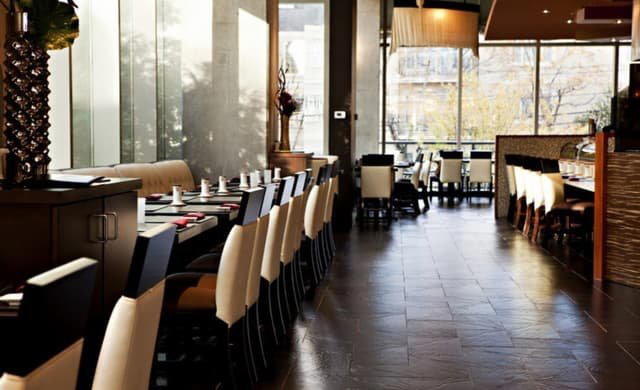
Sophisticated yet welcoming atmosphere with an upbeat and exciting vibe.