The Stone Grill - Korean BBQ and Grill
Our verdict
Current status is under verification; live venue details are withheld until a current primary source confirms them.
- Address
- 2550 Pleasant Hill Rd Ste 111, Duluth, GA 30097
- Directions
- Get directions
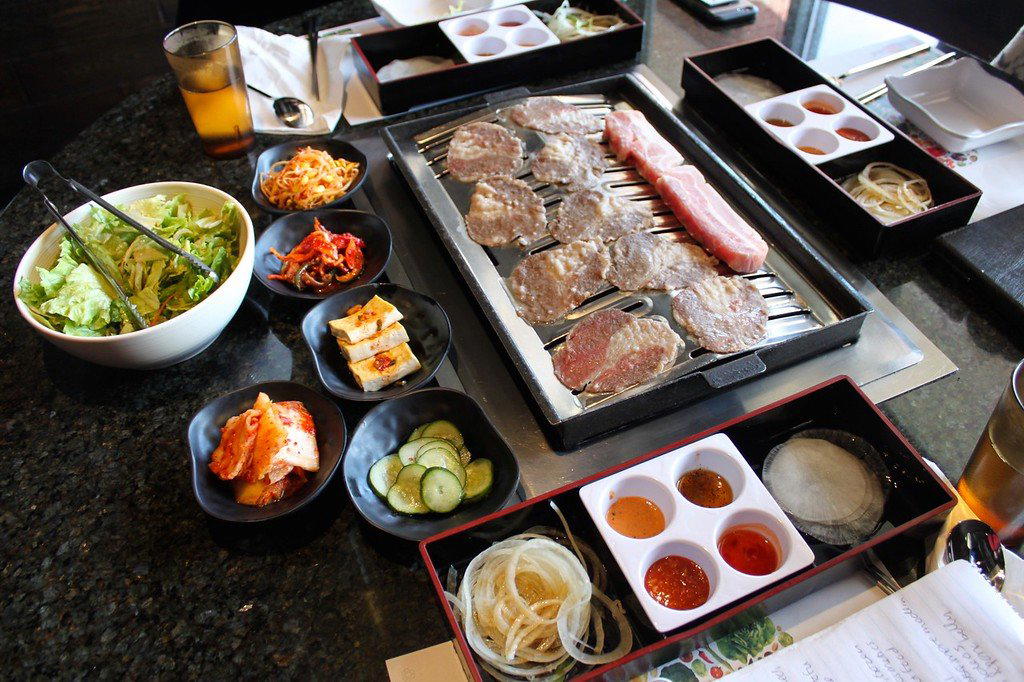
The menu
What to order
- Korean BBQ
- Tteokbokki
- Korean fried chicken
Where Duluth's Korean Dining Scene Earns Its Reputation
Gwinnett County's stretch of Pleasant Hill Road has become one of the Southeast's more credible Korean dining corridors, not through branding or tourism infrastructure, but through density and community. Korean-American households in Duluth have supported a restaurant culture here for decades, and the result is a block-by-block concentration of Korean BBQ houses, tofu stew specialists, and late-night grill spots that rivals clusters found in Los Angeles's Koreatown or Atlanta's own Buford Highway. The Stone Grill, at 2550 Pleasant Hill Rd in the Ste 111 retail strip, sits squarely within that ecosystem. It is a casual Korean BBQ restaurant in Duluth with a typical price point of about $25 per person. Its name signals the format before you open the door: stone or cast-iron grilling surfaces, table-side heat, and the social architecture of Korean BBQ that makes the meal as much about process as product.
That format, meat ordered raw, cooked by diners over a central burner or embedded grill, accompanied by banchan spread across the table, has a longer culinary history than its American strip-mall packaging might suggest. In Seoul, the tradition of gogigui runs through everything from basement charcoal spots in Mapo to high-end wagyu houses in Gangnam, each calibrated to a specific protein tier and clientele. Duluth's version of that tradition is more democratic in scope. Venues here compete on freshness of cut, quality of marinade, and the generosity of the banchan spread rather than on white-tablecloth presentation.
The Ingredient Logic of Live-Fire Korean Cooking
Korean BBQ's ingredient story is different from most Western grill traditions, and that distinction matters when assessing any venue in this format. The quality of the experience maps almost directly onto sourcing decisions made before service begins. Samgyeopsal (pork belly), galbi (short rib), and bulgogi (marinated sliced beef) each behave differently over heat, and the margin between a well-sourced cut and a commodity one is visible within the first minute on the grill. Fat distribution in the pork belly determines whether you get rendered, crisp edges or rubbery grey surfaces. The thickness of the galbi slice affects how quickly it chars without overcooking the interior. These are sourcing and butchery decisions, not cooking ones, the diner does the cooking, but the kitchen determines the outcome before it arrives at the table.
Banchan, the array of small accompaniments served alongside the main grill items, is the less-discussed but equally important sourcing variable. Fermented items, kimchi above all, but also kkakdugi (radish kimchi) and sigeumchi namul (seasoned spinach), reflect either in-house fermentation programs or supply chain relationships with producers. Well-fermented kimchi has a complexity that comes from time and good cabbage; the commercial alternative is sharper and thinner. At restaurants rooted in communities with active Korean households, like those along Pleasant Hill Road, the baseline expectation for banchan quality tends to be higher because the customer base knows the difference. That community calibration is part of what gives this corridor its reliability. Venues like Breakers Korean BBQ and Grill operate in the same competitive band, meaning the Stone Grill is pricing and performing against neighbors who share the same sourcing pressures and the same informed local audience.
Reading the Room: Atmosphere and Format
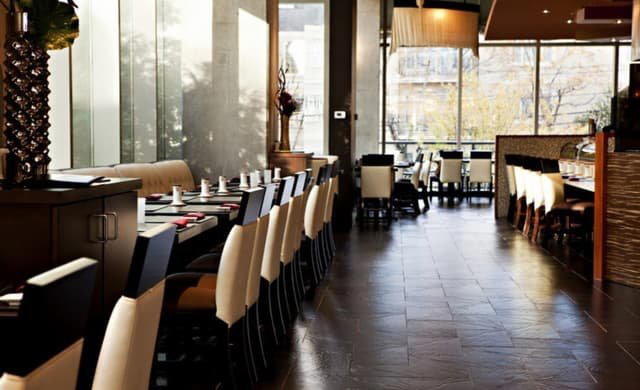
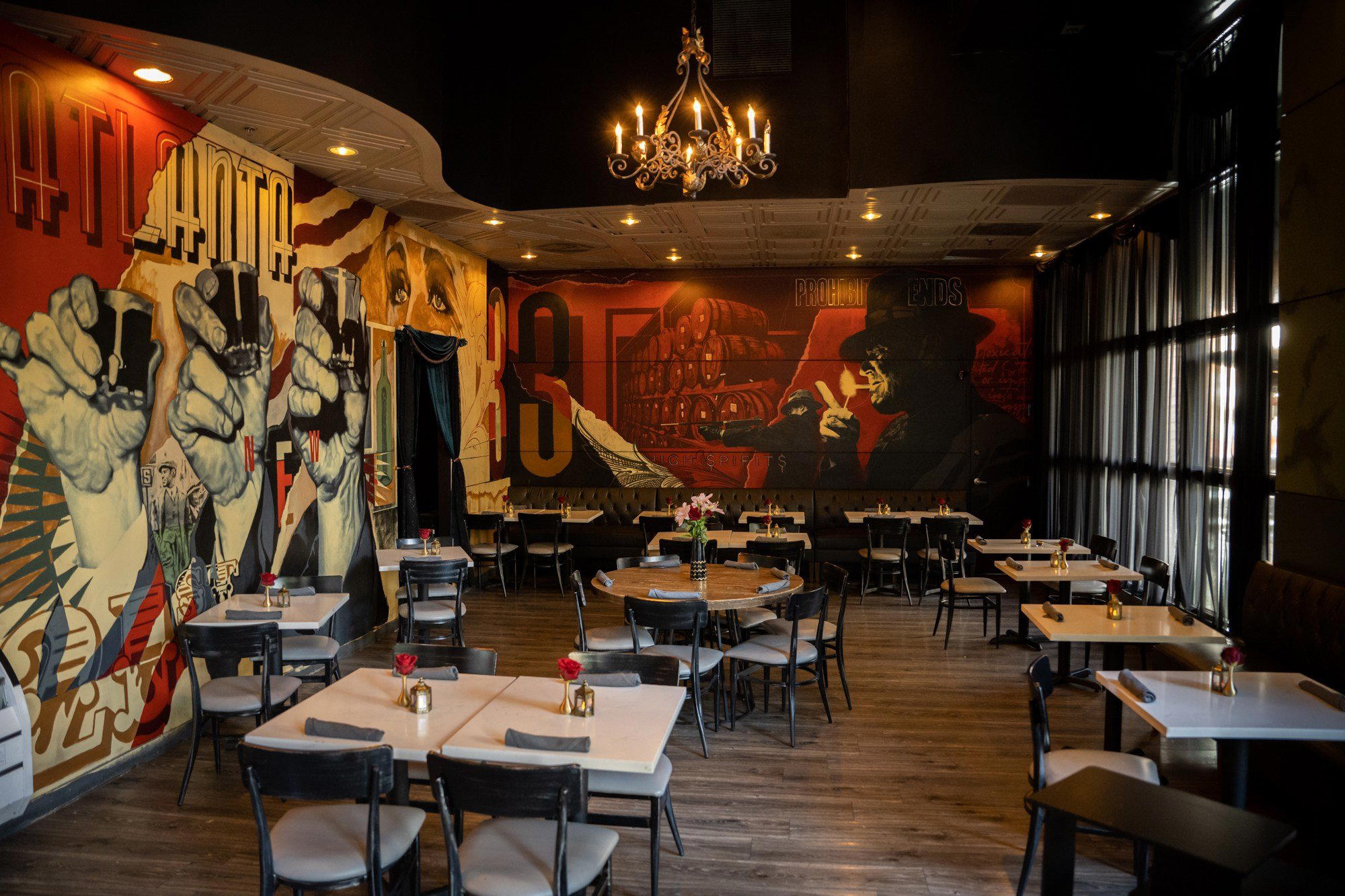
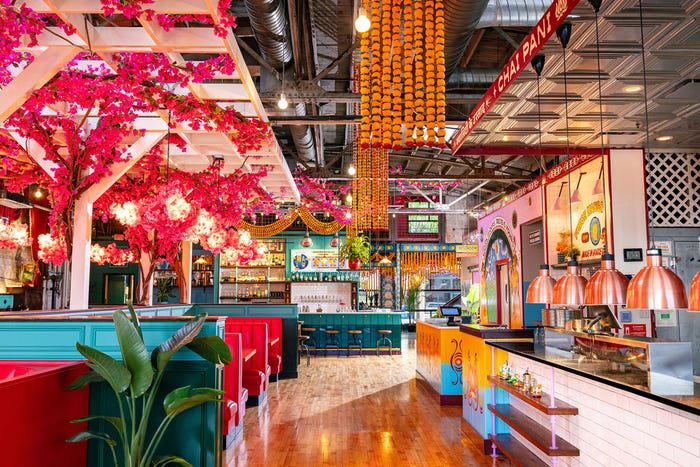
Strip-mall Korean BBQ has a particular atmosphere that regulars understand and first-timers sometimes misread. The physical environment, ventilation hoods over each table, laminated menus, communal noise from multiple grills running simultaneously, is functional by design, not default. The ventilation infrastructure alone represents a significant operational commitment; proper hood systems for tabletop grilling require extraction capacity that most casual dining formats don't need. When it works, the room fills with a warm, savory smoke that settles into a specific register: not unpleasant, but definitively present. Bring clothes you don't mind carrying that scent home.
The social format rewards groups. Two people can manage a Korean BBQ meal, but four or more allows the full spread, multiple protein options cooking simultaneously, banchan shared across the table, a rotation of wraps assembled with perilla leaves or lettuce, garlic, and fermented paste. Solo diners are not turned away, but the format is built around the table as a shared cooking surface and the meal as a collective activity. For Duluth diners who want a contrasting format, one where the kitchen does all the work and the table is a quieter, more composed experience, Haru Ichiban and East Pearl offer Japanese and Chinese options nearby on a different register entirely.
Placing the Stone Grill in Duluth's Broader Dining Map
Duluth's dining offer is more layered than its suburban geography implies. The Pleasant Hill corridor is Korean-dominant but not exclusively so. Vietnamese pho shops, Lao bistros, and Chinese seafood houses all compete within a few miles, creating a dining environment that rewards curiosity and repeat visits rather than single-destination thinking. For those working methodically through the area, Georgia Diner and Frankie's The Steakhouse represent the American-format anchors of the local scene, useful for understanding what the non-Korean side of Duluth dining looks like. Our full Duluth restaurants guide maps the broader range.
At the high end of American restaurant culture, places like Blue Hill at Stone Barns in Tarrytown or Single Thread Farm in Healdsburg, ingredient sourcing has become an explicit editorial statement, with farms named on menus and provenance treated as a primary value proposition. Korean BBQ operates on a different axis: sourcing quality here is embedded in the texture and flavor of the grill rather than announced in the menu language. The transparency is tactile rather than textual, which makes it no less real. That distinction is worth holding onto when comparing format to format. For those interested in how sourcing-led philosophy plays out in fine dining across American cities, Smyth in Chicago and Providence in Los Angeles offer instructive contrasts.
Frequently asked questions
Is The Stone Grill - Korean BBQ and Grill okay with children?
The Stone Grill is casual and walk-in friendly, with tabletop grills that are easier for older children than toddlers. Ask for seating away from the busiest service paths if you are dining with small kids.
What should I expect atmosphere-wise at The Stone Grill - Korean BBQ and Grill?
The Stone Grill is on Pleasant Hill Road in Duluth, where Korean BBQ is a familiar part of the local dining scene. Expect tabletop grills, overhead ventilation, and a busy, casual room.
How does The Stone Grill fit into the Korean dining options along Duluth's Pleasant Hill Road?
The Stone Grill is at 2550 Pleasant Hill Rd, Ste 111, Duluth, GA 30097, in Gwinnett County. It serves authentic Korean BBQ in a casual, walk-in friendly format.
What's the must-try dish at The Stone Grill - Korean BBQ and Grill?
For authentic Korean BBQ, a mix of marinated meats and grill items is the usual approach, and sharing a table lets you sample more of the menu.
Comparable Spots, Quickly
Comparable venues nearby, for context on price, style, and recognition.
| Venue | Cuisine | Price | Notes |
|---|---|---|---|
| The Stone Grill - Korean BBQ and GrillThis venue — the venue you are viewing | Authentic Korean BBQ | Not listed | Not listed |
| Iron Age | Korean BBQ All-You-Can-Eat | $20–30 | Duluth |
| Seo Ra Beol | Authentic Korean BBQ | $20–30 | Duluth |
| Honey Pig | Korean BBQ | $20–30 | Duluth |
| Haru Ichiban | Japanese Sushi and Izakaya | $20–30 | Duluth |
| Breakers Korean BBQ & Grill | Korean BBQ | Not listed | Gwinnett Place |





Details
- Lively
- Energetic
- Group Dining
- Casual Hangout
- Family
- Standalone
- A La Carte
- Family Style
- Vegetarian Friendly