Breakers Korean BBQ & Grill
Our verdict
Korean BBQ at Gwinnett Place in Duluth, GA, where the tabletop grill format connects one of metro Atlanta's densest Korean dining corridors to a tradition that is as much about communal ritual as it is about the food itself. A practical, grill-your-own format makes it accessible for first-timers and regulars alike, positioned among a competitive cluster of Korean restaurants along the Gwinnett corridor.
- Address
- 3505 Gwinnett Pl Dr NW #101, Duluth, GA 30096
- Phone
- (770) 946-1000
- Website
- breakersbbq.com
- Directions
- Get directions
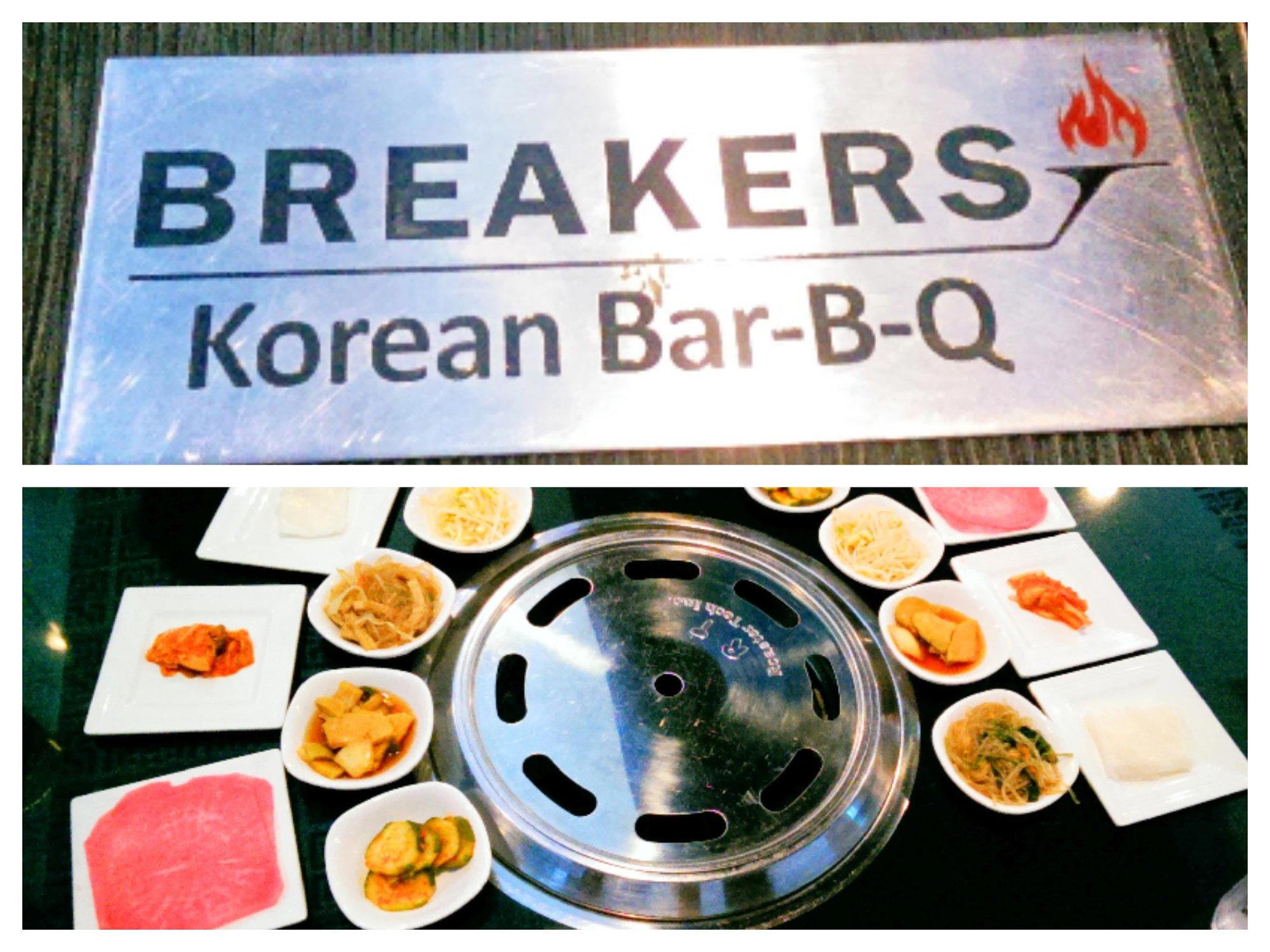
The menu
What to order
- 5-layer pork belly
- 21-day aged short ribs
Gwinnett's Korean BBQ Corridor
The stretch of Gwinnett Place Drive in Duluth, Georgia, is one of the most concentrated Korean dining corridors outside of Los Angeles and New York. The area's Korean-American population, one of the largest in the American South, has built a dining infrastructure that runs from fast-casual rice bowls to late-night tableside grills, and Breakers Korean BBQ & Grill, at 3505 Gwinnett Pl Dr NW, sits inside that ecosystem at the accessible, grill-format end of the spectrum. Walking into any Korean BBQ room in this district, you encounter the same sensory grammar: ventilation hoods suspended above each table, the sound of raw meat hitting hot grate, and the particular social geometry of a meal where cooking is shared rather than delegated. That format is not a gimmick. It is a centuries-old Korean tradition called gogi-gui, literally "meat roasting," and the version practiced across Gwinnett County carries genuine cultural weight regardless of the specific restaurant.
The Cultural Architecture of the Grill Format
Korean BBQ is one of the few dining formats in which the kitchen's work is intentionally incomplete. The table is the final cooking station, and the person seated at it is expected to participate. This is not a concession to novelty but a reflection of jeong, the Korean concept of relational warmth built through shared effort. The communal meal in Korean culture has long centered on the act of preparation together: wrapping a piece of short rib in perilla, adding a pinch of fermented paste, folding it into a single bite, and passing it across the table. The dozen or so small dishes that arrive before the meat, called banchan, extend that logic. Each one is a separate flavor register designed to be eaten alongside the main protein, and the combination shifts with every bite. In Duluth's Korean BBQ rooms, this format is practiced with varying degrees of formality, but the structural logic of the meal remains consistent across the corridor.
The significance of that corridor is regional. Gwinnett County now has one of the highest concentrations of Korean residents in the American South, and the dining strip around Gwinnett Place has absorbed the commercial infrastructure of that community over roughly three decades. Restaurants here are not translated for a non-Korean audience in the way that Korean BBQ in tourist-heavy urban centers often is. The audience is predominantly Korean-American, which tends to mean the banchan rotate more frequently, the service cadence follows Korean rather than Western conventions, and the menu's internal logic is aimed at people who know what they want. For visitors to the area, that depth is an asset. For a comparison point, consider what it means to eat at a Korean BBQ room in a neighborhood where the cuisine is the cultural center rather than the imported option: the difference in register is considerable, in the same way that eating Japanese food in a neighborhood with a large Japanese-American population differs from eating it in a tourist district.
Duluth's Korean BBQ scene is internally competitive. Venues like Honey Pig operate at the high-volume, high-energy end of the format, with late-night hours and a party-adjacent atmosphere. Others in the corridor take a quieter approach to the same structural format. Breakers, positioned in the Gwinnett Place shopping complex, occupies the mid-tier of this local market: a practical grill format in a commercial setting, alongside a dining district that also includes options like Haru Ichiban for Japanese, East Pearl for Chinese dim sum, and Georgia Diner for American-style comfort food. The geography of Gwinnett Place itself is telling: this is a former suburban mall site that has been substantially repurposed into an Asian dining and retail hub, a transformation that tracks directly with demographic change in the county.
Within the Korean BBQ tier specifically, the relevant local comparisons are Honey Pig and The Stone Grill, both operating in the same format and price register in the immediate vicinity. That density of similar options is not a problem for the category; Korean BBQ is a format where regulars return frequently, often weekly, and the presence of multiple venues is a sign of genuine community demand rather than market saturation. A diner who visits Frankie's The Steakhouse once a month for a different occasion is not the same customer as one who comes to the Gwinnett corridor for Korean BBQ on a Tuesday night because it is a practiced, familiar ritual.
The National Fine-Dining Context
Korean cuisine has moved decisively into the upper tier of American restaurant culture in the past decade. That tier represents a different expression of the cuisine, one shaped by tasting-menu format and fine-dining infrastructure. The Korean BBQ room in Gwinnett County operates in an entirely different register, one grounded in communal accessibility rather than chef-driven tasting architecture. Neither context negates the other. The traditions that animate a twelve-course Korean tasting menu at a venue like Atomix trace back to the same culinary inheritance as the banchan spread at a Duluth grill table. The formats diverge; the roots do not. For further context on how regional American dining supports this kind of cultural depth, see venues like Blue Hill at Stone Barns in Tarrytown, Single Thread Farm in Healdsburg, Lazy Bear in San Francisco, Addison in San Diego, Emeril's in New Orleans, The Inn at Little Washington, and Atelier Moessmer Norbert Niederkofler in Brunico for comparison points on how serious regional dining ecosystems sustain themselves across price tiers.
Planning a Visit
Breakers is located at 3505 Gwinnett Pl Dr NW, Suite 101, in Duluth, GA 30096, within the Gwinnett Place commercial complex. The surrounding area is navigable by car and parking is ample, as is typical of this suburban commercial format. For the broader Duluth dining picture, see our full Duluth restaurants guide.
Frequently asked questions
Where is Breakers Korean BBQ & Grill in Duluth?
Breakers Korean BBQ & Grill is located at 3505 Gwinnett Pl Dr NW #101, Duluth, GA 30096, Duluth.
How does Breakers Korean BBQ & Grill compare to other Korean restaurants in Duluth's Gwinnett Place area?
Duluth's Gwinnett Place Drive is home to one of the most concentrated Korean dining corridors in the American South, with venues ranging from high-volume late-night operations to more focused grill houses. For visitors coming from Atlanta, this corridor is approximately 30 miles northeast of the city center and functions as a self-contained destination for Korean cuisine.
What's the signature dish at Breakers Korean BBQ & Grill?
Breakers follows the Korean BBQ format, where the table grill is central to the meal rather than incidental to it. Signature proteins in this format typically include marinated short rib (galbi) and thin-cut ribeye (chadolbaegi), cooked tableside by the diner. Because Breakers operates within Duluth's Gwinnett Place corridor, one of the most competitive Korean BBQ clusters in the American South, the standard for meat quality and banchan variety in this zip code is high.
Can I walk in to Breakers Korean BBQ & Grill?
Walk-in availability at Korean BBQ restaurants along the Gwinnett Place Drive corridor tends to vary sharply by day and hour. Weekend evenings at comparable venues in this stretch fill quickly, often within the first hour of service. Arriving early or on a weeknight typically improves your chances.
What's the defining dish or idea at Breakers Korean BBQ & Grill?
The defining idea is the table as final cooking station. Korean BBQ is one of the few dining formats where the kitchen intentionally leaves the meal unfinished, handing control of timing and char level to the diner. At Breakers, located at 3505 Gwinnett Pl Dr NW in Duluth, that format places it in direct conversation with a corridor of Korean restaurants that collectively serve one of the most culinarily literate Korean-American communities outside the coasts.
Is Breakers Korean BBQ & Grill good for vegetarians?
Korean BBQ menus are structured around meat, but the format typically includes a substantial spread of banchan, the small side dishes that can include kimchi, seasoned spinach, pickled radish, and scallion salad. Vegetarians who eat seafood or are comfortable building a meal around banchan and tofu-based dishes will find more to work with than strict vegans.
Price and Positioning
| Venue | Cuisine | Price | Awards |
|---|---|---|---|
| Breakers Korean BBQ & GrillThis venue — the venue you are viewing | Korean BBQ | Not listed | Not listed |
| Masterpiece | Sichuan Chinese | $20–30 | Michelin Bib Gourmand |
| Snackboxe Bistro | Laotian Street Food Bistro | $10–20 | Michelin Plate |
| Pho House | Traditional Vietnamese Pho | $10–20 | Michelin Plate |
| Frankie’s The Steakhouse | Manhattan-Style Steakhouse | $150–200 | Wine Spectator Best of Award of Excellence · World's Best Wine Lists Awards WBWL 2-Star |

Details
- Modern
- Trendy
- Lively
- Group Dining
- Casual Hangout
- Open Kitchen
- A La Carte
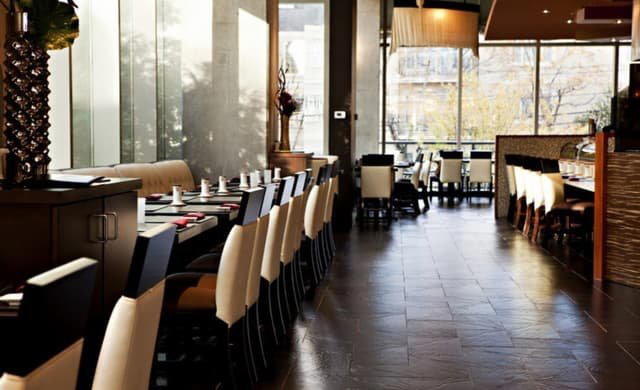
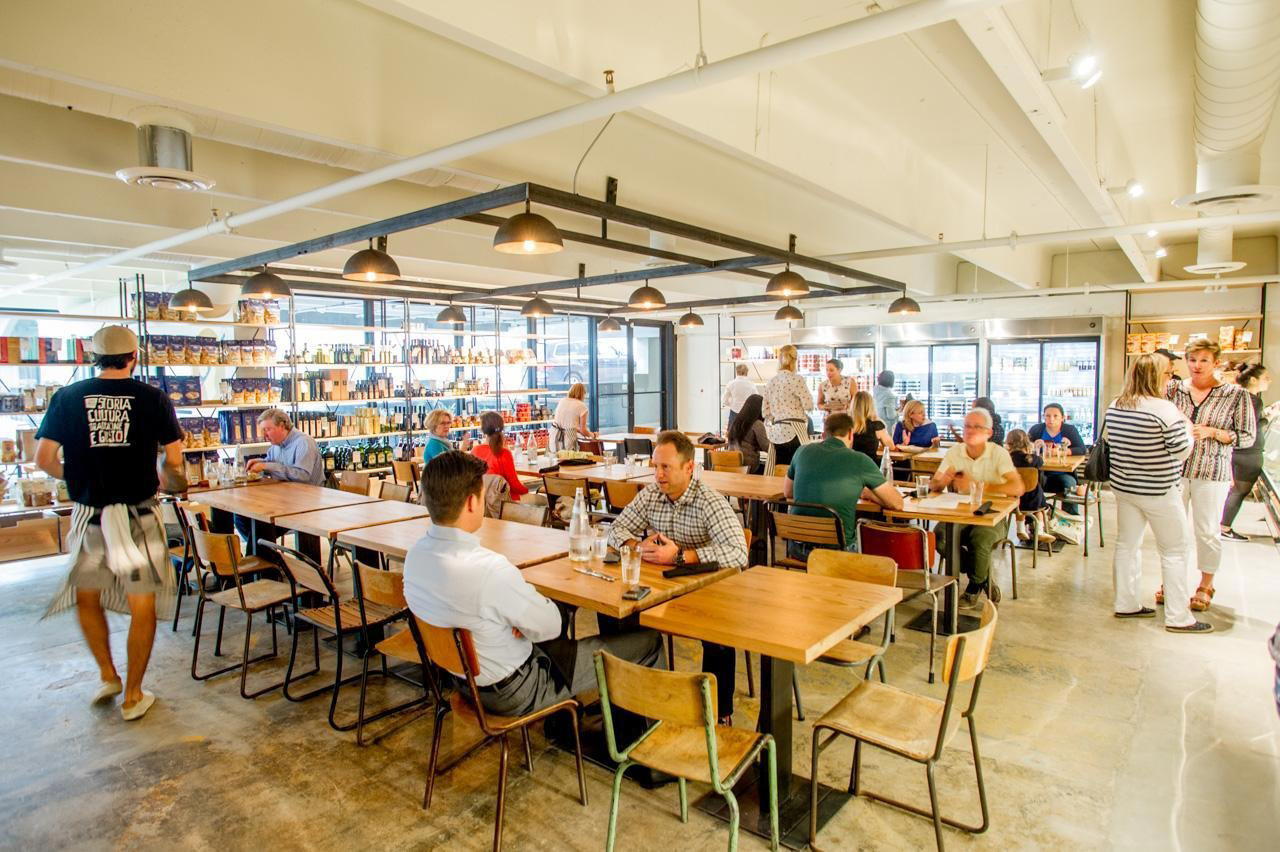
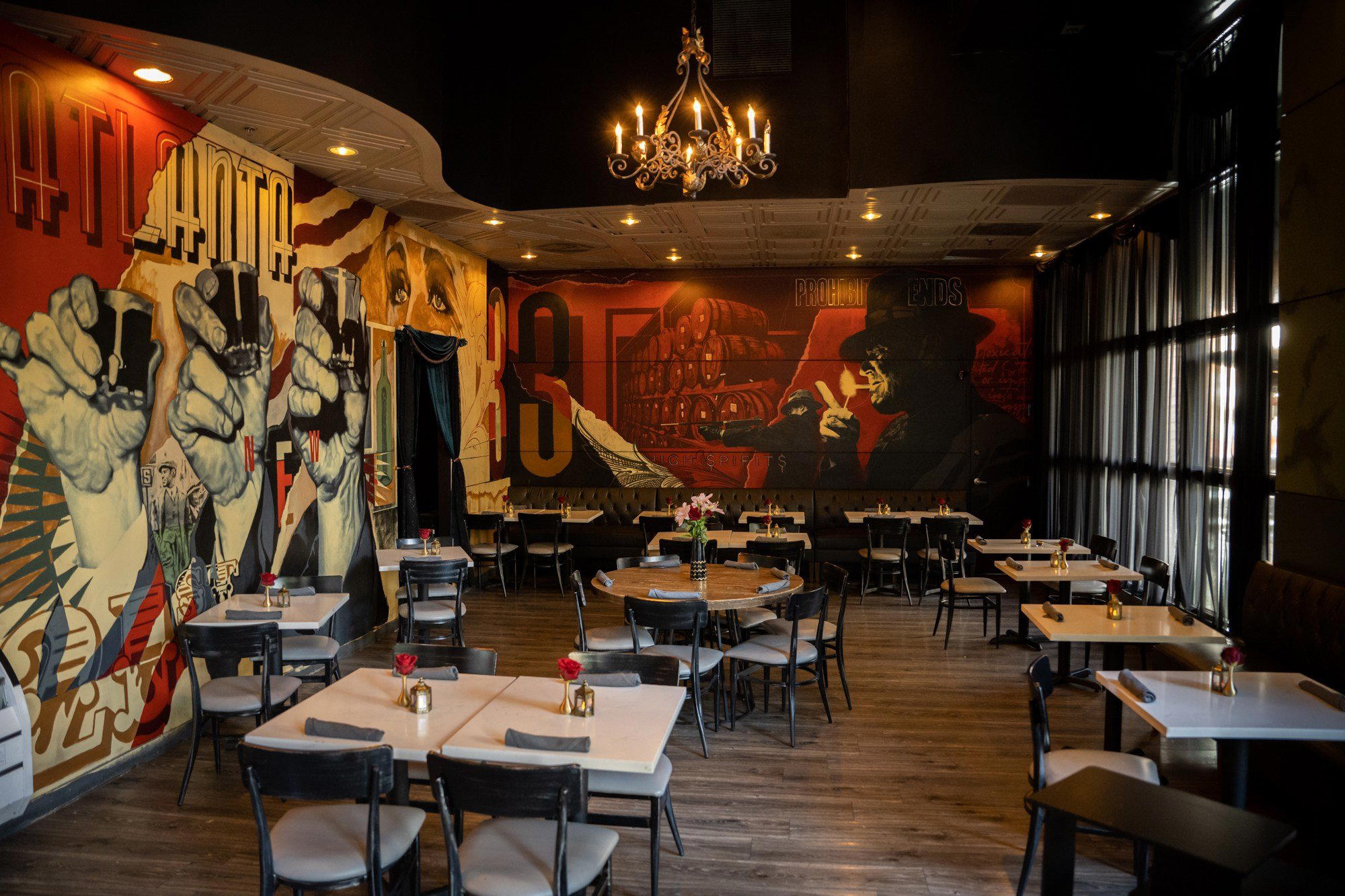
Sleek and modern with roomy white booths, slick black tables, and a clean, smoke-free atmosphere.