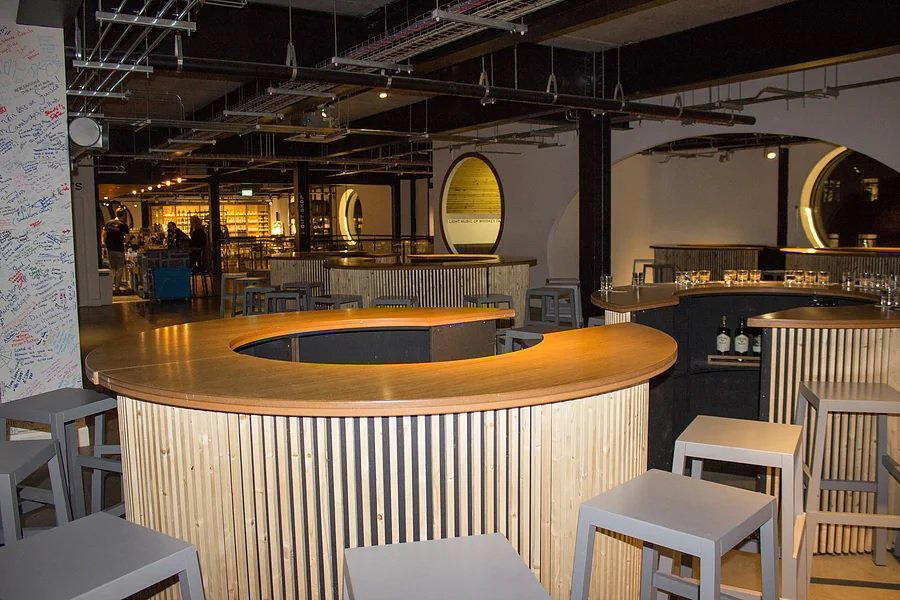
Our verdict
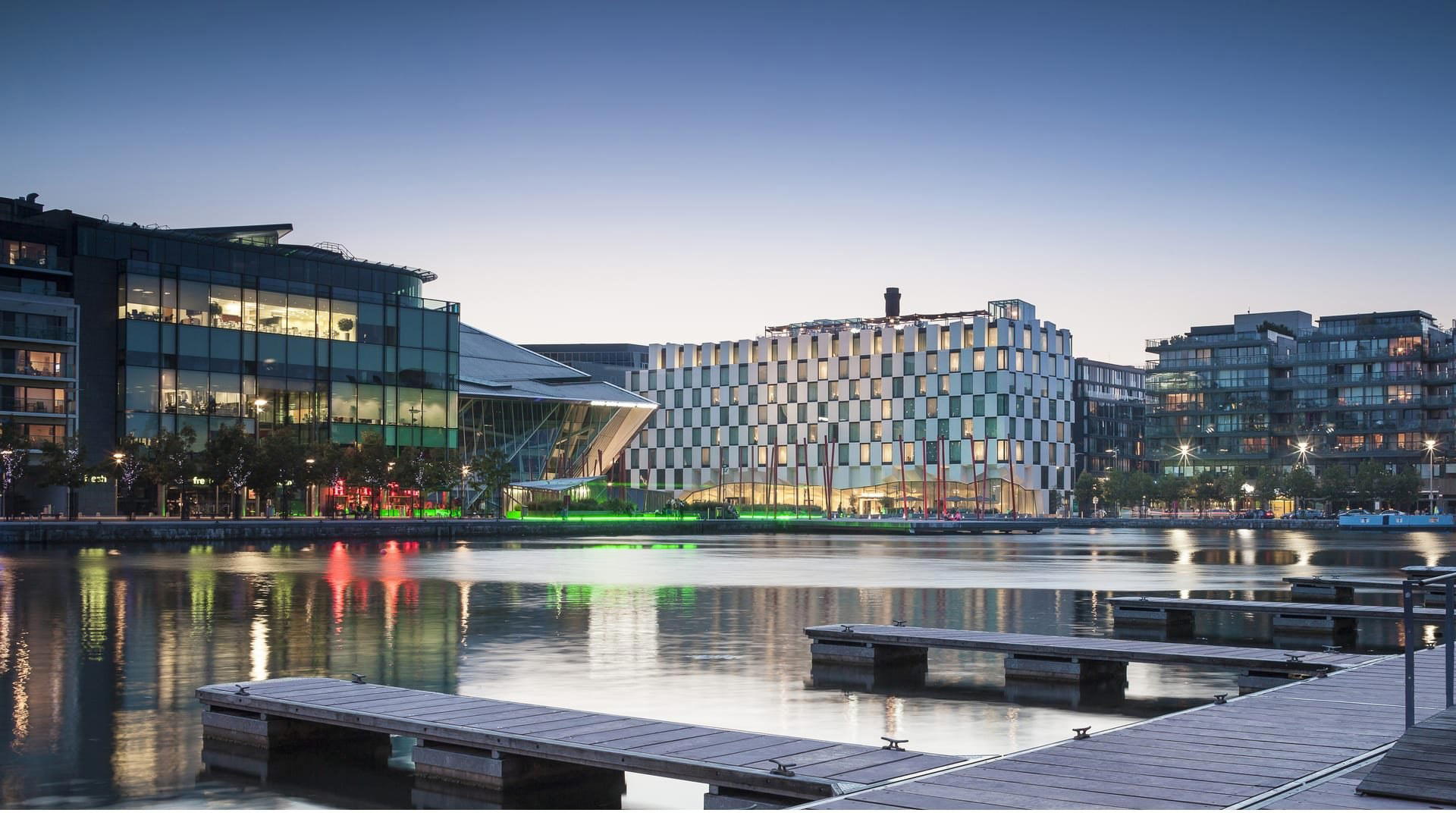
Positioned on Custom House Quay in Dublin 1, Honey Fitz occupies one of the city's most historically weighted stretches of the Liffey waterfront. The address places it within reach of Dublin's evolving north quays dining scene, where a newer generation of restaurants is redefining what the area offers beyond the traditional south-side concentration of fine dining.

Pearl is the En Primeur Club membership app — saves, bookings, and concierge access live there. Same editors, same standards.
- Address
- Custom House Quay, North Wall, Dublin 1, D01 V9X5, Ireland
- Phone
- +35318541500
- Hours
- Daily 12–10 PM
- Website
- honeyfitzbarrestaurant.ie
- Directions
- Get directions
- Booking
- Book on OpenTable
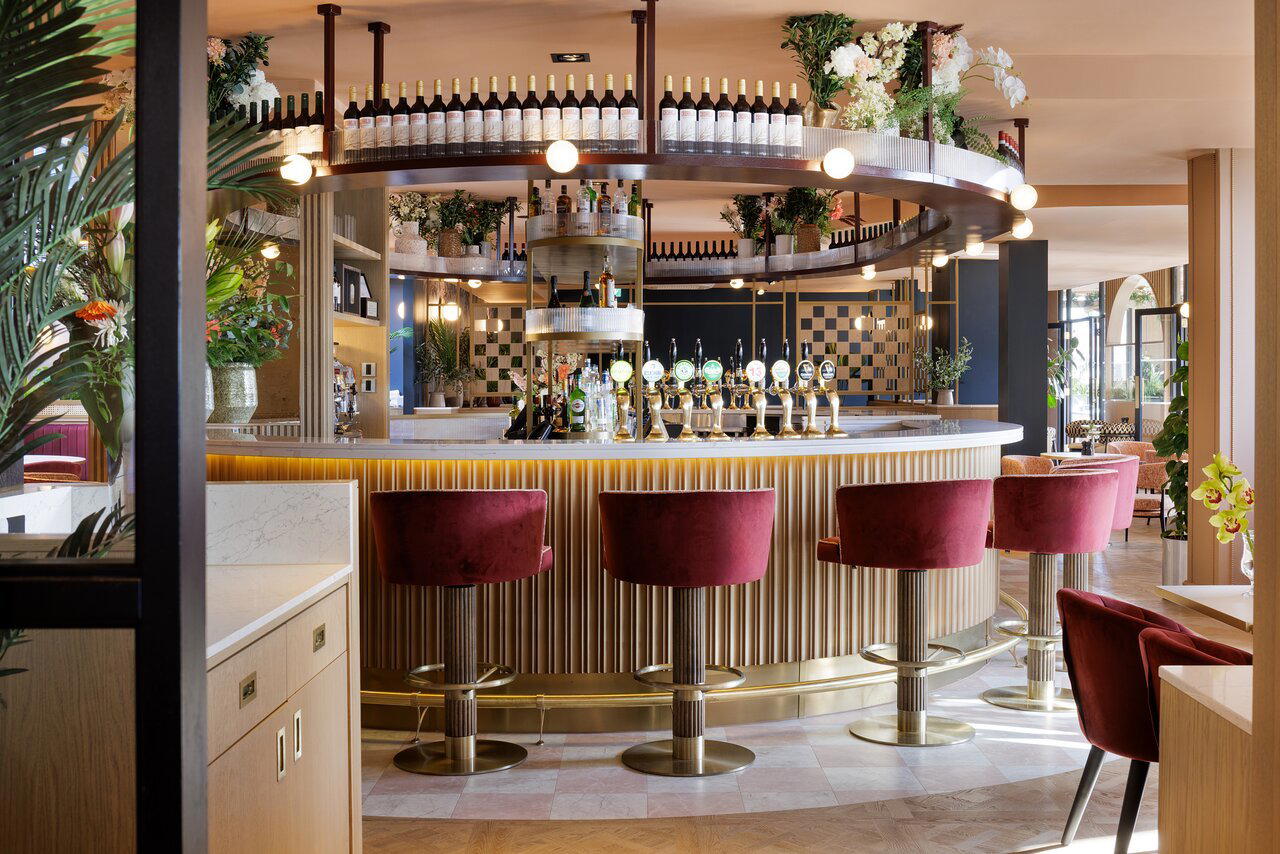
The menu
What to order
- Braised Irish Beef Feather-Blade
- Clam Chowder
- Bistro Steak
The North Quays and What They Represent
Dublin's fine dining geography has long tilted south. The addresses that accumulated Michelin stars and critical attention over the past three decades — from Merrion Street to Stephen's Green — established a centre of gravity that the north bank of the Liffey is only now beginning to challenge in earnest. Custom House Quay, where Honey Fitz is located, sits at the edge of that shift. The quays here carry considerable historical weight: the Custom House itself is one of the most architecturally significant Georgian buildings in the city, and the surrounding streets form the eastern boundary between Dublin's traditional commercial core and the newer Docklands development zone.
That context matters for understanding where a restaurant like Honey Fitz positions itself. Dining on the north quays is not yet the default choice for a significant Dublin meal, which means venues that establish themselves here are making a deliberate argument about neighbourhood. Across the water, the older fine dining establishment, represented by Patrick Guilbaud, the country's most decorated restaurant, operates within a well-mapped set of expectations about address, formality, and occasion. The north side, by contrast, is building its reputation more recently and with less institutional scaffolding.
Dublin's Waterfront and the Shift in Dining Culture
Irish restaurant culture has undergone a meaningful structural change over the past decade. The generation of chefs that trained in French kitchens and returned to produce classical tasting menus gave way to a second wave more interested in Irish produce as a primary argument rather than a supporting one. Venues like Bastible on the south side and Chapter One by Mickael Viljanen on Parnell Square have represented different facets of that evolution, one rooted in neighbourhood accessibility, the other in formal ambition with a Michelin two-star credential to match.
The waterfront specifically adds another dimension. Internationally, riverside and harbourside dining carries associations that go beyond the view: the proximity to trade routes, to fish markets, to the movement of goods and people. In Dublin, the Liffey quays have historically been working infrastructure rather than dining destinations, which is precisely what makes their gradual transformation interesting. When restaurants choose these addresses, they are, consciously or not, aligning with a civic reimagining of the riverbank that has been underway since the early 2000s Docklands regeneration. The cultural weight of that choice is real even where the restaurant itself remains relatively new to the scene.
What the Address Tells You About the Offer
Custom House Quay, Dublin 1, is a specific kind of address. It is not the Georgian townhouse basement that signals a certain type of intimate tasting menu experience, nor is it the suburban location that suggests neighbourhood restaurant ambitions. It is urban waterfront, within walking distance of the financial district, the IFSC, and the Convention Centre. That positioning tends to attract a particular mix: after-work dining, corporate entertaining, and visitors staying in the Docklands hotel corridor who want something with local identity rather than international hotel-restaurant generic output.
For comparison, Dublin venues occupying similar geographic logic, near large-scale commercial development, with waterfront or landmark adjacency, often find their programming shaped by that demographic reality. The challenge and the opportunity are the same: a captive audience with high spend capacity and limited patience for novelty for its own sake, who nonetheless respond well to restaurants that can articulate what makes Irish food and drink worth serious attention. Venues that have read that brief well elsewhere in Ireland, from Liath in Blackrock to Aniar in Galway, have done so by grounding ambition in specific, traceable Irish produce rather than relying on technique as the primary selling point.
Ireland's Restaurant Moment and Where Dublin Fits
The broader Irish dining scene has reached a level of international recognition that would have seemed implausible twenty years ago. Michelin's Irish guide now covers a spread of addresses that extends well beyond Dublin, Terre in Castlemartyr, dede in Baltimore, Chestnut in Ballydehob, Bastion in Kinsale, Campagne in Kilkenny, Lady Helen in Thomastown, Homestead Cottage in Doolin, and House in Ardmore among them. That geographic spread has had the effect of distributing culinary ambition across the island in a way that actually strengthens Dublin's position rather than diluting it: the capital benefits from being part of a nationally credible food culture rather than an isolated outpost of metropolitan dining.
Within Dublin specifically, the competitive set has also expanded beyond the long-established names. Glovers Alley and D'Olier Street represent newer arrivals that have entered the city's higher-end tier with distinct propositions.
That maturation is significant context for any restaurant opening on the north quays. The bar is higher, the comparison set is richer, and the audience is more travelled, more likely to have eaten at Le Bernardin in New York or Atomix than a Dublin diner of a decade ago. Those reference points shape expectations in both directions: they raise the standard for execution, but they also create appetite for restaurants that do something with genuine Irish specificity that cannot be replicated elsewhere.
Know Before You Go
Address: Custom House Quay, North Wall, Dublin 1, D01 V9X5, Ireland
Area: North Quays / Docklands, Dublin 1
Booking: Contact details not currently listed; check directly via search or walk-in availability
Getting There: The Custom House Quay address is accessible on foot from Connolly Station (approximately 10 minutes), and is served by several Dublin Bus routes along the quays. The Luas Red Line stop at Busáras is within walking distance.
Note: We recommend verifying details directly before visiting.
Frequently asked questions
Where do I go for Honey Fitz?
Honey Fitz is located at Custom House Quay, North Wall, Dublin 1, D01 V9X5, Ireland, Dublin.
Is Honey Fitz a good option for a special occasion dinner in Dublin 1?
Honey Fitz on Custom House Quay occupies one of Dublin 1's more considered waterfront addresses, placing it in a part of the city that has seen genuine investment in dining over the past decade. The North Quays setting offers a distinct alternative to the Georgian basement rooms that have defined Dublin's occasion-dining default for years. Specific pricing and menu details should be confirmed directly with the venue before booking.
What dish is Honey Fitz famous for?
Honey Fitz sits on Custom House Quay, Dublin 1, an address that has attracted restaurants oriented around produce-led cooking and waterfront atmosphere rather than a single signature dish.
How hard is it to get a table at Honey Fitz?
Given its Custom House Quay address in Dublin 1, demand will track the broader shift of diners toward the North Quays. Contacting the venue directly is the most reliable way to check current availability.
What is Honey Fitz known for?
Honey Fitz is associated with Dublin's waterfront dining scene on the North Liffey, occupying a Custom House Quay address that positions it within the city's emerging North Quays corridor. The venue name has drawn attention as part of a broader shift in Dublin's restaurant geography away from its traditional southside concentration.
Is Honey Fitz allergy-friendly?
Irish restaurants operating under Food Safety Authority of Ireland guidelines are required to provide allergen information on request. check the venue's official channels before visiting if dietary requirements are a factor.
A Lean Comparison
Comparable venues nearby, for context on price, style, and recognition.
| Venue | Cuisine | Price | Awards | Notes |
|---|---|---|---|---|
| Honey FitzThis venue — the venue you are viewing | Modern Irish-American | $30–50 | Not listed | Not listed |
| Isabelle's | Contemporary Irish | $50–100 | Not listed | Mansion House B, Contemporary Irish |
| Craft | Modern Irish Bistro | $50–100 | Not listed | Kimmage C, Modern Irish Bistro |
| Camden Kitchen | Modern Irish Bistro | $30–50 | Not listed | Saint Kevin'S, Modern Irish Bistro |
| Forbes Street by Gareth Mullins | Contemporary Irish Grill | $50–100 | Star Wine List · Wine Spectator Award of Excellence | South Dock, Contemporary Irish Grill |
| Pearl Brasserie | Modern French Brasserie with Asian Fusion | $100–150 | Not listed | Mansion House B, Modern French Brasserie with Asian Fusion |