Our verdict
On Bloor West, Piano Piano operates in a register that Toronto's Italian dining scene rarely hits: neighbourhood in spirit, considered in execution. A reliable choice when the occasion calls for something more deliberate than a casual trattoria.

Pearl is the En Primeur Club membership app, where members save venues, book tables and use the concierge.

The menu
What to order
- Pasta al Pomodoro
- Osso Buco
- Tiramisu
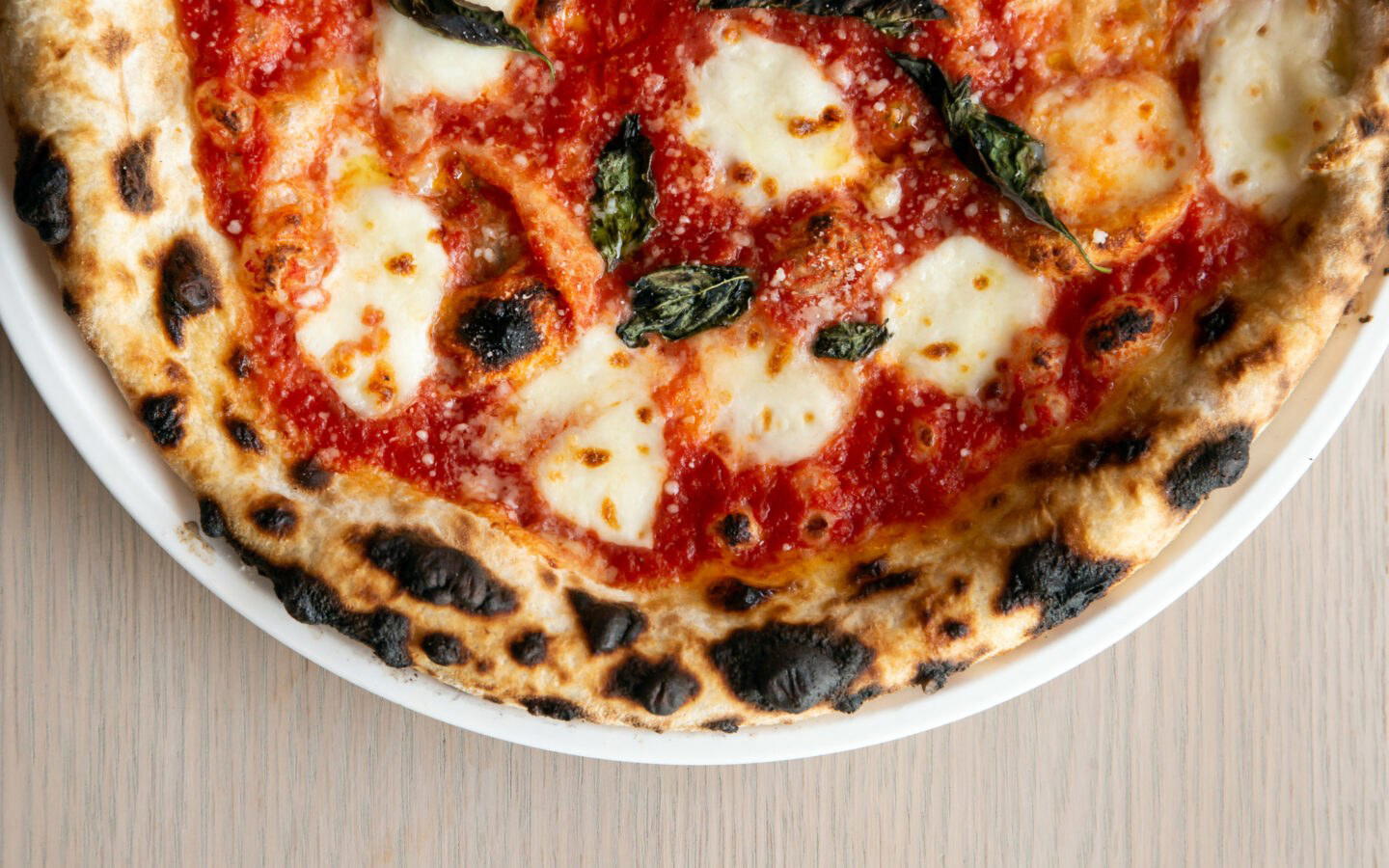
- Sourdough Crust Pizza
- Canestri alla Vodka
- Bone-In Veal Parm
Where Bloor West's Character Meets the Kitchen
The stretch of Bloor Street West between Ossington and Dufferin has a particular rhythm, independent retailers, long-running cafés, the kind of foot traffic that suggests a neighbourhood still used by people who actually live there. Piano Piano sits inside that rhythm rather than against it. The room reads as Italian without performing it: the kind of space where the noise level stays useful for conversation and the lighting doesn't announce itself. In a city where Italian dining splits sharply between expense-account formality and red-sauce nostalgia, a middle register that takes the cooking seriously is worth identifying.
Toronto's Italian dining scene has consolidated around two poles in recent years. At the leading end, venues like DaNico and Don Alfonso 1890 operate at the $$$$ price point, with tasting formats or premium à la carte structures that position them alongside Alo in the city's upper contemporary tier. Piano Piano's Bloor location occupies different ground: a neighbourhood dining room where the proposition is about frequency and comfort as much as occasion, but where the cooking reflects enough technical intention to distinguish it from trattoria-by-numbers.
The Local-Global Equation on the Plate
The editorial angle that explains Piano Piano Bloor most clearly is also the one that defines the more interesting end of Canadian restaurant cooking right now: the use of imported technique on domestic product. This is not a new idea Eigensinn Farm in Singhampton has been running a version of it for decades, and Tanière³ in Quebec City applies it at a fine-dining register with considerable rigour. What shifts at Piano Piano is the register: the same logic applied at a neighbourhood scale, where the diner isn't necessarily thinking in those terms, but the kitchen is.
Italian technique has always travelled well precisely because it is ingredient-driven. Pasta dough, braise ratios, the logic of a soffritto, these are methods that respond to what is available locally rather than insisting on a fixed ingredient list. When applied to Ontario's seasonal produce, that compatibility becomes an asset. The same structural thinking that works in Emilia-Romagna with local pork and local wheat adapts to Canadian seasons without losing its internal logic. Restaurants working this intersection, as AnnaLena in Vancouver does with Pacific Northwest ingredients through a European lens, or as Jérôme Ferrer - Europea in Montreal does at a more theatrical scale, tend to produce cooking that reads as coherent rather than eclectic.
The Canadian restaurant scene has increasingly validated this approach through its strongest regional operators. Restaurant Pearl Morissette in Lincoln and The Pine in Creemore both demonstrate how deeply European culinary grammar can root itself in Ontario's agricultural landscape when the commitment is genuine. Piano Piano operates in a less remote, more urban version of that same proposition.
Situating Piano Piano in Toronto's Dining Conversation
Toronto's high-end Japanese counters, Sushi Masaki Saito and Aburi Hana, represent what happens when imported technique arrives with almost no concession to local product or local atmosphere, and the results justify that position. Piano Piano represents the opposite strategy: deep integration into a neighbourhood, a price point and format designed for return visits, and cooking that absorbs local material without making a performance of it.
That distinction matters for the reader trying to place Piano Piano in Toronto's overall map. It is not a destination restaurant in the way that Le Bernardin in New York City or Atomix in New York City are destinations, places where the cooking is the reason you plan around getting there. Piano Piano is closer to what European cities mean when they talk about a neighbourhood restaurant that happens to cook well: the kind of place that sustains a local dining culture rather than anchoring a tourism itinerary. That is a different but legitimate value, and in Toronto, where genuine neighbourhood restaurants with serious kitchens remain underrepresented relative to the city's size, it is worth naming directly.
For a broader survey of where Piano Piano sits in the city's full dining picture, the EP Club Toronto restaurants guide maps the competitive set across price tiers and cuisine categories. For Canadian comparisons outside the city, Narval in Rimouski and Aux Anciens Canadiens in Quebec illustrate how differently the local-ingredient question plays out when the regional larder changes. Barra Fion in Burlington and Bearspaw Golf Club in Calgary round out the picture of how neighbourhood-anchored dining operates at different scales across the country.
Planning Your Visit
Know Before You Go
- Address: 1006 Bloor St W, Toronto, ON M6H 1M2
- Neighbourhood: Bloor West / Dufferin Grove, walkable from Dufferin TTC station
- Price tier: Mid-range by Toronto standards; positioned below the $$$$ Italian tier
- Booking: Check current availability via the restaurant directly; walk-in policy varies by service
- Leading timing: Weeknight visits typically offer more flexibility than weekend service
Frequently asked questions
What do regulars order at Piano Piano Bloor?
Piano Piano's reputation in its neighbourhood rests on its pasta program, which reflects the kitchen's Italian technique most directly. Regulars at restaurants in this category tend to anchor their order around house-made pasta as a measure of kitchen discipline, it is the dish that separates a genuinely Italian-trained approach from surface imitation. For a Toronto Italian reference point, compare how the pasta programs at DaNico and Don Alfonso 1890 sit at the formal end of the same spectrum; Piano Piano operates the same logic at a more accessible register. The kitchen's treatment of seasonal vegetables as supporting characters rather than afterthoughts also draws consistent attention from the restaurant's established clientele.
Can I walk in to Piano Piano Bloor?
Walk-in availability at Piano Piano Bloor depends on the day and time. Weeknights tend to offer more flexibility than Friday and Saturday evenings, when the dining room fills closer to capacity. Toronto's mid-range Italian restaurants at this address and price point generally recommend booking ahead for weekend visits, particularly if your party is larger than two. Checking directly with the restaurant for current policy is the most reliable approach, as walk-in availability can shift seasonally.
How does Piano Piano Bloor fit into Toronto's Italian dining scene compared to higher-end options?
Piano Piano Bloor occupies a deliberate middle position in Toronto's Italian dining market. Where venues like DaNico and Don Alfonso 1890 operate at the $$$$ tier with corresponding occasion-dining formats, Piano Piano is built for frequency, the kind of restaurant a neighbourhood returns to rather than reserves for a milestone. The cooking draws on genuine Italian technique applied to Canadian seasonal produce, which places it in a more interesting category than price alone would suggest. For diners whose Toronto itinerary already includes a high-end Italian or contemporary meal, Piano Piano functions as the low-friction complement rather than the competition.
How It Stacks Up
Comparable venues nearby, for context on price, style, and recognition.
| Venue | Cuisine | Price | Awards | Notes |
|---|---|---|---|---|
| Piano Piano BloorThis venue (the venue you are viewing) | Contemporary Italian | $50–100 | Not listed | Not listed |
| Il Ponte | Italian Cucina | $30–50 | Not listed | South Riverdale |
| Moretti Toronto | Modern Italian Pizzeria | $50–100 | Not listed | Entertainment District |
| Playbook Commons | Italian-American Steakhouse | Not listed | Not listed | Niagara |
| Archeo | Contemporary Italian | $50–100 | Not listed | Waterfront Communities-The Island |
| ViBo Restaurant | Authentic Italian | Not listed | Star Wine List | Sunnylea |
Continue exploring
More in Toronto
Restaurants in Toronto
All restaurants in Toronto →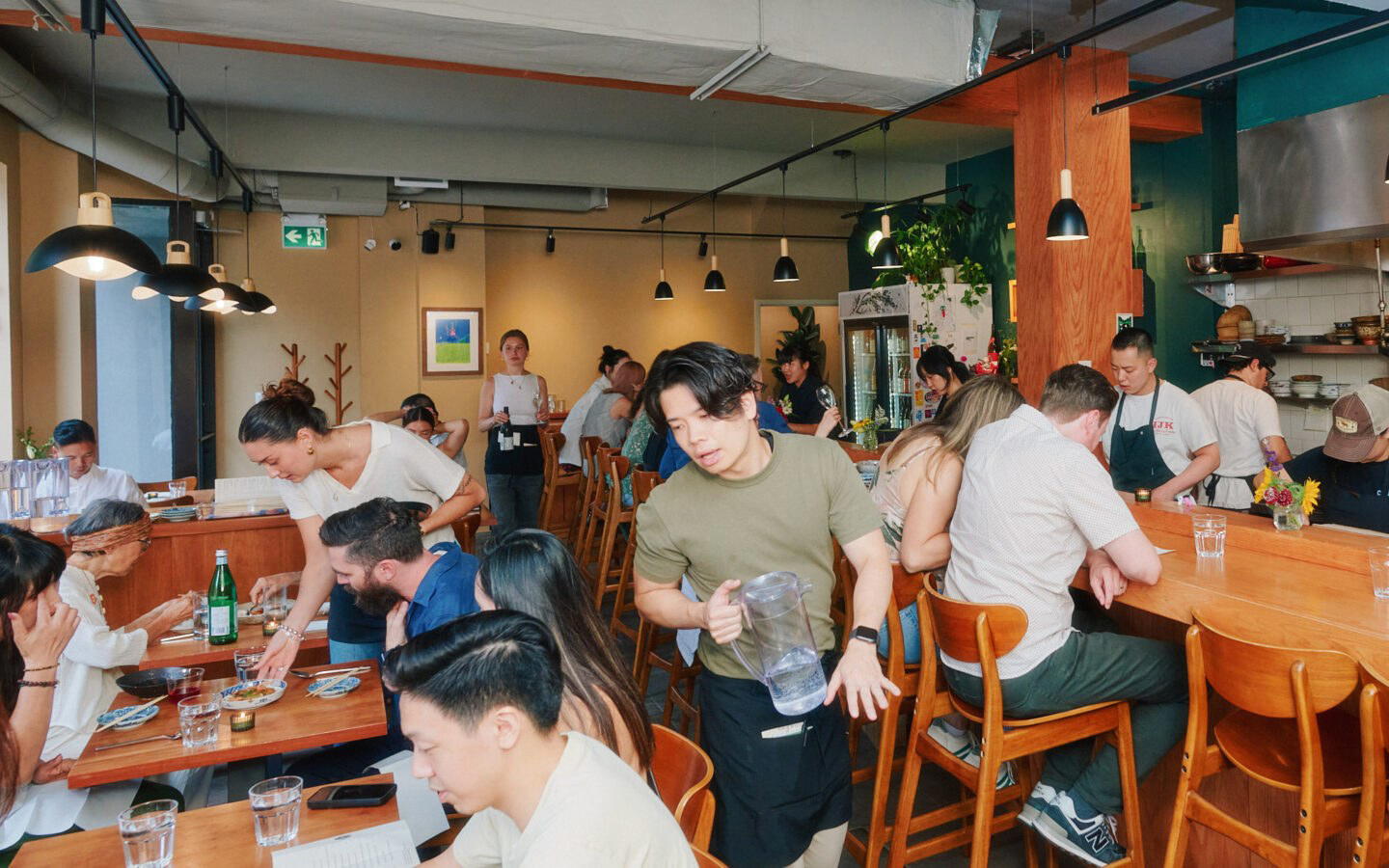
Bars in Toronto
All bars in Toronto →

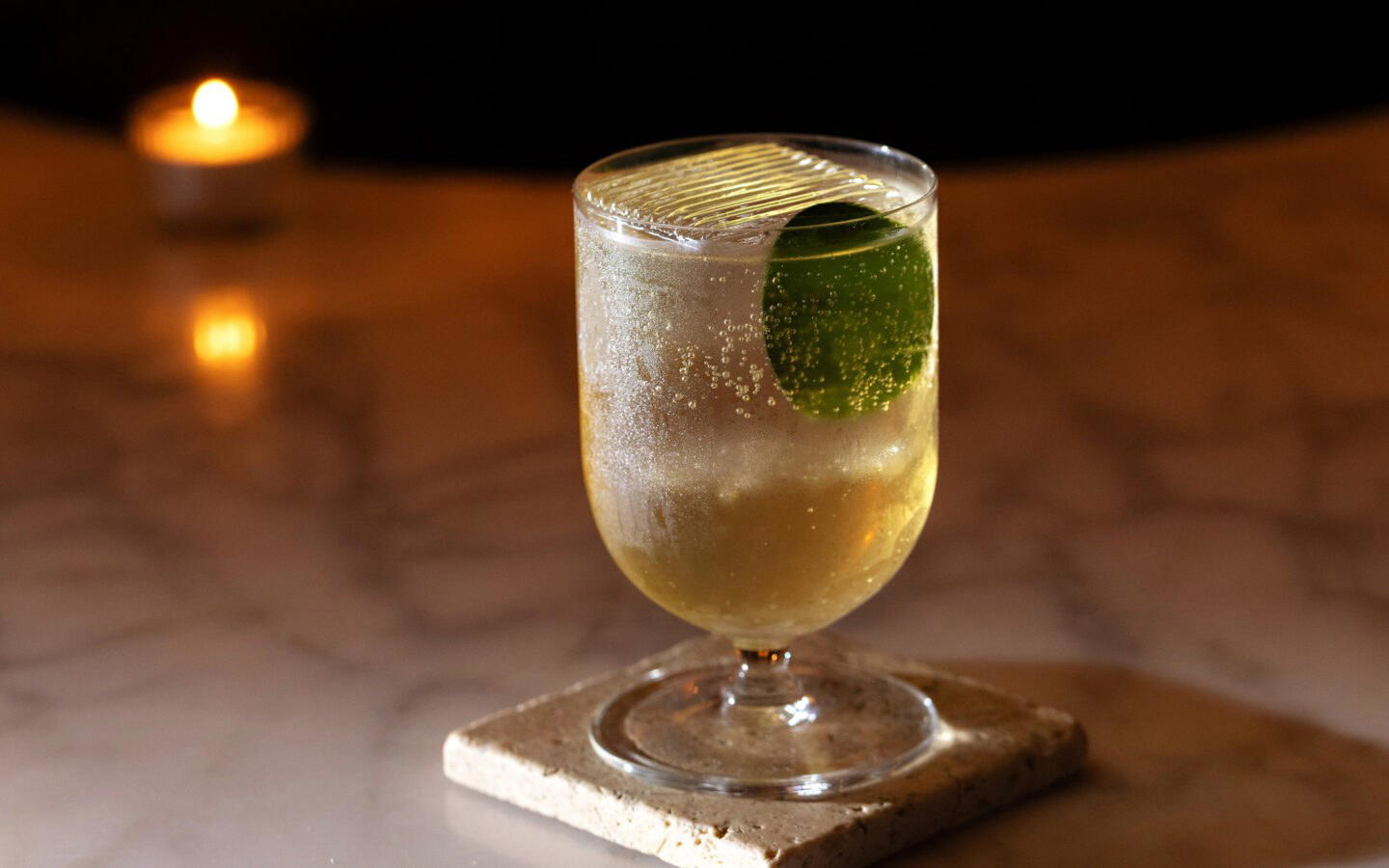
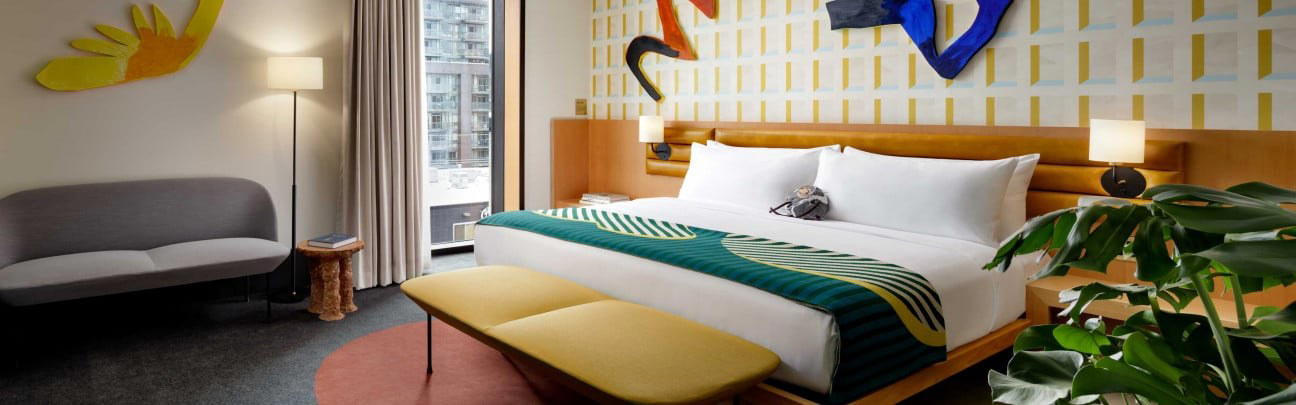
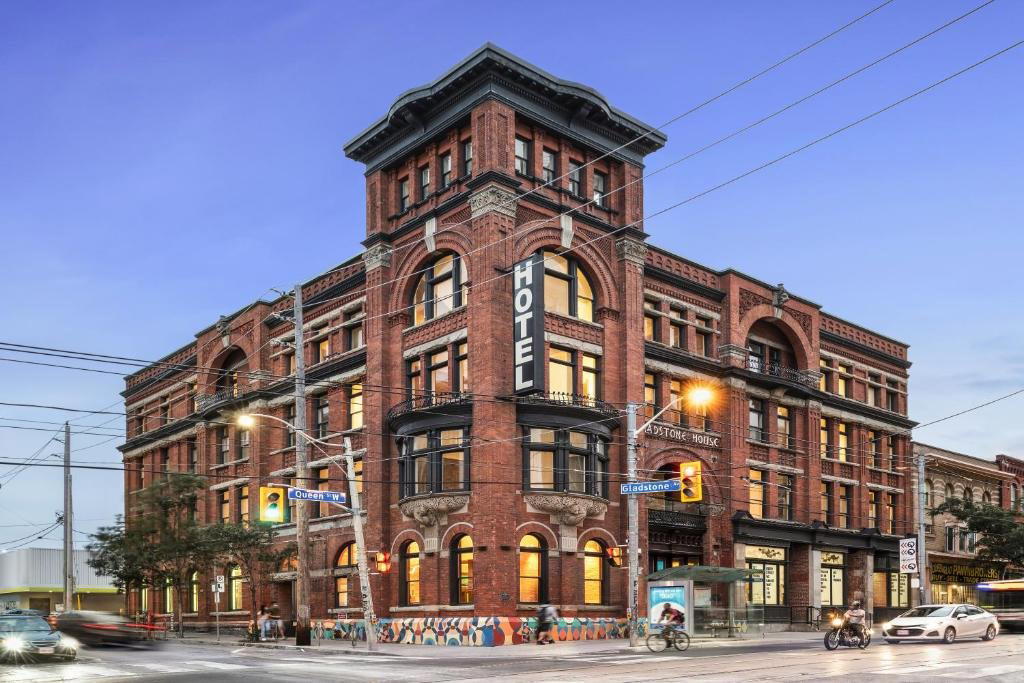
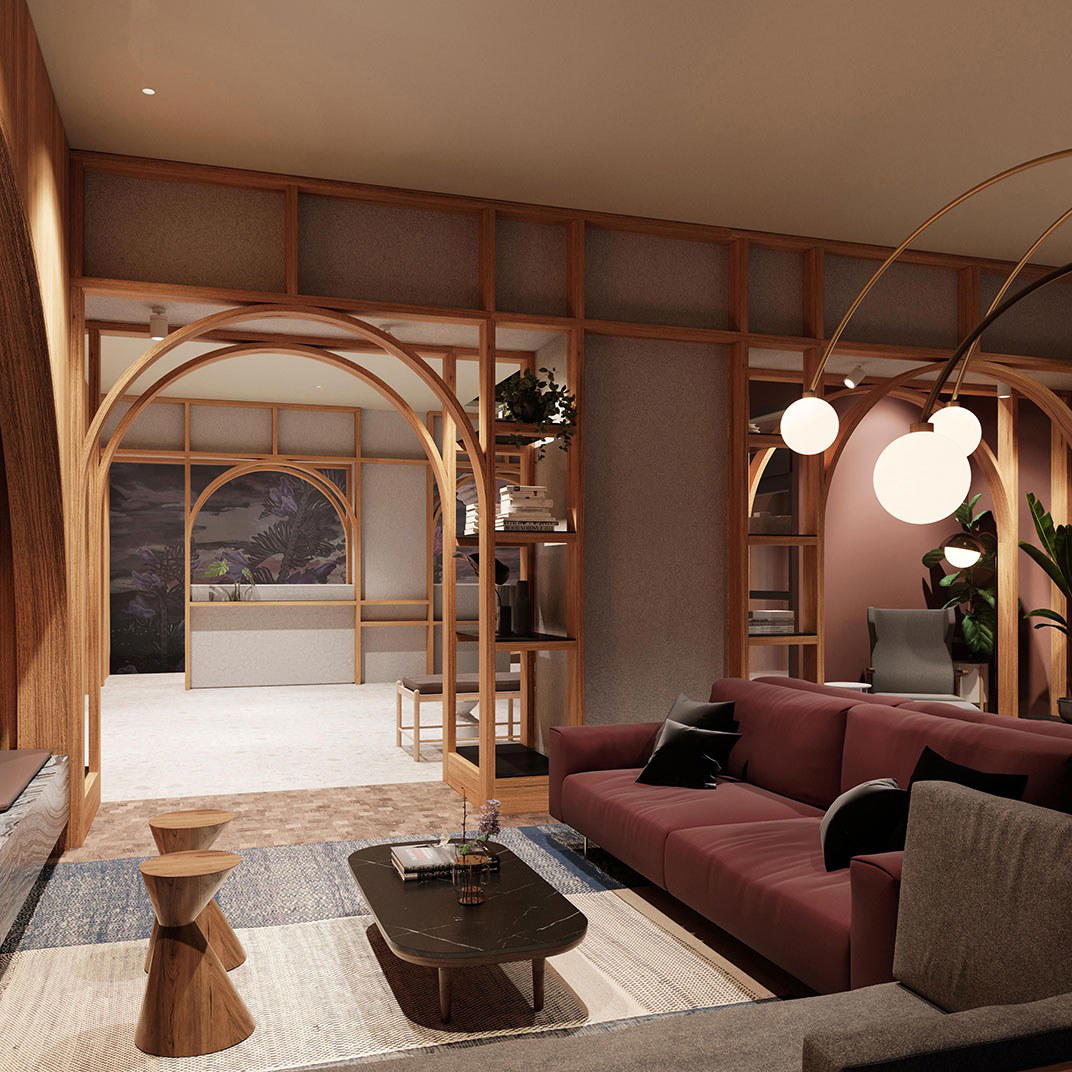

Piano Piano Bloor
The wine
- Extensive wine list
- Craft cocktails
- Zero-proof drinks
Details
- Sophisticated
- Lively
- Elegant
- Trendy
- Date Night
- Group Dining
- Casual Hangout
- After Work
- Terrace
- Open Kitchen
- Standalone
- Extensive Wine List
- Craft Cocktails
- Zero Proof
- Local Sourcing
- Street Scene
- A La Carte
- Family Style
- Wine
- Cocktails
- Zero Proof Concoctions
- Vegetarian Friendly
Current opening hours
- Monday
- 5–10 PM
- Tuesday
- 5–10 PM
- Wednesday
- 5–10 PM
- Thursday
- 5–10 PM
- Friday
- 12–11 PM
- Saturday
- 12–11 PM
- Sunday
- 12–10 PM
Hours can change for holidays and private events. Hours as of .
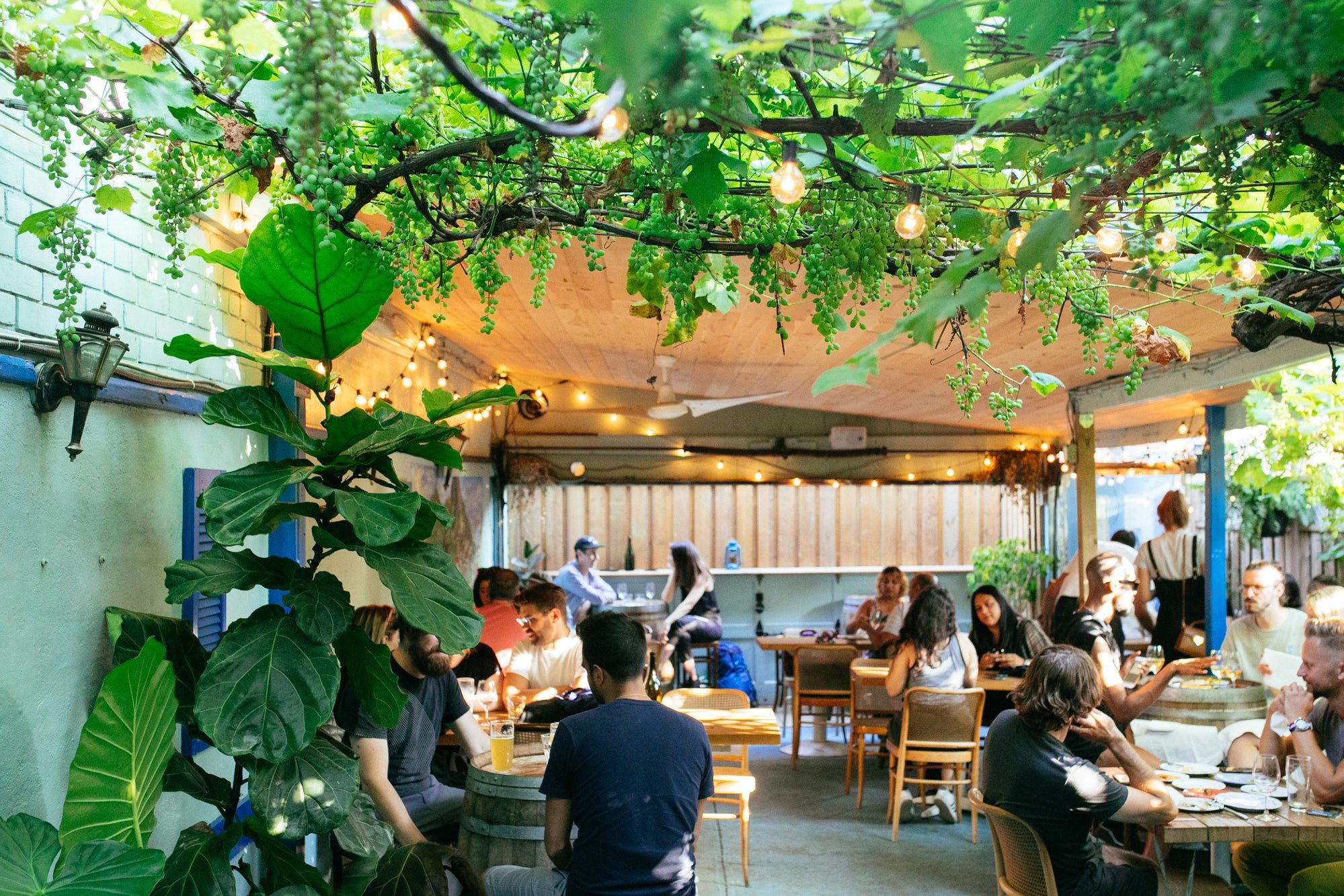
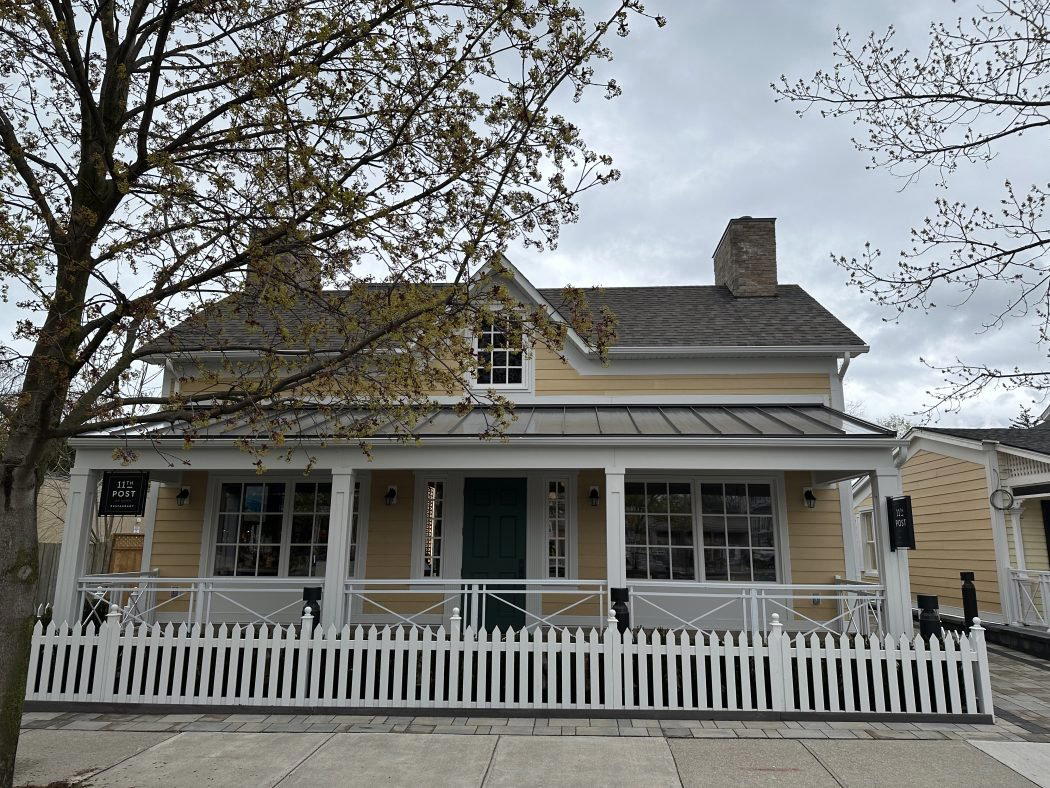
Warm, welcoming, and sophisticated dining room with contemporary design and lively energy; covered patio and outdoor seating provide street-level views of Bloor Street West.