Old Sister Broken Rice
Com Tam in Phu Nhuan: The Everyday Dish at Its Most Serious On Đặng Văn Ngữ, a residential street that cuts through Phu Nhuan district with the kind of low-key familiarity that keeps tourists away and regulars coming back, com tam occupies a...
Pearl is the En Primeur Club membership app — saves, bookings, and concierge access live there. Same editors, same standards.
- Address
- 51 Đ. Đặng Văn Ngữ, Phường 13, Phú Nhuận, Thành phố Hồ Chí Minh, Vietnam
- Phone
- +84909533442
- Website
- foody.vn
- Directions
- Get directions
 Saves & bookings on Pearl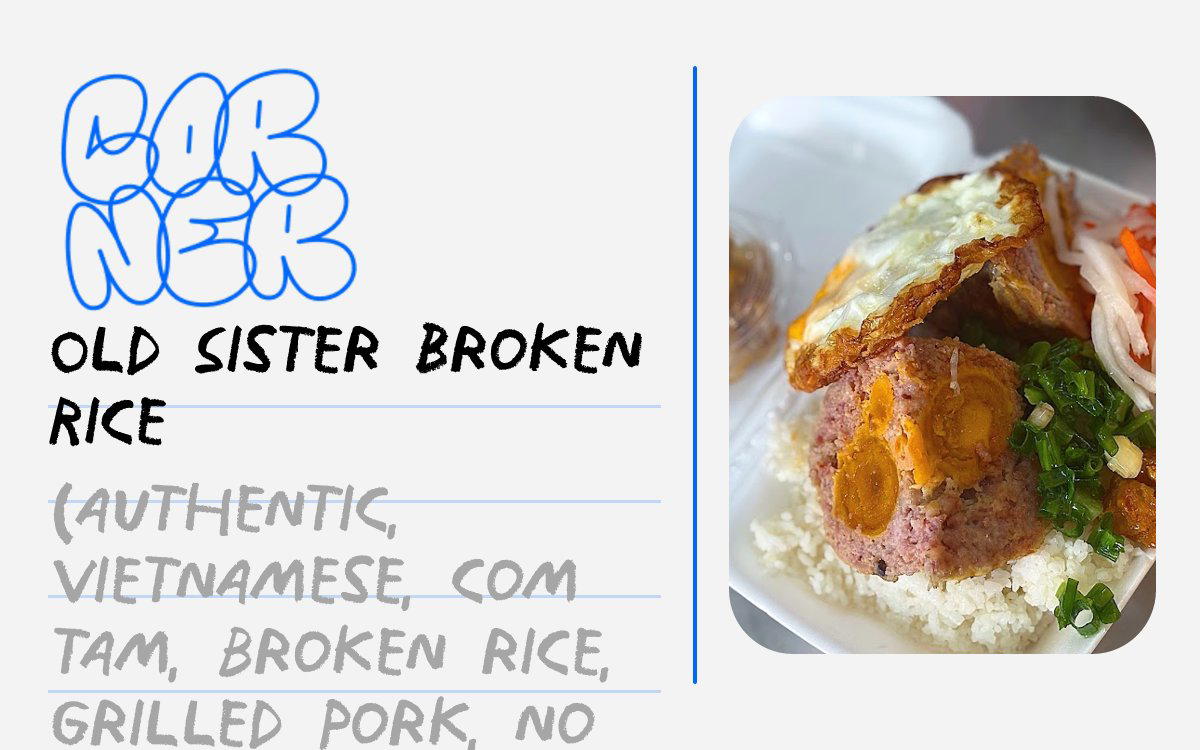
Com Tam in Phu Nhuan: The Everyday Dish at Its Most Serious
On Đặng Văn Ngữ, a residential street that cuts through Phu Nhuan district with the kind of low-key familiarity that keeps tourists away and regulars coming back, com tam occupies a different register than it does in the polished all-day cafes closer to District 1. The dish, built around broken rice grains that were historically separated during milling and sold cheaply to those who could not afford whole-grain rice, carries a working-class origin that its modern iteration sometimes obscures. Here, in a part of Ho Chi Minh City where lunch is a serious local matter settled quickly and without ceremony, Old Sister Broken Rice belongs to a tradition that values the ingredient over the occasion.
Com tam itself is a Southern Vietnamese staple with a specific grammar: the broken grain cooks differently from whole-grain rice, absorbing fat and char and sauce in a way that makes the dish hard to replicate cleanly with substitute ingredients. The leading versions in the city depend on sourcing that grain properly, preparing the accompanying proteins in a style that respects the rice's particular texture, and calibrating the fish sauce-based dressing that ties the plate together. That sourcing logic, rather than any single chef's biography, is what separates the serious practitioners from the casual ones across Ho Chi Minh City's dense com tam market.
Where Phu Nhuan Fits in the City's Dining Map
Ho Chi Minh City's restaurant conversation defaults to Districts 1, 3, and Binh Thanh, where international attention and tasting-menu ambition concentrate. Phu Nhuan runs parallel to that story. It is a densely residential district with strong local dining infrastructure, less foot traffic from outside the neighbourhood, and a food culture that operates on practical rhythms: early mornings, the 11am-1pm lunch window, and the early evening. A venue like Anan Saigon in District 1 represents what happens when Vietnamese street-food traditions meet formal culinary training and an international audience. Old Sister Broken Rice operates in the opposite direction, in a district where the audience is overwhelmingly local and the standard being met is neighbourhood fluency rather than category ambition.
That distinction matters for how a visitor reads the place. Phu Nhuan com tam is not a destination-dining proposition in the way that Akuna or CieL frame themselves, with tasting menus and reservation structures built for the international diner. It is a neighbourhood anchor that earns its reputation through repetition and consistency across the week, not through seasonal menu changes or press cycles.
The Sourcing Logic Behind Southern Com Tam
The broken rice category across Vietnam depends on ingredient relationships that are less visible than the finished plate suggests. The grain itself must actually be broken rice, not whole-grain rice cooked to a softer texture. In the South, com tam typically arrives alongside suon nuong (grilled pork ribs marinated in lemongrass, fish sauce, and sugar), bi (shredded pork skin mixed with toasted rice powder), and cha trung (a steamed egg and pork loaf). Each component reflects a specific Southern ingredient preference: the pork's sweetness balanced against fish sauce acidity, the toasted rice powder in the bi providing a dry textural counterpoint to the moist grain beneath it.
The quality of that fish sauce dressing, known as nuoc cham, is one reliable indicator of a kitchen's sourcing seriousness. A diluted or over-sweetened version signals compromise at the ingredient level. The version built from properly fermented fish sauce, balanced with lime and sugar and a controlled amount of water, reads differently on the palate and holds its flavour through the full plate rather than fading after the first few bites. Across Southern Vietnam's com tam tradition, this dressing is treated as a house preparation that distinguishes one spot from another, not as a generic condiment sourced from a bottle.
For reference across the broader Vietnamese dining spectrum, White Rose in Hoi An demonstrates a parallel sourcing specificity in Central Vietnamese cuisine, where the connection to a single family's wrapper technique defines the product. The logic is the same: the dish is only as good as its most specific, least-substitutable ingredient.
Comparing the Price Tier Across Ho Chi Minh City
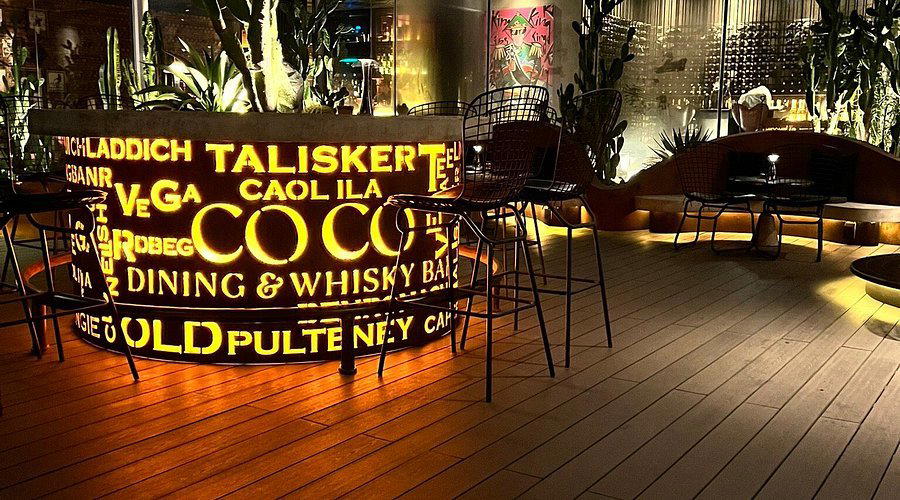
Com tam sits at the lowest price tier of Ho Chi Minh City's restaurant market, operating at a cost point far below the mid-range Vietnamese dining represented by venues like Coco Dining and well below the premium end anchored by Long Trieu. That price compression means the category competes on repetition and loyalty rather than occasion. Regulars return daily because the dish is calibrated to their specific preference, not because the room has changed or the menu has evolved. In that model, consistency is the competitive advantage, and any drift in grain quality or dressing ratio is immediately felt by the people who eat the same plate every weekday.
This is a meaningful contrast to the tasting-menu trajectory visible at venues like Gia in Hanoi, where the kitchen changes the offering deliberately and frequently. Com tam's appeal is its refusal to do that. The dish has a defined form, and the cook's job is to execute it accurately each service, not to reinterpret it.
Planning Your Visit to Đặng Văn Ngữ
Old Sister Broken Rice sits at 51 Đặng Văn Ngữ in Phường 13, Phu Nhuan district, a neighbourhood address that functions leading as a destination rather than a detour. Com tam in Ho Chi Minh City runs primarily on breakfast and lunch timing, with many neighbourhood spots winding down by early afternoon or closing between services. Arriving during the 7-9am window or the 11am-12:30pm lunch rush gives you the freshest preparation; arriving at the edges of those windows often means the kitchen has run through its best-prepared proteins. A walk-in approach is standard, consistent with how the neighbourhood com tam format operates across the city.
For travellers building a broader Vietnamese itinerary, the country's dining range extends from neighbourhood anchors like this to resort-scale formal dining such as La Maison 1888 in Da Nang, with the gap between those two poles being among the more instructive things about how Vietnam's food culture actually works.
Peers Worth Knowing
Comparable venues nearby, for context on price, style, and recognition.
| Venue | Cuisine | Price | Notes |
|---|---|---|---|
| Old Sister Broken RiceThis venue — the venue you are viewing | Vietnamese Broken Rice (Cơm Tấm) | $ | Not listed |
| Be Che Inside Ben Thanh Market | Southern Vietnamese Sweet Soups (Chè) | $ | District 1 |
| Lunch Lady | Vietnamese Street Noodle Soups | $ | Quan 1 |
| SH Garden | Regional Vietnamese Cuisine | $$ | Quan 2 |
| Nhà hàng chay Zen House | Vietnamese Vegetarian | $ | Tan Binh |
| Bếp Người Hội An | Central Vietnamese (Hội An-style) | $ | Quan 3 |
Continue exploring
More in Ho Chi Minh City
Restaurants in Ho Chi Minh City
Browse all →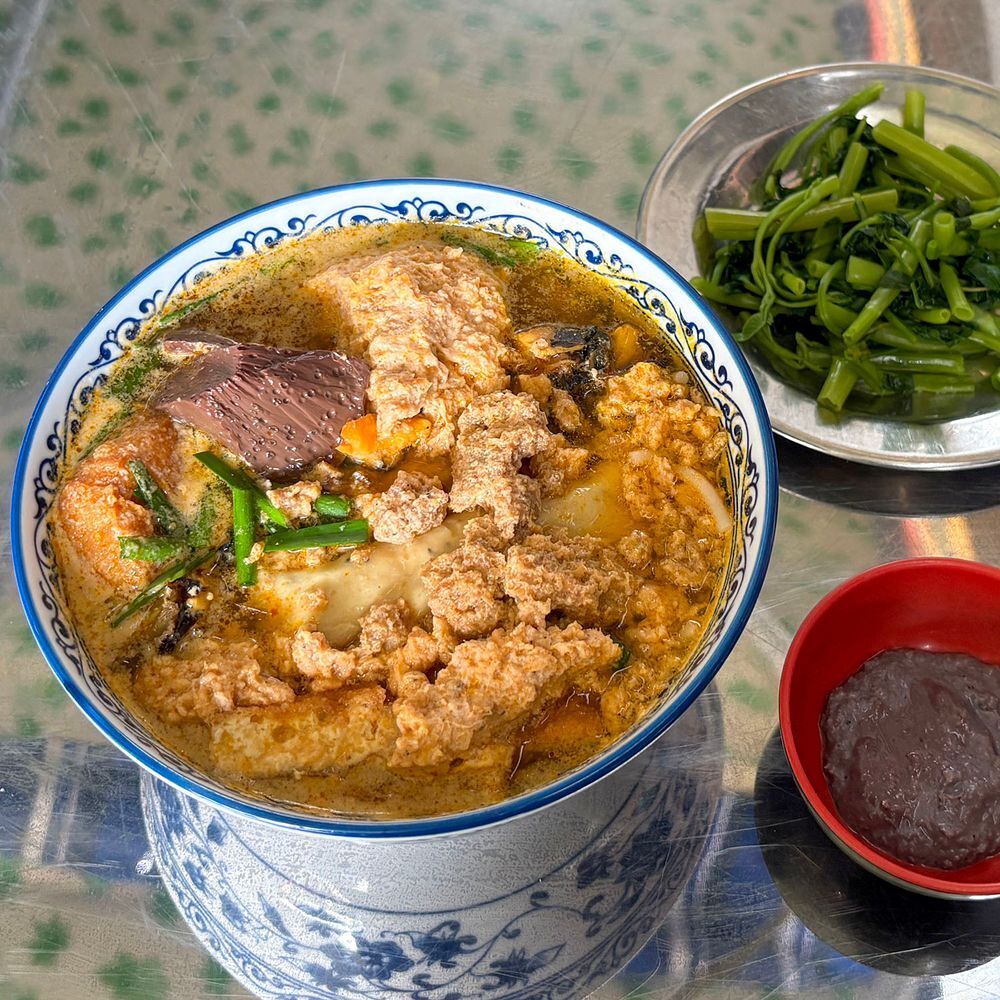
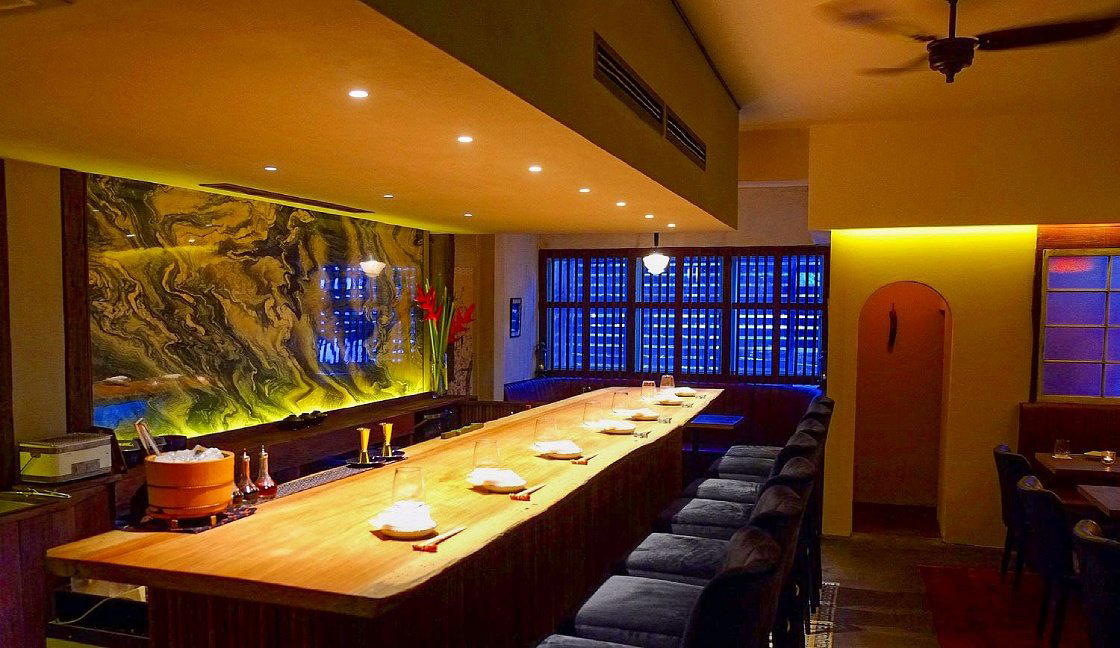
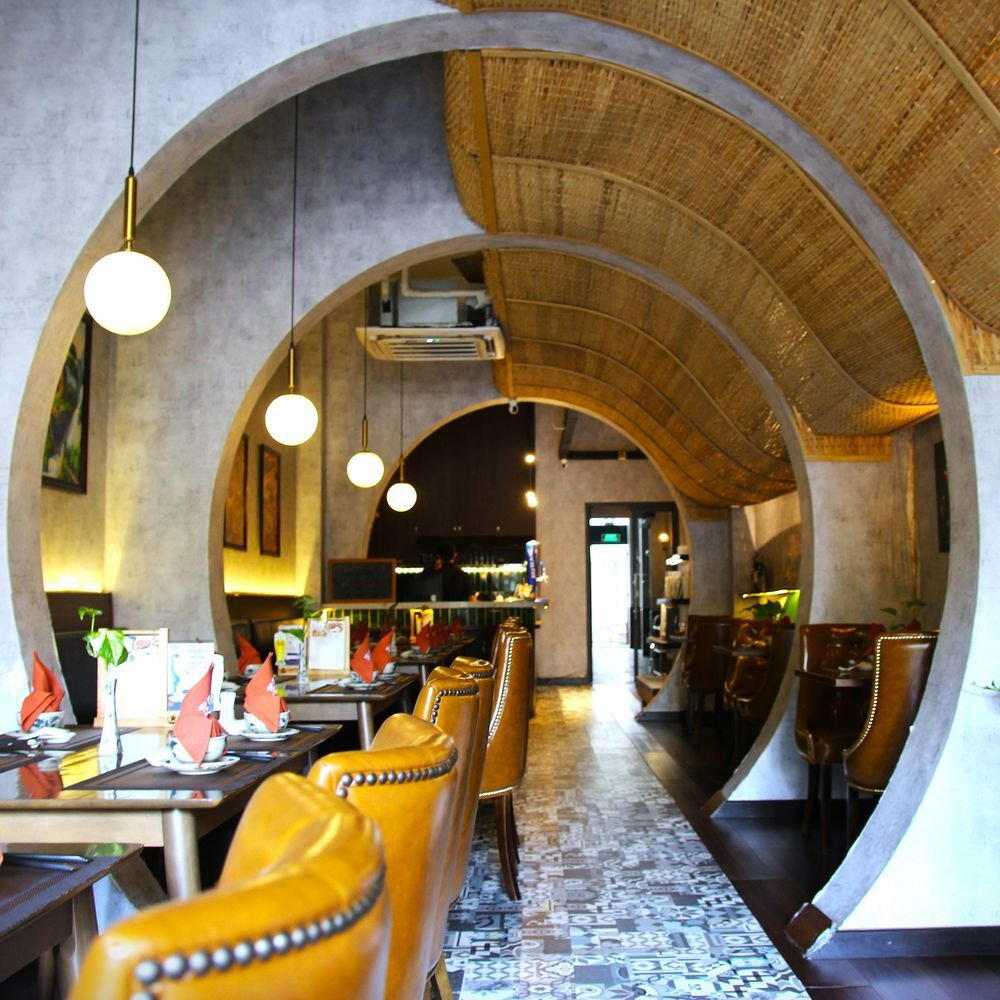
Bars in Ho Chi Minh City
Browse all →

At a Glance
- Casual
- Rustic
- Well Known
- Casual Hangout
- Solo
- Standalone
Current opening hours
- Monday
- 8 AM–2 PM, 4:30–9 PM
- Tuesday
- 8 AM–2 PM, 4:30–9 PM
- Wednesday
- 8 AM–2 PM, 4:30–9 PM
- Thursday
- 8 AM–2 PM, 4:30–9 PM
- Friday
- 8 AM–2 PM, 4:30–9 PM
- Saturday
- 8 AM–2 PM, 4:30–9 PM
- Sunday
- 8 AM–2 PM, 4:30–9 PM
Hours can change for holidays and private events. Last verified .
Casual, unpretentious street-food atmosphere with a loyal local following; simple seating with focus on authentic, no-frills dining experience.