Noir. Dining in the Dark
Noir. Dining in the Dark on Hai Bà Trưng in Ho Chi Minh City's District 1 takes a concept that has found footholds in Paris, London, and New York and roots it in Vietnam's most internationally connected city. Guests eat in complete darkness, guided by staff trained to move through the space without sight. The format is less about theatre than about what happens to perception when one sense is removed.
Pearl is the En Primeur Club membership app — saves, bookings, and concierge access live there. Same editors, same standards.
- Address
- 180D Hai Bà Trưng, Street, Quận 1, Thành phố Hồ Chí Minh 710000, Vietnam
- Phone
- +84986632525
- Website
- noirdininginthedark.com
- Directions
- Get directions
 Saves & bookings on Pearl
When Darkness Becomes the Setting
Ho Chi Minh City's dining scene has split into recognisable tiers over the past decade. Street-level Vietnamese cooking, represented by places like Anan Saigon, sits at one end. At the other, tasting-menu restaurants such as Akuna and CieL compete on technique and sourcing in ways that reference global fine-dining codes. In between, a smaller category has emerged: concept-led formats that make the dining environment itself the proposition. Noir. Dining in the Dark on Hai Bà Trưng in Ho Chi Minh City sits inside that third tier, where the format is the point and the food is experienced through its absence of visual context rather than despite it.
Dining-in-the-dark formats trace back to a concept developed in Zurich in the late 1990s, later franchised across Europe and North America. The premise is consistent wherever it appears: guests eat in a lightless room, guided by staff who work without sight aids. The format spread to Asian cities as their restaurant markets matured toward experience-led formats, and Ho Chi Minh City, as Vietnam's most commercially active dining hub, was a natural destination. Noir. on Hai Bà Trưng brings that format to District 1, the city's most internationally trafficked dining corridor.
The Role of the Team When Vision Is Removed
In conventional restaurant settings, front-of-house and kitchen operate in a relationship mediated by sight: plates arrive and guests read them visually before anything else. At Noir. that mediation disappears. The operational dynamic between the team and the guest shifts substantially. Staff who guide guests, describe the food, and manage navigation in complete darkness carry a much larger share of the total dining experience than a conventional floor team. Their ability to communicate texture, temperature, and composition verbally becomes the primary delivery mechanism for what the kitchen has prepared.
This kind of team structure has parallels at the high end of the global restaurant spectrum. At Le Bernardin in New York City, the floor team's knowledge of preparation method and ingredient sourcing functions as an extension of the kitchen's intent. At Atomix, also in New York, the service format is designed so that front-of-house narration is structural to how the menu is understood. Noir. operates at a different price register and with a different concept, but the underlying logic is the same: the team is not peripheral to the food experience but constitutive of it.
For guests, this means that the quality of the interaction with staff matters more than it would in a room where they could simply look at the plate. The guides, typically trained in spatial orientation and verbal communication, set the pace and the tone for the meal. The concept demands a higher degree of trust in the team than most restaurant formats require, which is part of what makes it a genuinely different kind of evening rather than a surface-level novelty.
District 1 as Context
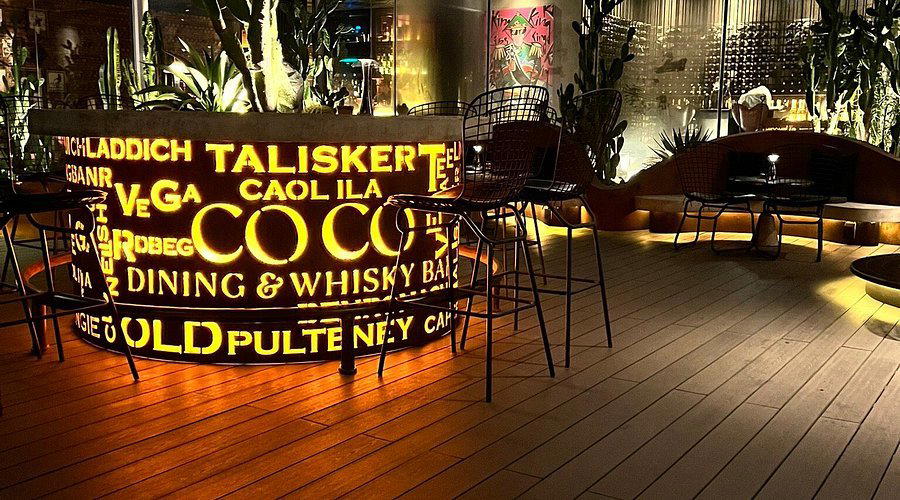
The address on Hai Bà Trưng places Noir. in one of District 1's busier corridors, accessible from the main hotel and business districts and within reasonable reach of most travellers staying centrally. District 1 concentrates a significant share of Ho Chi Minh City's mid-to-upper dining options, from the Cantonese-focused Long Trieu to the innovative-format Coco Dining. Noir. occupies a different competitive register from those venues: it is not competing primarily on cuisine type or chef reputation but on format distinctiveness. That positioning makes it one of the more discussed concept restaurants in the city, though the format's novelty also means that repeat visits are less common than they are at places where the food itself is the primary draw.
Vietnam's broader restaurant circuit has produced strong culinary credentials in recent years. Gia in Hanoi and La Maison 1888 in Da Nang represent the country's capacity for technically demanding, ingredient-led cooking. Noir. is not positioned within that culinary conversation. It belongs instead to a separate strand of the country's dining development: the move toward formats where the total experience design, not the plate alone, is the reason to book.
What the Format Actually Does to a Meal
The sensory argument for dining in complete darkness is well-documented in food science: removing visual information causes diners to focus more acutely on taste, smell, and texture, and can make familiar ingredients read differently. Research on cross-modal sensory interaction suggests that vision ordinarily dominates food perception, so its removal genuinely changes how flavour is processed rather than simply creating a theatrical atmosphere. Whether that translates into a better meal is a separate question, and one that varies considerably by diner.
What the format reliably produces is a different kind of table conversation. Groups tend to talk more, and differently, when they cannot see each other's reactions or the room. Shared disorientation creates a particular kind of social dynamic that is difficult to replicate in a conventionally lit dining room. For groups with an interest in that dynamic, whether corporate entertaining, couples, or close friends, the format delivers something specific that the food quality alone could not.
Planning a Visit
Noir. Dining in the Dark is located at 180D Hai Bà Trưng, District 1, Ho Chi Minh City. As a concept restaurant with a fixed format, advance booking is the standard approach rather than walk-in. Reservations are essential, and the venue is open Tuesday through Sunday from 5:30 to 11 PM. The format is suitable for adults and older teenagers comfortable with complete darkness; guests with claustrophobia or significant anxiety in lightless spaces may find the experience uncomfortable regardless of the food quality. Groups of four to eight tend to get full value from the format's social dynamic.
Budget and Context
Comparable venues nearby, for context on price, style, and recognition.
| Venue | Price | Notes |
|---|---|---|
| Noir. Dining in the DarkThis venue — the venue you are viewing | $$$ | Not listed |
| Pizza 4P's Saigon Pearl | $$$ | Binh Thanh, Japanese-Italian Fusion Pizza |
| Tales by Chapter | $$$ | District 1, Zero‑waste plant-based fine dining |
| Sushi Rei | $$$$ | Quan 1, Traditional Edomae Omakase |
| Le Corto | $$$ | Quan 1, Modern French Bistro |
| Pendolasco | $$$ | Quan 2, Authentic Italian Pizza and Pasta |
Continue exploring
More in Ho Chi Minh City
Restaurants in Ho Chi Minh City
Browse all →
Bars in Ho Chi Minh City
Browse all →
At a Glance
- Intimate
- Sophisticated
- Date Night
- Special Occasion
- Celebration
- Design Destination
- Craft Cocktails
Current opening hours
- Monday
- Closed
- Tuesday
- 5:30–11 PM
- Wednesday
- 5:30–11 PM
- Thursday
- 5:30–11 PM
- Friday
- 5:30–11 PM
- Saturday
- 5:30–11 PM
- Sunday
- 5:30–11 PM
Hours can change for holidays and private events. Last verified .
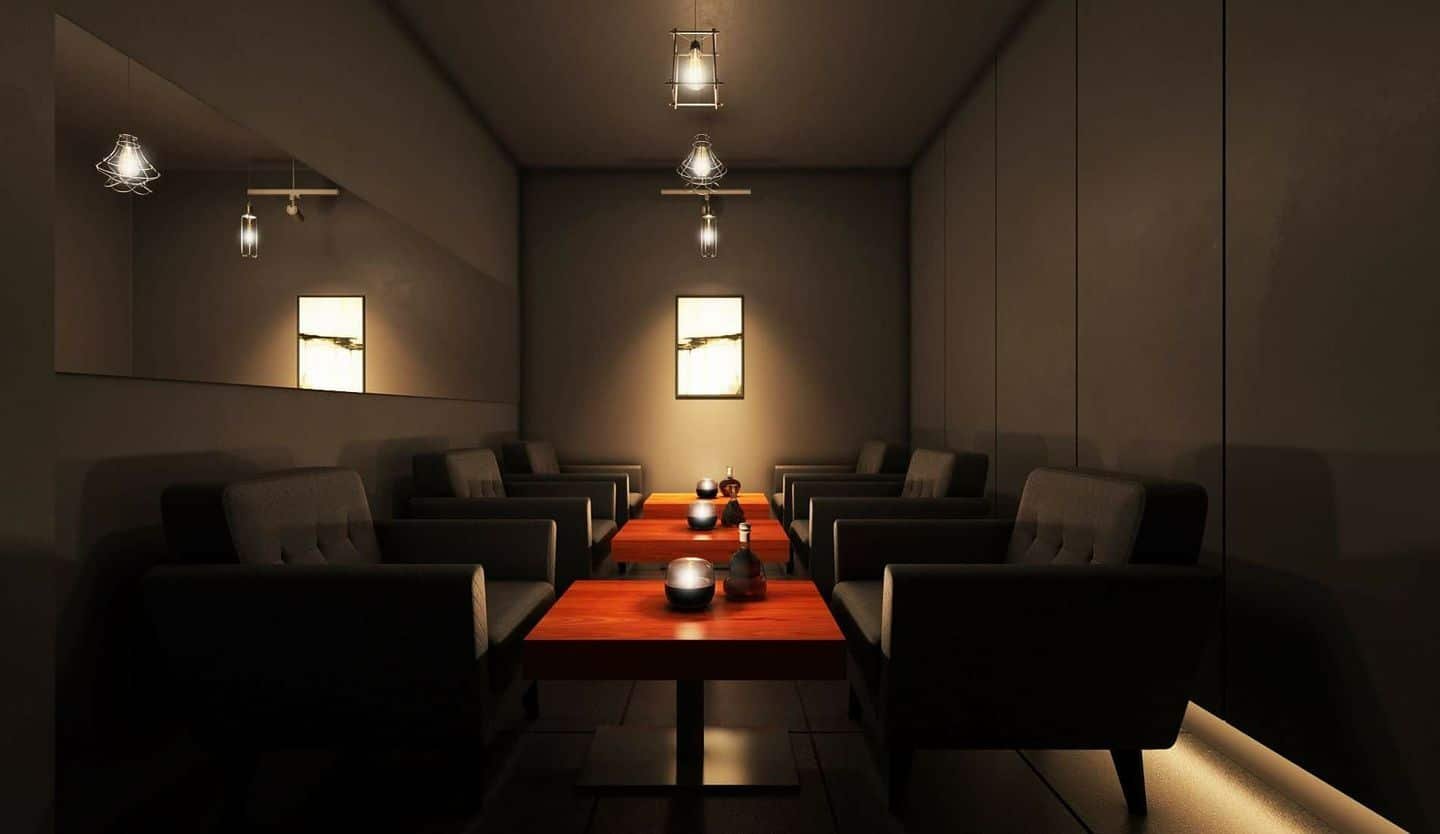
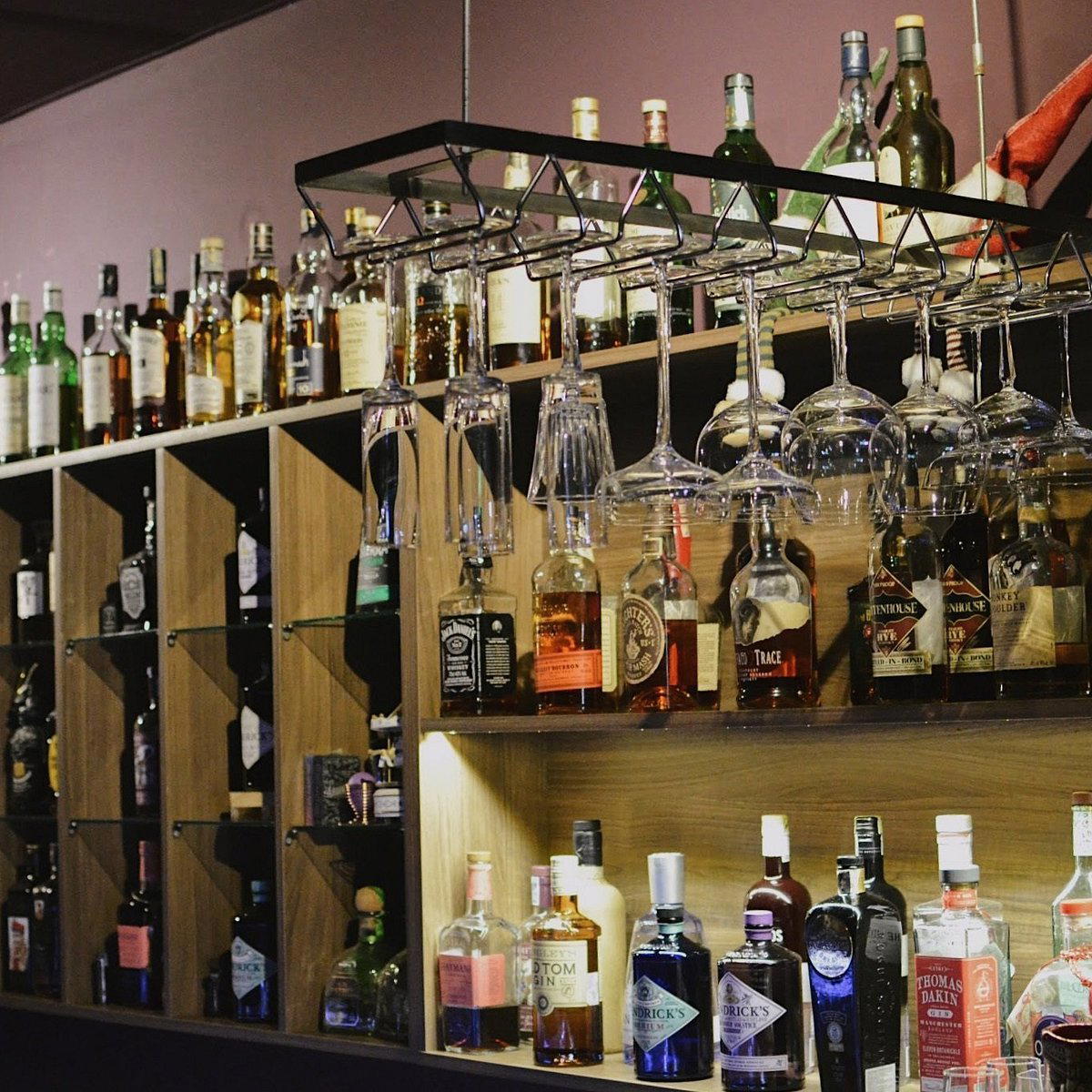
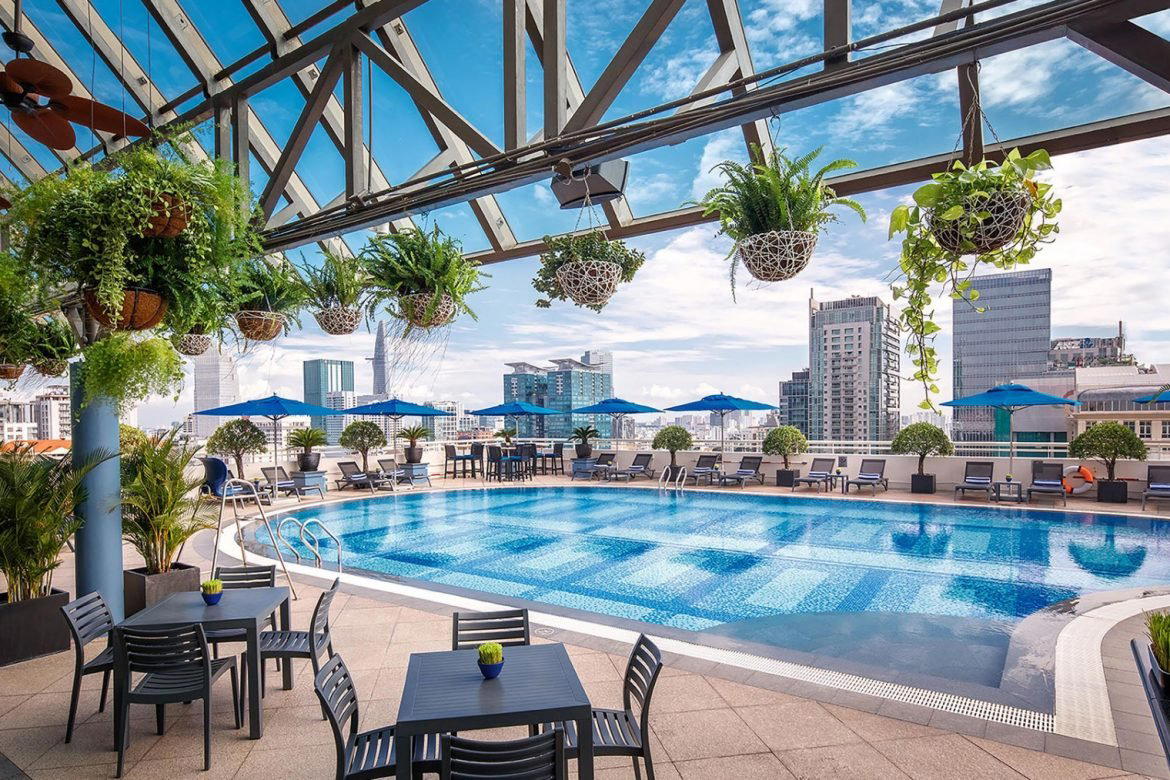
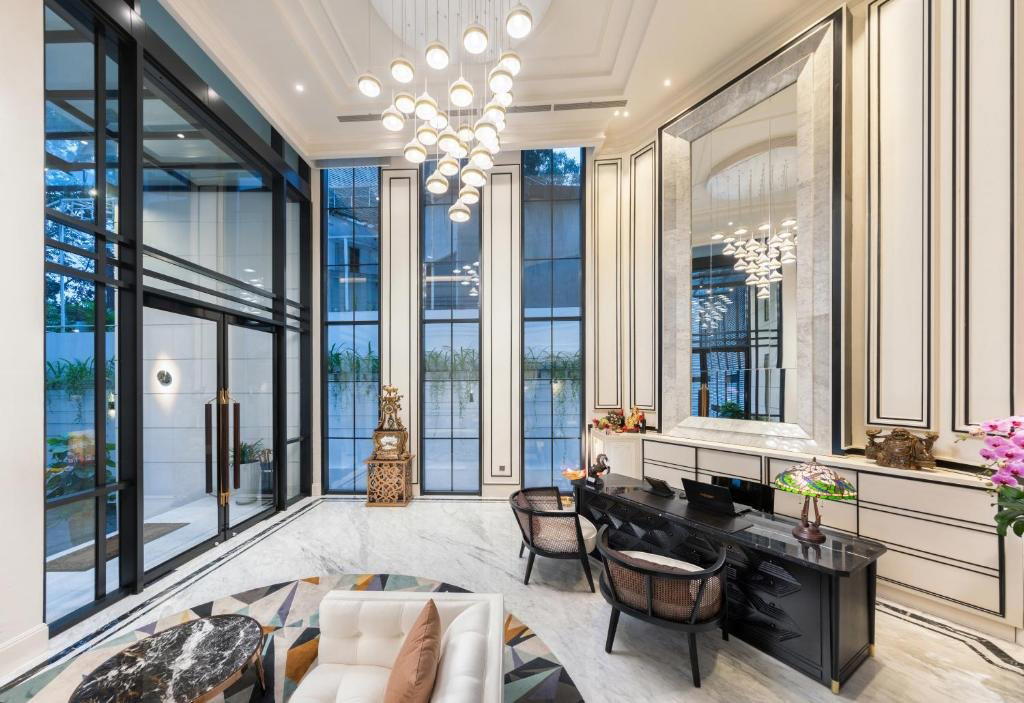
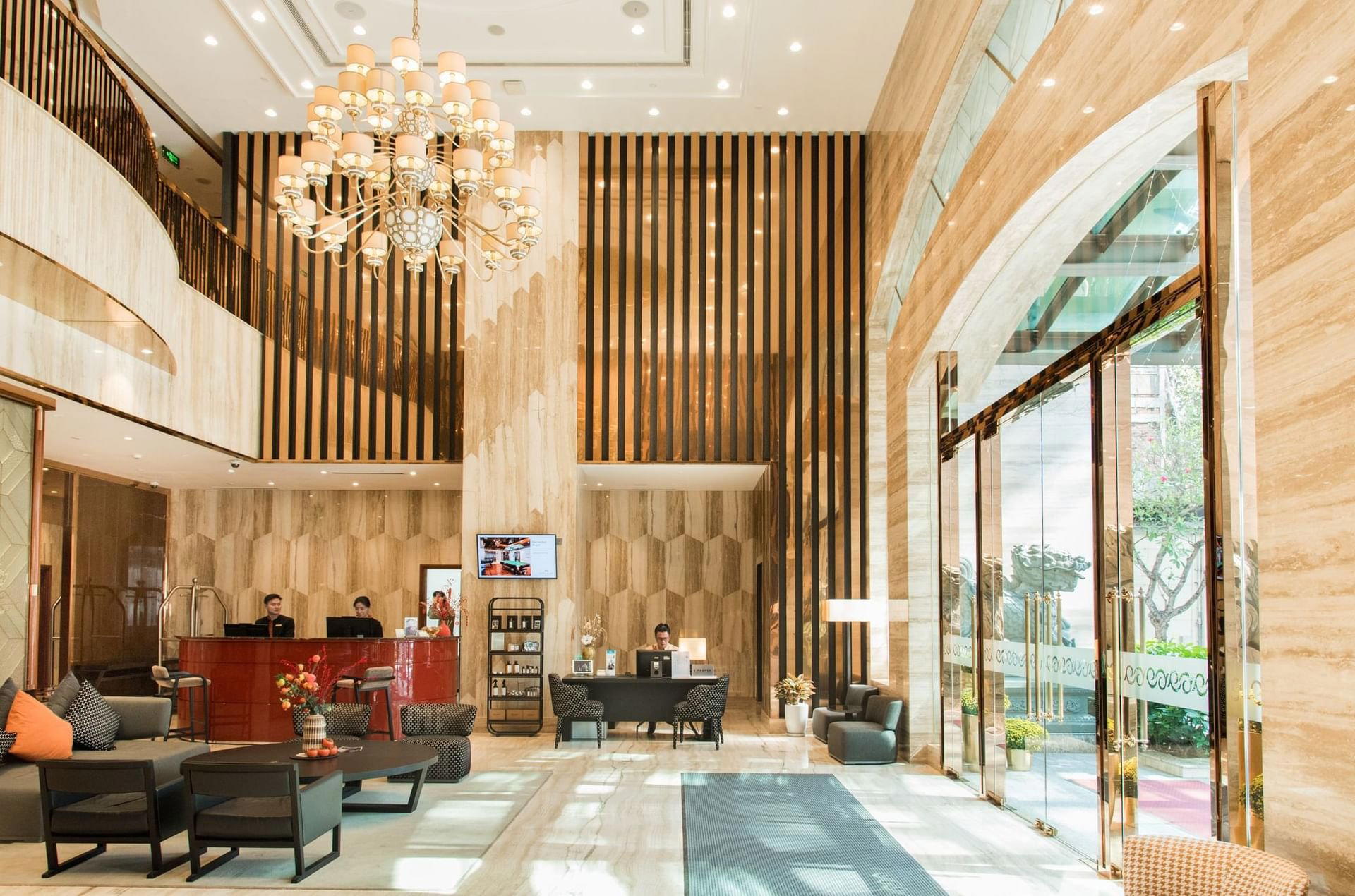
Pitch-black dining room creating an intimate, sensory-focused atmosphere with elegant pre-dinner lounge.