Homage
Homage occupies a precise address in San Francisco's Chinatown-adjacent corridor at 88 Hardie Place, sitting inside a dining scene where cultural identity and culinary ambition increasingly overlap. The restaurant enters a city already crowded with serious tasting-menu programs, positioning itself within a conversation about what American fine dining owes to its immigrant foundations. Booking details and format are best confirmed directly with the venue before visiting.
- Address
- 88 Hardie Pl, San Francisco, CA 94108
- Phone
- +1 415 800 8741
- Directions
- Get directions
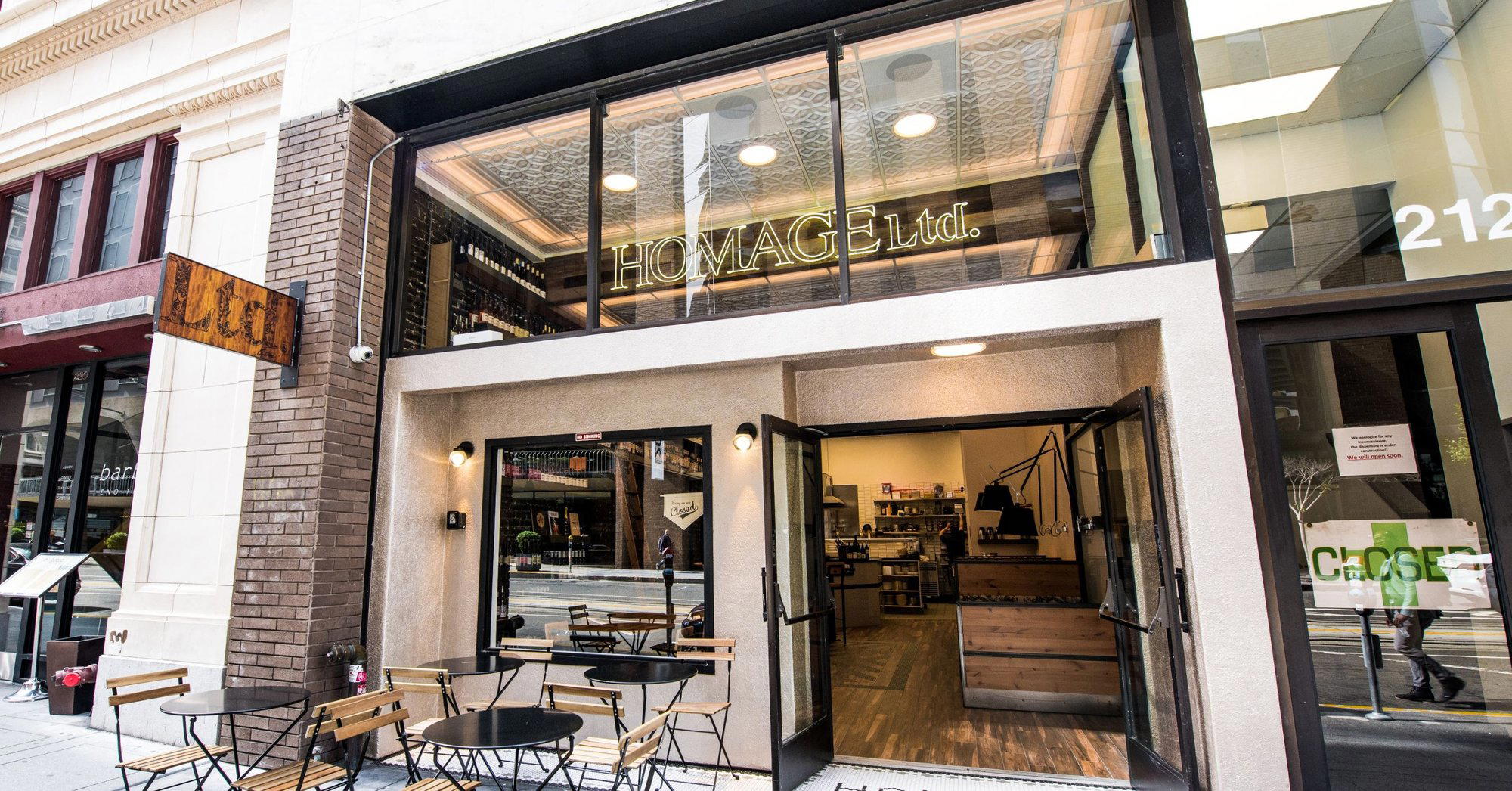
Where Chinatown Ends and the Dining Room Begins
San Francisco's financial district edge, where Hardie Place cuts a quiet line near the Chinatown boundary, is not where most visitors expect to find a restaurant worth a reservation months in advance. The address itself, 88 Hardie Place, carries a particular resonance: the number eight is especially auspicious in Chinese numerology, associated with prosperity and good fortune. Whether that is intentional framing or coincidence, it situates Homage immediately within a cultural conversation that the city's most interesting dining rooms have been having for years.
That conversation is about inheritance. San Francisco has always been a port city shaped by waves of immigration, and its food culture reflects that accumulation more honestly than almost any American city outside of New York. Chinatown here is the oldest in North America, established in the 1850s, and the culinary traditions that took root in these blocks have spent over a century evolving, hybridizing, and filtering into the broader urban palate. The restaurants that now operate in and around this geography carry that history whether they acknowledge it or not. Homage, by name at least, appears to do so consciously.
The Cultural Weight of the Address
American fine dining has spent the last decade recalibrating its relationship with non-European culinary traditions. Where French technique once served as the universal benchmark, a generation of chefs trained in both classical and heritage kitchens has begun treating Asian, Latin, and African culinary roots as primary rather than decorative. In San Francisco, this shift is visible across the upper tier of the dining scene. Benu, with its French-Chinese synthesis and multiple Michelin stars, demonstrated that Asian culinary identity could anchor a restaurant at the highest price and recognition tier. Atelier Crenn reframed French modernism through a distinctly personal and poetic lens. Lazy Bear repositioned Progressive American cooking around communal format rather than European formalism.
Homage sits near the geographic heart of this longer cultural history. A restaurant that takes its name from the act of tribute occupies an interesting conceptual position: tribute to what, exactly, and how that reverence translates into what arrives on the plate are the questions a diner reasonably brings through the door. In cities like New York, restaurants such as Atomix have shown how Korean culinary tradition can anchor a tasting-menu format at the highest level of critical and commercial recognition. San Francisco, with its Pacific-facing history, has its own version of that reckoning to work through.
Where Homage Sits in the San Francisco Fine Dining Tier
The upper bracket of San Francisco tasting-menu dining is well-populated. Quince holds its position in Italian contemporary at the $$$$ tier. Saison built its reputation on live-fire California cooking and commands prices that place it among the more expensive tables in the country. Outside the city, The French Laundry in Napa and Single Thread Farm in Healdsburg define what Northern California fine dining looks like when it draws on agricultural abundance and classical discipline in equal measure.
Homage's per-person cost is about $50, and reservations are recommended. What the address and name signal is a restaurant that has positioned itself with deliberate cultural intent in a neighbourhood where that intent carries specific meaning. In a city where dining at this level requires planning, reservations are recommended.
Cultural Dining at This Level Across American Cities
The pattern Homage appears to represent, a fine dining restaurant that takes cultural heritage seriously as a primary rather than secondary framing, has precedents in several American cities. Providence in Los Angeles built its reputation on seafood with a reverence for both French technique and Pacific ingredients. Blue Hill at Stone Barns in Tarrytown made agricultural provenance the conceptual anchor of a tasting-menu format. Smyth in Chicago works within a seasonal-hyper-local frame that gives its Midwestern setting genuine meaning rather than postcard backdrop. Addison in San Diego represents California fine dining pushing toward classical rigour. Le Bernardin in New York remains the benchmark for what French technique applied to seafood looks like at the highest level of sustained consistency. The Inn at Little Washington and Frasca Food and Wine in Boulder demonstrate that serious culinary ambition is not confined to coastal gateway cities. Even internationally, the model of a restaurant anchored in a specific cultural inheritance, such as Atelier Moessmer Norbert Niederkofler in Brunico, which draws on South Tyrolean alpine tradition as its primary source material, shows how deeply rooted cultural framing can sustain a restaurant at the leading recognition tier. Emeril's in New Orleans did something similar for Creole tradition decades before heritage framing became a critical talking point.
San Francisco's proximity to the Pacific, its deep Chinese-American history, and its position as a gateway city for Southeast Asian immigration give any restaurant operating near Chinatown a specific kind of cultural capital to either spend or waste. Its address gives the restaurant a specific cultural setting in San Francisco.
Planning a Visit
Homage is recommended for reservations. The address at 88 Hardie Place places the restaurant near the Chinatown edge of San Francisco. Parking in this part of the city is constrained; rideshare or public transit is the more reliable arrival strategy for an evening reservation.
Seasonally, San Francisco's famously variable microclimate means that even summer evenings can arrive with fog and sub-60-degree temperatures. Arriving from a warmer neighbourhood can be a practical surprise for visitors expecting California warmth. Dressing in layers is a year-round consideration for dinner in this part of the city, regardless of the afternoon forecast.
Same-City Peers
Comparable venues nearby, for context on price, style, and recognition.
| Venue | Cuisine | Price | Notes |
|---|---|---|---|
| HomageThis venue — the venue you are viewing | Casual Farm-to-Table Californian | $$ | Not listed |
| Native Co. | Health-Focused Cafe | $$ | Financial District/South Beach |
| Bluestem Brasserie | Seasonal American Brasserie | $$ | Financial District/South Beach |
| Rye | American Bar | $$ | Nob Hill |
| Max's Opera Cafe | Classic American Diner | $$ | Western Addition |
| Palmers Tavern | American Gastropub | $$ | Pacific Heights |
Continue exploring
More in San Francisco
Restaurants in San Francisco
Browse all →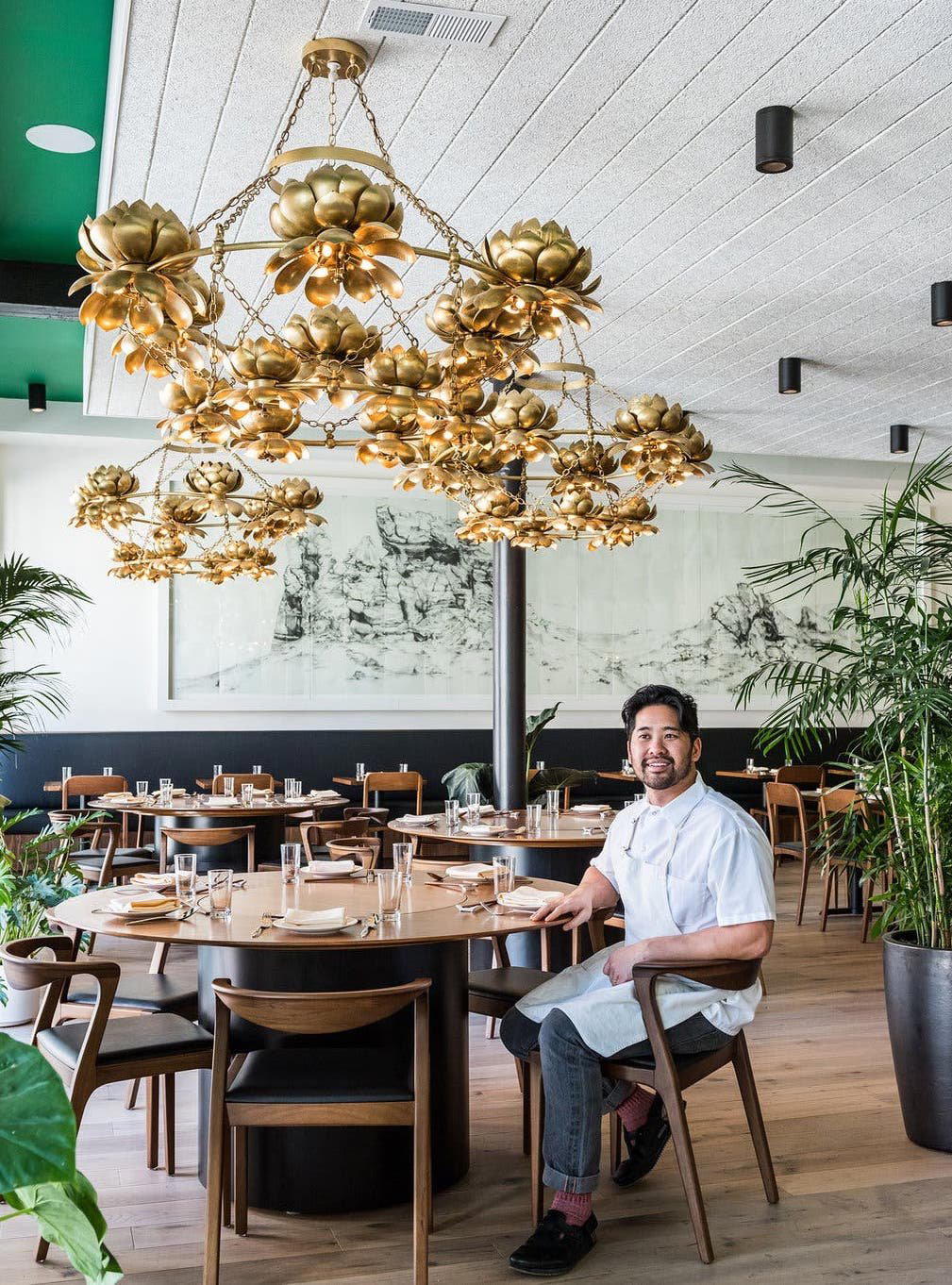
Bars in San Francisco
Browse all →
Hotels in San Francisco
Browse all →
At a Glance
- Cozy
- Modern
- Intimate
- Date Night
- Business Dinner
- Casual Hangout
- Open Kitchen
- Craft Cocktails
- Farm To Table
- Local Sourcing
Raw wood floors and cute mosaic-like decor create a relaxed, homey atmosphere tucked away in a quiet cul-de-sac.